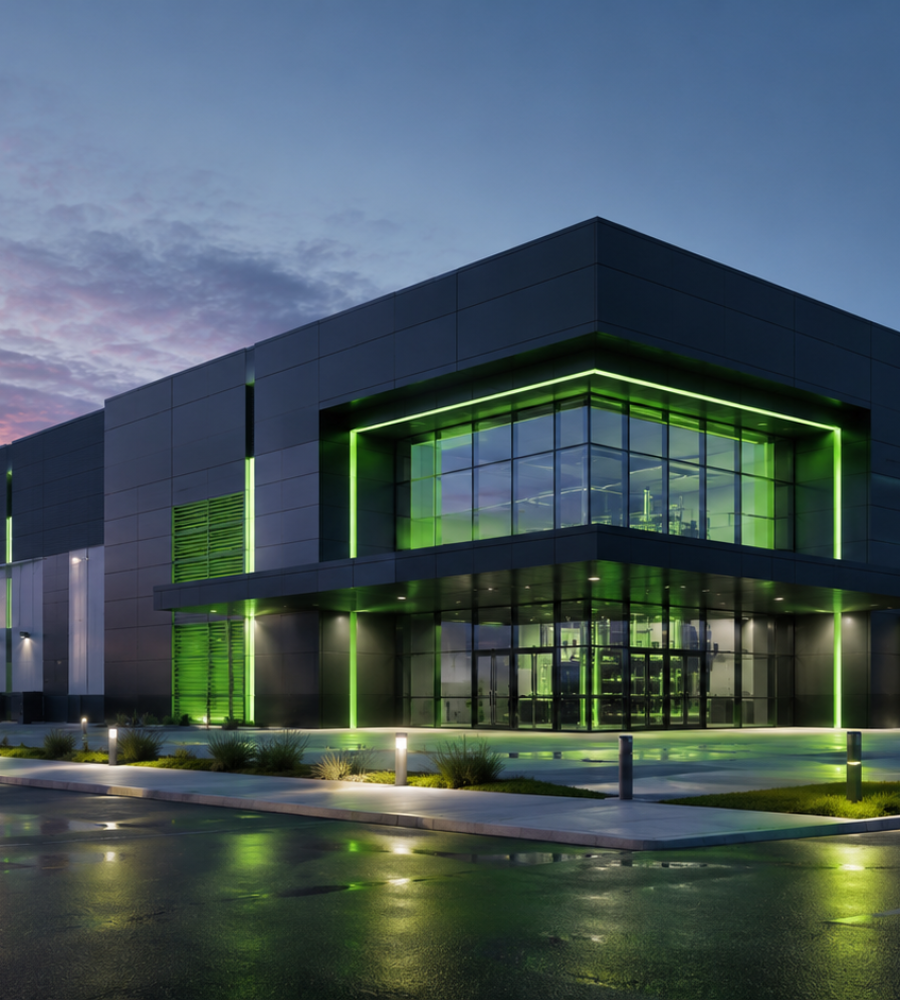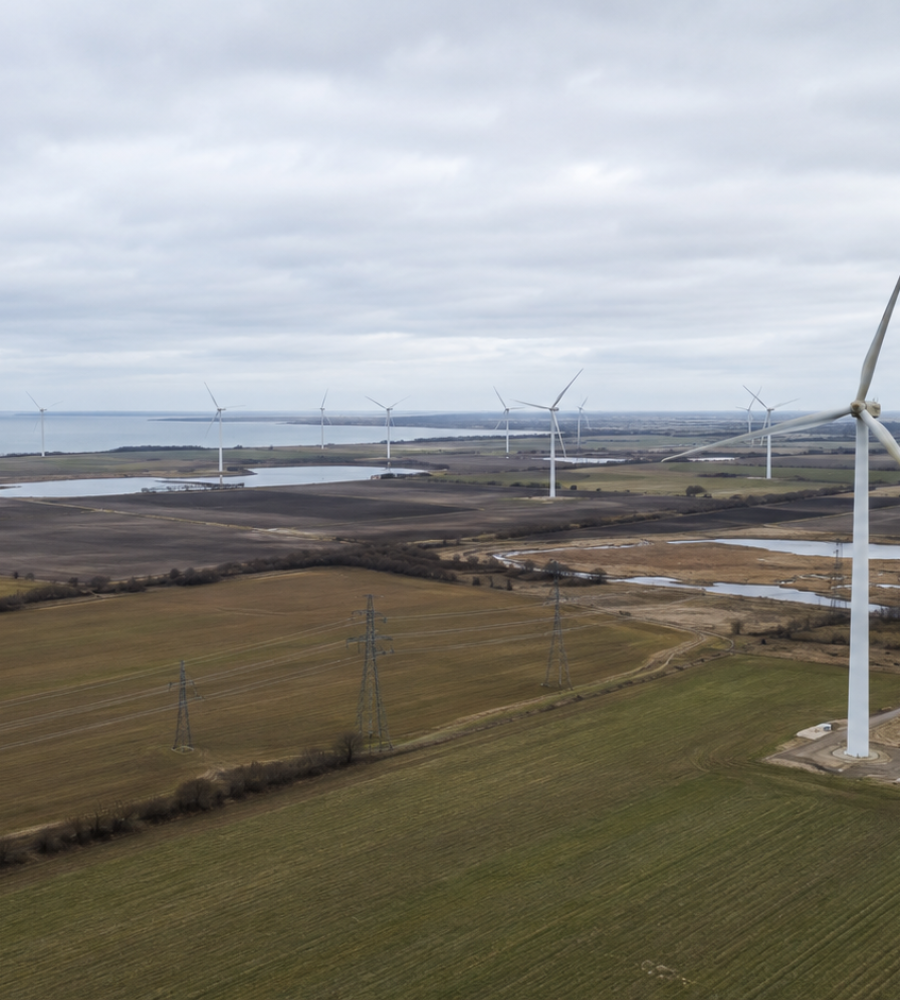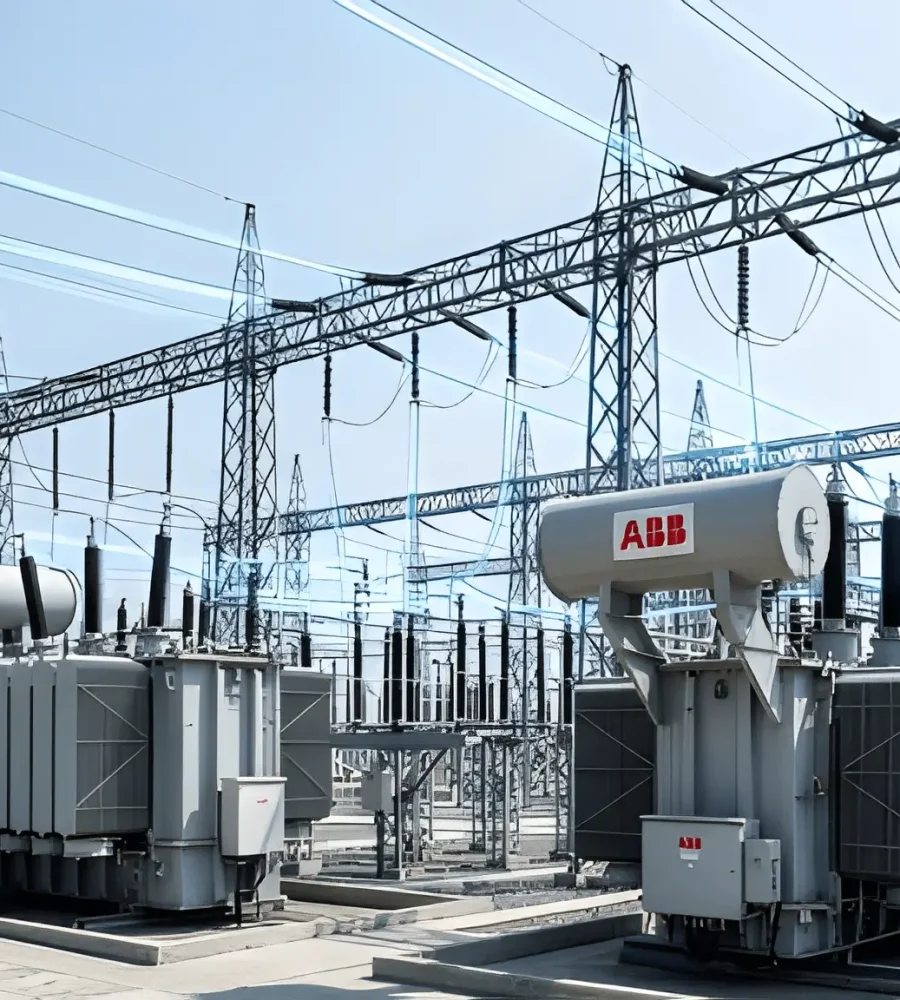
Artificial intelligence may run on GPUs, but the next wave of AI expansion depends on something far less glamorous: electricity delivery. Across major compute markets, developers can secure land, cooling systems, and advanced accelerators faster than they can secure actual grid access.
Against that backdrop, GridCARE has raised a $64 million oversubscribed Series A round to establish what it calls a new infrastructure category: Power Acceleration for AI. The financing was led by Sutter Hill Ventures, an early backer of foundational compute companies including NVIDIA, Snowflake, and Astera Labs. The round also included veteran technology investor John Doerr, whose portfolio history spans companies such as Amazon, Google, and Netscape.
The funding reflects a broader shift happening across the AI economy. Investors who once focused almost exclusively on GPUs, networking hardware, and cloud infrastructure are now turning their attention toward electrical delivery systems. Access to megawatts has become a strategic differentiator for hyperscalers, colocation operators, and emerging AI factory developers attempting to deploy next-generation compute campuses.
“A year ago, few people were talking about power as a bottleneck for AI – today it’s the rate-limiting step for the entire industry. GridCARE is directly addressing that bottleneck, with an unmatched team, deep domain expertise, and overwhelming customer demand,” said Vic Miller, Managing Director at Sutter Hill Ventures. “Power sits beneath every other layer of the AI stack, and we believe Power Acceleration will be the key technology that enables the AI economy to scale.”
Grid Capacity Becomes AI’s Defining Constraint
The investment arrives as energy delivery timelines increasingly threaten AI deployment schedules across major global markets. Although data center operators continue securing land and compute hardware at aggressive speed, many projects remain trapped in interconnection backlogs that delay energization for years. According to GridCARE, the mismatch between infrastructure demand and utility delivery capability has created what the company describes as the “Time-to-Energize Crisis.”
An analysis from Stanford University indicates that existing grid infrastructure operates at roughly 30% utilization under normal conditions. That suggests significant dormant capacity already exists inside current transmission and distribution systems. However, traditional utility planning models often fail to expose or operationalize that unused headroom quickly enough for modern AI deployment cycles.
“This gap between when power is needed and when it can be delivered is emerging as one of the most significant constraints on growth in the AI economy,” said Amit Narayan, co-founder and CEO of GridCARE. “We call this the Time-to-Energize Crisis. It’s leaving AI factories waiting for power when they should be driving progress, slowing critical innovation across health, education, and climate, and putting national security and competitiveness at risk.”
That framing increasingly resonates across infrastructure markets. AI facilities now require power densities that far exceed traditional enterprise data centers, particularly as GPU clusters scale into multi-gigawatt deployments. Utilities simultaneously face mounting pressure from electrification trends, manufacturing reshoring efforts, and renewable integration mandates, forcing operators to rethink how existing infrastructure gets utilized.
GridCARE Builds AI-Driven Energy Activation Platform
At the center of GridCARE’s strategy sits GridCARE Energize™, a physics-based AI platform designed to accelerate data center energy activation and operational reliability. The company says the platform evaluates quadrillions of grid conditions in real time, analyzing congestion patterns, outage scenarios, weather variability, and shifting demand conditions simultaneously. That modeling process identifies available capacity that conventional interconnection studies often miss.
The platform aims to compress interconnection timelines from years into months while helping utilities and AI infrastructure operators activate new capacity faster. GridCARE positions the system not as a replacement for utilities, but as a collaborative operational layer that helps utilities safely unlock latent infrastructure potential already embedded inside the grid.
“The largest source of new power for the AI economy isn’t waiting to be built. It’s already in the ground, hidden in the grid we already have,” said Ram Rajagopal, Co-founder and CTO of GridCARE, and a tenured Stanford professor on leave to build the company. “Our job is to make it visible and put it to work in months, not years.”
The approach has started attracting strategic utility interest as operators search for lower-cost alternatives to large-scale transmission expansion projects. Utilities continue facing rising infrastructure costs and growing political scrutiny around affordability, making existing-capacity optimization increasingly attractive. Consequently, software-driven grid activation models could become a critical operational layer for future AI infrastructure deployment.
Utilities Align Around Faster AI Energy Delivery
The Series A round also included utility-focused investors such as National Grid Partners and Future Energy Ventures, alongside Emerson Collective and several existing backers. Their participation underscores how utilities and infrastructure investors increasingly view AI-related load growth as both an operational challenge and a long-term economic opportunity.
“The fastest and least-expensive way to add capacity to the grid is to unlock the megawatts already hidden inside it,” said Steve Smith, President of National Grid Partners and Group Chief Strategy Officer at National Grid. “Our work with GridCARE earlier this year supports the approach. We are deepening that commitment by joining this round as an investor and extending the collaboration into additional markets. By responsibly activating latent capacity, utilities can support economic growth, strengthen reliability, and protect affordability for the customers and communities we serve.”
GridCARE has already started validating its model through real-world deployments. In October 2025, the company worked with Portland General Electric on a project in Hillsboro, Oregon, one of the largest U.S. data center markets. The collaboration identified a pathway to unlock more than 400 MW of capacity, with the first 80 MW expected online in 2026.
The company says it now supports AI factory power acceleration projects across more than a dozen markets totaling over 2 GW of compute-related capacity. That pipeline places GridCARE directly inside one of the fastest-growing segments of infrastructure investment. As hyperscale AI deployments continue accelerating globally, the companies capable of shortening power delivery timelines may ultimately become as strategically important as the chipmakers supplying the compute itself.