Nebius Group reported Q1 2026 revenue of $399 million on Wednesday, according to its earnings release. That compares to $50.9 million in the same quarter a year ago. The Nebius Q1 revenue figure beat analyst estimates of $371.4 million compiled by LSEG. Shares rose 14% in early trading on Nasdaq, where Nebius trades under the ticker NBIS.
Alongside the Nebius Q1 revenue results, the Amsterdam-based neocloud company raised its full-year capital expenditure forecast to between $20 billion and $25 billion. The prior range was $16 billion to $20 billion. Q1 capital expenditure came in at approximately $2.5 billion, well above the $544 million recorded a year ago and ahead of Visible Alpha’s $2.4 billion estimate. That fourfold increase year on year reflects the scale of infrastructure Nebius is committing to. Contracted demand, the company said, continues to exceed available capacity.
New Sites, Bigger Power Targets, and a $643 Million Acquisition
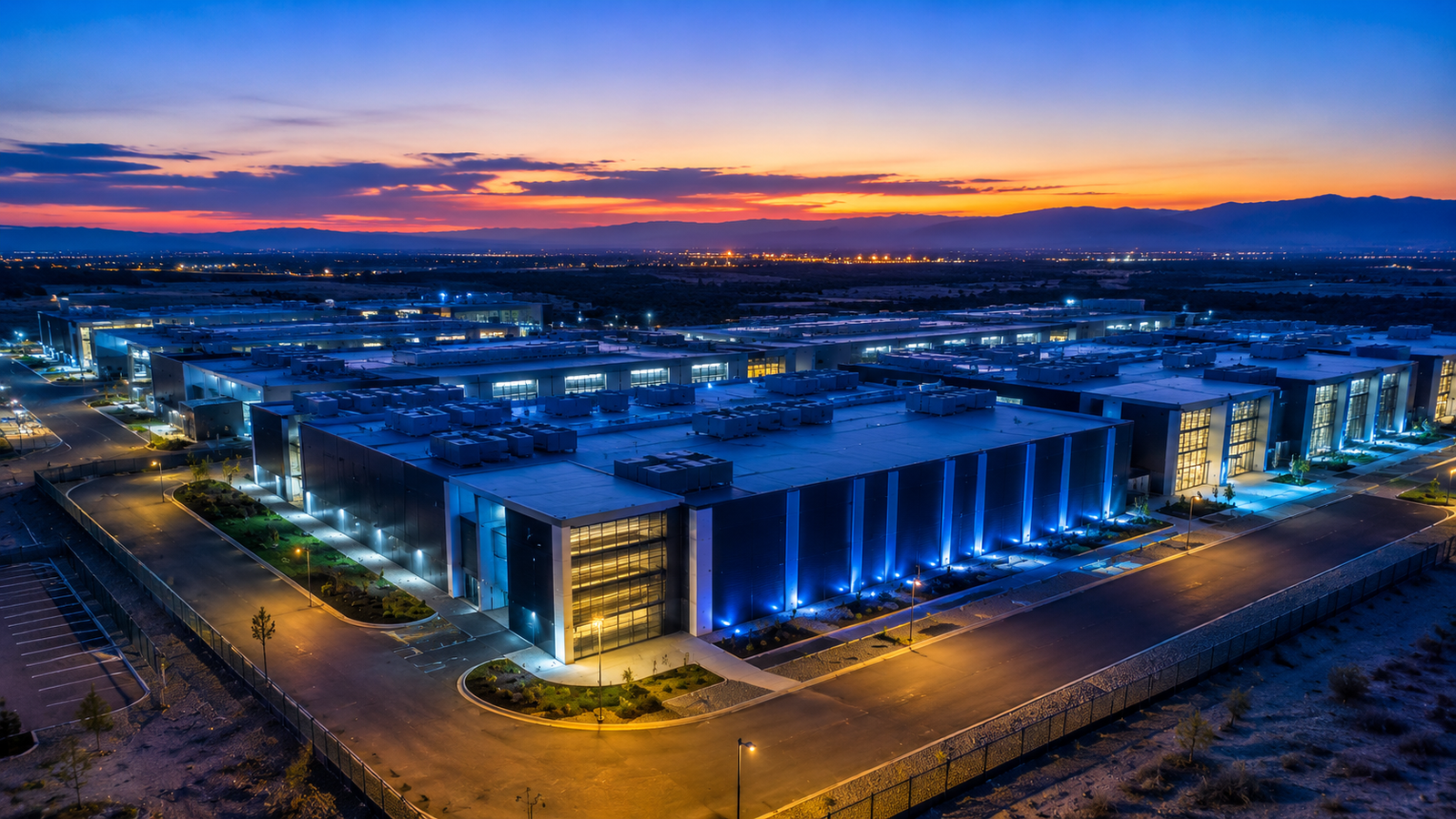
Nebius announced a new data center site in Pennsylvania on Wednesday that will support 1.2GW of power at full buildout. The company now expects to hold more than 4GW of contracted power by year-end, up from a prior forecast of more than 3GW. The Pennsylvania site will, in turn, contribute to that contracted total once energised.
The results also follow Nebius’s acquisition of AI inference startup Eigen AI for approximately $643 million, announced in May. The deal strengthens Nebius’s managed inference offering through its Token Factory platform. Nebius has been building out a full-stack AI cloud approach rather than competing purely on raw GPU capacity. As we have covered in our analysis of how the neocloud margin problem is getting harder to ignore, the neoclouds best positioned to survive margin pressure are those that move beyond GPU rental. Managed services and contracted enterprise workloads are, specifically, where the durable margin sits. The Eigen AI acquisition is, specifically, a move in that direction.
What the Revenue Trajectory Reflects About Nebius’s Position
The revenue growth is, in large part, a function of the anchor deals Nebius has secured. A long-term agreement with Meta to provide up to $27 billion in computing capacity over five years has provided a contracted revenue base that most neoclouds lack. A separate relationship with Microsoft adds further anchor volume. Nvidia also invested $2 billion in Nebius in March as part of a strategic partnership covering AI factory design, fleet management, and inference infrastructure. That relationship gives Nebius early access to Nvidia’s next-generation GPU architectures and a co-development agreement on hyperscale AI factory design.
Analysts flagged margin pressure despite the revenue growth, pointing to the pace of capital deployment as a structural concern. Nebius is funding expansion through asset-backed financing and corporate debt rather than dilutive equity raises. That approach carries lower dilution risk. It does, however, leave Nebius more exposed if AI infrastructure demand softens before its capacity reaches full utilisation. As we have covered in our analysis of the neocloud business model, the capital structure choices neoclouds make in this phase will, in turn, define their financial flexibility when the buildout cycle moderates.