
A sustainability executive at a major technology company recently described a recurring pattern inside quarterly planning meetings. Product leaders arrived with aggressive deployment timelines for generative AI systems, infrastructure teams pushed for additional compute capacity, and finance departments focused on maintaining competitive momentum against rivals. Sustainability officers entered the same discussions carrying a different set of concerns involving electricity procurement, cooling systems, emissions disclosures, water availability, and regulatory exposure. The conflict no longer looked theoretical because AI infrastructure had already started changing operational realities across power systems and corporate climate strategies. Many organizations now face a structural tension between rapid AI growth and environmental accountability that existing governance frameworks never anticipated.
Conversations around sustainability inside large organizations once revolved around supply chains, renewable procurement, packaging reductions, or fleet modernization. AI expansion introduced a more immediate operational challenge because computational infrastructure consumes enormous amounts of electricity, cooling capacity, and physical resources across concentrated geographic regions. Sustainability leaders increasingly find themselves responding to internal AI growth targets that move far faster than decarbonization roadmaps were originally designed to support. Executive pressure around AI adoption has also compressed timelines that climate teams previously used for phased environmental planning and risk management. The result has created a new type of climate anxiety inside boardrooms where innovation ambition and environmental commitments now compete for operational priority. Public sustainability commitments once carried enough flexibility for corporations to present gradual progress while maintaining long-term targets. AI infrastructure growth disrupted that rhythm because hyperscale compute systems demand immediate power availability, constant uptime, high-density cooling, and rapid facility expansion.
AI Targets, ESG Headaches
Several sustainability leaders and infrastructure analysts have described AI deployment discussions as increasingly shaped by environmental tradeoffs rather than solely coordinated innovation planning. Infrastructure teams often prioritize computational scaling because executives fear losing competitive positioning in rapidly evolving AI markets. Climate officers meanwhile must assess whether existing renewable energy agreements, carbon accounting systems, and operational disclosures can realistically absorb new AI workloads without damaging previously announced ESG commitments. Internal discussions have therefore become more defensive because sustainability teams now spend significant time evaluating the environmental consequences of infrastructure acceleration. Strategic planning sessions that once focused on gradual emissions reduction increasingly revolve around managing the environmental side effects of AI deployment urgency. This shift has changed the role of sustainability leadership from long-term climate coordination toward real-time operational negotiation.
Boardroom tension has intensified because many organizations built ESG roadmaps during periods when enterprise computing growth followed more predictable operational patterns. Generative AI systems disrupted those assumptions by introducing infrastructure requirements that expand electricity consumption, cooling complexity, and physical compute density far faster than previous enterprise technologies. Sustainability teams therefore struggle to maintain credibility around climate targets while internal AI divisions continue requesting additional data center capacity and accelerated deployment schedules. IInvestor scrutiny compounds the pressure because shareholders and governance analysts have raised questions regarding whether organizations can sustain rapid AI expansion alongside credible environmental commitments. Many sustainability officers now face the uncomfortable responsibility of explaining operational contradictions that they did not originally create. This growing disconnect has transformed ESG governance into a frontline operational concern rather than a reporting exercise conducted after deployment decisions occur.
Investor scrutiny is reshaping how ESG credibility gets evaluated
Financial analysts and governance observers now place greater attention on operational consistency alongside broader environmental branding when evaluating sustainability credibility. AI expansion has complicated that evaluation because infrastructure growth often introduces environmental tradeoffs that remain difficult to reconcile with previously announced climate targets. Sustainability leaders therefore face growing pressure to explain whether renewable procurement strategies, emissions reduction pathways, and climate disclosures still reflect operational reality after AI deployment expands significantly. Shareholders no longer focus exclusively on high-level sustainability messaging because AI infrastructure now creates measurable operational impacts across power systems, cooling infrastructure, and resource management. Environmental accountability consequently moved closer to infrastructure decision-making than many organizations originally expected. This shift has increased the political sensitivity of AI deployment inside executive leadership meetings where environmental credibility now influences investor confidence and governance perceptions.
Some organizations and infrastructure operators have faced external criticism regarding the environmental implications associated with AI-driven infrastructure growth. Public discussions around water consumption, electricity demand, and emissions trajectories increasingly shape investor questions during earnings discussions and governance reviews. Sustainability leaders therefore operate within a more adversarial environment where environmental claims receive immediate scrutiny against infrastructure realities tied to AI scaling. Internal governance processes also face pressure because environmental disclosures frequently lag behind the operational pace of AI deployment decisions. Climate officers now spend considerable time reconciling infrastructure expansion with disclosure obligations that regulators and investors expect organizations to maintain accurately. The broader consequence involves a growing realization that ESG credibility depends less on aspirational language and more on transparent operational accountability around AI infrastructure growth.
AI Growth Is Quietly Rewriting Sustainability Priorities
Corporate sustainability agendas increasingly reveal signs of operational reprioritization driven by AI infrastructure expansion. Renewable transition programs, building efficiency initiatives, and long-term climate modernization projects now compete directly against immediate demands for compute capacity, cooling systems, and energy procurement tied to AI deployment. Sustainability leaders often recognize the environmental consequences of this shift but possess limited influence over infrastructure acceleration driven by executive growth expectations. Internal resource allocation therefore changes quietly as organizations redirect operational focus toward supporting AI systems that executives consider strategically essential. Climate programs rarely disappear entirely, yet some organizations have adjusted sustainability planning timelines while expanding AI-related infrastructure capacity. This gradual reprioritization reflects how technological urgency can influence environmental decision-making across large organizations managing expanding AI infrastructure.
Operational sustainability once emphasized efficiency gains across facilities, transportation systems, and supply chains because those initiatives produced measurable environmental improvements without threatening growth objectives. AI expansion altered that balance because advanced computing infrastructure creates concentrated operational demands that efficiency strategies alone cannot fully offset. Sustainability officers increasingly confront situations where organizations continue discussing climate leadership publicly while simultaneously expanding energy-intensive AI operations internally. This contradiction has forced sustainability teams to reconsider how environmental leadership should function in a period where technological scaling often overrides incremental climate planning. Several organizations now frame sustainability less as emissions reduction and more as infrastructure risk management surrounding energy availability, cooling resilience, and regulatory exposure. The broader transition suggests that AI expansion is not merely adding environmental complexity but actively redefining what sustainability leadership means inside modern corporations.
Sustainability leadership now revolves around infrastructure tradeoffs
The language used inside sustainability meetings has changed significantly since AI infrastructure expansion accelerated across multiple industries. Conversations that previously centered on gradual decarbonization increasingly focus on power availability, regional grid constraints, cooling architecture, and operational continuity for AI systems. Sustainability leaders therefore spend more time evaluating tradeoffs between environmental goals and infrastructure requirements than developing traditional climate initiatives. Internal discussions frequently involve difficult questions regarding whether organizations should prioritize rapid AI deployment despite environmental consequences that remain unresolved. This operational tension reflects a broader shift where sustainability teams increasingly participate in infrastructure governance rather than isolated environmental reporting. Corporate climate strategy consequently becomes inseparable from AI infrastructure planning because both functions now influence the same operational systems.
Several sustainability and infrastructure observers have noted growing concern regarding the pace at which AI deployment decisions can outmove environmental review processes. Infrastructure teams often move quickly because market competition rewards deployment speed and operational scale. Climate assessments meanwhile require detailed analysis involving electricity sourcing, emissions accounting, regional environmental impacts, and disclosure implications. Sustainability teams therefore struggle to maintain governance discipline while organizations accelerate AI implementation timelines across multiple business divisions. This imbalance has gradually shifted sustainability leadership toward reactive oversight rather than proactive environmental planning. The resulting climate anxiety inside executive discussions stems partly from the recognition that organizations now make infrastructure decisions faster than environmental governance systems can adequately evaluate them.
Sustainability Teams Are Becoming AI Auditors
Sustainability officers once focused primarily on emissions reporting, supplier accountability, renewable procurement, and climate disclosure frameworks that operated separately from core technology planning. AI infrastructure growth changed those boundaries because environmental consequences now emerge directly from deployment architecture, training workloads, cooling systems, and hardware utilization strategies. Sustainability teams in some organizations now participate more directly in conversations involving data center design, compute allocation, and regional energy sourcing tied to AI operations. Internal governance structures have evolved accordingly as climate officers review infrastructure proposals that previously remained exclusive to engineering and operations divisions. This transition effectively turned sustainability departments into operational auditors responsible for evaluating how AI expansion affects environmental commitments in real time. The role now extends beyond reporting because environmental accountability increasingly depends on technical understanding of how AI systems consume resources across infrastructure layers.
Environmental governance increasingly requires sustainability teams to analyze operational variables that traditional ESG frameworks rarely addressed in detail. AI systems demand continuous compute availability, intensive cooling support, stable electricity supply, and hardware refresh cycles that collectively reshape infrastructure planning assumptions. Sustainability officers therefore assess whether proposed AI deployments align with renewable sourcing capabilities, regional water conditions, and emissions disclosure obligations before organizations finalize implementation decisions. Technical literacy has become essential because sustainability leaders must understand how model training patterns, workload distribution, and compute density influence environmental exposure across facilities. Some organizations have consequently expanded sustainability functions into interdisciplinary governance teams that include infrastructure planners, legal advisors, and engineering specialists. This operational evolution reflects how AI infrastructure transformed sustainability leadership from a reporting discipline into a direct participant in enterprise technology governance.
ESG accountability increasingly depends on technical transparency
Organizations increasingly recognize that sustainability disclosures cannot remain credible if environmental reporting lacks visibility into AI infrastructure operations. Many ESG frameworks were originally designed around conventional enterprise activities where environmental impacts followed relatively stable operational patterns. AI deployment disrupted those assumptions because compute-intensive systems introduce variable energy demand, complex cooling requirements, and geographically concentrated infrastructure pressures. Sustainability teams in several organizations now request greater operational transparency regarding workload scheduling, hardware utilization, and electricity sourcing practices associated with AI systems. Internal reporting processes increasingly require technical validation because investors and regulators expect organizations to explain how AI operations affect environmental commitments. Sustainability officers now operate as accountability intermediaries who translate infrastructure realities into governance disclosures that external stakeholders can evaluate meaningfully.
This growing emphasis on technical transparency has also exposed weaknesses in how organizations historically approached sustainability reporting. Environmental metrics often focused on broad operational averages that failed to capture the concentrated resource demands associated with AI infrastructure growth. Sustainability teams now push for more granular disclosures involving electricity consumption patterns, cooling efficiency, hardware lifecycle management, and regional environmental dependencies connected directly to AI operations. Executive leadership increasingly understands that vague environmental claims no longer satisfy stakeholders who expect measurable accountability regarding infrastructure expansion. Several sustainability officers have consequently adopted oversight roles resembling internal compliance auditors who evaluate whether operational decisions align with public climate commitments. This shift has elevated sustainability governance from symbolic corporate messaging into a technically grounded function tied directly to infrastructure accountability.
Climate Goals Are Colliding With AI Timelines
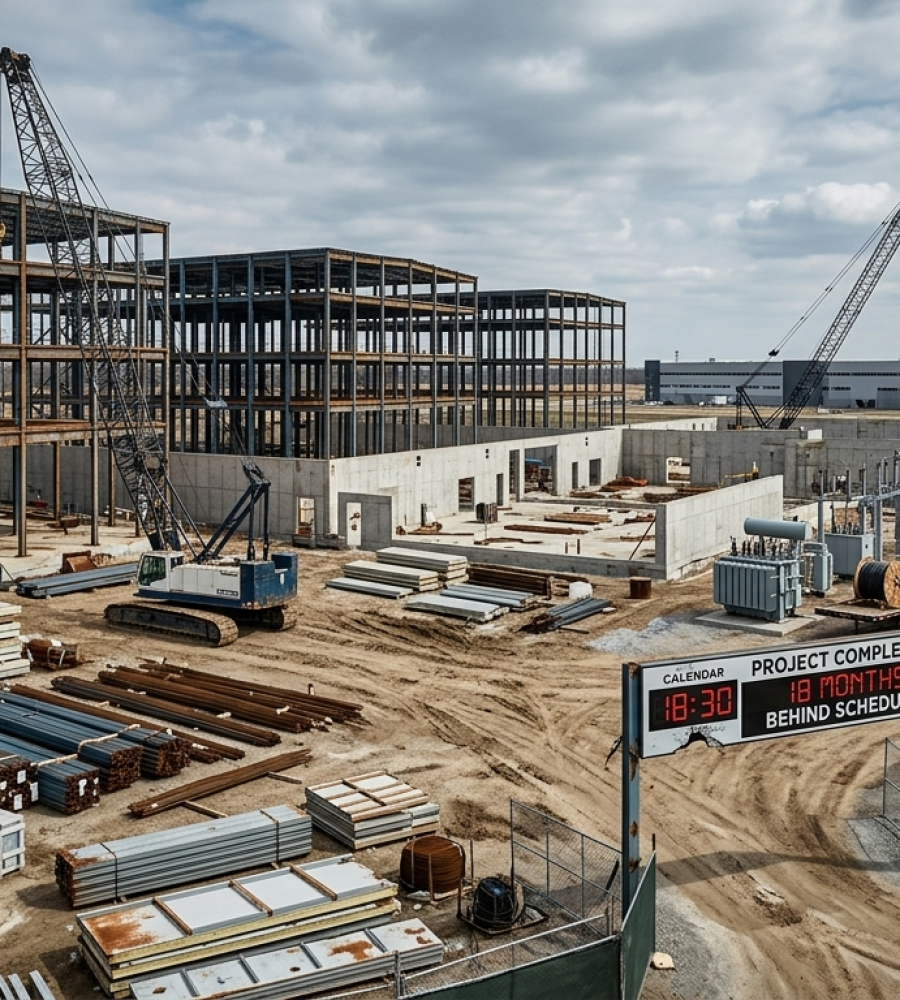
Corporate climate roadmaps traditionally followed long implementation cycles involving phased infrastructure upgrades, renewable procurement agreements, facility modernization, and operational efficiency programs extending across multiple years. AI expansion disrupted those timelines because organizations suddenly required massive computational capacity within compressed deployment windows driven by competitive pressure and market expectations. Sustainability leaders therefore face increasing difficulty aligning long-term decarbonization strategies with infrastructure growth schedules that prioritize immediate scalability over gradual environmental optimization. Executive leadership teams in several sectors continue prioritizing rapid AI deployment while infrastructure planners evaluate grid readiness, electricity sourcing, and cooling resilience across target regions. Climate officers consequently operate within planning cycles that no longer match the operational speed of technology expansion. This growing mismatch between AI acceleration and sustainability pacing now shapes many of the most difficult governance conversations occurring inside large organizations.
The operational conflict becomes especially visible when sustainability teams attempt to reconcile emissions reduction targets with expanding AI infrastructure footprints. Renewable energy procurement strategies often require extensive planning, regulatory coordination, and grid integration timelines that cannot immediately satisfy sudden increases in computational demand. Organizations therefore encounter situations where AI deployment schedules advance more rapidly than supporting clean energy infrastructure becomes available. Sustainability officers recognize the long-term environmental implications of these gaps because temporary reliance on conventional energy sources can complicate emissions trajectories and disclosure obligations. Infrastructure planners meanwhile continue prioritizing deployment momentum because delaying AI expansion may create competitive disadvantages within fast-moving technology markets. This tension reflects a broader structural problem where environmental transition systems operate on slower timelines than AI-driven infrastructure growth.
AI urgency is disrupting corporate sustainability pacing
Several sustainability leaders and governance analysts have noted increasing strain on traditional environmental planning cycles as AI infrastructure timelines accelerate. Climate initiatives historically progressed through carefully staged implementation phases supported by annual reviews, supplier coordination, and gradual operational integration. AI deployment urgency introduced a different operational culture centered on rapid experimentation, aggressive scaling, and compressed infrastructure timelines. Sustainability teams consequently struggle to maintain governance continuity because environmental review processes cannot always keep pace with evolving AI infrastructure decisions. Several organizations now experience internal friction between engineering teams seeking deployment flexibility and sustainability divisions requesting additional environmental assessment before expansion proceeds. The resulting governance strain reflects how AI acceleration increasingly overrides the measured pacing that climate strategies traditionally depended upon.
Boardroom anxiety surrounding these issues continues increasing because executives understand that climate commitments remain highly visible to investors, regulators, employees, and local communities. AI infrastructure growth therefore creates reputational exposure when operational realities appear inconsistent with environmental messaging that organizations previously promoted publicly. Sustainability leaders increasingly warn that climate governance cannot function effectively if deployment schedules consistently bypass environmental planning disciplines. Technology executives meanwhile argue that delayed AI expansion may weaken innovation positioning and long-term competitiveness. This disagreement has created a strategic divide where organizations must decide whether sustainability governance should shape AI growth or merely adapt after infrastructure decisions already occur. The broader consequence involves a growing realization that climate accountability cannot survive indefinitely as a secondary consideration within accelerated AI deployment strategies.
The ESG Report No Longer Tells the Full Story
Environmental reporting frameworks were originally designed around operational models where resource consumption followed relatively stable and predictable patterns across facilities, logistics systems, and industrial processes. AI infrastructure expansion complicated those assumptions because advanced compute systems generate fluctuating energy demand, evolving cooling requirements, and concentrated environmental impacts that standard ESG metrics often struggle to represent accurately. Sustainability teams increasingly acknowledge that traditional reporting structures provide only partial visibility into the real operational consequences associated with large-scale AI deployment. Investors and regulators therefore question whether corporate sustainability disclosures adequately reflect the environmental realities of accelerated computational growth. Internal governance discussions now focus heavily on improving transparency around infrastructure operations rather than relying exclusively on broad environmental summaries. This shift has exposed growing concern that ESG reports may no longer capture the full environmental story behind AI-driven operational expansion.
Many organizations still publish sustainability disclosures using methodologies developed before generative AI workloads transformed infrastructure requirements across the technology sector. Existing reporting systems frequently emphasize annual emissions summaries, renewable sourcing percentages, and operational efficiency indicators that fail to illustrate how AI deployment reshapes infrastructure behavior in real time. Sustainability officers increasingly recognize that stakeholders now expect more granular visibility into energy sourcing practices, compute-related emissions exposure, cooling dependencies, and environmental tradeoffs associated with AI scaling decisions. Public and regulatory scrutiny has consequently expanded around whether organizations disclose sufficient operational detail to support environmental claims credibly. Climate governance teams therefore push for updated reporting models capable of tracking AI-specific infrastructure impacts with greater technical precision. The broader reporting challenge involves translating highly complex infrastructure operations into sustainability disclosures that remain transparent, verifiable, and operationally meaningful.
AI operations are exposing hidden gaps in climate accountability
AI infrastructure growth has revealed several operational blind spots within existing sustainability governance systems. Environmental disclosures often aggregate data across entire organizations, which can obscure the concentrated impact of high-density compute facilities operating within specific geographic regions. Sustainability teams therefore struggle to communicate accurately how AI workloads influence local electricity demand, water consumption pressures, and emissions exposure tied to regional infrastructure limitations. Governance analysts and environmental observers have raised concerns that broad sustainability narratives may overlook operational complexities that directly affect environmental outcomes. Internal governance reviews consequently focus more heavily on localized infrastructure analysis and workload transparency connected to AI deployment. This evolution signals a broader recognition that environmental accountability requires deeper operational granularity than traditional ESG frameworks historically provided.
Organizations also face growing pressure to explain how AI efficiency claims relate to overall environmental performance rather than isolated operational improvements. Engineering teams frequently highlight hardware optimization, cooling advances, and workload efficiencies associated with newer AI systems. Sustainability officers meanwhile warn that efficiency gains alone do not automatically reduce environmental impact when total infrastructure expansion continues accelerating simultaneously. This distinction has become increasingly important because stakeholders now evaluate sustainability claims against cumulative operational growth rather than isolated technical achievements. ESG disclosures therefore face rising expectations around contextual transparency regarding how efficiency improvements interact with broader infrastructure scaling patterns. The emerging governance challenge involves proving that environmental progress reflects meaningful operational accountability instead of selective reporting around isolated efficiency metrics.
AI Expansion Is Creating a New Trust Gap
Corporate sustainability messaging once relied heavily on long-term commitments that stakeholders accepted as evidence of environmental responsibility. AI infrastructure growth changed those expectations because employees, investors, and regulators now seek direct operational proof that technological expansion does not quietly undermine climate promises. Sustainability officers increasingly encounter questions regarding electricity sourcing, infrastructure siting decisions, cooling systems, and emissions exposure linked specifically to AI deployment. Public stakeholders increasingly evaluate environmental governance alongside infrastructure strategy because both influence the credibility of corporate climate narratives. Internal pressure has therefore intensified around producing measurable accountability instead of relying on aspirational sustainability language. This emerging trust gap reflects growing concern that organizations may prioritize AI competitiveness while treating environmental commitments as secondary obligations.
Employee discussions around sustainability governance increasingly reflect broader concerns regarding whether organizations apply environmental accountability consistently across technological growth strategies. AI deployment therefore influences internal trust because workers expect leadership teams to demonstrate transparency regarding infrastructure decisions and environmental tradeoffs associated with computational scaling. Sustainability leaders frequently operate at the center of these concerns because employees often perceive climate teams as internal advocates for operational accountability. Questions surrounding water availability, regional grid pressure, and energy sourcing increasingly appear within internal communications and workforce discussions tied to AI expansion plans. Executive leadership consequently faces growing pressure to align infrastructure strategy with environmental commitments in ways that employees consider operationally credible. This dynamic has transformed sustainability governance into an important factor influencing organizational trust and internal cultural legitimacy.
Regulators are paying closer attention to AI-related sustainability claims
Regulatory scrutiny surrounding environmental disclosures has expanded as AI infrastructure growth introduces new questions regarding operational transparency and climate accountability. Sustainability teams increasingly anticipate stricter expectations around reporting frameworks that address energy consumption, emissions exposure, infrastructure resilience, and environmental impacts associated with AI systems. Regulators now recognize that traditional ESG disclosures may not adequately capture the operational realities of large-scale computational infrastructure. Organizations therefore face growing pressure to provide more technically detailed reporting regarding how AI expansion affects environmental commitments and infrastructure planning decisions. Sustainability officers increasingly collaborate with legal and compliance divisions because AI-related climate disclosures now carry elevated governance risk. This evolving regulatory environment contributes significantly to the climate anxiety developing inside executive leadership discussions.
The trust gap also reflects broader skepticism regarding whether current governance systems can realistically oversee AI expansion at the pace now unfolding across multiple industries. Stakeholders increasingly question whether environmental review processes possess sufficient authority to influence infrastructure decisions before deployment commitments become operationally irreversible. Sustainability leaders often acknowledge privately that governance structures remain underdeveloped relative to the scale and speed of AI infrastructure acceleration. Some organizations consequently attempt to strengthen oversight through cross-functional governance committees involving engineering, legal, finance, and sustainability leadership. These efforts signal growing recognition that environmental accountability requires operational integration rather than isolated ESG reporting after deployment occurs. The broader governance challenge now involves rebuilding stakeholder confidence that AI growth can proceed without weakening corporate sustainability credibility.
Efficiency Is No Longer Enough
Technology organizations spent years presenting efficiency improvements as evidence that innovation and sustainability could advance together without major structural conflict. AI infrastructure growth complicated that narrative because operational optimization alone no longer guarantees meaningful environmental progress when total computational demand continues expanding rapidly. Sustainability leaders increasingly argue that efficiency metrics provide only partial insight into the environmental consequences associated with large-scale AI deployment. Engineering teams may reduce energy consumption per workload while overall infrastructure growth simultaneously increases cumulative resource demand across facilities and regional grids. Corporate governance discussions therefore increasingly focus on broader operational accountability rather than isolated efficiency achievements. This shift marks an important transition away from sustainability frameworks that treated optimization as the primary solution to environmental pressure.
Many sustainability officers now emphasize that responsible AI governance requires organizations to evaluate the necessity, timing, and scale of infrastructure expansion instead of focusing exclusively on operational efficiency gains. Internal discussions increasingly include questions regarding workload prioritization, deployment discipline, and whether every proposed AI initiative justifies its environmental footprint. These conversations often create tension because innovation teams typically frame computational scaling as strategically essential within competitive technology markets. Sustainability divisions meanwhile argue that environmental governance loses credibility when organizations treat unlimited infrastructure growth as operationally inevitable. Several governance discussions now include questions regarding whether sustainability strategy may require stronger operational discipline alongside efficiency improvements. This emerging debate represents a major philosophical shift within how organizations approach AI governance and environmental accountability simultaneously.
Responsible AI governance increasingly requires deployment discipline
Sustainability leaders increasingly advocate for governance models that evaluate AI deployment through broader environmental and operational risk frameworks instead of narrow performance indicators alone. Infrastructure decisions now influence electricity systems, regional water availability, emissions disclosures, and long-term climate commitments across interconnected operational networks. Governance discussions therefore increasingly revolve around whether organizations possess adequate oversight mechanisms to evaluate these cumulative environmental consequences before deployment accelerates further. Sustainability teams often support stronger accountability structures involving deployment reviews, infrastructure transparency requirements, and environmental risk assessments integrated directly into AI planning processes. Executive leadership groups meanwhile face pressure to balance these governance demands against commercial expectations surrounding rapid AI adoption and innovation speed. This operational tension reflects a growing understanding that responsible AI requires disciplined infrastructure governance rather than unrestricted technological acceleration.
The broader sustainability debate increasingly centers on whether organizations can maintain environmental credibility while treating AI growth as an unlimited operational priority. Sustainability officers frequently caution that climate governance frameworks cannot function effectively if environmental review processes always remain subordinate to deployment urgency. Infrastructure expansion tied to AI systems therefore forces organizations to reconsider how operational discipline should shape technological ambition moving forward. Several executive teams now acknowledge privately that sustainability governance must evolve beyond efficiency narratives toward more direct oversight regarding infrastructure scale and resource allocation. This recognition does not necessarily imply abandoning AI innovation, yet it does challenge assumptions that optimization alone can resolve every environmental consequence associated with accelerated computational growth. The resulting governance debate will likely shape how organizations define responsible technological leadership throughout the next phase of AI infrastructure expansion.
The Sustainability Pressure Inside Executive Meetings
Executive meetings involving AI strategy increasingly include operational disagreements regarding infrastructure growth, sustainability oversight, and deployment pacing. Technology executives often frame accelerated AI deployment as essential for competitiveness, product development, and long-term market positioning. Sustainability officers meanwhile raise concerns regarding electricity procurement, infrastructure expansion, cooling demands, emissions exposure, and environmental disclosure obligations linked directly to proposed deployment schedules. These conversations rarely become public because organizations generally prefer presenting unified narratives around both innovation and sustainability goals. Internal tensions nevertheless continue intensifying as infrastructure decisions move faster than climate governance systems can comfortably absorb. The resulting pressure has created a boardroom environment where environmental accountability and technological ambition increasingly compete for executive attention.
Sustainability leaders and governance observers have described these discussions as operationally difficult because climate teams often evaluate risks tied to infrastructure acceleration and environmental oversight. AI infrastructure proposals typically arrive attached to aggressive deployment expectations, financial forecasts, and competitive urgency that make environmental objections politically difficult inside executive settings. Climate officers therefore navigate a challenging balance between maintaining governance credibility and avoiding perceptions that sustainability oversight obstructs innovation momentum. Several organizations now involve sustainability teams earlier in infrastructure planning to reduce conflict during final deployment approvals. Even with greater collaboration, significant friction persists because AI growth targets frequently exceed the operational pace at which environmental safeguards can realistically scale. This tension has gradually transformed sustainability leadership into one of the most politically sensitive functions within technology governance discussions.
Climate anxiety inside boardrooms reflects operational uncertainty
The growing anxiety surrounding AI infrastructure and sustainability commitments reflects deeper uncertainty regarding how organizations should govern technological growth under environmental constraints. Executive teams increasingly understand that AI systems depend on physical infrastructure with significant operational consequences involving power systems, cooling capacity, land development, and resource management. Sustainability officers therefore raise questions that extend beyond emissions accounting toward broader concerns involving infrastructure resilience and long-term environmental sustainability. Many organizations continue developing governance frameworks capable of balancing competing operational priorities tied to AI expansion and environmental accountability. Leadership discussions consequently involve increasing ambiguity because executives recognize both the strategic importance of AI expansion and the environmental risks associated with uncontrolled infrastructure acceleration. This uncertainty now shapes many boardroom conversations where sustainability leaders attempt to define realistic operational boundaries for AI growth.
Several sustainability leaders and governance analysts have expressed concern that some organizations still approach environmental governance primarily through communications frameworks instead of infrastructure-level operational planning. AI deployment discussions frequently prioritize deployment speed and market opportunity while environmental reviews occur later within the planning cycle. Sustainability teams argue that this sequencing weakens governance effectiveness because infrastructure decisions become increasingly difficult to reverse after major operational commitments already occur. Executive leadership groups nevertheless remain reluctant to introduce processes perceived as slowing innovation during periods of intense AI competition. This governance imbalance contributes directly to the climate anxiety emerging inside boardrooms because organizations increasingly recognize that environmental accountability cannot function effectively through reactive oversight alone. The broader challenge now involves determining whether sustainability governance will shape AI expansion proactively or simply document its consequences afterward.
Green Promises Are Entering Their AI Stress Test
Corporate climate commitments once benefited from relatively stable operational assumptions involving predictable technology growth, manageable infrastructure expansion, and gradual energy transition planning. AI deployment disrupted those assumptions because computational scaling now demands infrastructure growth at a pace many sustainability frameworks never anticipated. Organizations therefore face increasing pressure to prove that environmental commitments remain operationally credible under conditions of accelerated AI expansion. Sustainability leaders increasingly warn that broad climate pledges will lose legitimacy if organizations cannot demonstrate how infrastructure growth aligns with long-term decarbonization strategies. Investors and regulators now evaluate environmental promises through the lens of AI-related operational realities rather than aspirational branding campaigns. This shift has effectively transformed AI expansion into a large-scale stress test for corporate sustainability governance.
Many organizations originally developed sustainability roadmaps during periods when environmental goals could coexist relatively comfortably with digital transformation strategies that consumed moderate infrastructure resources. Generative AI systems introduced fundamentally different operational dynamics because training and inference workloads require concentrated compute capacity, advanced cooling systems, and substantial electricity availability across interconnected facilities. Sustainability officers consequently struggle to reconcile historical climate assumptions with present infrastructure realities tied directly to AI deployment. Several leadership teams now recognize privately that environmental targets drafted before the current AI acceleration may require reassessment under changing operational conditions. Public stakeholders meanwhile increasingly expect organizations to explain transparently whether climate commitments remain achievable amid expanding computational demand. The broader governance challenge now involves determining whether sustainability promises were built to withstand real-world technological scaling pressures.
The Future Needs Responsible Intelligence
The broader significance of this moment extends beyond individual corporations because AI infrastructure growth increasingly influences electricity systems, industrial planning, regional development strategies, and long-term climate trajectories across interconnected economies. Sustainability governance therefore cannot remain confined to isolated ESG departments operating separately from core infrastructure decision-making processes. Organizations will need stronger coordination between engineering teams, climate officers, infrastructure planners, finance divisions, and executive leadership to manage AI expansion responsibly under rising environmental scrutiny. Several sustainability leaders already describe the current period as an inflection point where organizations must decide whether governance frameworks will actively shape technological growth or simply react after environmental consequences emerge publicly. The pressure developing inside executive meetings consequently reflects a larger transition toward more accountable forms of technological leadership grounded in operational realism rather than unrestricted expansion narratives.