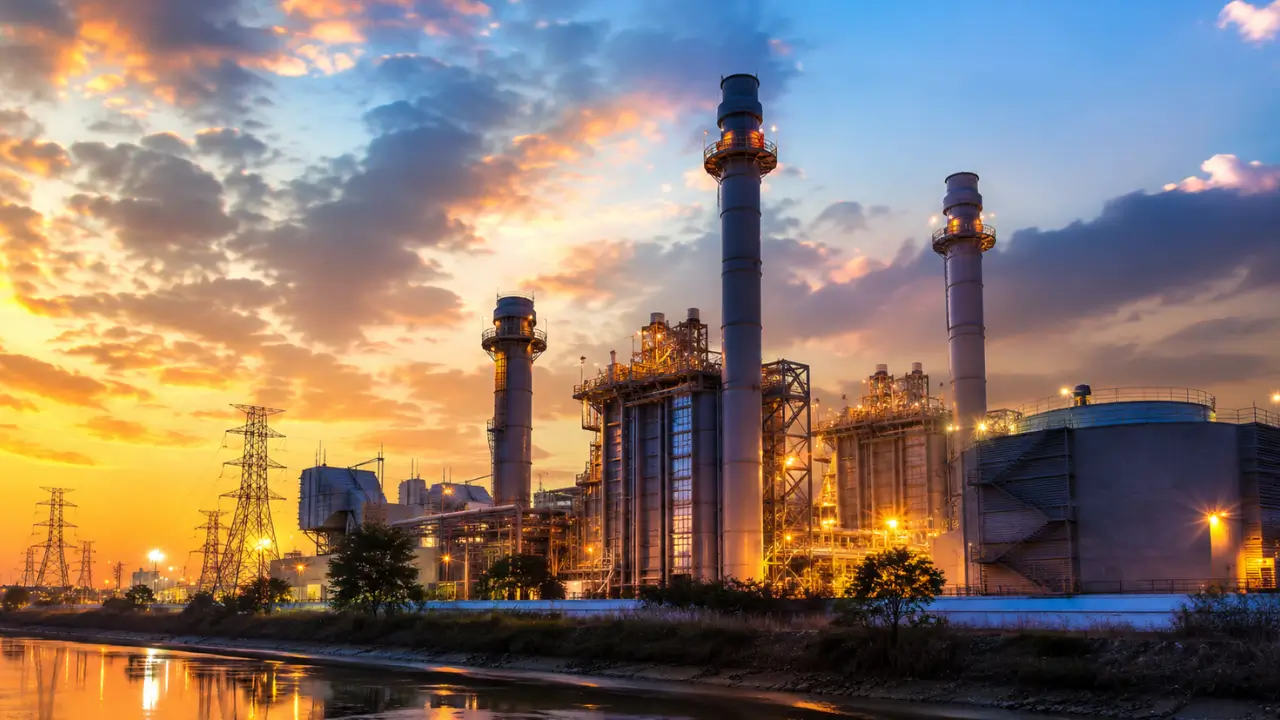
Iraq is preparing for another summer of extreme electricity demand, but this time the country’s energy planners are entering the season with a stronger infrastructure outlook. Shanghai Electric confirmed that a new wave of gas-fired generation projects will begin operations during summer 2026, adding more than 1,200 MW to the national power grid. The expansion marks one of the most significant near-term capacity additions for Iraq’s energy sector in recent years. It also reinforces Baghdad’s growing reliance on large-scale international infrastructure partnerships to stabilize power delivery.
The company’s immediate priority centers on completing active gas power developments already under construction across Iraq. Ahmed Abdel-Latif Al-Amin, Regional Director at Shanghai Electric’s SUS Environment division, said the current portfolio alone will contribute nearly 1,000 MW to the grid during the upcoming summer period. Iraq’s electricity system faces severe seasonal pressure each year as cooling demand surges across major urban centers. New thermal generation capacity remains critical for reducing outages and maintaining industrial continuity.
Shanghai Electric is also advancing rehabilitation work at two strategically important facilities: the Hartha and Wasit power stations. The Hartha site will contribute an additional 220 MW once upgrades conclude. Meanwhile, the Wasit power station is moving toward its full designed output capacity of 2,520 MW. These modernization efforts show how Iraq continues balancing new generation projects with upgrades to aging infrastructure assets already embedded in the national network.
Waste-to-Energy Projects Reshape Iraq’s Infrastructure Strategy
Beyond conventional power generation, Shanghai Electric is positioning itself at the center of Iraq’s emerging waste-to-energy market. The Nahrawan waste-to-energy project in Baghdad will move into active implementation phases by mid-2026, including equipment deployment and engineering execution. The facility plans to process nearly 5,000 tons of municipal waste every day while generating 110 MW of electricity for the national grid. Iraq has historically struggled with both waste management and electricity shortages, making the dual-purpose model strategically attractive for policymakers.
The Nahrawan facility could become a blueprint for broader infrastructure transformation across the country. Plans already include additional waste-to-energy developments in Basra, Nineveh, and a second location in Abu Ghraib. Consequently, Iraq’s leadership appears increasingly focused on infrastructure systems capable of solving multiple urban challenges simultaneously. Waste reduction, land-use efficiency, environmental management, and electricity generation now sit within the same investment framework.
Iraq’s Long-Term Energy Roadmap Extends Toward 2030
Shanghai Electric’s Iraq strategy stretches well beyond the current summer expansion cycle. Newly signed agreements are expected to deliver another 4,000 MW by the end of 2028, according to company projections. If completed on schedule, total generating capacity tied to Shanghai Electric projects could reach 5,000 MW by 2030. That scale would position the company among the most influential foreign infrastructure players operating inside Iraq’s energy sector.
The broader significance extends beyond simple capacity growth. Iraq is attempting to modernize its electricity system while reducing operational inefficiencies and environmental pressures that have burdened the country for decades. Furthermore, integrating waste-to-energy systems introduces a cleaner infrastructure layer into a grid still heavily dependent on fossil-fuel generation. For Baghdad, the combination of thermal reliability and environmental modernization may prove essential as population growth and industrial demand continue accelerating through the decade.