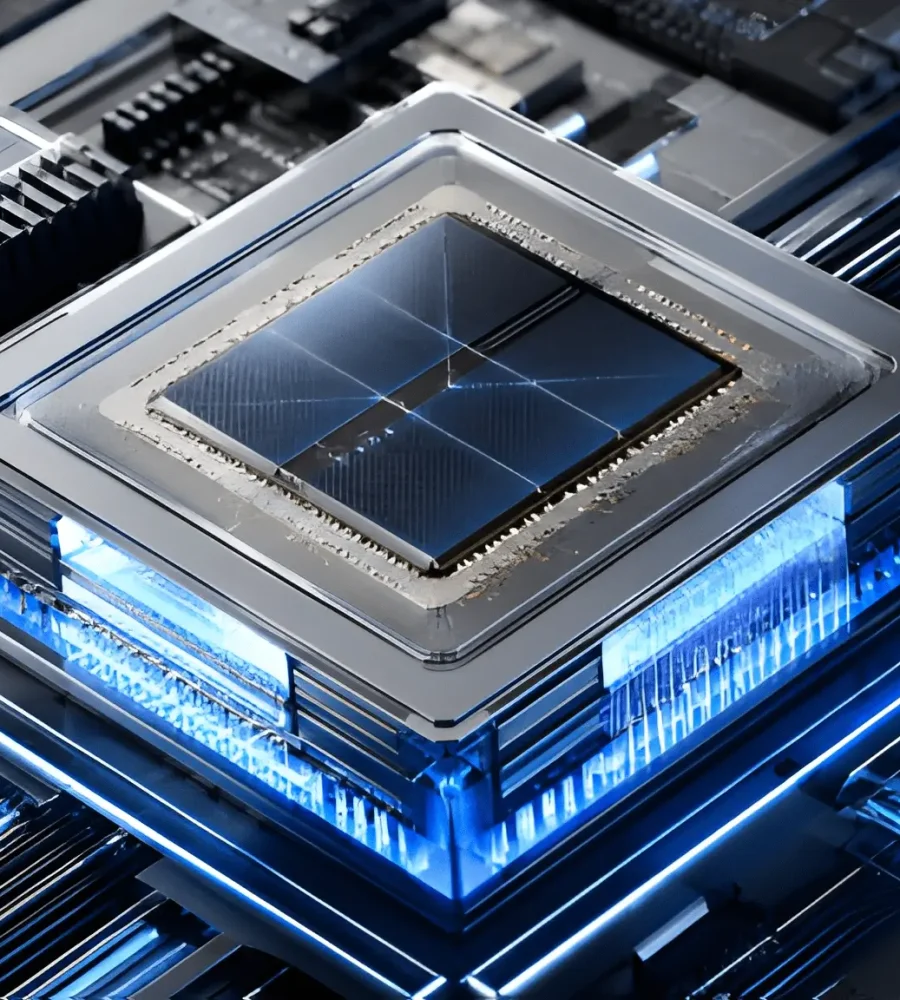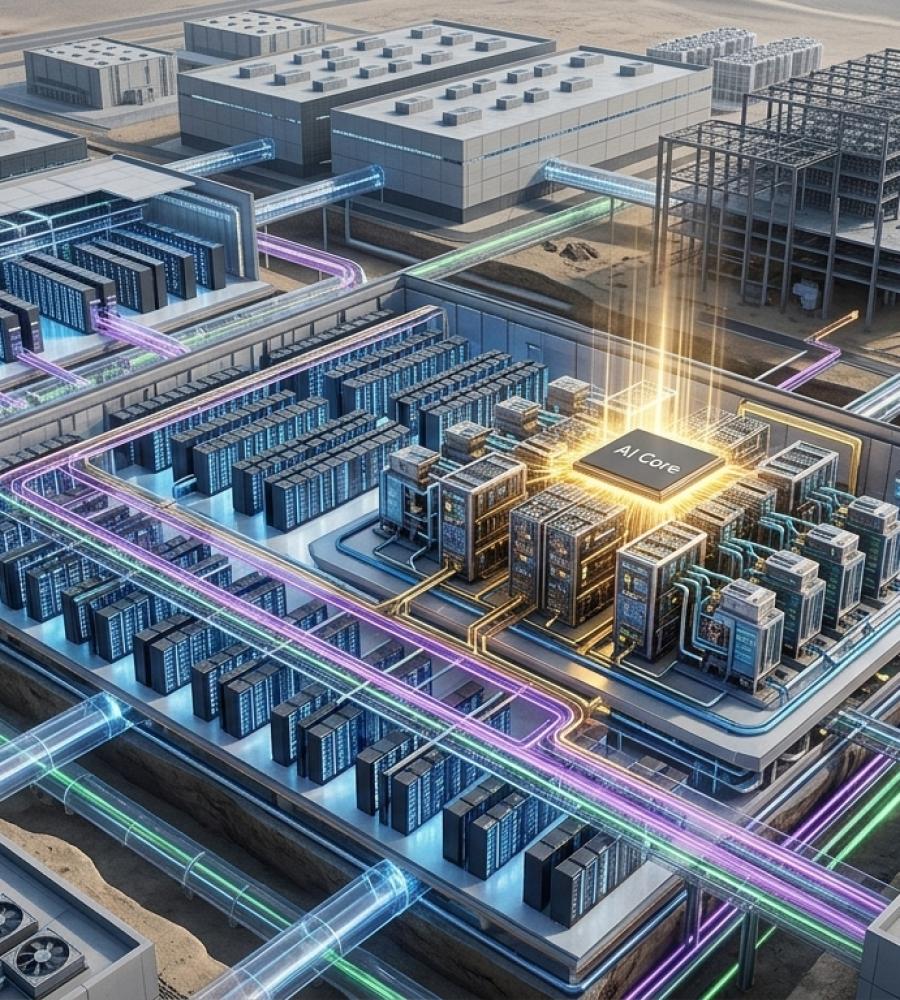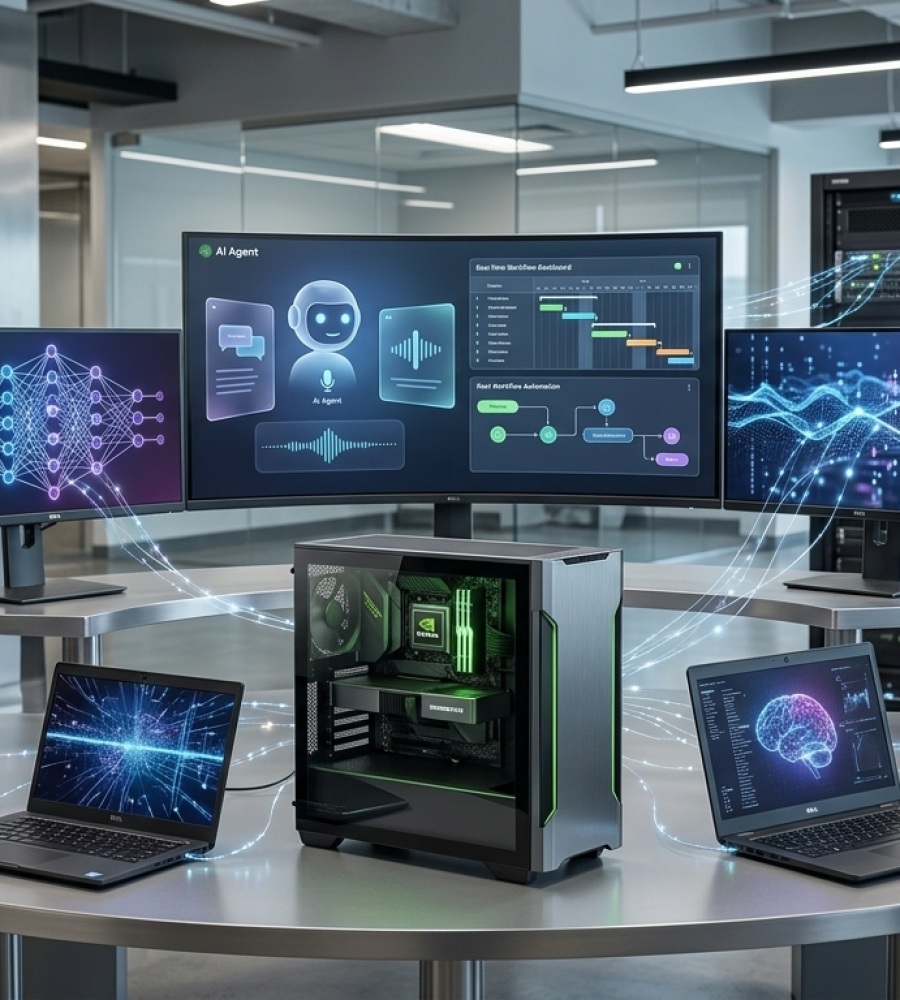
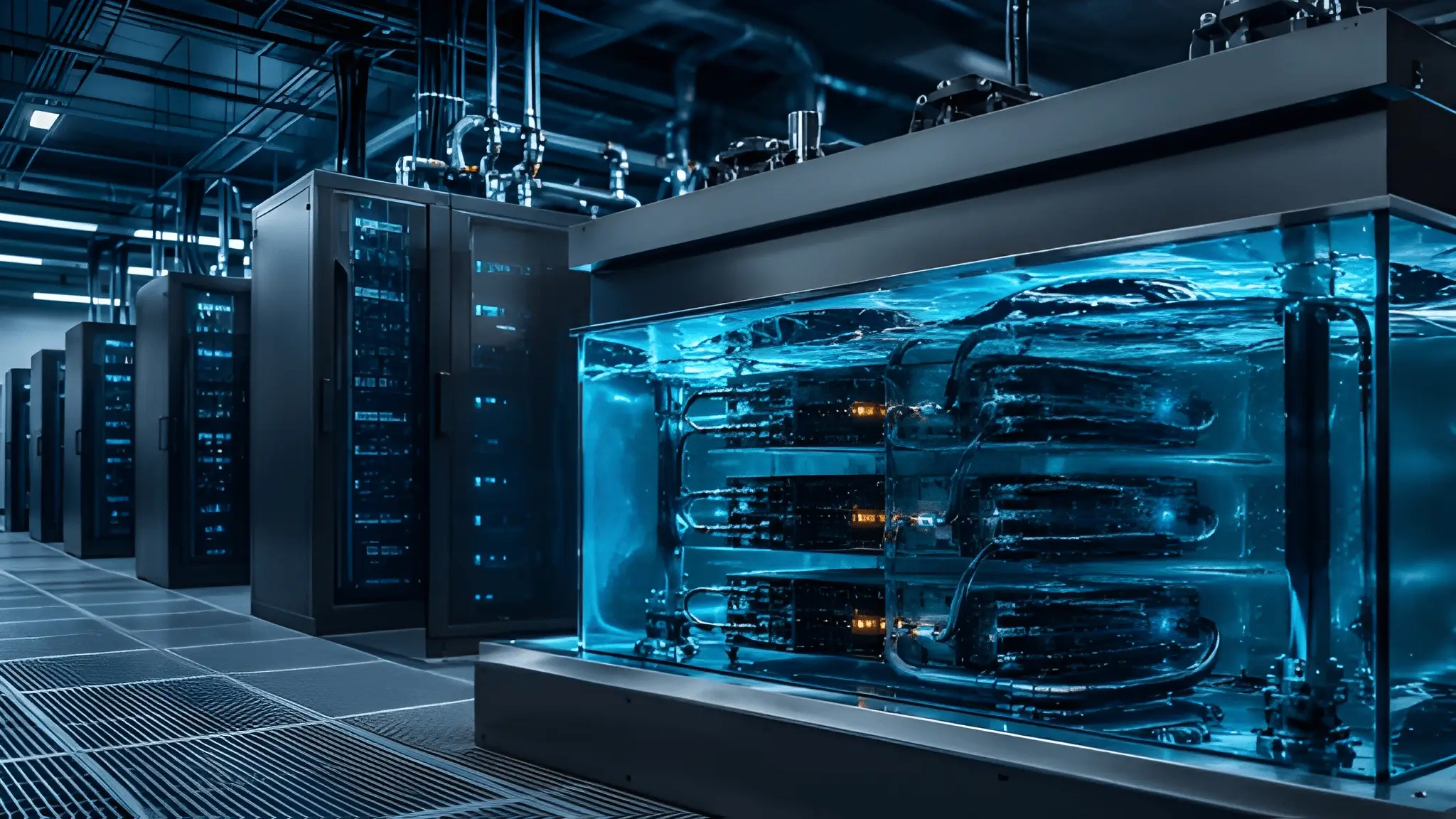
Modern computing hardware no longer struggles with performance first because thermal behavior now dictates how systems age, how operators maintain infrastructure, and how physical environments feel during daily operation. Traditional air cooling solved heat removal for decades, yet the method also introduced constant vibration, aggressive airflow patterns, uneven thermal pockets, and a level of acoustic intensity that many technical spaces quietly normalized over time. Liquid cooling entered the conversation as a thermal efficiency upgrade, although the industry now treats it as something much broader than a simple replacement for fans and airflow.
Liquid cooling also changed how technical spaces behave on a human level because the removal of aggressive airflow transformed the sensory experience inside infrastructure environments. Large air-cooled deployments often sound mechanical before they even appear visually complex because rows of high-speed fans generate constant broadband noise that spreads through server rooms without interruption. Immersion systems remove much of that airflow dependency by transferring heat directly into dielectric liquid, which eliminates the need for many localized fan systems that traditionally operate at high rotational speeds.
Why Quiet Cooling Is Suddenly a Big Deal
Air-cooled environments rarely feel calm because dense compute infrastructure depends on continuous high-volume airflow to move heat away from processors, accelerators, power systems, and storage assemblies. Fan arrays therefore operate aggressively during sustained workloads, while airflow management systems push large volumes of conditioned air through confined pathways that create a constant mechanical roar across technical environments. Many infrastructure teams accepted that acoustic intensity for years because cooling performance remained the primary operational concern during earlier generations of hardware density. The rise of AI accelerators and high-density compute clusters changed that balance because cooling systems now consume more physical attention inside facilities than many administrators expected. Liquid cooling alters the situation fundamentally because dielectric fluids transport heat directly away from components without relying entirely on massive airflow circulation throughout the room.
The acoustic shift matters beyond comfort because quieter infrastructure environments improve communication accuracy during operational work that requires coordination between engineering teams and hardware technicians. Loud airflow environments often force raised voices, repeated instructions, and shortened interaction times because sustained exposure to fan noise creates fatigue during extended maintenance windows. Liquid cooling reduces that operational friction by removing a large portion of localized airflow systems that traditionally dominate the acoustic profile of dense deployments. Research labs, controlled testing environments, and development facilities increasingly value quieter operational behavior because technical personnel spend extended periods close to infrastructure during iterative workloads and hardware validation cycles.
Quiet Cooling Changes Human Interaction With Hardware
Technicians working around immersion systems often describe the environment differently because the absence of aggressive airflow changes how infrastructure feels during direct interaction. Traditional server halls generate a physical sensation of moving air, persistent vibration, and elevated mechanical intensity that subtly affects concentration during extended operational tasks. Immersion cooling removes much of that environmental pressure because submerged systems operate without the same dependence on distributed high-speed fan arrays across every chassis and rack layer. The result creates a calmer physical environment where personnel can inspect hardware, discuss system behavior, and troubleshoot deployments without the constant sensory overload associated with large air-cooled facilities.
The reduction in airflow intensity also changes contamination movement inside technical environments because high-volume air circulation constantly redistributes fine particulates throughout conventional facilities. Dust particles, microscopic fibers, and airborne contaminants move continuously through air-cooled systems because cooling fans operate as permanent intake mechanisms across active hardware. Immersion cooling avoids much of that circulation behavior because dielectric fluids absorb heat directly around components inside more controlled physical environments. Quieter infrastructure therefore often correlates with cleaner infrastructure because reduced airflow lowers the movement of airborne contaminants across exposed electronic assemblies.
The Hidden Wear-and-Tear Inside Air-Cooled Systems
Air cooling depends on constant mechanical movement because fans must pull cool air inward while simultaneously forcing heated air away from sensitive hardware surfaces across every operational cycle. That process appears simple externally, although the physical consequences accumulate continuously inside dense infrastructure where hundreds or thousands of fans rotate without interruption for extended periods. Every spinning component generates vibration that travels through chassis frames, mounting brackets, heatsinks, and surrounding assemblies because mechanical motion never remains perfectly isolated at scale. Those vibrations often remain subtle individually, yet the combined effect introduces continuous physical stress across infrastructure that operates under sustained computational loads throughout the day.
Fan-driven airflow also creates uneven cooling behavior because moving air rarely distributes thermal conditions uniformly across dense hardware layouts containing processors, accelerators, memory modules, storage devices, and power delivery systems. Hotspots emerge around obstructed airflow paths while cooler zones form near high-velocity intake regions, which causes thermal inconsistency across the same operational environment. Hardware therefore expands and contracts repeatedly at slightly different rates because temperature changes affect physical materials continuously during workload fluctuations and cooling response cycles. Those thermal transitions introduce stress over time because solder joints, circuit boards, and metallic interfaces experience constant microscopic movement as operational temperatures shift dynamically.
Dust accumulation further complicates air-cooled infrastructure because fan systems continuously pull airborne contaminants into servers as part of the normal thermal management process. Microscopic particles settle across heatsinks, circuit boards, fan blades, and ventilation pathways where they gradually reduce airflow efficiency and interfere with stable heat dissipation behavior over time. Operators therefore perform recurring maintenance cycles focused on compressed-air cleaning, filter replacement, and debris removal because contamination directly affects cooling consistency and hardware reliability.
Thermal Stability Matters More Than Raw Cooling Power
Many cooling discussions focus heavily on maximum temperature reduction, although long-term hardware reliability often depends more heavily on thermal consistency than absolute operating numbers during real-world deployment conditions. Air-cooled systems react dynamically to changing workloads because fan speeds increase and decrease continuously in response to processor demand, localized heat spikes, and shifting airflow conditions across the rack environment. That reactive behavior creates thermal oscillation where hardware temperatures rise and fall repeatedly throughout normal operation rather than remaining within a narrow stable range. Electronic components tolerate those transitions operationally, although constant thermal cycling still contributes to long-term material fatigue across solder points, connectors, substrates, and interface materials that expand and contract repeatedly under changing conditions.
Stable thermal conditions also improve predictability during sustained compute workloads because processors and accelerators behave more consistently when surrounding environmental variables remain tightly controlled across operational cycles. Air-cooled infrastructure sometimes encounters localized throttling conditions where insufficient airflow distribution forces hardware to reduce performance temporarily in response to uneven thermal accumulation inside dense chassis environments. Immersion systems mitigate much of that inconsistency because liquid contact maintains direct thermal transfer around hardware regardless of airflow obstruction patterns that traditionally complicate dense infrastructure layouts. Operators therefore gain more stable environmental behavior across tightly packed deployments where traditional cooling pathways become increasingly difficult to manage effectively through air circulation alone.
Thermal management conversations increasingly acknowledge those operational realities because modern hardware density exposes weaknesses in airflow-centric infrastructure that older compute environments could tolerate more easily. Processors generate concentrated thermal loads across increasingly compact surfaces while accelerators operate with sustained computational intensity that challenges conventional airflow distribution strategies inside tightly packed systems. Cooling therefore evolved from a simple heat removal exercise into a broader discussion about environmental stability, mechanical reduction, and infrastructure longevity under sustained high-density operation.
The Dust Problem Liquid Cooling Quietly Solves
Air-cooled infrastructure continuously pulls surrounding air through active hardware because thermal management depends entirely on moving large volumes of atmospheric circulation across processors, memory modules, storage devices, and power systems. That airflow process also pulls microscopic contaminants into the hardware environment because dust particles, fibers, skin particles, and airborne debris travel naturally alongside circulating air throughout the facility. Every fan therefore functions as both a cooling mechanism and a contamination intake pathway during normal operation across sustained deployment cycles. The resulting accumulation gradually coats heatsinks, ventilation channels, fan blades, and exposed electronic surfaces with layers of fine particulate material that interfere with thermal efficiency over time.
Dust accumulation affects hardware behavior more broadly than many infrastructure discussions acknowledge because contaminants alter airflow characteristics while simultaneously insulating surfaces that require efficient thermal exchange. Fine particulate buildup narrows ventilation pathways, reduces heatsink efficiency, and forces cooling systems to compensate through higher fan speeds and more aggressive airflow circulation. That cycle creates additional contamination movement because stronger airflow redistributes airborne debris continuously throughout the facility while exposing hardware to even greater particulate intake over time. Maintenance teams therefore perform recurring cleaning operations using compressed air, filtration systems, and manual debris removal procedures designed to restore cooling efficiency across operational infrastructure.
Cleaner Hardware Changes Maintenance Behavior
Maintenance workflows change significantly when infrastructure no longer depends heavily on atmospheric airflow because many traditional service routines revolve around contamination management rather than actual hardware failure remediation. Air-cooled systems require recurring inspection schedules focused on dust removal, filter replacement, ventilation cleaning, and fan condition assessment because contamination directly affects cooling reliability across the deployment environment. Those maintenance cycles consume operational attention continuously because airflow systems cannot prevent environmental exposure while remaining functional. Immersion cooling removes much of that repetitive burden because submerged hardware operates inside controlled liquid environments where airborne contaminants rarely interact directly with active electronic surfaces.
Cleaner hardware environments also improve long-term material stability because airborne contaminants interact with moisture, thermal fluctuation, and electrostatic behavior in ways that gradually affect exposed electronic surfaces over extended operational periods. Dust layers trap localized heat while microscopic particles settle into connectors, ventilation gaps, and mechanical assemblies where contamination slowly influences electrical and thermal consistency. Immersion systems reduce those interactions substantially because sealed liquid environments isolate hardware from continuous atmospheric particulate exposure during normal operation. Electronic assemblies consequently remain physically cleaner and environmentally more stable throughout sustained workloads involving dense computational activity.
The reduction in contamination exposure also influences facility design because air-cooled deployments often require extensive filtration strategies and environmental cleanliness controls to limit particulate movement throughout active infrastructure spaces. Operators invest heavily in airflow management partly because open atmospheric cooling systems remain vulnerable to contamination introduced through ventilation pathways, human activity, and surrounding building environments. Immersion cooling reduces much of that dependency because thermal transfer occurs inside sealed liquid systems rather than across constantly circulating room air. Technical spaces consequently become easier to stabilize operationally because contamination control shifts away from managing the entire facility atmosphere toward maintaining contained liquid environments around the hardware itself.
Why Stable Temperatures Matter More Than Lower Temperatures
Most discussions around cooling technology focus on how far temperatures can drop, although electronic reliability often depends more heavily on how stable those temperatures remain during sustained operation. Air-cooled systems react constantly to changing workloads because fan controllers adjust airflow speeds dynamically in response to thermal fluctuations across processors, accelerators, memory assemblies, and power circuitry. Those rapid cooling adjustments create cycles where hardware temperatures rise and fall repeatedly throughout normal computational activity rather than remaining within a narrow and controlled operational range. Electronic materials respond physically to those transitions because metals, solder joints, substrates, and interface compounds expand and contract continuously as thermal conditions shift during every workload cycle.
Thermal consistency becomes increasingly important as hardware density rises because modern processors concentrate enormous computational activity within extremely compact physical surfaces that generate localized heat rapidly under sustained demand. Air cooling struggles with those concentrated thermal zones because moving air distributes unevenly around densely packed assemblies containing multiple layers of active components operating simultaneously. Small airflow disruptions therefore create localized hotspots where temperatures spike temporarily before cooling systems react aggressively to restore environmental balance across the hardware. Immersion systems avoid much of that instability because liquid surrounds components directly and transfers heat continuously rather than depending on delayed atmospheric circulation through constrained ventilation paths.
Cooling consistency also affects computational behavior because processors and accelerators operate more predictably when surrounding environmental conditions remain stable during sustained workloads. Air-cooled systems sometimes encounter rapid thermal escalation where temporary airflow limitations force hardware to adjust performance dynamically in response to localized heat accumulation. Those adjustments occur automatically within modern systems, although the repeated environmental changes still introduce variability into hardware behavior during intensive computational tasks.
Lower Mechanical Stress Extends Infrastructure Stability
Thermal fluctuation rarely exists alone inside air-cooled environments because changing temperatures interact continuously with mechanical airflow systems that ramp fan speeds upward and downward in response to shifting workload conditions. Every increase in fan speed introduces additional vibration, airflow turbulence, and acoustic intensity throughout the surrounding infrastructure environment during active thermal regulation cycles. Those mechanical changes combine with thermal expansion behavior across electronic assemblies, which creates a continuously shifting operational environment around the hardware itself. Immersion cooling simplifies much of that interaction because direct liquid heat transfer reduces the need for aggressive airflow modulation during changing computational demand.
Stable temperatures also influence interface longevity because thermal compounds, contact surfaces, and electrical connectors respond differently under steady environmental conditions than under repeated cycles of rapid heating and cooling. Air-cooled systems expose those interfaces to continual environmental adjustment because workload changes force cooling systems into constant reactive behavior throughout every operational cycle. Thermal materials therefore experience persistent expansion and contraction patterns that gradually alter physical contact consistency across active hardware assemblies. Immersion systems minimize much of that instability because the surrounding liquid maintains more even thermal distribution around connected components during sustained workloads.
The importance of thermal stability becomes even more apparent in dense accelerated computing environments because modern workloads sustain continuous computational intensity rather than fluctuating between long idle periods and occasional activity spikes. AI accelerators, simulation clusters, and advanced compute systems therefore operate under prolonged thermal pressure where small environmental inconsistencies compound steadily over time. Air-cooled architectures struggle increasingly with that operational pattern because airflow systems respond reactively while attempting to manage concentrated heat loads across densely packed hardware layouts. Immersion cooling aligns more naturally with sustained computational demand because liquid heat transfer maintains consistent environmental behavior without requiring constant airflow escalation around active components.
The Maintenance Shift Nobody Expected From Liquid Cooling
Traditional infrastructure maintenance revolves heavily around airflow preservation because air-cooled environments depend on uninterrupted ventilation performance to prevent localized thermal escalation around active hardware. Technicians therefore spend substantial operational time replacing failed fans, removing dust accumulation, balancing airflow patterns, inspecting filters, and tracing cooling irregularities caused by blocked ventilation paths across dense deployments. Those tasks appear routine individually, although the combined maintenance burden grows steadily as infrastructure density increases and airflow systems operate under greater thermal pressure. Every fan assembly introduces another potential failure point while every intake pathway creates another location where contamination can gradually interfere with cooling efficiency during prolonged operation. Immersion cooling changes that operational rhythm because direct liquid heat transfer eliminates much of the distributed airflow complexity traditionally embedded throughout server infrastructure.
The change surprises many operators because immersion systems reduce several recurring maintenance categories simultaneously rather than replacing one task with another at equal frequency. Air-cooled deployments require constant attention partly because thousands of small moving components degrade gradually across the infrastructure environment without always producing immediately visible failure symptoms. Fans lose efficiency over time, dust narrows ventilation channels, and thermal hotspots emerge silently where airflow distribution weakens around densely packed assemblies. Technicians therefore monitor environmental behavior continuously because cooling reliability depends on maintaining mechanical consistency across large numbers of interconnected airflow systems.
Service interruptions also change in character because air-cooled systems often require frequent physical access for cleaning, fan replacement, and ventilation inspection throughout sustained deployment cycles. Every intervention introduces operational disruption because technicians must open chassis assemblies, interact with airflow-sensitive hardware arrangements, and temporarily alter environmental conditions during maintenance procedures. Immersion systems simplify many of those interactions because reduced particulate exposure and lower fan dependency decrease the frequency of repetitive hardware servicing associated with environmental contamination and airflow degradation.
Environmental Stability Simplifies Operational Workflows
Stable immersion environments influence maintenance efficiency because technicians work inside cleaner and quieter conditions where fewer environmental variables interfere with hardware evaluation during service operations. Air-cooled facilities often generate constant acoustic pressure, strong airflow turbulence, and significant particulate movement that complicate prolonged diagnostic work around active infrastructure. Technicians therefore operate within environments that physically encourage faster interventions and shorter exposure periods due to continuous sensory intensity during maintenance tasks. Immersion cooling reduces much of that environmental stress because the infrastructure no longer depends heavily on aggressive room-scale airflow systems operating continuously around every deployment area.
Maintenance planning also becomes more predictable because immersion systems operate with fewer distributed mechanical components that degrade independently across large deployments. Air-cooled environments contain enormous numbers of small operational dependencies where fan performance, airflow balance, contamination exposure, and ventilation integrity all interact continuously to maintain thermal stability. A minor airflow irregularity in one section of the deployment can gradually influence surrounding thermal conditions without immediately revealing itself through obvious hardware failure behavior.
The reduction in contamination exposure further changes operational patterns because air-cooled systems require extensive cleaning schedules designed to prevent particulate accumulation from degrading thermal efficiency across active hardware surfaces. Dust management consumes substantial operational effort in traditional facilities because every cooling fan continuously transports airborne debris into servers during normal thermal regulation cycles. Immersion systems avoid much of that environmental burden because sealed liquid environments isolate electronics from open atmospheric contamination pathways throughout prolonged operation. Hardware therefore remains cleaner for longer periods while technicians perform fewer repetitive maintenance cycles dedicated solely to contamination removal.
Immersion Cooling Is Rewriting Density Limits
Server density remained constrained for decades because air cooling depends heavily on maintaining open ventilation pathways between hardware assemblies throughout the entire infrastructure environment. Processors, accelerators, memory modules, and power systems all generate heat simultaneously, although traditional airflow architectures require physical spacing to prevent exhaust heat from recirculating into adjacent intake pathways across tightly packed deployments. Infrastructure planners therefore designed server rooms around airflow geometry as much as computational capability because thermal stability depended directly on preserving unobstructed atmospheric circulation around every active hardware layer. Those requirements limited how tightly systems could physically coexist because concentrated thermal zones quickly overwhelmed localized airflow capacity inside dense rack environments.
Dense immersion deployments also avoid many of the airflow interference problems that complicate traditional high-density environments because liquid heat transfer remains largely independent of surrounding atmospheric turbulence. Air-cooled systems often struggle when hot exhaust air from one hardware layer disrupts intake cooling efficiency around adjacent equipment operating nearby. That interaction forces operators to separate systems physically while implementing containment structures and airflow balancing strategies designed to preserve environmental stability across the room.
The shift matters increasingly because modern compute workloads concentrate enormous processing capability into compact hardware assemblies that generate sustained thermal pressure during prolonged operation. AI accelerators, advanced simulation systems, and dense computational clusters push traditional airflow architectures toward physical limits where ventilation complexity grows rapidly alongside hardware intensity. Air-cooled facilities therefore expand cooling infrastructure aggressively as density rises because airflow systems require larger circulation capacity, stronger ventilation management, and more physical separation between thermal zones during sustained operation.
Compact Thermal Design Changes Infrastructure Philosophy
The ability to support tighter hardware arrangements changes infrastructure philosophy because facilities no longer need to sacrifice enormous physical areas solely for ventilation preservation and airflow separation. Traditional deployments allocate substantial space to cold aisles, hot aisles, raised flooring systems, ventilation clearances, and containment structures that exist primarily to maintain thermal circulation integrity around active hardware. Those architectural decisions consume large portions of technical environments because air itself transfers heat inefficiently compared with direct liquid exchange systems. Immersion cooling reduces much of that environmental overhead because thermal management occurs within localized liquid pathways rather than through massive atmospheric circulation infrastructure distributed across the facility.
Tighter density also influences operational efficiency because compact infrastructure shortens physical distances between interconnected hardware systems while reducing the environmental complexity surrounding deployment layouts. Air-cooled environments often spread systems outward to preserve thermal separation, although that expansion increases cable routing complexity, environmental balancing requirements, and facility-scale airflow coordination across growing deployments. Immersion systems reduce those constraints because direct liquid cooling allows hardware to coexist more closely without generating the same atmospheric thermal conflicts associated with dense airflow environments.
Environmental stability improves alongside density because immersion systems maintain more uniform thermal behavior across tightly packed hardware without relying heavily on fluctuating room-scale airflow conditions. Air-cooled high-density environments frequently encounter localized hotspots where small airflow inconsistencies create uneven thermal distribution across neighboring systems operating under sustained load. Those irregularities force continuous environmental adjustment because cooling systems must react dynamically to changing airflow behavior throughout the deployment. Immersion cooling avoids much of that volatility because liquid thermal transfer remains consistent regardless of how closely hardware systems operate within the physical environment.
The Cooling Conversation Is Moving Beyond Heat
Cooling discussions once focused almost entirely on temperature because earlier generations of infrastructure primarily struggled with removing enough heat to prevent hardware instability during active workloads. Modern computing environments changed that conversation because hardware density, sustained computational intensity, and prolonged operational cycles exposed additional environmental pressures hidden beneath traditional airflow architectures. Engineers now evaluate acoustics, contamination control, vibration behavior, maintenance frequency, and infrastructure compactness alongside thermal performance because those operational characteristics influence long-term system reliability directly.
Acoustics emerged as a serious infrastructure topic because high-density air-cooled deployments increasingly resemble industrial ventilation environments where constant fan noise dominates the physical experience surrounding active hardware. Technical personnel spend extended periods inside those spaces performing diagnostics, maintenance, and deployment work while exposed continuously to high-volume airflow systems operating under sustained thermal pressure. Immersion cooling changed expectations because quieter environments improved operational focus, communication clarity, and maintenance comfort without sacrificing computational density or thermal stability. The absence of aggressive airflow also reduced vibration intensity and particulate movement across active infrastructure, which further improved environmental consistency during prolonged operation.
Maintenance simplicity became another major focus because air-cooled infrastructure demands constant operational attention to preserve airflow integrity throughout every layer of the deployment environment. Dust removal, fan replacement, airflow balancing, and ventilation management consume significant technical effort because thermal stability depends heavily on maintaining distributed mechanical systems operating continuously across active hardware assemblies. Immersion systems reduce much of that maintenance burden because liquid heat transfer eliminates several categories of recurring environmental intervention associated with traditional airflow architectures.
Operational Simplicity Is Becoming the Real Goal
The industry now values environmental consistency more heavily because dense accelerated computing environments operate under sustained workloads that amplify every weakness inside traditional airflow-centric cooling models. High-speed fans, fluctuating airflow behavior, acoustic overload, particulate circulation, and thermal instability all scale aggressively as computational density increases across modern infrastructure deployments. Liquid cooling addresses many of those pressures indirectly because direct thermal transfer removes much of the environmental complexity associated with atmospheric heat management systems. Infrastructure consequently becomes quieter, denser, cleaner, and mechanically simpler while maintaining stable thermal conditions during sustained computational activity.
Infrastructure density also changed the conversation because modern compute environments no longer tolerate the physical inefficiencies associated with wide airflow corridors and mechanically aggressive ventilation architectures surrounding every hardware deployment. Air-cooled systems consume enormous physical and operational resources preserving atmospheric circulation integrity across active infrastructure spaces. Immersion cooling reduces much of that burden because liquid-based thermal exchange supports compact deployments without requiring proportional growth in room-scale airflow complexity. Facilities consequently gain flexibility while hardware environments become easier to stabilize operationally under sustained computational pressure.
Long-term reliability further pushed the industry beyond temperature-focused thinking because stable environments consistently matter more than dramatic cooling peaks during extended operational lifecycles involving dense computational workloads. Hardware behaves differently inside calm thermal conditions where contamination exposure, vibration intensity, and airflow turbulence remain controlled throughout sustained deployment periods. Immersion cooling creates that environmental stability naturally because direct liquid heat transfer reduces the need for aggressive mechanical compensation during changing workload conditions. Systems consequently operate with fewer interacting stress factors while maintenance teams encounter more predictable infrastructure behavior over time.
Liquid Cooling’s Biggest Advantage Might Be Operational Simplicity
Liquid cooling began as a response to rising thermal density, although the technology now influences nearly every operational characteristic surrounding modern computing infrastructure. Air-cooled systems normalized aggressive airflow, constant vibration, heavy particulate circulation, and mechanically intense environmental behavior because thermal management depended entirely on atmospheric movement around active hardware. Those conditions remained acceptable for years while computational density stayed within manageable limits, yet modern accelerated workloads exposed how much operational complexity traditional airflow architectures quietly introduced into infrastructure environments. Immersion cooling changed the conversation because direct liquid heat transfer removed several environmental stress factors simultaneously rather than addressing heat in isolation.
The shift matters because operational simplicity increasingly determines how sustainable dense compute environments remain over extended deployment cycles involving constant computational demand. Air-cooled infrastructure requires continuous environmental management through fan maintenance, airflow balancing, contamination control, and thermal correction across every layer of the deployment ecosystem. Those maintenance demands scale aggressively alongside computational density because airflow systems become mechanically more intense as processors and accelerators generate concentrated heat loads during sustained operation. Immersion systems reduce much of that operational burden because liquid-based cooling eliminates several interacting environmental variables simultaneously.
Acoustic stability, compact infrastructure layouts, cleaner hardware conditions, and reduced mechanical stress now matter as much as thermal capacity because modern facilities operate continuously under sustained high-density computational pressure. Loud fan systems, unstable airflow behavior, and recurring contamination exposure create operational friction that directly affects maintenance efficiency, infrastructure usability, and long-term hardware reliability throughout active deployments. Liquid cooling simplifies many of those pressures because the infrastructure no longer depends heavily on aggressive atmospheric circulation to preserve stable thermal conditions around active electronics.