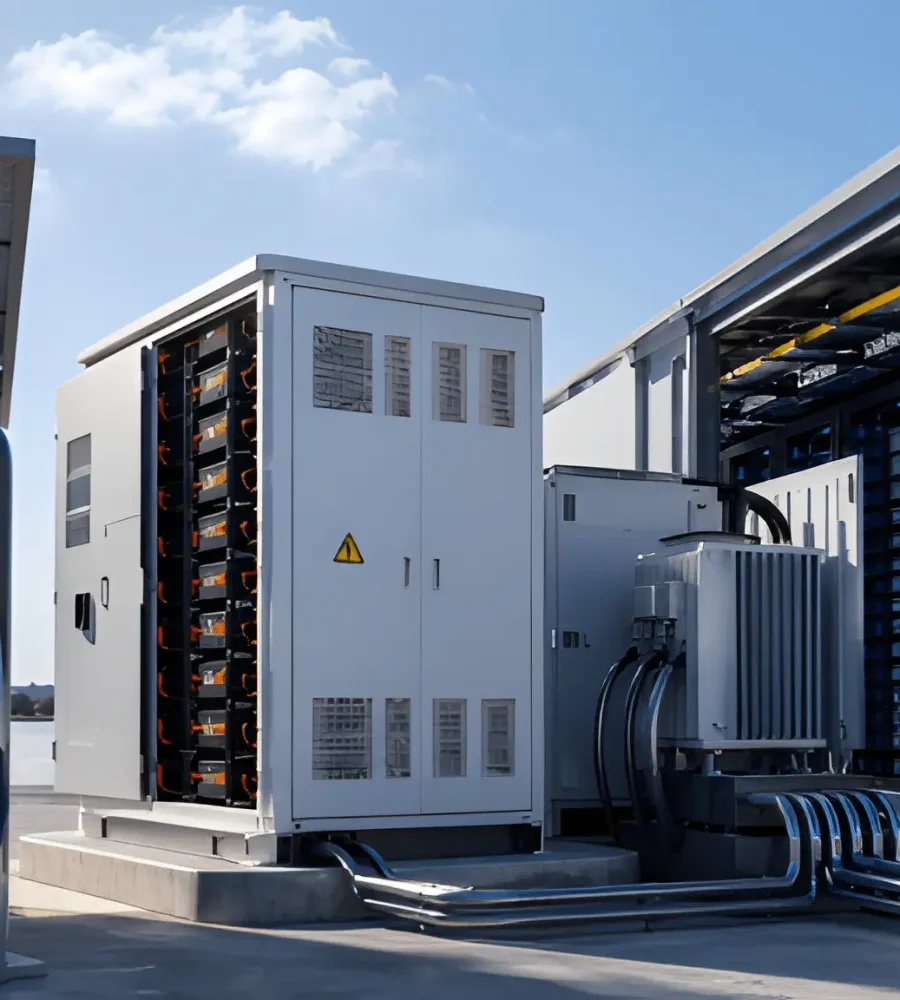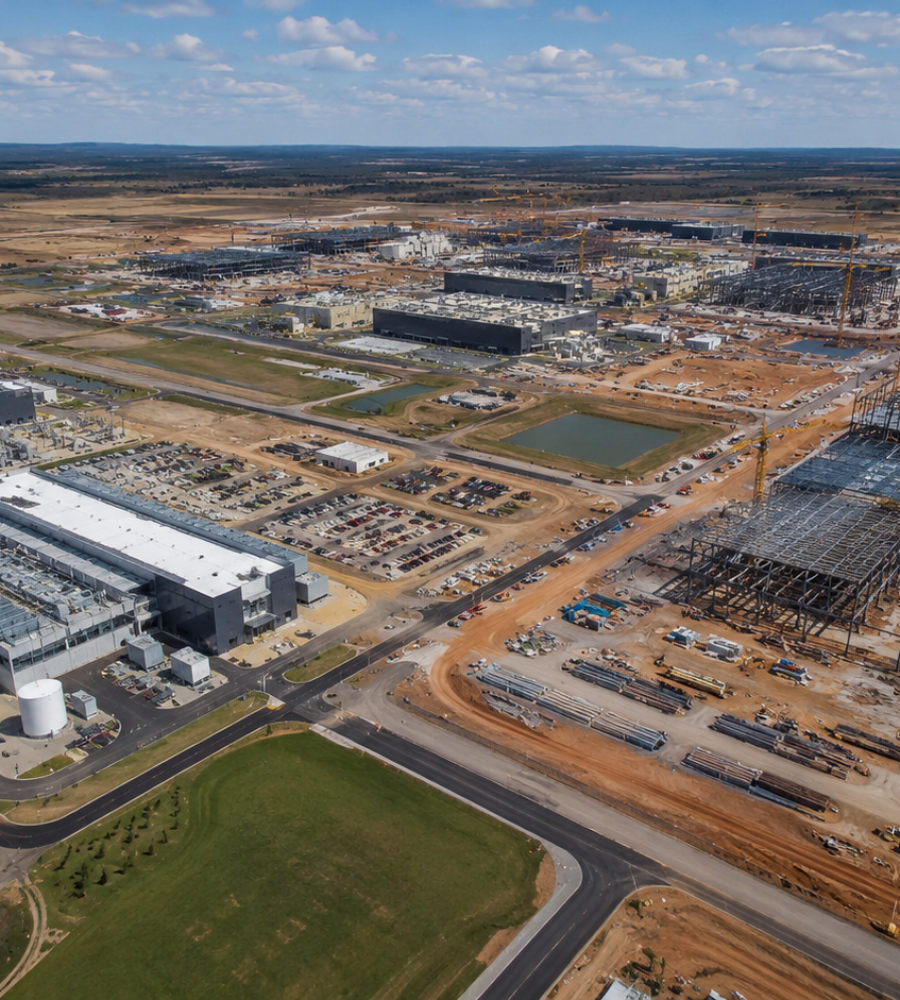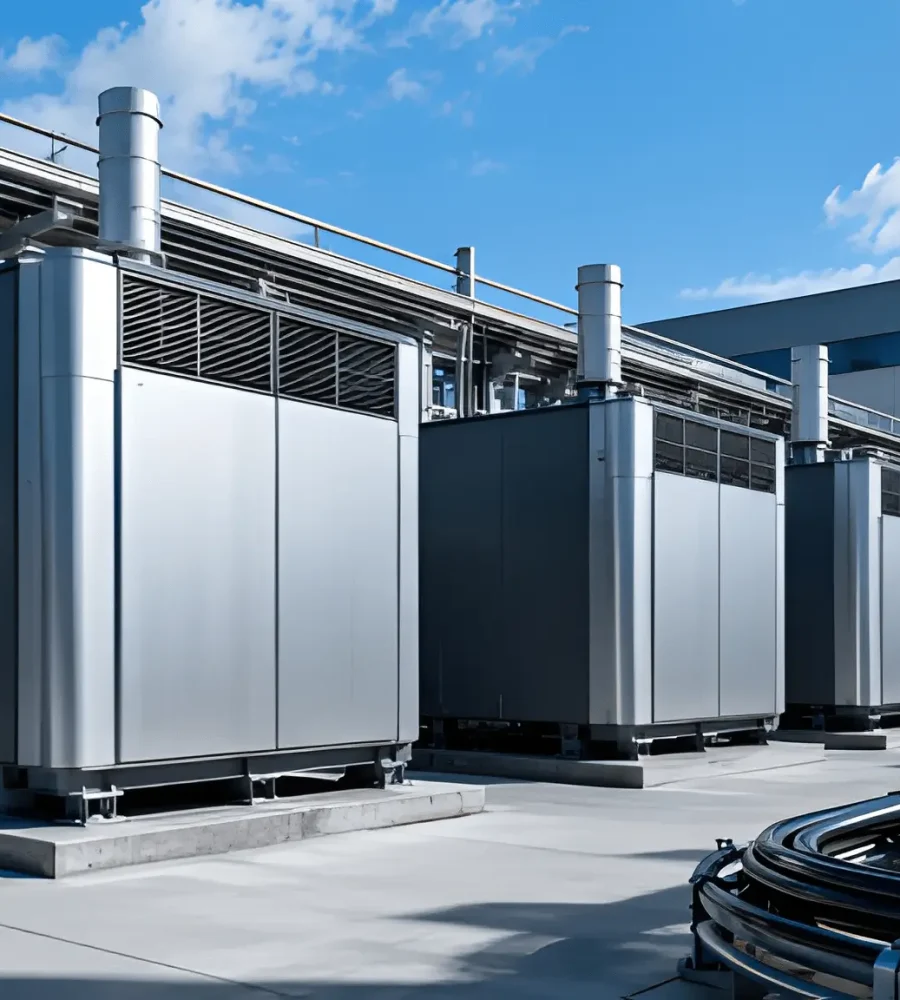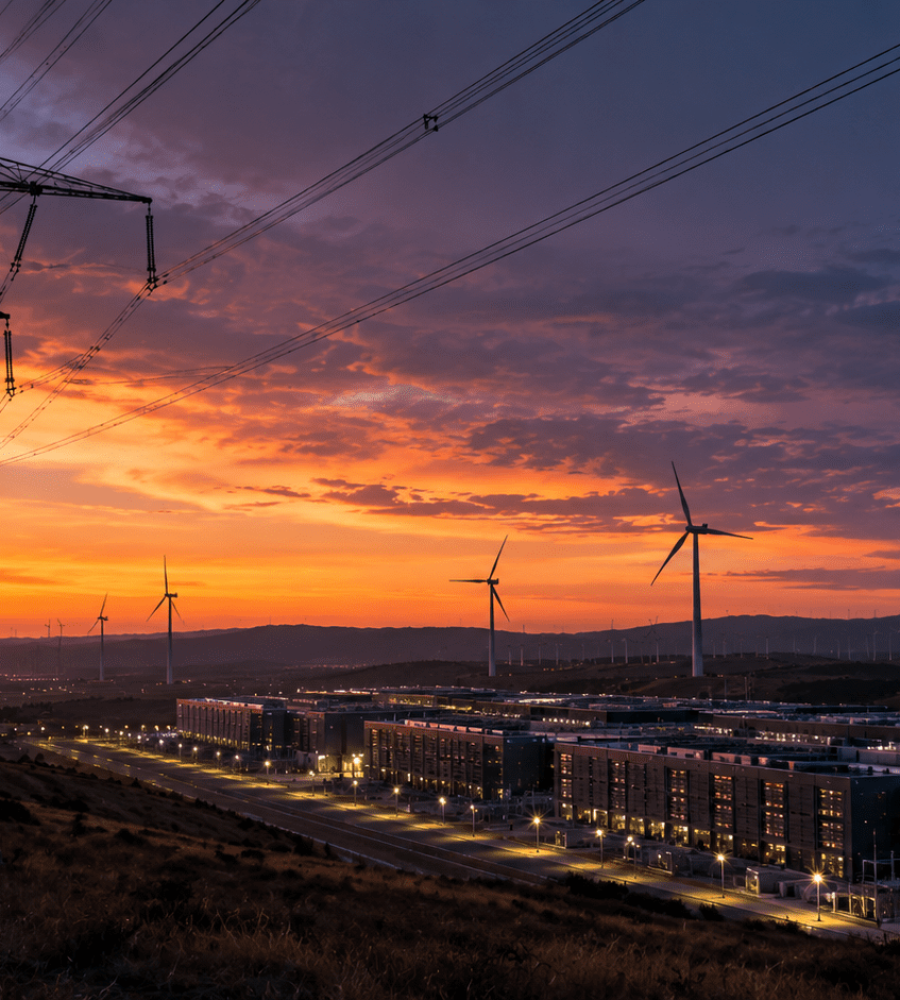
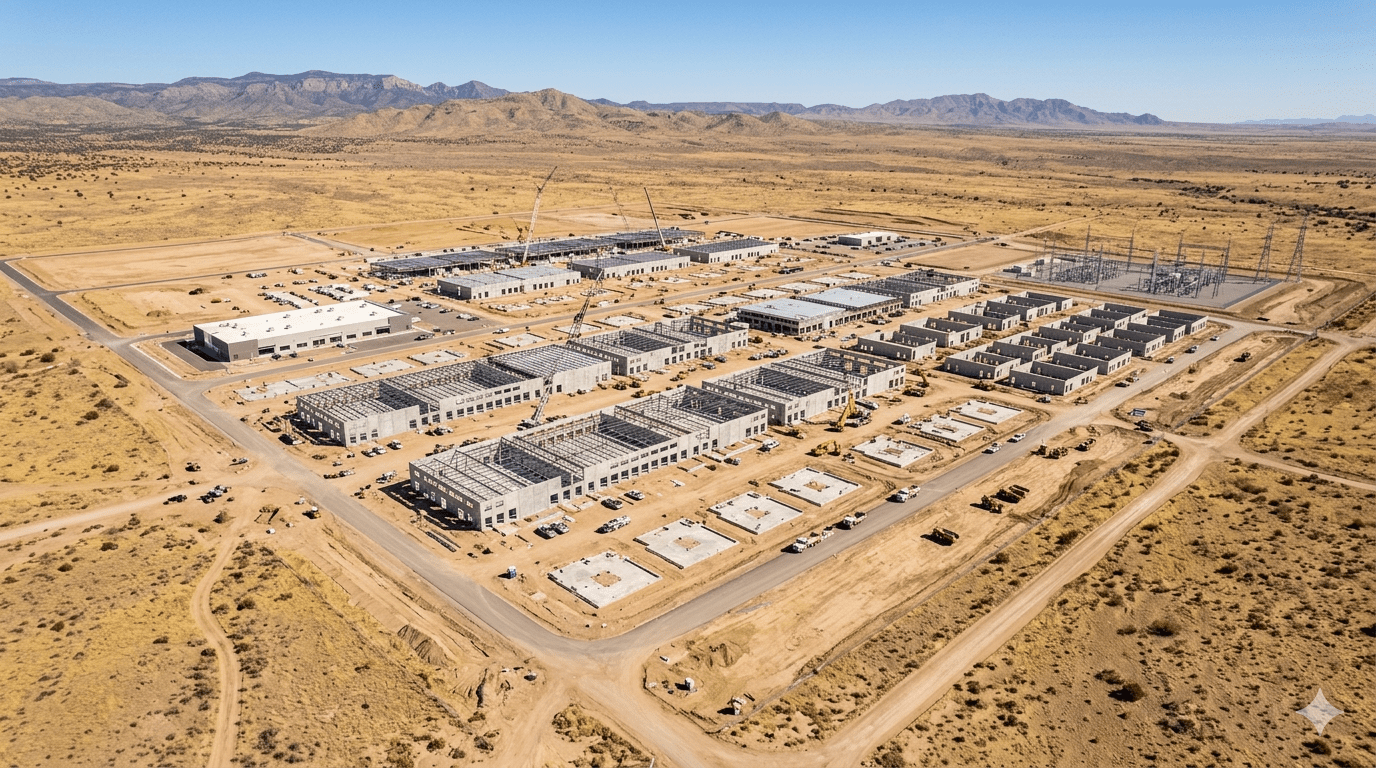
Oracle and BorderPlex Digital Assets confirmed on April 27 that Project Jupiter, their $1.5 billion AI data center campus in Doña Ana County, New Mexico, will run entirely on Bloom Energy solid oxide fuel cells. Oracle removes the campus’s previously planned gas turbines and diesel generators entirely, consolidating the facility into a single shared microgrid. At completion, Bloom and Oracle expect it to rank among the largest data center microgrids operating in the United States.
The updated design draws on up to 2.45 gigawatts of installed Bloom fuel cell capacity. That, specifically, sits within Oracle’s broader expanded partnership with Bloom announced on April 13. Under that deal, Oracle plans to procure up to 2.8 gigawatts of Bloom systems across its AI and cloud infrastructure. Of that total, Oracle had already contracted 1.2 gigawatts before the Project Jupiter announcement. Oracle will bear all Project Jupiter energy costs directly. That ensures no impact on local electricity rates or strain on the regional grid.
Why the Gas Turbine Design Was Dropped
Bloom’s solid oxide fuel cells generate electricity electrochemically rather than through combustion. For Project Jupiter, Oracle projects a 92% reduction in nitrogen oxide emissions compared to the originally planned gas turbine configuration. Water consumption will be negligible. That is a significant advantage in arid Doña Ana County, where long-term water access is a structural constraint. The facility’s cooling design, moreover, avoids water-intensive evaporative systems entirely. Together they address two of the most politically sensitive dimensions of data center development in the US today.
Mahesh Thiagarajan, executive vice president at Oracle Cloud Infrastructure, said the updated design reflects both the latest innovation and community priorities. Aman Joshi, Bloom’s chief commercial officer, said this will be one of the largest data center microgrids in the United States. As we have covered in our analysis of microgrids as a strategic asset in critical infrastructure, the shift from grid-connected to microgrid-first power architecture is accelerating as grid interconnection timelines extend to five years or more in key markets.
Project Jupiter in the Broader Oracle Power Strategy
Oracle has positioned Project Jupiter as part of its commitment to spend approximately $50 billion on AI infrastructure in fiscal year 2026. The Bloom partnership represents a strategic bet on fuel cells as the primary behind-the-meter power architecture for large-scale AI campus development. By contrast, other hyperscalers have pursued natural gas, nuclear, or renewable-plus-storage combinations. BorderPlex Digital Assets described the announcement as a milestone and aims to transform southern New Mexico desert land into a national platform for advanced computing and cleaner energy.
BorderPlex chose the El Paso-Juárez Borderplex location for land availability, a willing regional partner, and proximity to transmission infrastructure. As we have covered in our analysis of how AI infrastructure is permanently restructuring the US power sector, the economics of behind-the-meter generation are increasingly compelling for operators who cannot wait five-plus years for grid interconnection. Project Jupiter’s fuel cell pivot is, consequently, the clearest signal yet that solid oxide technology has moved into mainstream AI infrastructure.