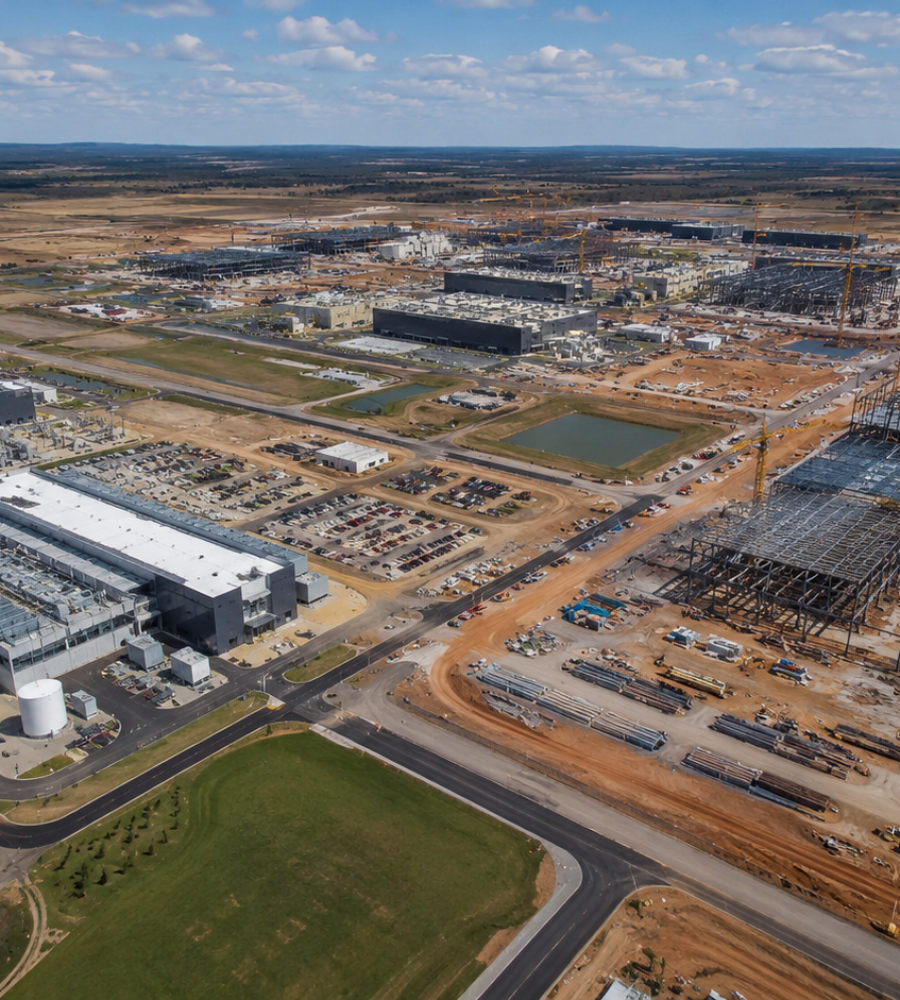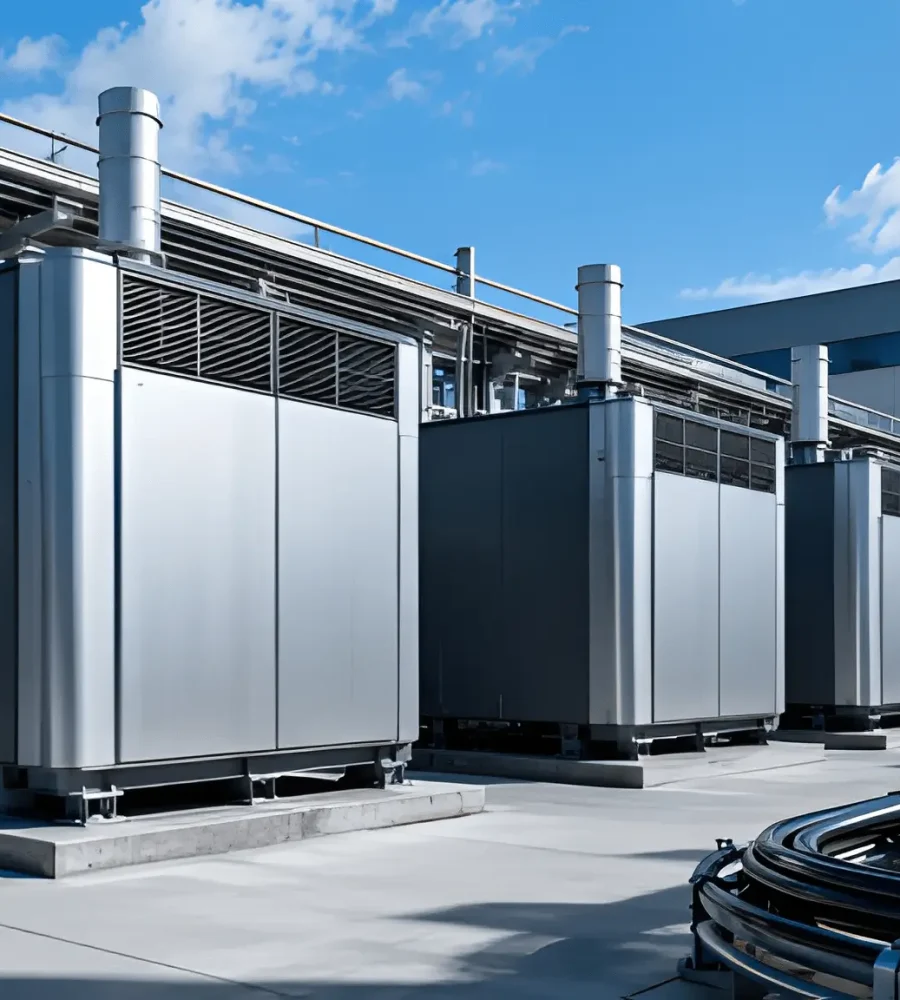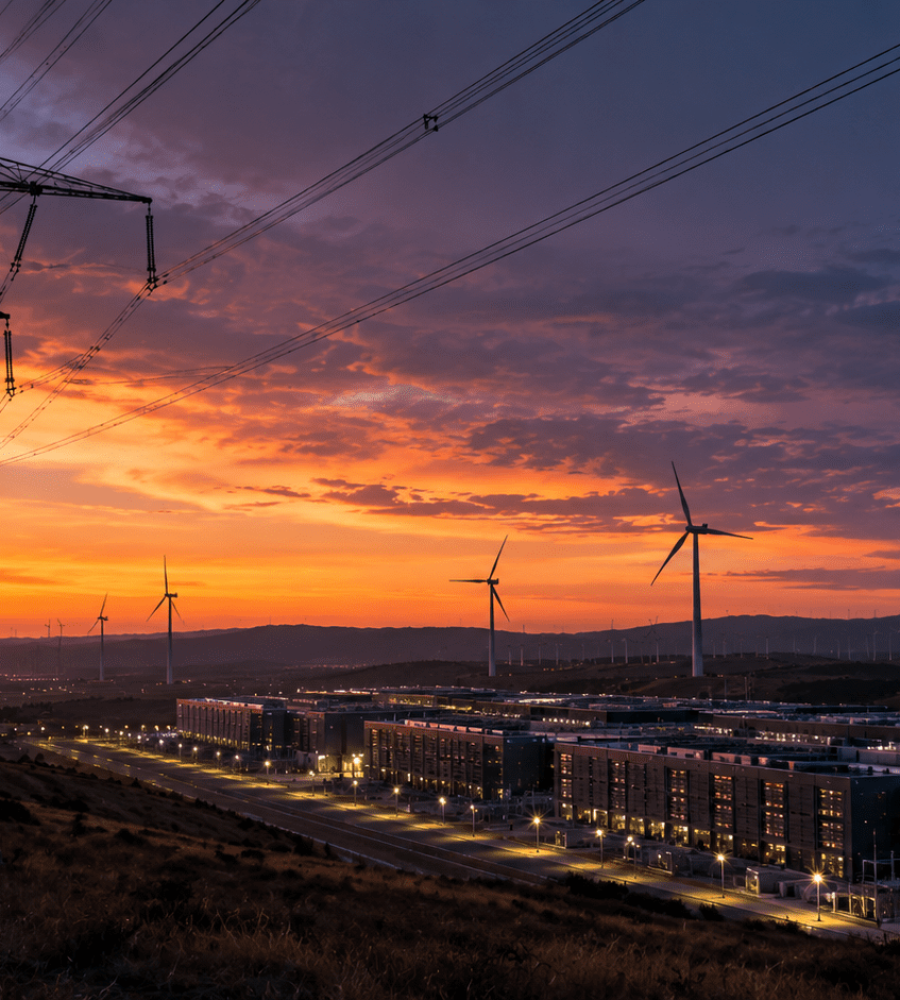
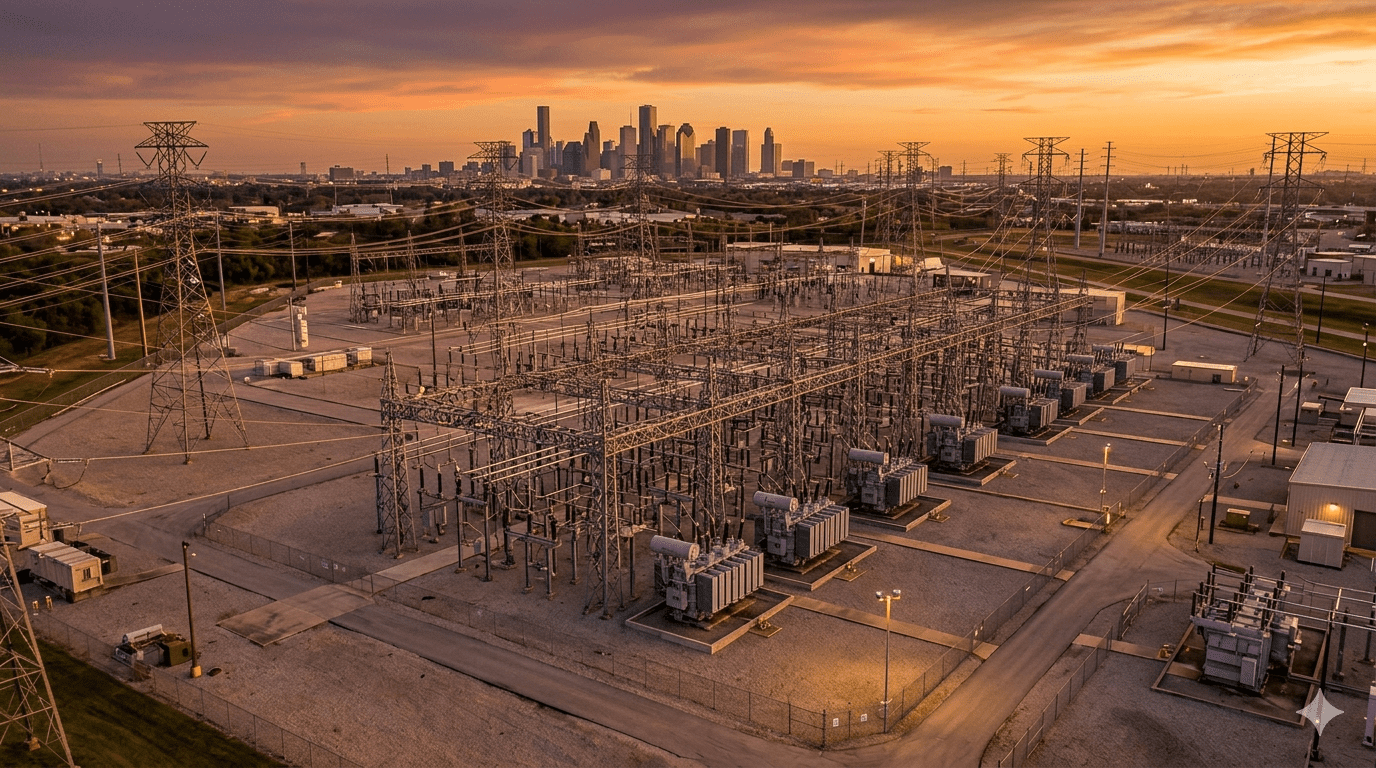
CenterPoint Energy has disclosed 12.2 gigawatts of firmly committed industrial load at its Houston Electric service territory, with 8 gigawatts expected to be energised as data center capacity by 2029. CenterPoint disclosed the figures on April 23 in its Q1 2026 earnings report. The 8 gigawatt target marks, notably, a 60% increase over the 7.5 gigawatts the utility identified at the end of last year. Of the 8 gigawatts, 3.5 gigawatts are already under construction. Beyond that, CenterPoint expects a further 4.2 gigawatts to follow after 2029.
The scale of CenterPoint’s data center load pipeline is significant even among US utilities reporting aggressive growth. The figures represent a projected 50% increase in peak demand by 2029. CenterPoint’s data center load commitment is, in fact, the primary driver of that growth. System peak load is forecast to reach nearly 30 gigawatts by 2029. By the mid-2030s, moreover, that figure climbs above 42 gigawatts. CenterPoint CEO Jason Wells consequently described Houston as no longer an emerging destination for hyperscalers but a firmly established one.
CenterPoint Data Center Load Pipeline: Houston as a Hyperscale Market
The committed load spans more than a dozen customers and nearly 20 projects. CenterPoint noted that 90% of the projects represent half a gigawatt of demand or less. That profile is manageable given existing system capacity and customers siting projects near substations. ERCOT has approved 3.2 gigawatts of the load. Of that, 2.5 gigawatts cleared since the company’s February earnings call. The utility, however, expects to submit the remaining 9 gigawatts to ERCOT for approval within weeks.
Wells framed the load growth as carrying a direct affordability benefit for existing customers. Utilising 10 gigawatts of existing capacity could, in turn, provide approximately $4 billion in savings for Texas customers over the next decade. Spreading fixed infrastructure costs across a larger customer base drives that figure. That framing directly addresses pressure on utilities to demonstrate that CenterPoint data center load growth does not shift costs onto residential ratepayers, a pressure we have covered in our analysis of US utilities becoming the most powerful players in AI infrastructure.
Financing and Transmission Outlook
CenterPoint has, additionally, already executed approximately 70% of its 2026 financing, limiting near-term capital risk. Its 10-year capital investment plan now totals $65.5 billion through 2035, following a $500 million increase announced in February. New transmission projects must, however, bridge a projected gap between 2029 and 2031 before major 765 kilovolt lines come online. CenterPoint is also in early discussions with a large prospective Indiana customer. That deal could add approximately 1.5 gigawatts of incremental load and roughly $1 billion in additional capital expenditure.
For Q1 2026, CenterPoint reported GAAP net income of $316 million, or $0.48 per diluted share, up from $0.45 in Q1 2025. Non-GAAP earnings per share were $0.56, against $0.53 in Q1 2025. The company reiterated its full-year 2026 non-GAAP EPS guidance of $1.89 to $1.91. That represents at least 8% growth over 2025.