
For years, Europe’s data center geography looked almost permanent. Capital flowed toward the same metropolitan clusters, operators repeated familiar site-selection formulas, and investors treated a handful of cities as the safest destination for digital infrastructure. The concentration made sense because enterprise applications, cloud migration programs, and network interconnection priorities rewarded scale, ecosystem density, and predictable expansion patterns. Yet the assumptions behind that model emerged during a period when workload behavior followed relatively stable trajectories and utility planning horizons aligned with expected demand growth. AI infrastructure now introduces a different operating environment where power requirements rise abruptly, deployment schedules compress, and access to energization often determines commercial viability. The resulting shift does not represent a rejection of established hubs but a reassessment of what actually creates competitive advantage in the next build cycle, making a broader Europe Redraw increasingly visible across the continent’s digital infrastructure landscape.
The conversation across Europe increasingly revolves around a simple question that traditional site-selection frameworks struggle to answer. Which locations can support large-scale AI deployment without forcing operators into years of uncertainty before power becomes available. Demand forecasts continue to climb while grid constraints, permitting requirements, and public infrastructure planning processes become more visible components of project risk. Infrastructure investors increasingly evaluate regions through a lens that extends beyond connectivity and market size, with power availability and delivery timelines becoming more prominent considerations in site selection. Timing, energization certainty, and expansion flexibility are becoming increasingly important factors alongside traditional considerations such as network density and ecosystem maturity. This evolution has begun reshaping capital allocation patterns across multiple European regions. The map remains recognizable, but the criteria used to interpret it have changed significantly.
FLAP-D Was Built for Yesterday’s Cloud
The Frankfurt, London, Amsterdam, Paris, and Dublin model emerged from a cloud era that prioritized concentration, ecosystem effects, and enterprise proximity. Large cloud platforms expanded within these hubs because they offered carrier-rich environments, mature real estate markets, and established infrastructure supply chains. Developers could justify higher costs because customer demand clustered around major economic centers and latency requirements generally aligned with metropolitan deployment strategies. Many utility planning frameworks were developed around historical demand-growth patterns and did not fully anticipate the pace at which emerging digital infrastructure requirements would increase electricity consumption. Most forecasting models considered enterprise migration patterns, software adoption trends, and regional digital transformation initiatives. Few anticipated workloads capable of introducing multi-hundred-megawatt requirements across compressed development timelines.
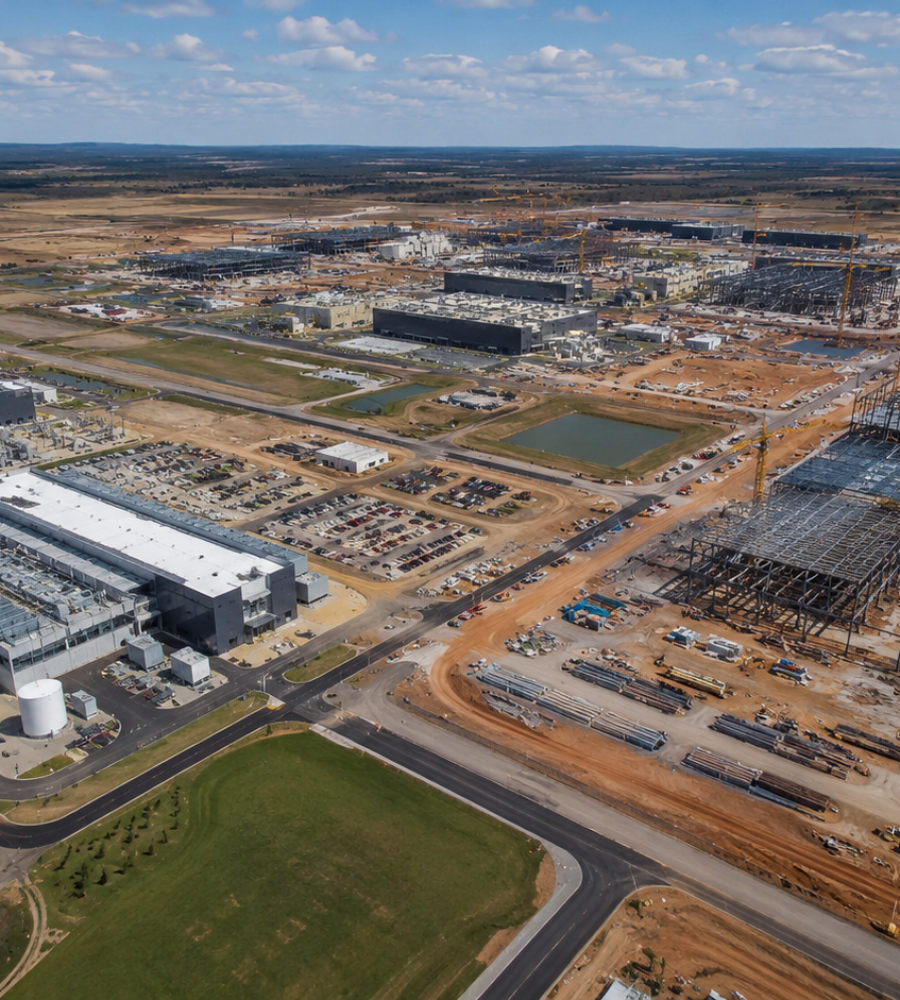
AI infrastructure alters several of those assumptions simultaneously. Training clusters concentrate enormous power demand, inference workloads introduce new latency considerations, and sovereign computing strategies encourage regional distribution rather than centralization. Operators now evaluate sites through the combined lens of compute density, power accessibility, and deployment speed. A location that offers excellent connectivity but uncertain energization schedules may lose ground against a market with fewer interconnection advantages but greater infrastructure certainty. Meanwhile, procurement teams increasingly model opportunity costs associated with delayed deployment because idle capital can quickly outweigh traditional location benefits. Consequently, established hubs face a pricing challenge in which scarcity premiums no longer align automatically with operational outcomes. The result is not displacement but a recalibration of how value gets measured across European infrastructure markets.
When Denmark Hits Pause, Everyone Feels It
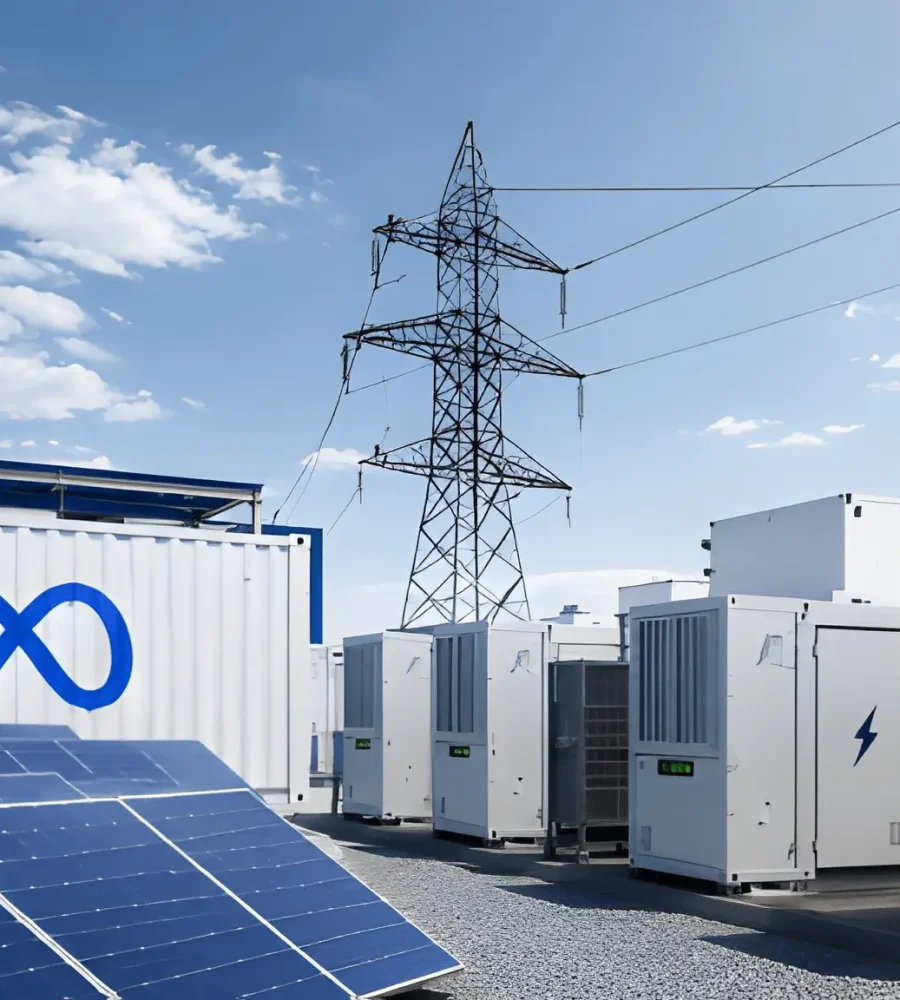
The decision by Danish transmission system operator Energinet to pause processing portions of a rapidly expanding connection queue drew attention far beyond Denmark’s borders. Infrastructure developers viewed the development as evidence that even markets celebrated for renewable energy availability could encounter planning constraints when demand growth exceeds system capacity assumptions. Queue volumes associated with data centers, industrial electrification, and emerging energy-intensive projects increasingly test transmission planning frameworks designed for more gradual expansion. What happened in Denmark highlighted concerns shared across several European markets where rising electrification and digital infrastructure demand are placing additional pressure on grid-planning processes. Investors began reassessing how quickly promising regions could absorb future digital infrastructure demand. Market participants also recognized that grid accessibility could become a defining competitive variable. The discussion shifted from theoretical capacity potential toward practical energization timelines.
The effects extend across both Nordic and Southern European markets because capital rarely remains idle when deployment schedules face uncertainty. Developers unable to secure expected timelines in one geography immediately begin evaluating alternatives with stronger execution prospects. Regions that previously occupied secondary positions in investment rankings suddenly receive increased attention from hyperscalers, colocation providers, and infrastructure funds. Utility engagement strategies become more aggressive as operators seek earlier visibility into future capacity allocations. Furthermore, municipalities capable of demonstrating credible infrastructure readiness gain influence in site-selection discussions that once favored larger metropolitan ecosystems. The consequence is a redistribution of attention that reaches far beyond a single national market. Europe’s infrastructure landscape increasingly reflects competition between timelines rather than competition between locations alone.
The Queue Jumpers: Who’s Buying Their Way Into 2028
A new category of infrastructure strategy has emerged around the value of grid access itself. Historically, land acquisition represented a foundational element of long-term development planning because physical space often determined future expansion opportunities. Today, interconnection positions are receiving substantially greater attention because power availability increasingly influences whether a project can meet expected deployment and revenue timelines. Developers increasingly pursue acquisitions that provide established utility relationships, advanced permitting status, or existing connection rights. Some transactions prioritize infrastructure readiness over immediate operational performance. The underlying logic reflects a market where time-to-power carries measurable financial value. Access to capacity now functions as a strategic asset class rather than a technical project milestone.
Large investment funds and hyperscale operators approach these opportunities with growing sophistication. Instead of competing solely for finished facilities, they evaluate portfolios containing developable land, substations, and utility agreements. Infrastructure specialists increasingly assess queue positions as strategic assets because earlier access to grid capacity can provide a competitive advantage in constrained markets. Rights that accelerate deployment schedules can materially influence project economics, particularly when AI demand forecasts support rapid capacity absorption. However, the practice introduces additional complexity because regulators and utilities must balance commercial interests with broader infrastructure planning objectives. Even so, market behavior increasingly reflects recognition that future capacity access may prove harder to secure than capital itself. The strongest competitive positions often belong to organizations that can combine financial resources with infrastructure timing advantages.
The ‘Not in My Substation’ Problem
Grid operators across Europe now face a planning environment markedly different from the one that existed only a few years ago. Distribution system operators and transmission system operators must evaluate applications against increasingly complex combinations of local demand growth, generation integration, network resilience requirements, and future expansion scenarios. Projects that appeared straightforward in 2019 may encounter additional scrutiny because cumulative demand forecasts have changed substantially. Infrastructure planning cycles also operate on timelines that rarely align perfectly with private-sector deployment expectations. Developers therefore discover that previous assumptions regarding approval speed and energization certainty no longer apply universally. The challenge often emerges less from outright rejection than from extended evaluation processes. That distinction nevertheless carries major commercial implications.
Site viability can shift rapidly when infrastructure planning timelines move beyond expected development schedules. Investors may secure land, complete environmental reviews, and finalize design work only to discover that network upgrades require additional years of coordination. Such delays alter return calculations and can redirect capital toward markets offering greater certainty. Meanwhile, utilities increasingly prioritize long-term network resilience because they must accommodate expanding demand from multiple sectors simultaneously. This creates a landscape where project success depends not only on current conditions but also on future infrastructure commitments. Therefore, developers invest more resources into understanding utility planning frameworks before advancing major acquisitions. Risk mapping has evolved into a strategic discipline that influences decisions from the earliest stages of project evaluation.
From Prime to Peripheral: The Cities Cashing In on FLAP’s Fall
Several European cities increasingly benefit from changing infrastructure priorities because they offer pathways to deployment that established hubs cannot always guarantee. Milan attracts interest through its position within a major economic region while maintaining opportunities for additional infrastructure expansion. Warsaw continues to strengthen its profile through growing digital demand, improving connectivity, and strategic geographic relevance. Zaragoza gains visibility because developers view it as a location capable of supporting large-scale infrastructure growth alongside significant renewable energy resources. These markets are not necessarily competing by replicating FLAP-D characteristics directly. IInstead, they are increasingly attracting attention because of factors such as available capacity, development flexibility, and the potential for shorter infrastructure delivery timelines. Their appeal reflects changing operational priorities rather than temporary market enthusiasm.
Investment discussions increasingly focus on locations where infrastructure deployment can proceed with greater certainty and fewer near-term capacity constraints. Regional authorities recognize this opportunity and often position infrastructure readiness as a central component of economic development strategies. Hyperscalers evaluating future campuses therefore consider whether a market can support both immediate deployment and long-term scaling requirements. In many cases, secondary cities offer advantages because they face fewer legacy constraints while retaining access to major transportation and connectivity networks. Nevertheless, success depends on sustained infrastructure planning rather than promotional positioning alone. Markets that combine realistic growth strategies with reliable execution frameworks stand to capture a meaningful share of future AI-driven investment.
The Map Isn’t Dead. It Just Needs a New Legend
The future of European data center development does not require abandoning the established hubs that helped build the continent’s digital economy. Frankfurt, London, Amsterdam, Paris, and Dublin will continue serving critical roles because ecosystem depth, connectivity concentration, and customer presence remain valuable advantages. What changes is the weighting assigned to different decision variables during site selection. Infrastructure teams increasingly model energization latency alongside network connectivity. Capital planners incorporate time-to-revenue assumptions into location analysis with greater precision. Operational teams evaluate resilience through infrastructure accessibility as much as through facility design. These adjustments create a more nuanced framework for interpreting European opportunities.
RFPs issued during 2027 and 2028 will likely demand information that earlier procurement processes rarely prioritized. Buyers are increasingly examining not only how much power a site can ultimately support, but also when that capacity can realistically become available. They will examine auxiliary infrastructure continuity, utility upgrade dependencies, and expansion sequencing with greater scrutiny. Investors will compare locations based on execution certainty instead of relying exclusively on ecosystem reputation. Site-selection models will therefore evolve into multidimensional assessments that integrate infrastructure timing with traditional performance metrics. The next European infrastructure map will still contain familiar cities, but it will rely on a new legend that reflects the realities of AI-era deployment economics.