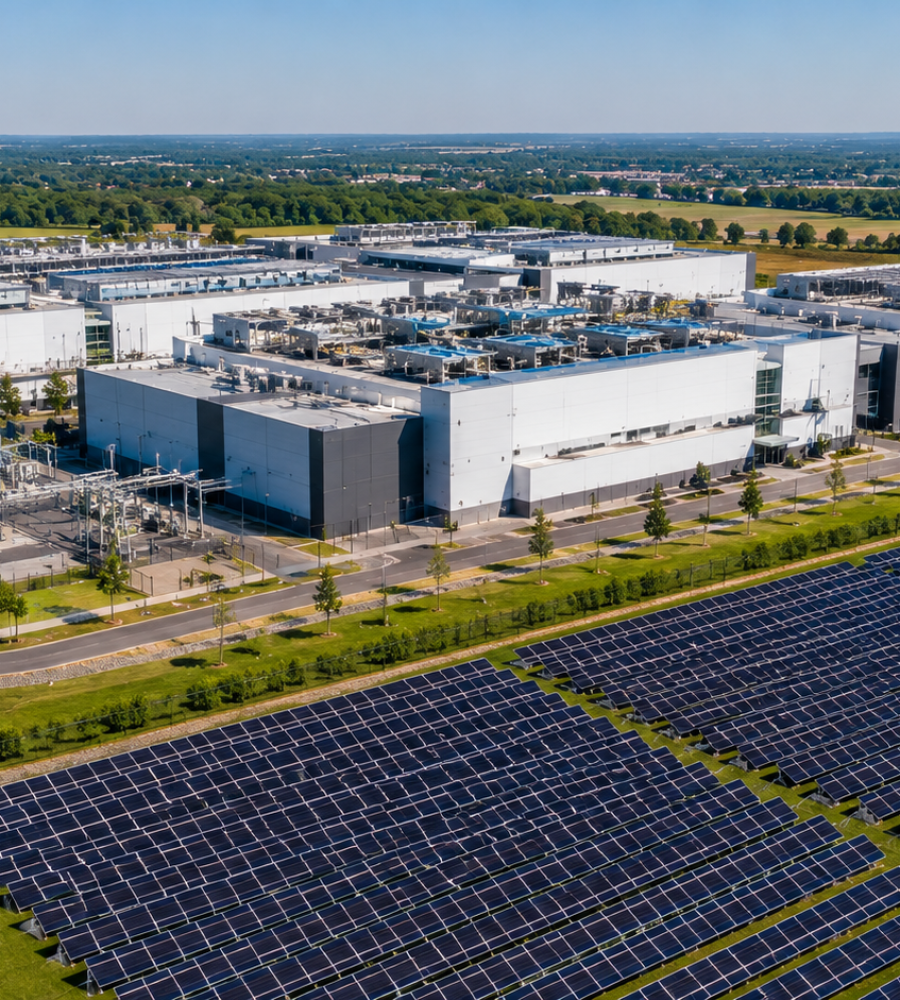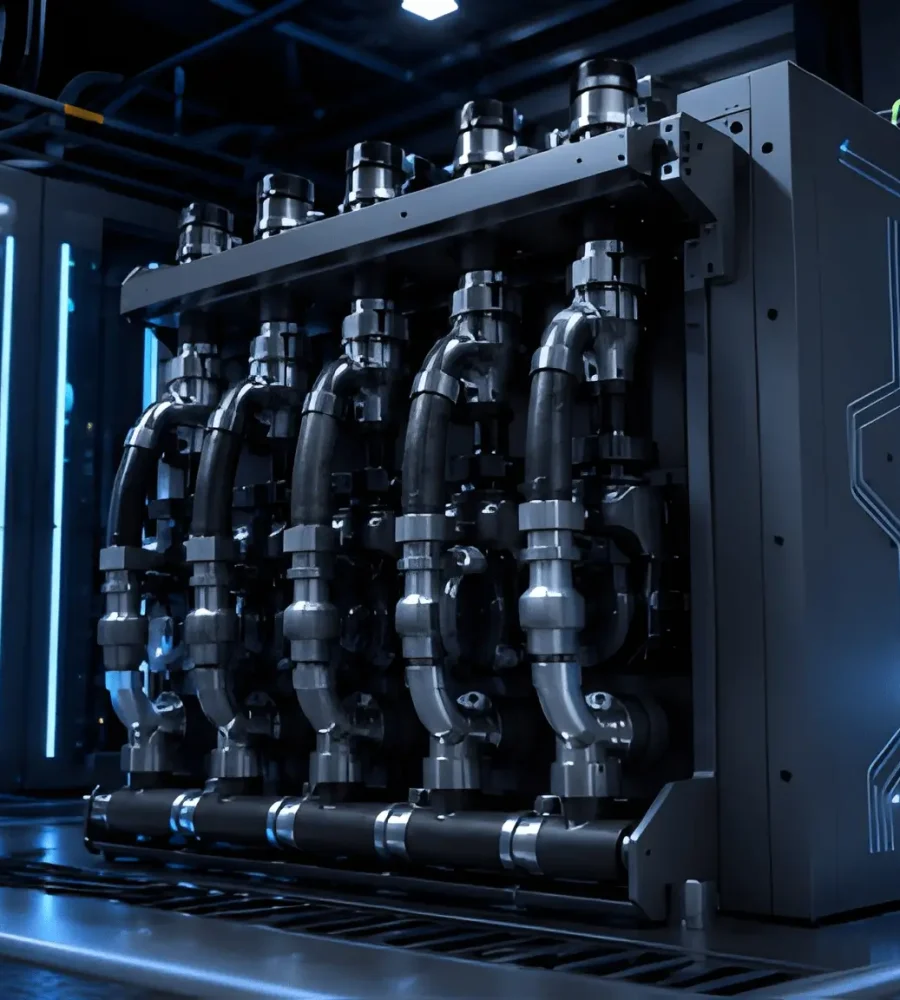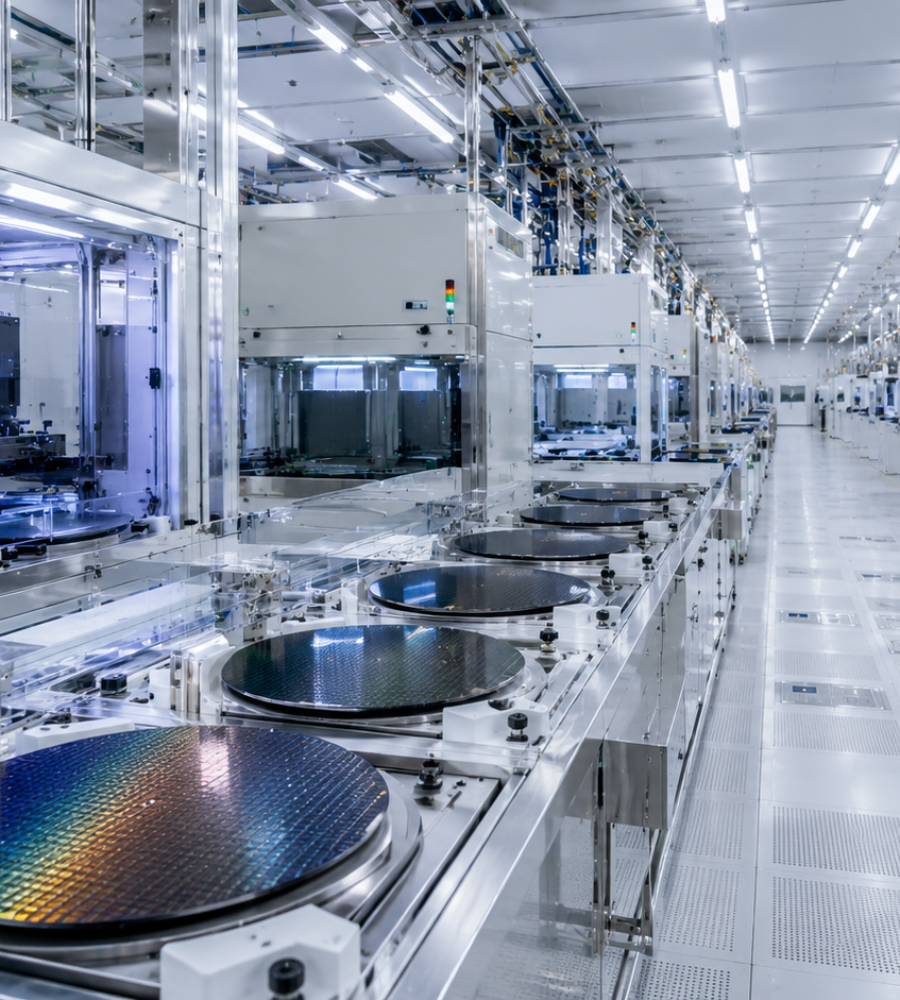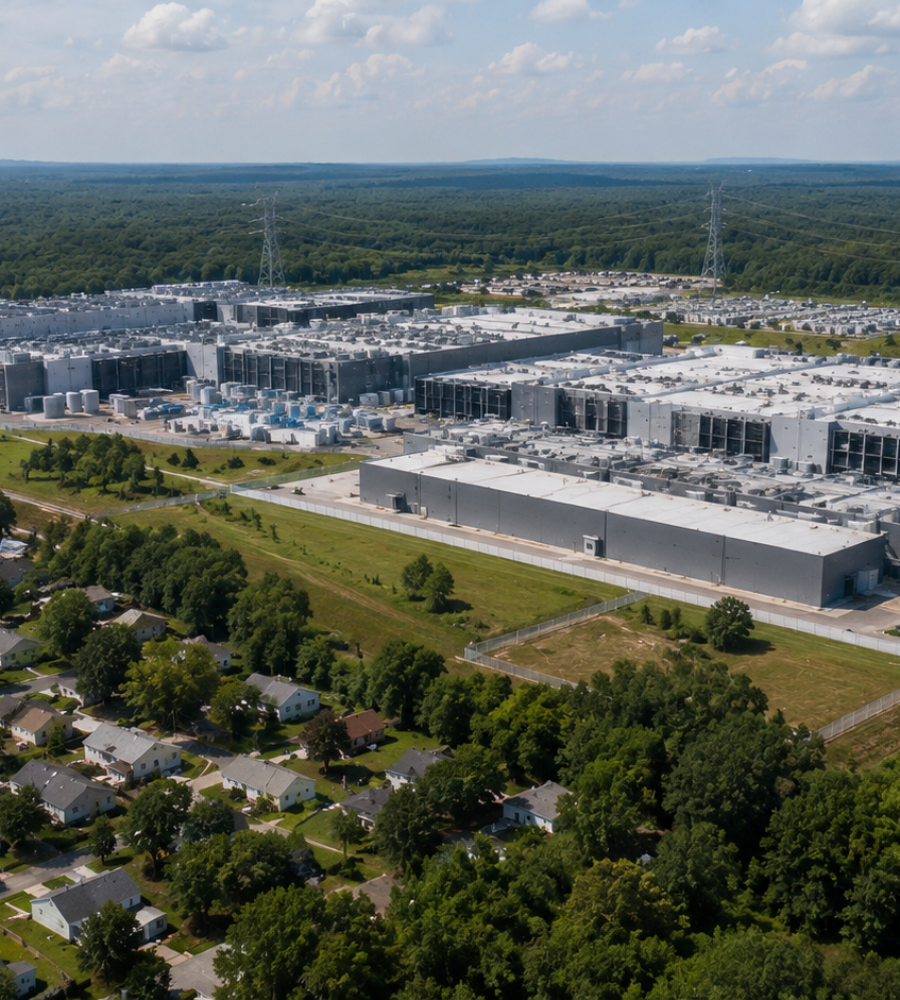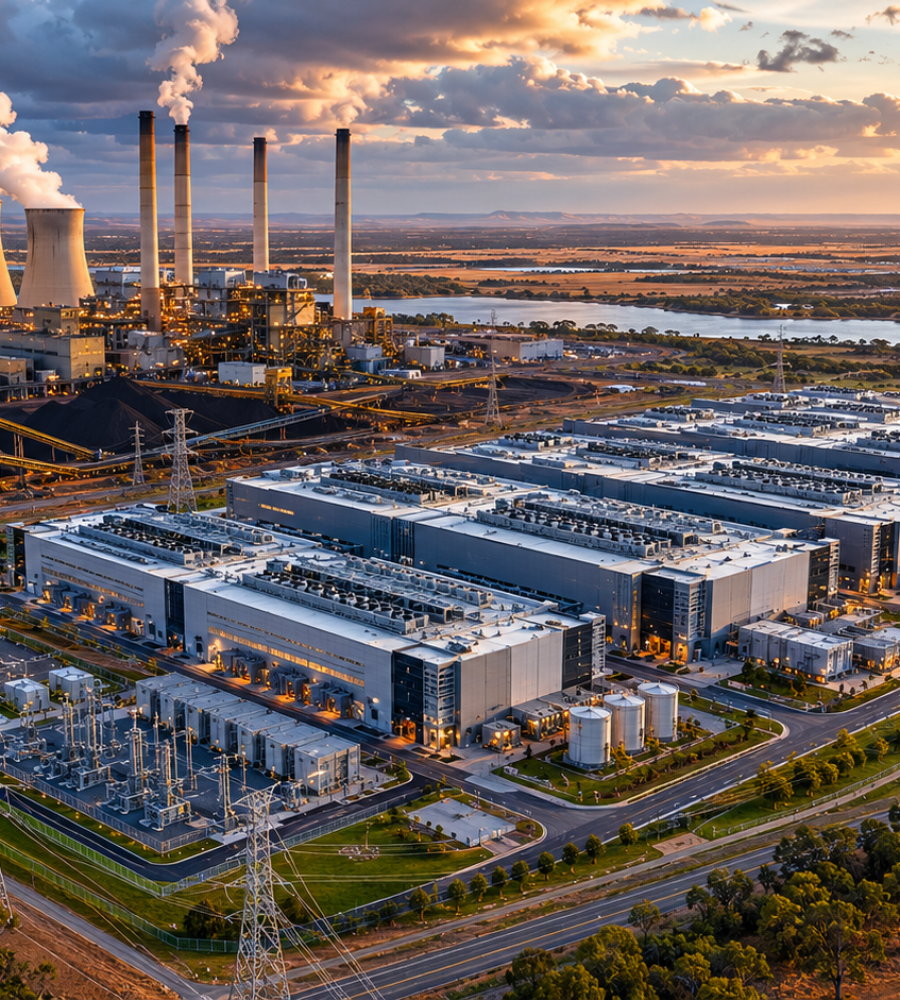
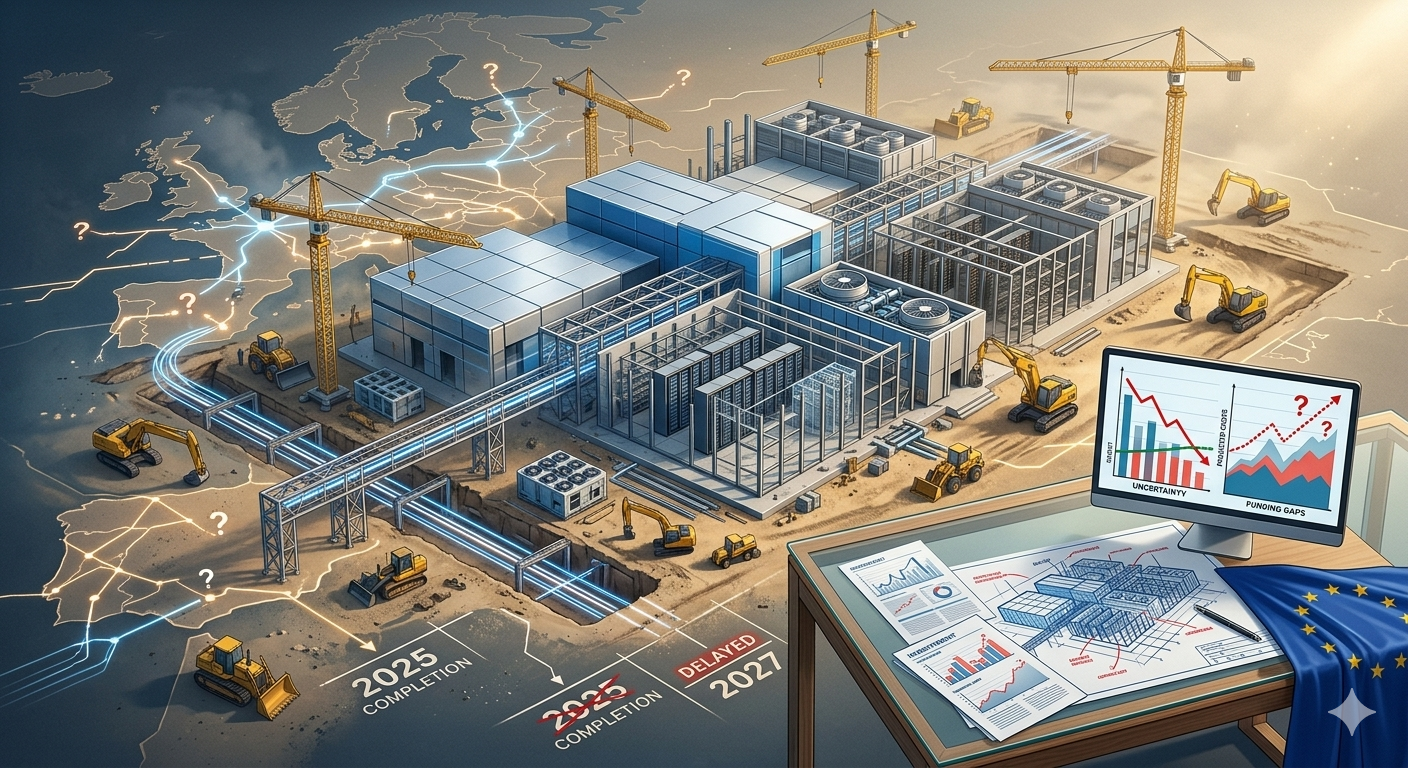
The European Union launched an ambitious plan to strengthen its artificial intelligence infrastructure through a €20 billion initiative designed to support the construction of five large-scale AI data centers, often referred to as gigafactories.
Policymakers presented the program as a cornerstone of Europe’s broader effort to compete with the United States and China in advanced AI computing capacity.
The facilities would provide the massive computational resources required to train and deploy next-generation AI models while reducing reliance on foreign infrastructure providers. However, the project now faces significant implementation challenges before the formal bidding process has fully gained momentum.
Interest in the initiative initially appeared strong. Last year, European officials reported substantial interest from companies seeking participation in the proposed gigafactories. The scale of the project reflected growing concerns within European institutions that insufficient computing infrastructure could limit the region’s ability to develop competitive AI ecosystems. Policymakers viewed the investment as a strategic response to the rapid expansion of AI infrastructure across North America and Asia.
Yet the momentum that surrounded the announcement has weakened. Several industry participants have reportedly raised concerns about delays, uncertain timelines, and unresolved funding mechanisms. Those concerns have introduced hesitation among potential partners who must commit significant capital and operational resources before construction can begin.
Source:
Delayed Timelines Create Uncertainty for Investors
Infrastructure projects of this scale require clear execution schedules because participating companies must coordinate financing, equipment procurement, energy agreements, and long-term operational planning. Reports indicate that the bidding process, originally expected to begin earlier in 2026, has experienced delays that have complicated planning efforts for interested stakeholders.
The uncertainty extends beyond administrative scheduling. Companies evaluating participation must estimate future demand for AI computing services, expected revenue streams, and the availability of public support. Without greater visibility into subsidy distribution and project milestones, many organizations face difficulty justifying large upfront investments. This situation creates a gap between political ambition and commercial decision-making.
Several observers note that AI infrastructure development increasingly depends on execution speed. Global competitors continue to deploy computing capacity at a rapid pace, allowing AI developers to access larger clusters of advanced processors. Extended delays risk reducing the competitive impact of European projects even before construction begins.
Funding Structure Raises Questions About Long-Term Viability
A second challenge involves the financing model behind the initiative. The European Union intends for public funding to attract substantial private-sector investment, creating a blended financing approach capable of supporting facilities with enormous capital requirements. However, questions remain regarding how much public funding will become available, when it will be distributed, and how private investors will share project risks.
Building AI-focused data centers requires far greater investment than traditional enterprise facilities. Advanced AI infrastructure demands large quantities of high-performance processors, specialized networking equipment, cooling systems, and energy infrastructure. These requirements can push project costs into the multi-billion-euro range before operational revenue begins to materialize.
A French consortium known as AION recently outlined plans for a €10 billion AI infrastructure project that could partially rely on support from the European program. The consortium includes technology companies, infrastructure investors, telecommunications providers, and energy partners. Their proposal illustrates the scale of investment required to build AI computing hubs capable of competing internationally.
Meanwhile, some industry participants reportedly question whether current funding commitments can support all five planned facilities within the expected timeframe. Such concerns have contributed to uncertainty among potential bidders.
Infrastructure Constraints Continue to Challenge Data Center Expansion
Financial considerations represent only one part of the challenge. Large-scale AI facilities require access to substantial electricity supplies, reliable grid connections, and suitable industrial sites. Across Europe, data center developers increasingly identify power availability as a critical factor influencing investment decisions.
Major cloud providers have already highlighted difficulties securing timely grid connections in several European markets. In some regions, developers face multi-year waiting periods before obtaining sufficient electrical capacity for new facilities. Such constraints complicate expansion plans even for companies with significant financial resources.
AI-focused facilities intensify these challenges because they consume far more electricity than conventional data centers. High-density AI clusters require continuous power delivery and advanced cooling infrastructure. Consequently, site selection increasingly depends on proximity to robust energy networks capable of supporting future growth.
Strategic Importance Extends Beyond Computing Capacity
The European Commission’s broader technology strategy places AI infrastructure at the center of digital sovereignty efforts. Policymakers aim to reduce dependence on foreign cloud providers and establish greater control over critical digital capabilities. New policy proposals surrounding cloud services and strategic procurement reflect this objective.
The gigafactory initiative represents more than a construction program. European officials view the facilities as foundational assets that could support AI startups, research institutions, industrial companies, and government agencies. Access to advanced computing resources remains a key factor influencing where AI innovation occurs and where new businesses choose to expand.
However, successful execution will determine whether the strategy achieves its intended impact. Europe has previously launched ambitious technology initiatives that struggled to meet expectations due to implementation hurdles, fragmented funding structures, and shifting market conditions. Recent discussions surrounding semiconductor policy have highlighted similar concerns regarding the gap between strategic objectives and practical outcomes.
The Road Ahead for Europe’s AI Ambitions
The European Union remains committed to expanding domestic AI infrastructure, and interest from industry participants has not disappeared. Several consortia continue to develop proposals, while technology companies across the region pursue independent investments in computing capacity. Companies such as Mistral AI have also announced substantial infrastructure initiatives aimed at strengthening Europe’s AI ecosystem.
Nevertheless, the current difficulties highlight the complexity of building large-scale AI infrastructure in a competitive global market. Delays, funding uncertainty, power availability, and regulatory requirements all influence investment decisions. The success of the gigafactory program will depend not only on financial commitments but also on the ability to provide clear timelines, predictable funding mechanisms, and access to the physical infrastructure necessary to support advanced computing facilities.
The coming months will likely determine whether Europe can convert its AI infrastructure ambitions into operational projects capable of competing with rapidly expanding investments elsewhere. For policymakers, investors, and technology companies alike, execution has become just as important as vision.