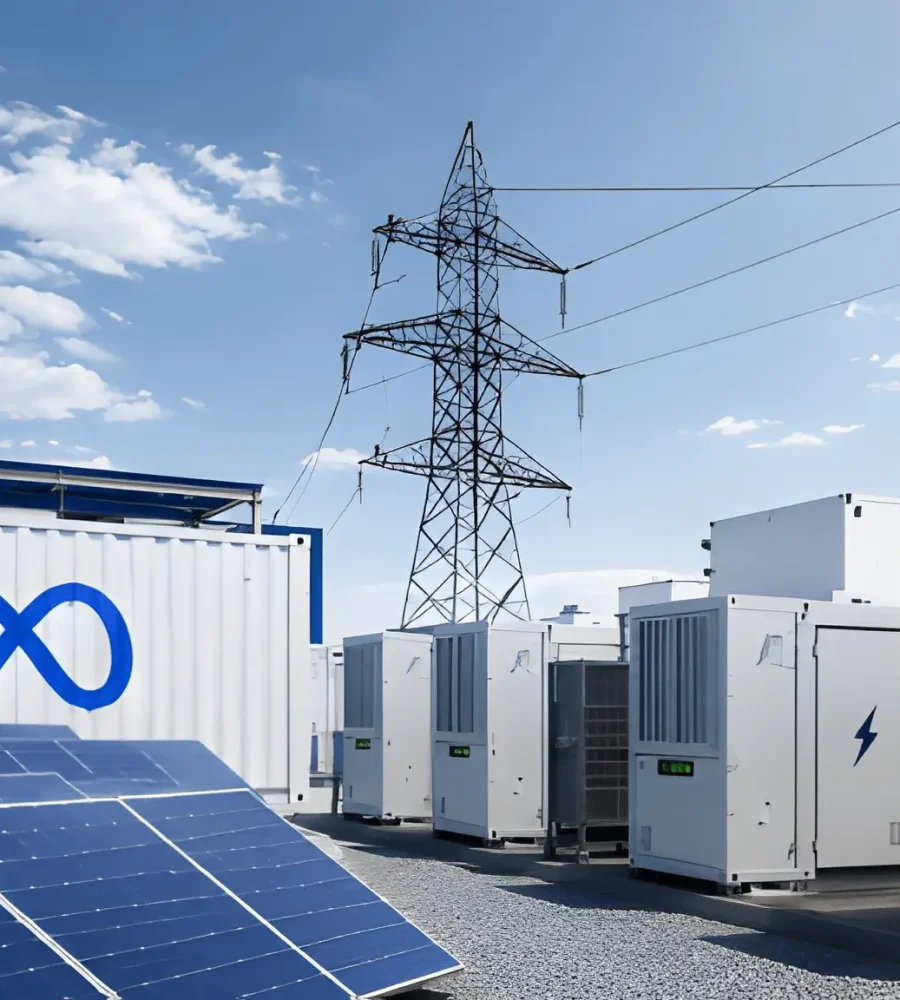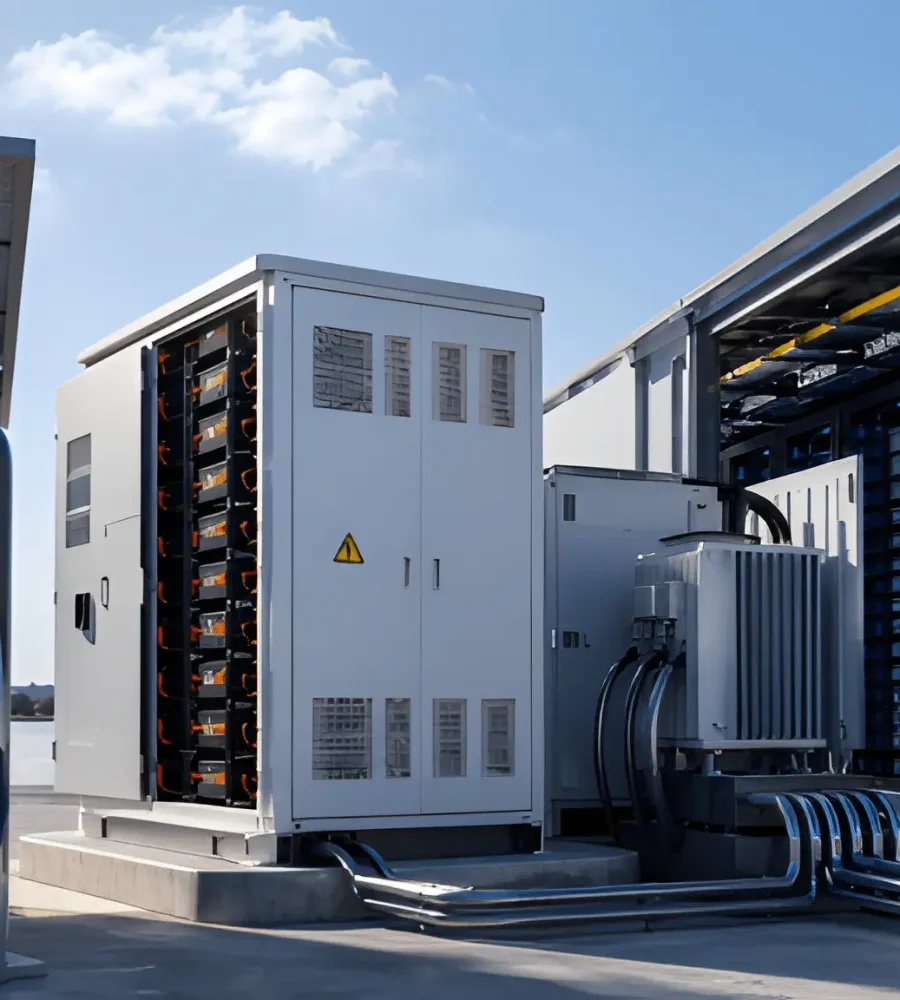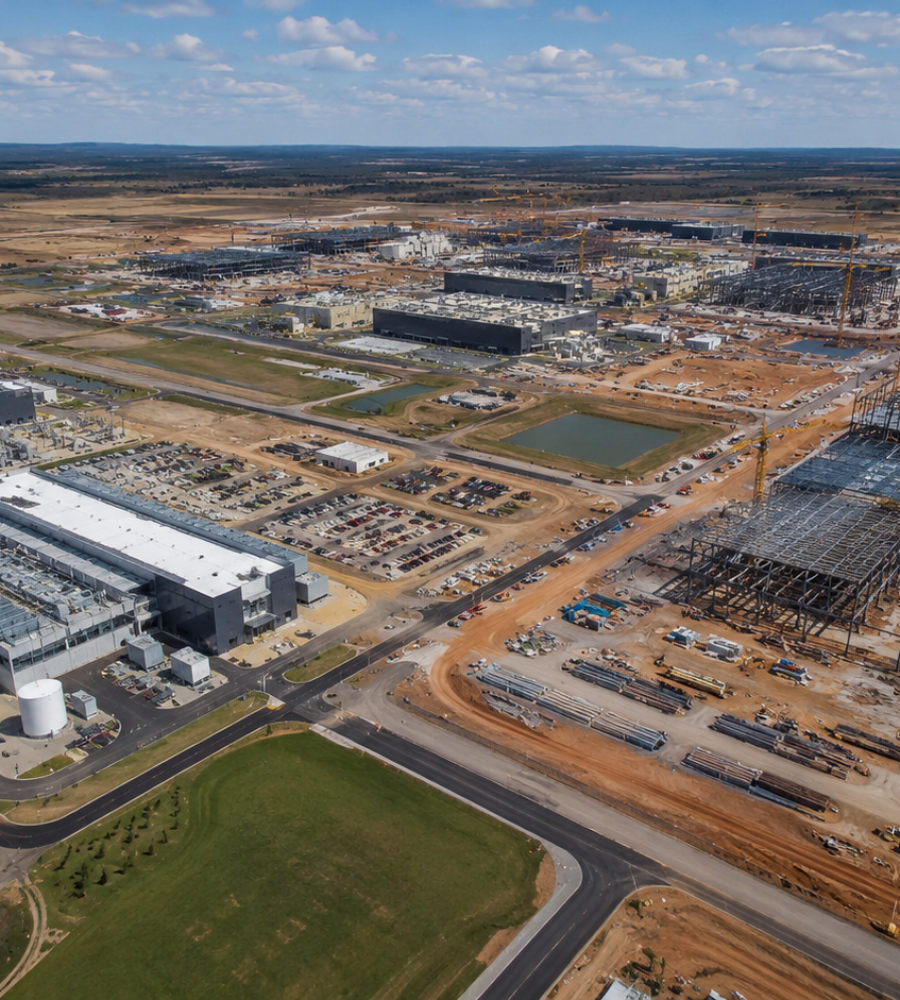
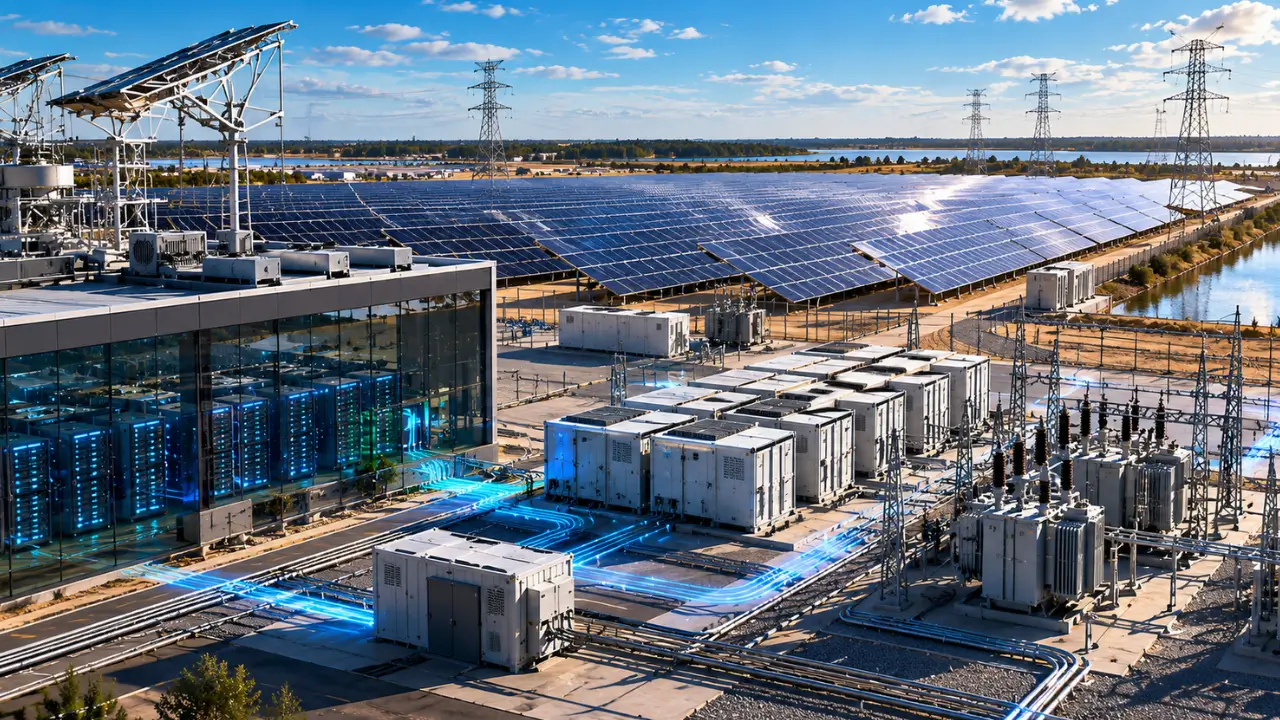
A 25-megawatt solar project nearing completion in regional New South Wales may appear modest against the scale of Australia’s utility-scale renewable pipeline. Yet the Mulwala Solar Farm represents something far more consequential than its generation capacity alone. The project brings together Google, AirTrunk, and European Energy Australia through a corporate power purchase agreement structure that increasingly defines how large technology companies secure electricity for digital infrastructure growth. Rather than waiting for grid decarbonization to occur independently, hyperscalers are increasingly creating demand signals that support the development of new renewable generation assets. As cloud computing and digital services continue to increase electricity demand, these long-term procurement structures are increasingly being viewed as strategic infrastructure tools alongside their sustainability objectives.The Mulwala project offers an example of how some technology companies are using long-term renewable energy agreements to support electricity procurement alongside digital infrastructure growth.
The solar farm, first announced in 2023, is expected to add new renewable generation capacity into Australia’s National Electricity Market once operations begin. Electricity generated by the facility will flow directly into the NEM, increasing available renewable supply within the broader system rather than serving as a dedicated behind-the-meter installation. That distinction matters because it reflects a model designed to expand generation capacity while simultaneously supporting growing digital infrastructure demand. The arrangement links long-term electricity demand from digital infrastructure operations with a framework that can support renewable energy project development. As a result, developers gain confidence to finance new projects while large energy users gain access to cleaner electricity pathways. The structure increasingly reflects the economics of modern energy transition projects across developed markets.
The Corporate Energy Model Quietly Reshaping APAC Infrastructure
For hyperscalers, energy procurement has evolved from an operational requirement into a strategic growth function. Data center development today often depends as much on electricity availability as it does on land, fiber connectivity, or capital access. Across APAC, operators face mounting pressure from governments, customers, and investors to demonstrate credible pathways toward lower-carbon operations while supporting rapidly expanding compute demand. Renewable energy agreements offer one mechanism for addressing both objectives simultaneously. They create opportunities to bring new generation online while helping technology companies align future electricity consumption with cleaner supply sources. Consequently, the conversation has shifted beyond renewable energy credits and toward direct participation in the development of generation infrastructure.
The Mulwala framework also highlights a broader change in how cloud and colocation operators engage with electricity markets. Earlier generations of corporate renewable procurement often focused primarily on offsetting consumption through contractual instruments. Today’s agreements increasingly emphasize additionality, long-term capacity creation, and measurable contributions to grid transformation. New renewable projects supported through power purchase agreements can provide tangible generation assets that expand available supply within national electricity systems. This approach carries growing significance in markets where electricity demand from AI workloads and high-density computing environments continues to accelerate. The challenge is no longer simply obtaining renewable credentials. It is ensuring sufficient clean electricity exists to support future digital growth.
Why Data Center Demand Is Becoming a Renewable Energy Development Tool
The partnership behind Mulwala demonstrates how demand from digital infrastructure can influence renewable energy investment decisions. Large-scale technology companies possess one characteristic that energy developers value highly: predictable long-term electricity consumption. Renewable projects often require years of planning, financing, permitting, and construction before they begin generating revenue. Long-term agreements with investment-grade counterparties help reduce project risk and improve financing conditions. When hyperscalers or major colocation operators commit to multi-year procurement structures, they can provide demand visibility that may support investment decisions for new renewable energy projects. That dynamic increasingly positions digital infrastructure companies as active participants in energy market evolution rather than passive consumers.
The timing is especially important for Australia. Australia has attracted significant renewable energy investment in recent years, supported by strong solar resources and growing electricity demand from industrial and digital sectors. At the same time, Australia’s data center market continues to expand alongside broader growth in cloud adoption and enterprise digital transformation initiatives. Energy availability has become an increasingly important consideration in infrastructure deployment decisions across several major data center markets. Renewable generation projects supported through corporate procurement structures can therefore play a role that extends well beyond sustainability reporting. They contribute to the practical challenge of ensuring future electricity supply can support economic and digital expansion.
Energy and Infrastructure Decisions Are Merging
The model also reflects growing convergence between energy strategy and infrastructure strategy. Historically, energy procurement teams and data center development teams often operated within separate decision-making frameworks. Today those functions increasingly intersect because power constraints can directly affect where new facilities are built and how quickly they can be deployed. Renewable energy partnerships provide a mechanism for addressing some of those constraints while aligning infrastructure growth with broader decarbonization goals. Moreover, they allow technology companies to influence future supply conditions rather than relying exclusively on existing market structures. That shift could become increasingly important as digital infrastructure electricity requirements continue to grow over time.
Australia provides a particularly useful testing ground for these approaches because of its advanced electricity market and expanding renewable generation base. Projects such as Mulwala may provide useful reference points for organizations evaluating similar procurement structures in other markets. Countries throughout the region are pursuing ambitious digital economy agendas while simultaneously attempting to decarbonize electricity systems. Balancing those objectives will require new frameworks capable of connecting infrastructure demand with generation investment. Corporate power purchase agreements remain one of several mechanisms being used to align growing electricity demand with new renewable energy development.
A Blueprint for the Next Phase of Carbon-Free Computing
Google has consistently framed energy procurement as a core component of its broader carbon-free energy ambitions. The company has pursued a global strategy focused on matching electricity consumption with cleaner energy sources across its operations. In a joint statement accompanying the project update, Bikash Koley, Vice President of Global Infrastructure at Google, said the company aims to align growth in digital services with cleaner electricity supply and referenced its Digital Future Initiative in Australia. The comment underscores how energy strategy has become closely linked with long-term infrastructure planning among the world’s largest technology companies. Rather than treating sustainability as a separate corporate objective, hyperscalers increasingly integrate energy procurement into core operational decision-making. This integration may become more pronounced as demand for digital infrastructure continues to grow.
AirTrunk’s participation offers another perspective on the evolving relationship between data centers and energy markets. As one of the region’s largest hyperscale data center platform operators, the company sits at the intersection of growing customer demand and evolving electricity system requirements. In the joint statement, Damien Spillane, Chief Customer and Innovation Officer at AirTrunk, said data centres can support investment in renewable energy and contribute to energy system development through long-term demand. That observation reflects a reality increasingly recognized across the sector. Data centers consume substantial amounts of electricity, and their long-term energy requirements can support procurement arrangements associated with new generation development. The industry’s future influence may therefore extend beyond digital infrastructure itself and into broader energy market development.
Mulwala Signals a Broader Infrastructure Shift
European Energy Australia provides the renewable development expertise that completes the partnership model. Developers require long-term demand certainty to justify investment in new generation assets, particularly during periods of economic uncertainty and rising capital costs. In the joint statement, Catriona McLeod, Managing Director at European Energy Australia, said the project demonstrates collaboration between technology companies and renewable developers in bringing new solar capacity online. The partnership highlights how energy transition projects increasingly depend on cross-sector cooperation among infrastructure operators, energy developers, and major electricity consumers. No single stakeholder can independently deliver the scale of investment required to meet future demand growth.
The significance of Mulwala ultimately extends beyond its 25-megawatt capacity. The project illustrates how hyperscalers and digital infrastructure operators are moving from renewable energy purchasers to renewable energy enablers. Their role increasingly involves creating demand frameworks capable of supporting new generation development while addressing long-term electricity requirements. As cloud adoption expands and AI workloads reshape consumption patterns, energy procurement strategies will likely become even more central to infrastructure competitiveness. The winners may not simply be those with the largest data center footprints, but those most capable of securing sustainable access to future electricity supply. That reality helps explain why projects such as Mulwala deserve attention far beyond Australia’s renewable energy sector. They offer a practical example of how digital infrastructure growth and energy transition objectives can align through market-based mechanisms.