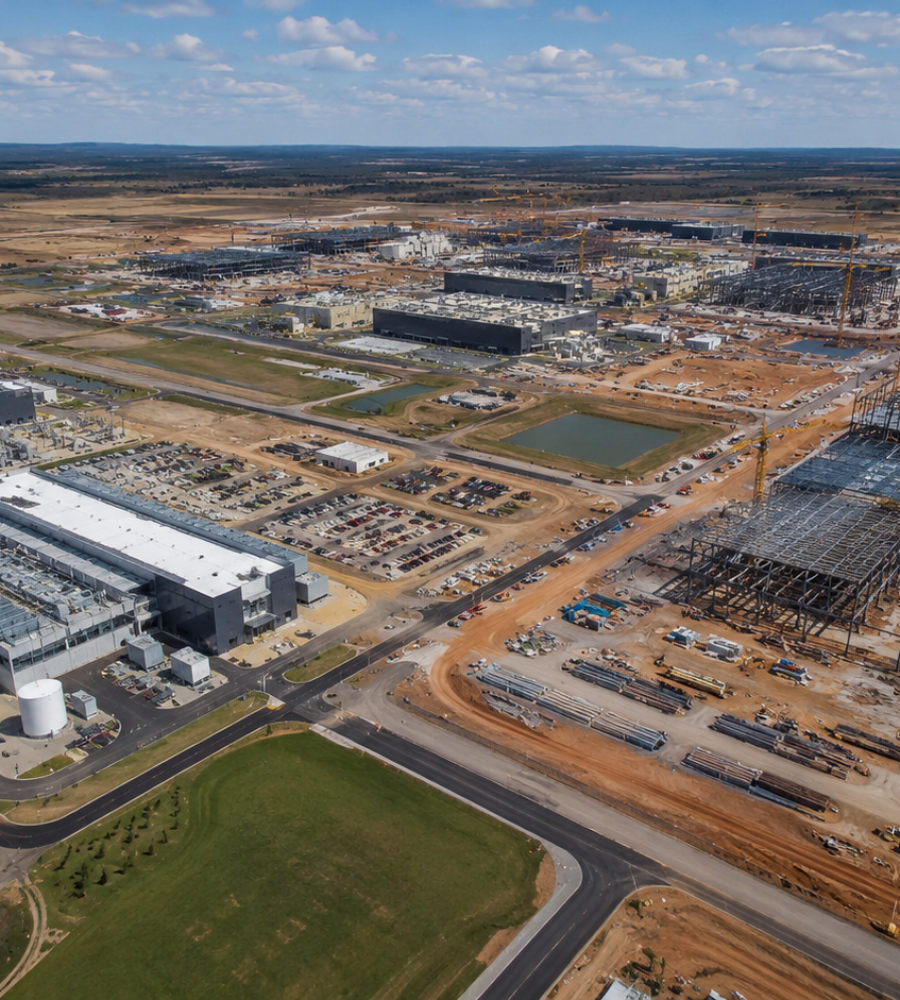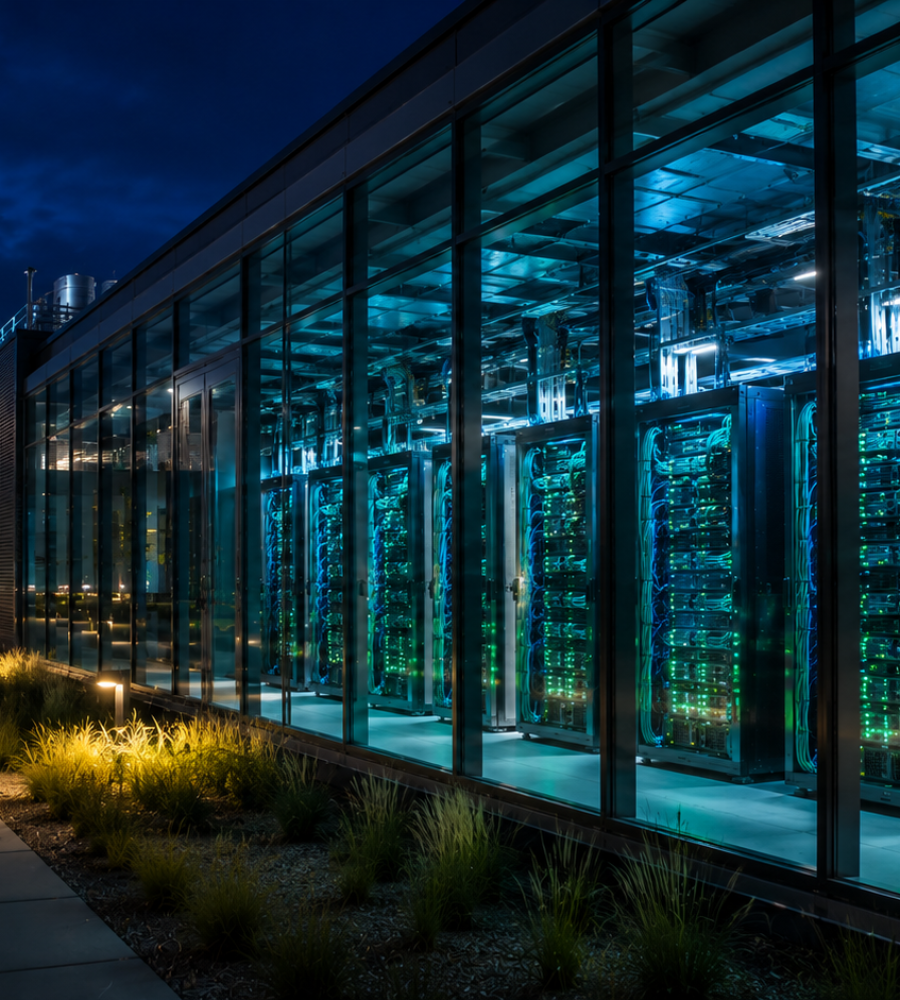

Citizens can see data centers under construction. They can calculate energy requirements. They can also attend zoning meetings and challenge permits. Moreover, existing regulatory frameworks allow officials to evaluate infrastructure impacts. By contrast, artificial intelligence presents a different challenge.
Algorithmic decision-making does not arrive with a groundbreaking ceremony. Workforce disruption does not require a building permit. Synthetic media does not consume visible acreage. Environmental impact assessments do not measure how a small number of technology ecosystems concentrate digital power. As a result, public debate gravitates toward issues that appear more immediate and measurable.
The Arkansas debate highlights how infrastructure discussions intersect with broader public concerns about the pace and implications of AI adoption. In many cases, communities find it easier to challenge a facility than to confront questions about how automated systems may reshape labor markets, information ecosystems, education models, and public institutions.
Meanwhile, physical infrastructure often draws immediate public scrutiny, while AI adoption creates downstream effects that emerge over longer time horizons. Consequently, policymakers must balance infrastructure oversight with broader questions about AI governance, accountability, and economic impact as organizations expand AI adoption across sectors.
Infrastructure Is Becoming The Convenient Villain
Major technological transitions have often generated visible focal points for public debate and regulatory scrutiny. Factories represented industrialization. Power plants symbolized energy transitions. Telecommunications towers became focal points during the expansion of mobile networks.
Today, data centers rank among the most visible focal points in public discussions about AI development. They represent one of the most tangible components of an AI ecosystem that otherwise operates largely through software, algorithms, and cloud services. This visibility makes them politically attractive targets for scrutiny.
Regulators can inspect data centers. Governments can oversee them through traditional permitting processes. Unlike software systems, they occupy specific geographic locations. That visibility creates a risk. Infrastructure discussions can attract more public attention than broader debates about AI governance, deployment, and long-term societal impact.
A community may spend months debating power consumption while devoting far less attention to how AI-generated content could influence public trust. Policymakers may focus on utility demand projections while overlooking the implications of automated decision-making in government services. Public hearings may examine construction impacts without addressing how AI could alter employment patterns across entire industries.
The result is not that infrastructure concerns become irrelevant. The problem is that infrastructure concerns can become disproportionately dominant. Some observers argue that infrastructure oversight alone may not answer broader policy questions about how governments, companies, and institutions deploy and govern AI systems.
Data centers enable artificial intelligence, but they do not determine how companies develop AI, how organizations deploy it, how markets commercialize it, or how institutions incorporate it into society. Those decisions occur elsewhere.
The Hardest AI Questions Have Barely Entered Public Debate
Many AI-related policy issues extend beyond the scope of local infrastructure discussions, and policymakers, regulators, economists, and industry leaders often examine them through separate regulatory, economic, and governance frameworks. Workforce transformation represents one example.
Organizations across sectors continue evaluating how generative AI can automate tasks that human workers currently perform. Researchers, businesses, and policymakers still debate the long-term effects on employment structures, wage distribution, workforce training, and professional development.
These questions carry economic implications that extend far beyond electricity demand forecasts. The same dynamic applies to education. Educators, institutions, and policymakers continue debating how future generations should learn alongside AI. Misinformation presents another emerging concern. Policymakers, researchers, and public institutions frequently examine these developments in settings separate from infrastructure permitting and development. The distinction highlights a recurring policy challenge.
Visible infrastructure changes can attract immediate public attention, while systemic technological shifts often develop more gradually. Many of AI’s potential long-term effects emerge through workflows, decision systems, and digital interactions rather than through physical construction projects. Consequently, policymakers, regulators, and institutions often face greater difficulty identifying and regulating those effects.
The Real Battle Is Over Power, Not Power Consumption
Much of the current discussion treats AI as an infrastructure challenge. Another perspective frames AI as a question of how technological capabilities, resources, and decision-making authority are distributed across institutions and markets. Beyond infrastructure requirements, policymakers, researchers, and industry stakeholders continue to debate how AI systems should be governed as they play a growing role in economic activity, information flows, and institutional decision-making.
As AI capabilities expand, influence concentrates around organizations with access to advanced models, large-scale computing resources, proprietary datasets, and global distribution networks. That concentration creates governance questions that infrastructure reviews cannot resolve.
Who determines how algorithms operate? Who audits decision-making systems? Who establishes accountability standards when AI systems influence outcomes in healthcare, education, employment, finance, or public administration? Who benefits most from productivity gains generated through automation?
These issues reach beyond Arkansas. They represent national and global policy challenges that will persist regardless of where data centers are built. Infrastructure debates can shape deployment timelines. They cannot fully address questions of technological power. The distinction is critical because AI adoption continues accelerating across sectors. Communities that focus exclusively on facilities may discover that the most significant decisions occurred elsewhere.
Today’s Data Center Backlash May Be The Easiest AI Problem Society Faces
The Arkansas debate deserves attention because it reflects legitimate concerns about infrastructure development. But it also serves as a warning. Public discourse risks becoming trapped at the most visible layer of the AI ecosystem while deeper transformations advance beneath the surface. Data centers are important. They consume resources. They influence local economies. They raise valid environmental and policy questions. They are also the easiest part of the AI challenge to understand. Buildings can be measured. Power demand can be modeled. Permits can be approved or rejected.
Questions surrounding algorithmic influence involve technical, legal, and governance considerations that can be more difficult to evaluate. Workforce displacement is more difficult to predict. Synthetic reality is harder to regulate. Concentrated digital power presents governance questions that existing frameworks may struggle to answer.
That is why the current backlash should be viewed as the opening chapter rather than the main story. Society is confronting AI where it feels most comfortable: through infrastructure, construction, and resource allocation. The more difficult debate lies ahead. As AI becomes more deeply integrated into workplaces, education systems, healthcare, and public services, policymakers may face a broader range of governance and oversight questions than those associated with infrastructure development alone.
The buildings were never the story. They were merely the visible entrance to it.