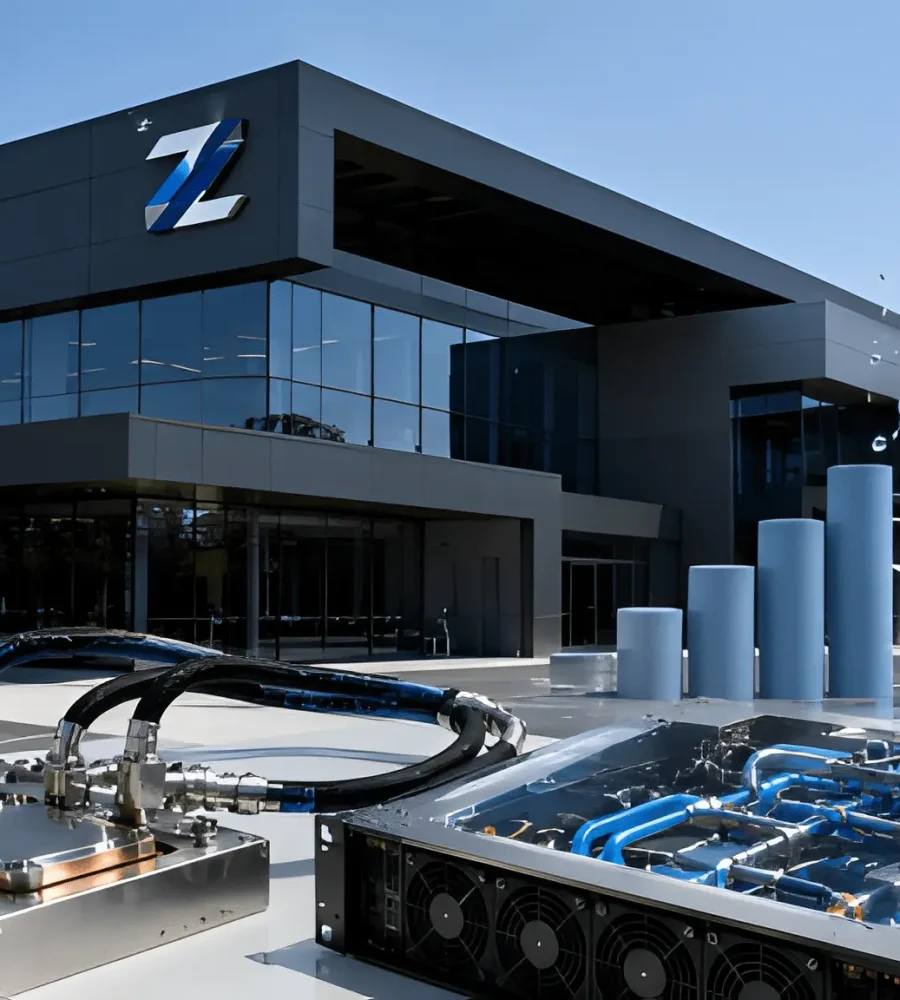

A modern AI campus can account for every watt, every processor cycle, and every percentage point of energy efficiency while still overlooking one of the largest physical inventories moving through its thermal ecosystem. Cooling fluid often receives less strategic attention than power infrastructure and computing hardware because it operates within pipes, manifolds, heat exchangers, immersion tanks, and distribution systems that sit behind computational capacity. Procurement teams often classify it as an operational material, while sustainability teams focus on electricity consumption, water use, and emissions reporting frameworks that receive greater public attention. That separation creates a visibility gap that becomes increasingly important as liquid cooling expands across high-density computing deployments. Direct-to-chip cooling, immersion cooling, and hybrid liquid architectures all depend on substantial volumes of specialized fluids that carry environmental, regulatory, and lifecycle implications beyond thermal performance alone. The result is a growing disconnect between how organizations account for computing infrastructure and how they account for the materials that make that infrastructure possible.
Conversations around AI infrastructure frequently concentrate on power availability, grid interconnection timelines, and hardware procurement cycles because those variables directly affect deployment schedules. Chemical inventories receive far less attention despite representing assets that must be manufactured, transported, monitored, maintained, replaced, and eventually disposed of under increasingly complex environmental frameworks. Regulatory scrutiny surrounding fluorinated substances, industrial chemicals, waste streams, and supply-chain transparency has expanded across multiple jurisdictions, creating new compliance considerations for cooling technologies. Changes affecting specialty cooling fluids demonstrate how environmental oversight can influence technology supply chains long before equipment reaches production environments. Several cooling-fluid categories have already experienced market disruption driven by regulatory and environmental concerns, highlighting the importance of lifecycle accountability. What once appeared to be a maintenance topic increasingly intersects with governance, risk management, procurement strategy, and sustainability reporting.
The Heaviest Asset Nobody Reports
Liquid cooling discussions often emphasize thermal efficiency while overlooking the physical mass of fluid required to support continuous computing operations. Every liter introduced into a cooling environment arrives with upstream manufacturing inputs, transportation requirements, packaging materials, storage obligations, and eventual replacement considerations. Those characteristics mean coolant inventories can be evaluated through a lifecycle-management lens similar to other managed industrial materials rather than solely as consumables. Financial reporting systems track acquisition costs with precision, while environmental reporting requirements may focus on other material categories unless coolant-related disclosures are specifically required. That imbalance can obscure the cumulative environmental burden associated with large-scale coolant deployment. As liquid cooling becomes more prevalent across AI infrastructure, inventory accountability increasingly matters alongside thermal performance.
The environmental significance of cooling fluid does not emerge from a single event but from an accumulation of lifecycle activities. Production requires chemical processing, quality assurance, packaging, warehousing, and transportation before the fluid reaches a deployment location. Storage introduces inventory management requirements that extend throughout operational life. Maintenance programs often require sampling, conditioning, filtration, replenishment, and replacement activities that generate additional material movement. End-of-life handling introduces another layer of environmental responsibility because disposal pathways vary according to chemistry, contamination levels, and regional regulations. Viewing coolant as an environmental asset rather than an operational supply creates a more complete picture of infrastructure accountability.
Environmental Risk Accumulates Long Before Failure Occurs
Risk assessments traditionally focus on catastrophic failures because major incidents generate immediate operational consequences. Environmental exposure develops differently because repeated handling activities can create cumulative obligations without triggering dramatic operational events. Every transfer, refill, storage procedure, and maintenance intervention introduces potential accountability requirements that may extend beyond engineering teams. Sustainability programs increasingly examine lifecycle impacts rather than isolated incidents, making material stewardship an important governance consideration. Cooling fluids therefore occupy a unique position where operational reliability and environmental accountability intersect. Organizations that evaluate only performance characteristics may miss emerging compliance risks embedded within material management practices.
Regulatory attention toward industrial chemicals continues to evolve as policymakers seek greater visibility into material lifecycles and environmental persistence. Developments involving fluorinated cooling fluids illustrate how environmental concerns can reshape technology decisions that once focused almost exclusively on engineering performance. Supply-chain changes affecting certain immersion-cooling chemistries demonstrate that environmental scrutiny can alter product availability, procurement strategies, and long-term planning assumptions. Those developments reinforce a broader lesson for AI infrastructure planning because material selection increasingly carries governance implications. Environmental accountability therefore begins long before a fluid enters service and continues long after it leaves operation. Cooling inventories now sit closer to strategic risk discussions than many infrastructure planners historically assumed.
Scope 3 Starts in the Drum
Organizations often evaluate emissions after equipment becomes operational because energy consumption generates measurable performance data. Cooling fluids challenge that perspective because a significant portion of environmental impact can exist before installation occurs. Manufacturing processes require feedstocks, chemical processing steps, refining activities, packaging materials, and logistics networks that collectively create embedded emissions. Procurement decisions therefore influence environmental outcomes well before cooling systems begin removing heat from processors. Scope 3 accounting frameworks increasingly encourage visibility into upstream supply-chain activities that contribute to lifecycle impacts. Cooling fluid procurement sits directly within that conversation because every delivery arrives carrying a manufacturing history.
Specialty cooling fluids frequently travel through complex global supply chains that include chemical producers, distributors, packaging operations, transportation providers, and storage networks. Each stage contributes environmental burdens that may remain invisible within conventional operational reporting. Procurement teams focused primarily on performance specifications can overlook upstream environmental characteristics when sourcing decisions prioritize thermal properties and availability. Sustainability reporting requirements increasingly encourage broader visibility into purchased goods and services, creating pressure to understand supplier practices in greater detail. Cooling-fluid sourcing therefore becomes more than a technical purchasing exercise. Material provenance increasingly influences how organizations evaluate environmental performance across infrastructure portfolios.
Supply Chains Carry Compliance Exposure Alongside Fluid
Environmental accountability increasingly extends beyond physical operations into supplier networks because regulators and stakeholders seek greater transparency regarding material origins. Cooling-fluid supply chains can include chemical formulations that face evolving environmental scrutiny depending on composition and jurisdiction. Recent developments involving PFAS-related products demonstrate how external regulatory actions can create operational consequences for downstream users. Organizations that understand supplier exposure gain greater visibility into potential continuity risks, compliance obligations, and future substitution requirements. Procurement therefore becomes an early-stage environmental risk management function rather than a purely commercial activity. Cooling-fluid selection increasingly reflects both engineering and governance priorities.
Supply-chain resilience now depends on more than manufacturing capacity because environmental regulation can influence material availability across entire product categories. The phaseout and discontinuation of several widely discussed fluorinated fluids revealed how environmental concerns can affect sourcing strategies throughout technology ecosystems. Infrastructure planners increasingly evaluate long-term availability, regulatory trajectories, and environmental characteristics alongside thermal performance metrics. That shift reflects a broader recognition that emissions accountability begins at the point of material creation rather than at the point of deployment. Scope 3 considerations therefore start long before coolant reaches a cooling loop. The drum arriving at a loading dock already contains a measurable environmental history.
Leak Events That Never Make the Sustainability Report
Environmental reporting frameworks often focus on material incidents because those events trigger formal investigations, corrective actions, and disclosure requirements. Cooling-fluid losses rarely fit that profile when individual incidents involve limited volumes and create no immediate operational disruption. Maintenance teams may address seepage, connector degradation, gasket wear, valve leakage, and fluid handling losses as routine operational matters rather than sustainability concerns. That approach makes practical sense from an engineering perspective because system uptime remains the primary objective during maintenance activities. Environmental accounting follows a different logic because repeated losses accumulate across years of operation regardless of whether any single event appears significant. The difference between operational significance and environmental significance creates a reporting blind spot that becomes more relevant as liquid-cooled infrastructure scales.
Direct-to-chip systems, immersion environments, filtration loops, and fluid distribution networks all require periodic intervention throughout their service life. Every maintenance activity introduces opportunities for minor fluid displacement, replenishment, containment adjustments, and handling-related losses. Engineers typically design procedures that minimize waste and maintain system integrity, yet no industrial fluid-management process operates entirely without material movement. Sustainability programs that evaluate only catastrophic releases may therefore overlook the cumulative environmental implications of routine operational losses. Material accountability increasingly requires attention to recurring activities that individually appear insignificant but collectively influence consumption patterns. A cooling program can maintain excellent reliability performance while still generating environmental impacts that deserve closer scrutiny.
Disclosure Thresholds Do Not Always Reflect Environmental Reality
Many reporting systems depend on thresholds because organizations need practical mechanisms for determining what requires formal disclosure. Threshold-based approaches help standardize reporting but can unintentionally obscure gradual environmental impacts that emerge through repetition rather than scale. Cooling-fluid losses provide a useful example because recurring small events often remain below disclosure criteria while still increasing replacement demand, transportation requirements, and lifecycle emissions. Sustainability professionals increasingly examine aggregate environmental outcomes rather than isolated operational incidents. That evolution reflects a broader shift toward material-flow accountability across industrial systems. Cooling inventories therefore attract attention not because of individual events but because of cumulative environmental consequences over time.
Regulators and reporting bodies continue expanding expectations around environmental transparency, supply-chain accountability, and resource stewardship. Those developments encourage organizations to understand material flows with greater precision across operational lifecycles. Cooling-fluid inventories fit naturally into that discussion because losses affect procurement volumes, waste generation, transportation activity, and environmental reporting assumptions. Evolving sustainability-reporting frameworks could place greater emphasis on lifecycle-management practices and resource-traceability considerations over time. Such changes would align environmental reporting more closely with how sustainability professionals evaluate resource consumption trends. The resulting shift could bring coolant accountability into governance discussions that historically focused on other operational categories.
The Emerging Waste Problem of AI Infrastructure
Discussion surrounding AI infrastructure frequently concentrates on deployment requirements because capacity expansion remains a dominant industry priority. Much less attention focuses on what happens when cooling fluids reach the end of their useful service life. Thermal degradation, contamination, chemical breakdown, particulate accumulation, and operational exposure can eventually reduce fluid suitability for continued use. Organizations must then determine whether regeneration, reconditioning, recycling, or disposal represents the most appropriate pathway. Each option introduces technical, environmental, logistical, and regulatory considerations that extend beyond ordinary maintenance planning. The growth of liquid cooling therefore expands not only cooling capacity but also long-term waste-management responsibilities.
Industrial waste management already operates within extensive regulatory frameworks designed to protect environmental quality and public safety. Cooling fluids may fall under different handling requirements depending on chemical composition, contamination levels, and jurisdiction-specific regulations. Classification decisions can influence storage requirements, transportation procedures, treatment options, documentation obligations, and disposal costs. Environmental oversight agencies increasingly expect organizations to maintain accurate records regarding material movement throughout disposal processes. That expectation transforms end-of-life management from a logistical task into a compliance function. Cooling-fluid governance therefore extends well beyond active operational service.
Waste Streams Will Expand Alongside Liquid Cooling Adoption
The expansion of liquid cooling introduces a corresponding increase in materials that eventually require processing outside operational environments. Growth in coolant deployment naturally increases the volume of fluid inventories that will reach maintenance, regeneration, or disposal decision points over time. Circular-economy principles encourage reuse and regeneration wherever technically feasible because those approaches reduce waste generation and resource consumption. Success depends on fluid chemistry, contamination levels, treatment capabilities, and regulatory acceptance of recovery processes. Some fluids can undergo conditioning and reintroduction into service, while others require more restrictive handling pathways. Lifecycle planning therefore becomes essential before a cooling technology enters production environments.
Environmental regulators increasingly examine industrial waste streams through the lens of traceability, contamination control, and lifecycle accountability. Cooling-fluid disposal aligns with those priorities because improper management can create environmental liabilities that persist beyond operational timelines. Disposal contractors, treatment providers, transportation companies, and waste handlers all become part of the compliance chain once material leaves active service. Documentation requirements often extend across multiple organizations before final treatment or disposal occurs. Effective governance therefore depends on maintaining visibility throughout the entire disposal pathway rather than only within operational boundaries. Continued growth in liquid-cooled AI infrastructure could increase regulatory attention toward thermal-management waste streams and their associated handling requirements.
Audit Trails Are Becoming Fluid Trails
Environmental governance increasingly depends on the ability to demonstrate where materials originated, how they moved through operations, and what occurred after their useful life ended. Financial assets have long operated within structured record-keeping systems that establish accountability across ownership and usage cycles. Cooling fluids increasingly require similar levels of documentation because sustainability reporting, regulatory oversight, and risk management expectations continue expanding. Procurement records alone no longer provide a complete picture of environmental stewardship. Organizations increasingly need visibility into chemical provenance, inventory movement, storage conditions, maintenance interventions, and disposal outcomes. That evolution transforms coolant management from an operational discipline into a governance function.
Chain-of-custody principles have become familiar across industries that manage sensitive materials, environmental obligations, and regulated substances. Similar concepts increasingly apply to cooling-fluid inventories because auditors seek verifiable evidence supporting environmental claims and compliance disclosures. Documentation may include supplier certifications, transport records, storage logs, maintenance histories, analytical testing reports, and disposal certificates. Strong documentation helps demonstrate that material management practices align with regulatory requirements and internal governance objectives. Weak documentation creates uncertainty regarding environmental exposure and compliance performance. Traceability therefore becomes a practical risk-management tool rather than an administrative exercise.
Auditors Want Evidence Rather Than Assumptions
Sustainability reporting continues moving toward assurance models that emphasize verification and documented evidence. Auditors increasingly evaluate whether environmental disclosures reflect measurable activities supported by reliable records. Cooling-fluid inventories can become relevant during broader environmental and operational reviews because material flows often span procurement, operations, maintenance, transportation, and disposal functions. Establishing a defensible record across those activities requires coordination between multiple teams and external service providers. Documentation gaps can undermine confidence in environmental reporting even when operational practices remain sound. Governance therefore depends on evidence that follows materials throughout their lifecycle.
Chemical accountability also supports resilience planning because organizations gain better visibility into supply-chain dependencies, replacement requirements, and regulatory exposure. Detailed records help identify which materials remain affected by emerging regulations and which inventories may require future transition strategies. Traceability can therefore inform procurement planning, environmental reporting, risk assessments, and compliance reviews simultaneously. Cooling-fluid governance increasingly resembles asset management because both disciplines depend on accurate lifecycle records. The distinction between operational inventory and governed environmental asset continues to narrow. Audit trails are gradually becoming fluid trails that extend from manufacturing origin to final disposition.
Expansion Plans Depend on More Than Technology Availability
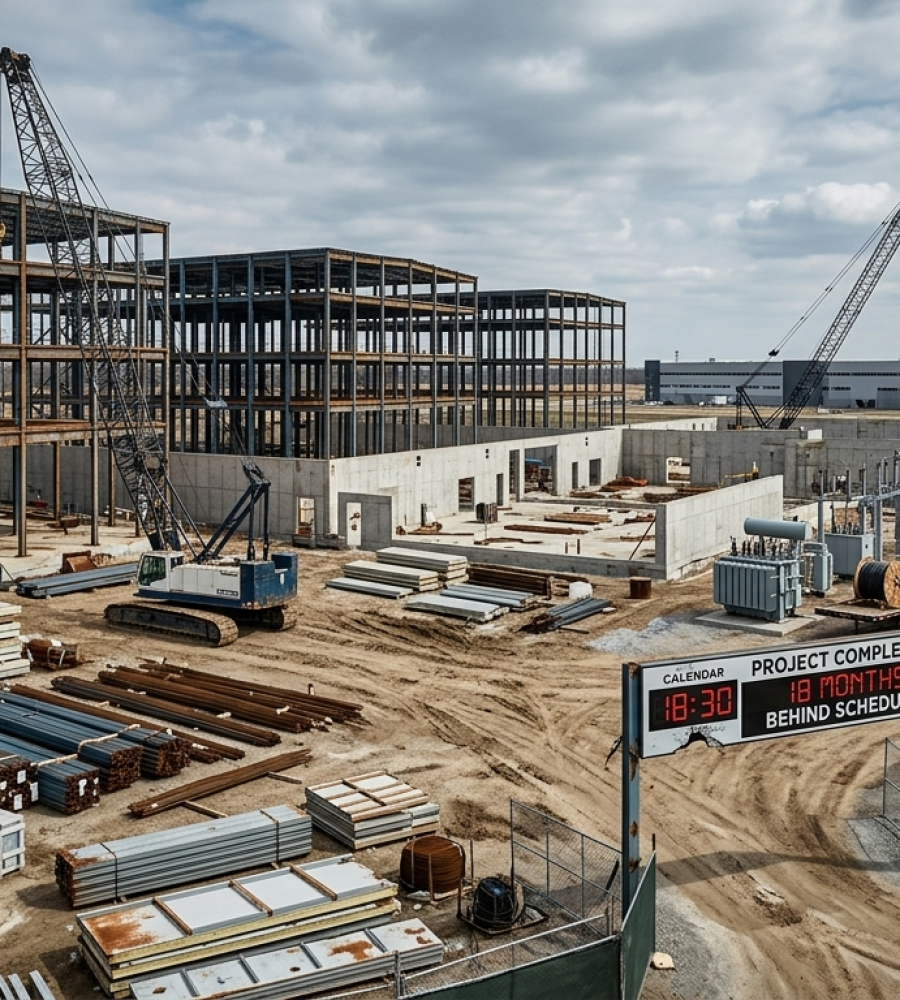
AI infrastructure expansion discussions often focus on processor supply, electrical capacity, and construction readiness because those variables directly affect deployment schedules. Environmental compliance introduces another layer of complexity that can influence project timelines regardless of technology availability. Cooling-fluid inventories may trigger requirements involving storage practices, spill prevention measures, emergency response planning, transportation controls, and chemical reporting obligations. Regulatory expectations vary across jurisdictions, creating location-specific considerations that planners must evaluate early in development cycles. Delayed attention to compliance requirements can complicate deployment schedules even when technical resources remain available. Capacity planning therefore increasingly intersects with environmental governance.
Permitting processes frequently examine how organizations intend to manage materials throughout operational lifecycles rather than focusing exclusively on equipment deployment. Authorities may evaluate storage arrangements, containment systems, waste-management procedures, documentation practices, and emergency-response capabilities before approving certain activities. Cooling-fluid inventories therefore influence project planning beyond their thermal function. Environmental oversight frameworks seek assurance that organizations can manage materials responsibly throughout operation and decommissioning phases. That expectation introduces planning requirements that extend beyond engineering specifications. Expansion strategies increasingly depend on environmental readiness as well as technological readiness.
Regulatory Complexity Can Influence Deployment Velocity
Compliance obligations rarely emerge from a single regulation because environmental oversight often involves multiple reporting, handling, transportation, and waste-management requirements operating simultaneously. Cooling-fluid programs may interact with chemical regulations, hazardous-material rules, storage requirements, environmental reporting obligations, and disposal standards depending on jurisdiction and fluid chemistry. Navigating those requirements requires coordination across technical, environmental, legal, and operational functions. Complexity increases further when infrastructure deployments span multiple regions with different regulatory expectations. Organizations that integrate compliance planning early generally gain greater visibility into potential constraints. Cooling-fluid governance therefore becomes an important component of deployment strategy rather than a post-deployment consideration.
Environmental accountability increasingly influences how regulators evaluate industrial growth because lifecycle impacts now receive greater attention than in previous decades. Cooling-fluid management sits within that broader trend because regulators seek clearer understanding of how materials move through operational ecosystems. Documentation, storage practices, waste handling, transportation controls, and reporting obligations collectively shape compliance outcomes. Strong governance frameworks help reduce uncertainty during expansion planning by establishing clear accountability structures before growth occurs. Environmental readiness increasingly supports deployment readiness. In some projects, compliance requirements can become a significant factor in deployment timelines alongside technology availability and construction readiness.
The Insurance Industry’s Next Data Center Question
Insurance assessments historically concentrated on operational continuity because downtime represented the most visible source of financial exposure within digital infrastructure environments. Risk models therefore evolved around electrical resilience, fire protection, physical security, equipment reliability, and business interruption scenarios that directly affected service availability. Liquid cooling introduces additional considerations because large fluid inventories create environmental obligations that extend beyond traditional uptime analysis. Underwriters increasingly examine how organizations manage materials capable of generating remediation costs, disposal liabilities, contamination concerns, and regulatory consequences following an incident. Environmental exposure does not need to result from a catastrophic event to influence risk calculations because insurers evaluate the probability and severity of multiple loss scenarios. Cooling-fluid governance therefore becomes relevant to insurance discussions even when operational performance remains strong.
Environmental risk evaluation typically focuses on management quality as much as material characteristics because governance practices often determine how effectively organizations prevent and respond to incidents. Insurers frequently seek evidence that inventory controls, containment measures, emergency procedures, contractor oversight, and documentation systems operate as intended. Cooling-fluid management practices can intersect with those expectations because material accountability may influence both environmental outcomes and potential claims exposure. Strong controls help demonstrate that organizations understand the risks associated with chemical inventories and maintain appropriate mitigation measures. Weak controls can increase uncertainty regarding potential losses, remediation requirements, and regulatory responses. The quality of fluid management therefore carries implications that extend beyond maintenance performance.
Underwriting Is Expanding Beyond Equipment Protection
Insurance markets continue adapting to changing industrial risk profiles as new technologies introduce unfamiliar exposure pathways. Liquid cooling represents one such transition because thermal-management systems increasingly involve materials that require lifecycle oversight rather than simple equipment maintenance. Underwriters may evaluate storage practices, fluid handling procedures, spill-response readiness, waste-management controls, supplier documentation, and environmental compliance records when assessing exposure. These considerations reflect a broader shift toward evaluating how organizations manage operational ecosystems rather than individual assets in isolation. Environmental accountability provides insurers with insight into whether risk-management practices extend throughout the material lifecycle. Cooling inventories therefore become part of a larger conversation about organizational resilience and governance quality.
Remediation costs often depend on factors that emerge long before an incident occurs, including documentation quality, containment planning, contractor selection, and inventory visibility. Organizations that maintain detailed records and structured governance processes generally possess stronger foundations for demonstrating compliance and supporting incident-response activities. Insurance providers recognize the value of such preparation because effective controls can reduce uncertainty during investigations and claims assessments. Cooling-fluid management increasingly contributes to that evaluation as liquid-cooled infrastructure expands across AI deployments. The result is a gradual shift in underwriting perspectives from purely operational reliability toward broader environmental accountability. As liquid cooling adoption expands, some insurance assessments may place greater attention on material stewardship alongside traditional uptime and resilience considerations.
Fluid Accountability Is Moving Into Strategic Decision-Making
The evolution of AI infrastructure has created a tendency to focus attention on the most visible components of computational growth, including processors, power systems, networking equipment, and energy consumption. Those elements remain important, yet liquid cooling has introduced a parallel layer of material accountability that receives far less public scrutiny. Cooling fluids now occupy a position where operational performance, environmental stewardship, compliance obligations, supply-chain transparency, and risk management converge. Their significance extends beyond heat removal because every stage of the lifecycle carries environmental and governance implications. Manufacturing, transportation, storage, maintenance, replacement, regeneration, and disposal activities collectively shape the broader impact of cooling programs. What appears operational at first glance increasingly functions as a governance concern.
Growing regulatory attention toward chemical accountability, waste management, environmental disclosure, and lifecycle traceability reinforces that transition. Cooling-fluid inventories no longer exist solely within engineering domains because auditors, sustainability professionals, regulators, insurers, and procurement teams increasingly interact with the same material flows. Decisions regarding chemistry selection, supplier evaluation, inventory management, and disposal pathways now influence broader organizational objectives. The convergence of these factors creates new expectations regarding transparency and documentation throughout the lifecycle. Organizations that evaluate coolant inventories through structured governance and lifecycle-management processes can obtain greater visibility into environmental exposure and operational responsibility. Material stewardship therefore becomes an integral component of infrastructure planning rather than an auxiliary activity.
Compute Accountability And Fluid Accountability Are Converging
The next phase of infrastructure maturity will likely involve deeper integration between operational metrics and material-governance frameworks. Energy efficiency, thermal performance, and computational density remain essential measures of infrastructure effectiveness, yet they no longer provide a complete representation of environmental accountability. Cooling fluids introduce lifecycle considerations that extend across procurement, logistics, operations, maintenance, compliance, waste management, and risk transfer functions. Each stage generates information that contributes to a more accurate understanding of environmental performance. Visibility into material flows therefore becomes increasingly valuable as stakeholders seek evidence supporting sustainability claims and governance practices. Accountability grows stronger when organizations understand not only how systems perform but also how the materials supporting those systems move through their lifecycle.
Future AI infrastructure planning may increasingly require environmental-management practices that receive a level of oversight comparable to that applied to computational capacity and operational performance. Organizations already invest significant effort into tracking power usage, equipment utilization, resilience metrics, and operational performance indicators. Similar discipline is beginning to emerge around material inventories that influence compliance exposure and environmental outcomes. Cooling fluids sit at the center of that shift because they connect physical infrastructure with broader governance responsibilities. The industry increasingly recognizes that thermal-management materials carry implications far beyond engineering specifications. Coolant is gradually becoming a measurable governance metric, and its accountability profile may prove as important to long-term infrastructure strategy as the compute resources it enables.