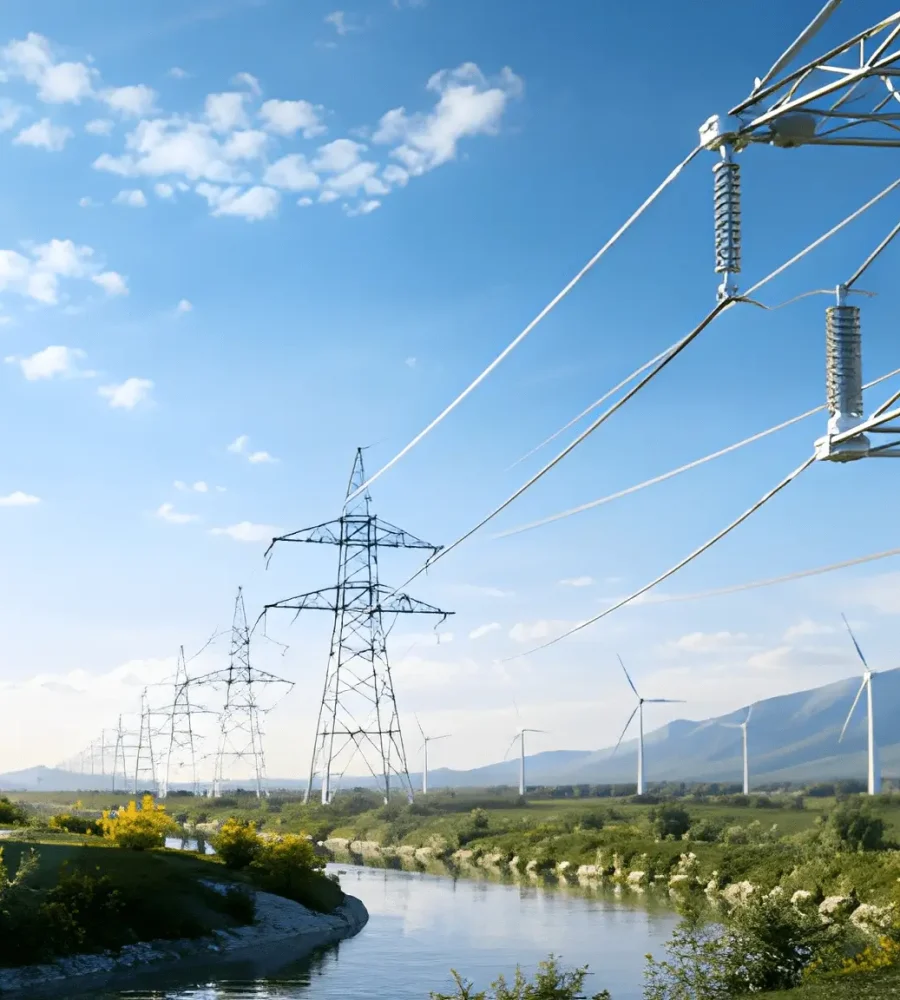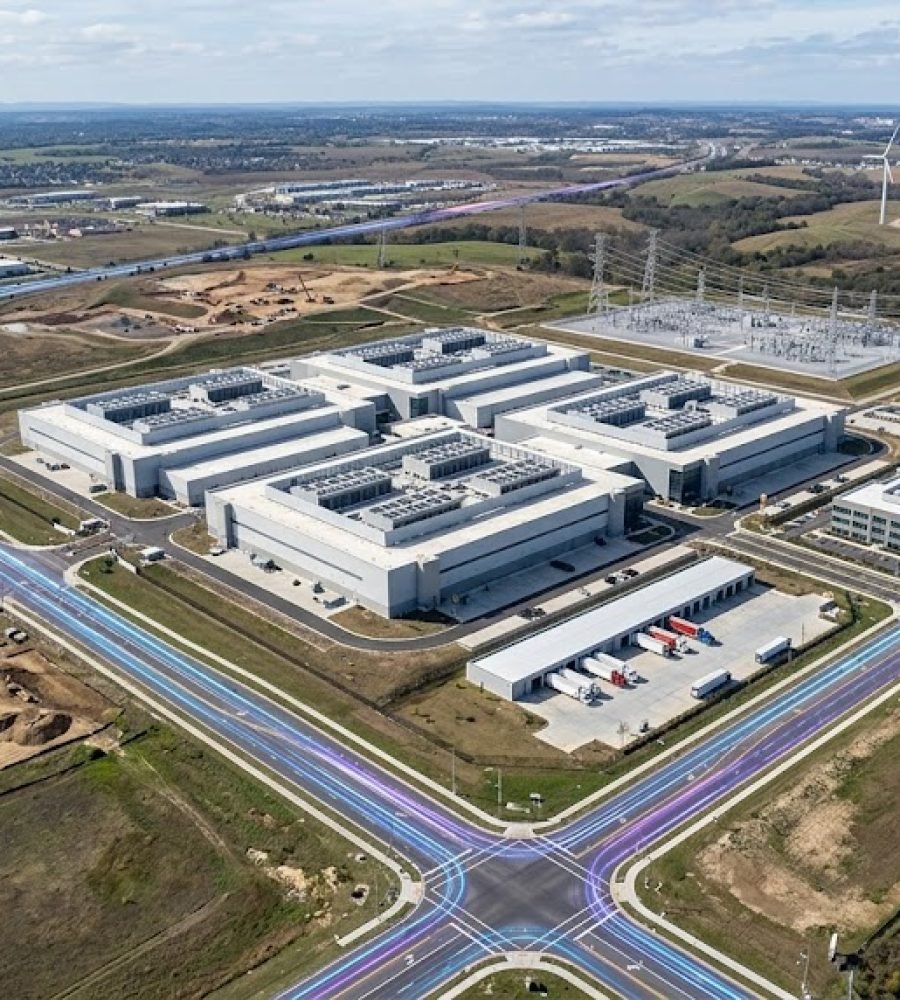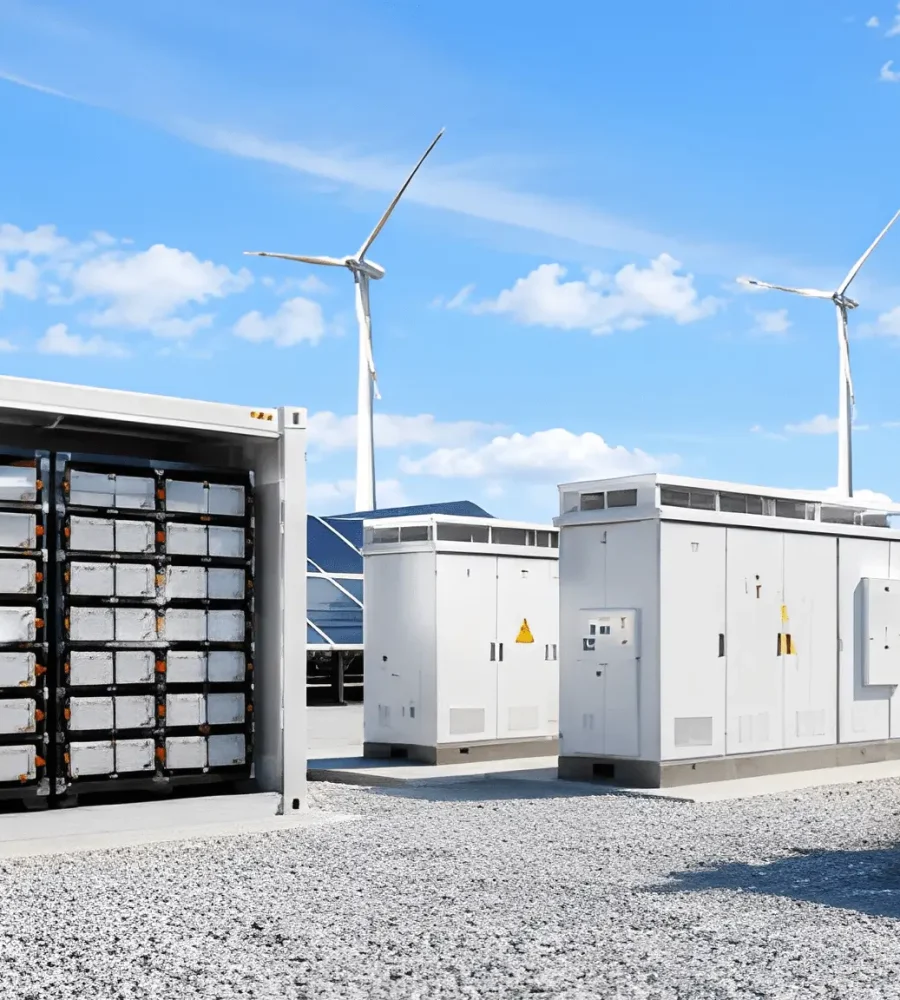
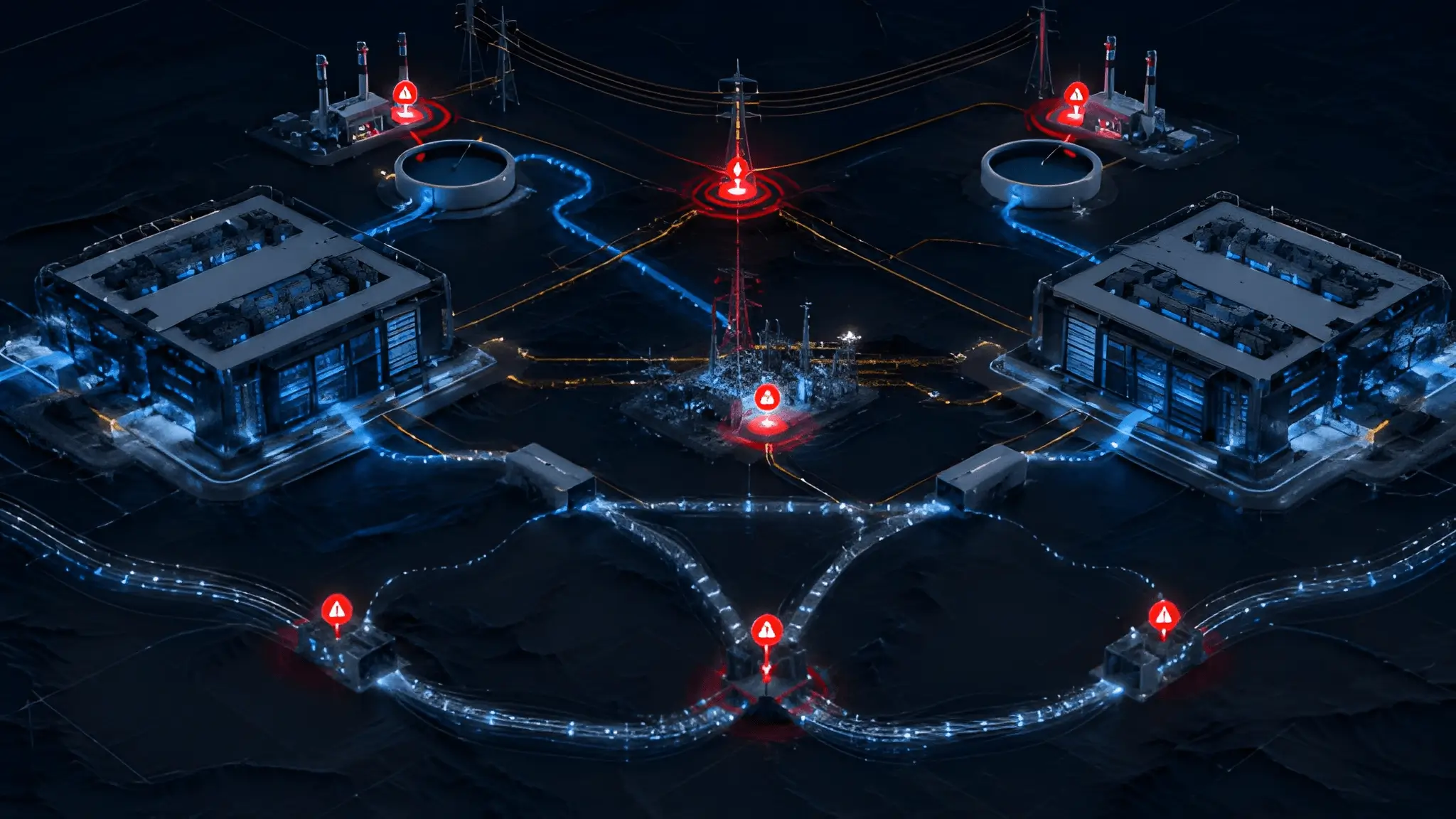
A redundancy promise often begins its life inside a contract and ends its test inside a crisis. Between those two moments sits a long chain of assumptions that many organizations never verify. Marketing language describes resilience, service agreements define availability targets, and architecture diagrams display clean separation between primary and secondary locations. Yet infrastructure failures rarely respect contractual boundaries. Power interruptions move across interconnected grids, water shortages affect multiple jurisdictions simultaneously, and transportation disruptions isolate regions that appeared independent on paper. The distinction between documented redundancy and demonstrated independence has therefore become one of the most important questions in modern infrastructure risk assessment.
The industry spent years improving redundancy inside individual sites. Multiple power paths, backup generation systems, redundant cooling architecture, diverse network providers, and segmented operational controls became common design objectives. Multi-site strategies expanded that philosophy by distributing workloads across separate locations. Many operators assumed that distance alone created resilience. Events involving grid instability, regional weather disruption, water restrictions, transportation interruptions, and regulatory actions have shown that separation measured in miles does not automatically create independence measured in risk exposure. A failover location can remain vulnerable to the same underlying dependency chain even when it exists in a different metropolitan area.
Contract Language vs. Physical Separation: Reading Between the Uptime Clauses
Infrastructure resilience now requires a wider lens. Physical buildings represent only the visible layer of a much larger system composed of substations, water networks, telecommunications corridors, transportation access routes, environmental permits, maintenance contractors, and emergency response frameworks. Every one of those components introduces a dependency that may extend across multiple sites. A redundancy audit therefore needs to examine the infrastructure ecosystem surrounding a location rather than the location itself. The objective shifts from proving that two sites are different to proving that they can fail independently. The challenge becomes even more significant as infrastructure density increases. Regional development often concentrates power transmission assets, fiber corridors, water infrastructure, and industrial services inside the same growth zones. Separate campuses may occupy different parcels while relying on overlapping utility pathways and administrative authorities.
Why Redundancy Definitions Rarely Describe Dependency Boundaries
Service agreements frequently describe redundancy through engineering terminology that appears precise while leaving critical questions unanswered. Terms such as N+1, concurrently maintainable, geographically diverse, or alternate recovery location provide valuable information about infrastructure design, yet they often reveal little about the dependencies that exist outside the site perimeter. A contract may confirm that two locations operate independently from an equipment perspective while remaining silent about shared transmission infrastructure, common water sourcing arrangements, or overlapping telecommunications corridors. Readers often focus on uptime commitments and overlook the infrastructure assumptions supporting those commitments. That omission creates a gap between contractual confidence and operational reality.
Many redundancy clauses define outcomes rather than dependency structures. The document specifies service availability expectations, recovery objectives, and failover commitments while dedicating far less attention to the physical pathways that support those outcomes. A secondary location may satisfy every contractual requirement while drawing power from the same transmission region as the primary site. Similar patterns appear in water infrastructure, network connectivity, and transportation access. The contract remains technically accurate because the sites are separate, yet the dependency model remains largely invisible. Effective audits begin by identifying what the agreement does not explicitly describe.
Language That Signals Genuine Infrastructure Independence
Certain contractual provisions provide stronger evidence of physical separation than standard redundancy terminology. References to independent utility service territories, diverse carrier entrance pathways, separate watershed sourcing, independent transmission routing, and distinct emergency management jurisdictions indicate that the infrastructure owner has examined dependencies beyond the building boundary. These clauses focus on the origin of critical services rather than simply their presence. That distinction matters because resilience depends on source diversity as much as equipment redundancy.
Infrastructure operators that document utility independence often provide traceable definitions for the supporting systems behind their redundancy claims. They identify the ownership structure of transmission assets, the routing logic behind network connectivity, and the administrative authorities governing essential resources. Such language creates an auditable trail rather than relying on generalized resilience statements. Auditors gain the ability to verify claims using external records instead of depending entirely on vendor-supplied diagrams. Independent verification becomes significantly easier when contractual language references identifiable infrastructure elements.
Red Flags Hidden Inside SLA Appendices
The most revealing information frequently appears outside the headline SLA commitments. Infrastructure dependencies often surface within utility disclosures, maintenance provisions, force majeure language, network routing appendices, and service exclusions. These sections sometimes acknowledge conditions that undermine the practical independence implied elsewhere in the agreement. Shared utility infrastructure, regional service dependencies, coordinated maintenance windows, and common operational providers occasionally appear in supporting documentation rather than primary resilience claims.
Audit teams increasingly review appendices before evaluating availability percentages because dependency exposure often hides within technical disclosures. A contract that promises geographic diversity while permitting shared regional utility infrastructure creates a fundamentally different risk profile than one that documents complete source separation. The objective is not to identify misleading language. The objective is to determine whether contractual redundancy corresponds to infrastructure independence in the physical world. That verification process forms the foundation of every meaningful resilience assessment.
The Single-Point Audit: Mapping Dependencies Beyond Facility Walls
Most infrastructure reviews stop once they identify utility feeds, backup generation assets, and telecommunications connections entering a site. That approach captures only a portion of the actual dependency landscape. Every utility service originates from a broader network containing its own concentration points, regulatory constraints, and operational bottlenecks. A power feed traces back through transmission infrastructure, regional generation sources, maintenance jurisdictions, and interconnection agreements. Water follows a similarly complex path through watersheds, treatment systems, pumping infrastructure, and distribution networks. The substation therefore represents a midpoint in the dependency chain rather than its beginning.
True resilience audits trace infrastructure services to their origin points. Auditors examine how resources reach a site, who controls those pathways, and which external conditions could disrupt them. This methodology frequently reveals hidden overlap between locations that initially appeared independent. Two campuses may connect to separate substations while relying on the same upstream transmission corridor. Separate water connections may ultimately draw from the same watershed or treatment infrastructure. Dependency mapping transforms redundancy assessment from a site-level exercise into a network-level investigation.
Watersheds, Water Mains, and Regional Utility Coupling
Water infrastructure often receives less scrutiny than electrical infrastructure despite introducing comparable concentration risks. Many resilience strategies assume separate sites possess independent water access because they connect to different municipal distribution networks. That assumption frequently breaks down when auditors examine the sourcing layer beneath those networks. Separate municipalities can draw water from the same reservoir system, treatment plant, watershed authority, or regional distribution framework. Drought restrictions, contamination events, infrastructure failures, and regulatory interventions can therefore affect multiple locations simultaneously despite apparent separation at the customer connection level. A resilience audit that stops at the water meter misses the operational reality of shared sourcing dependencies.
Regional utility coupling creates additional complexity because modern infrastructure systems increasingly operate through interconnected service arrangements rather than isolated local networks. Municipal providers often maintain emergency interconnects, shared treatment resources, and cooperative supply agreements designed to improve continuity during localized disruptions. Those arrangements provide operational benefits while also creating pathways through which broader failures can propagate across multiple jurisdictions. Auditors therefore examine not only where water enters a site but also where that water originates, who controls its allocation, and which neighboring systems influence its availability. The resulting dependency map often reveals relationships that traditional redundancy reviews never identify.
Jurisdictional and Right-of-Way Dependencies Outside Utility Infrastructure
Physical infrastructure depends heavily on administrative infrastructure. Permits authorize utility upgrades, environmental approvals govern resource access, transportation authorities control critical corridors, and third-party right-of-way agreements determine whether infrastructure can expand, repair, or reroute during disruptions. A failover strategy may appear technically sound while remaining vulnerable to a single administrative decision affecting both sites. Dependency audits increasingly incorporate these governance layers because regional events often trigger regulatory actions that influence multiple infrastructure assets simultaneously.
Right-of-way exposure deserves particular attention because many critical services traverse land controlled by entities unrelated to the infrastructure operator. Fiber routes cross transportation corridors, water pipelines pass through easements, and utility lines depend on access agreements that may affect several locations at once. Shared rights-of-way create common points of exposure even when infrastructure systems themselves appear distinct. Auditors therefore map ownership, control, and maintenance responsibilities across every major service pathway. The goal is to identify dependencies capable of creating correlated failure modes beyond the physical boundary of a site.
Diversity on Paper, Proximity in Practice: Measuring True Geographic Isolation
Geographic separation remains one of the most frequently cited indicators of resilience. Contracts often reference locations hundreds of miles apart as evidence of failover diversity. Distance certainly reduces some risks, yet it provides only a partial measure of independence. Infrastructure disruptions rarely expand outward in perfect circles. They follow utility corridors, weather systems, transportation networks, administrative boundaries, and resource dependencies that may stretch far beyond a single metropolitan area. Two sites separated by significant distance can still share critical exposure to the same regional conditions.
Resilience audits increasingly evaluate geographic independence through exposure analysis rather than mileage calculations. Auditors examine whether locations occupy the same climate risk zone, depend on overlapping utility regions, share transportation dependencies, or fall within common emergency management frameworks. This approach shifts the conversation from physical distance to operational isolation. A shorter separation between two genuinely independent sites may provide stronger resilience than a greater distance between locations exposed to the same systemic risks. Geography matters, but dependency geography matters far more.
Shared Regional Failure Modes Across Seemingly Separate Sites
Several categories of infrastructure risk routinely cross large geographic areas. Seismic regions extend across multiple jurisdictions. Watershed systems span entire states. Grid disturbances propagate through interconnected transmission networks. Wildfire smoke affects broad territories regardless of municipal boundaries. Transportation disruptions influence logistics corridors serving multiple locations simultaneously. These risks challenge the assumption that physical separation automatically delivers resilience. Modern risk modeling therefore evaluates regional failure modes before assessing site-specific vulnerabilities. Auditors determine whether an event capable of affecting one location could reasonably influence another through shared environmental, utility, or transportation conditions. This methodology frequently uncovers hidden correlations between locations that otherwise appear independent. Infrastructure resilience depends not only on avoiding direct overlap but also on avoiding common exposure to the same regional disruption mechanisms. Effective failover planning addresses both dimensions.
Infrastructure Context Matters More Than Postal Address Separation
Postal addresses often create a misleading impression of independence because they emphasize administrative separation rather than infrastructure context. Two locations may occupy different cities while relying on the same transportation corridor, transmission region, emergency response structure, or resource network. Auditors increasingly focus on infrastructure geography rather than political geography because infrastructure systems rarely align neatly with municipal boundaries. Infrastructure context analysis evaluates how a location interacts with the surrounding environment. Questions extend beyond distance and into operational connectivity. Which roads support emergency access? Which transmission assets provide power? Which authorities coordinate disaster response? Which resources sustain operations during prolonged disruptions? These factors determine whether a failover site truly functions independently when conditions deteriorate. Geographic isolation therefore becomes a multidimensional measurement rather than a simple mileage calculation.
The Permitting Jurisdiction Overlap That Undermines Failover
Infrastructure planning frequently assumes that different counties, municipalities, or development zones represent separate risk environments. Administrative maps encourage that assumption because they create visible distinctions between locations. Infrastructure systems follow a different logic. Water districts extend across municipal borders, environmental oversight agencies govern broad regions, and emergency response frameworks often coordinate multiple jurisdictions through centralized command structures. Two sites may therefore appear separate politically while remaining interconnected operationally. Resilience audits increasingly investigate the authorities governing critical infrastructure rather than focusing exclusively on site geography. Auditors identify which agencies oversee water allocation, environmental compliance, emergency operations, transportation access, and utility regulation. This review often reveals substantial overlap between locations marketed as independent. Regulatory concentration introduces a category of risk that traditional redundancy models frequently overlook. Administrative separation does not necessarily create operational independence.
Large-scale disruptions frequently produce coordinated administrative actions affecting broad geographic areas. Drought conditions may trigger regional water restrictions. Environmental incidents can suspend permitting activity across multiple jurisdictions. Severe weather events often activate centralized emergency response mechanisms that prioritize resource allocation according to regional objectives rather than local preferences. These responses serve important public functions while simultaneously exposing shared dependencies between infrastructure sites. A redundancy strategy that ignores regulatory concentration may overestimate failover capability during exactly the conditions it intends to address. Infrastructure systems require continued access to resources, transportation routes, maintenance personnel, and operational approvals. When multiple sites depend on the same governing authorities, a single administrative decision can affect both locations simultaneously. Auditors therefore evaluate regulatory exposure alongside physical infrastructure exposure. Resilience depends on both dimensions.
Auditing Governance Dependencies Before They Become Operational Risks
Governance dependency audits begin by mapping the institutions controlling critical resources and operational permissions. Water authorities, environmental regulators, transportation agencies, utility commissions, and emergency management organizations all influence infrastructure availability during disruptive events. Auditors document these relationships to determine whether failover locations rely on overlapping decision-making structures. The exercise often uncovers concentrations invisible within traditional engineering reviews. Organizations increasingly recognize that infrastructure resilience extends beyond technical architecture into administrative architecture. A failover site may possess independent power systems, separate network connectivity, and distinct physical infrastructure while remaining vulnerable to a common regulatory constraint. Demonstrable resilience therefore requires diversity across governance structures as well as technical systems. Infrastructure independence becomes significantly more credible when operational continuity does not depend on the same authorities making the same decisions under the same conditions.
Third-Party Easement Exposure Inside Multi-Site Promises
Infrastructure resilience discussions often focus on assets that operators own directly. Substations, network equipment, backup generation systems, cooling infrastructure, and physical buildings receive extensive scrutiny because they sit within the visible boundary of operational control. The more consequential dependencies frequently exist outside that boundary. Utility services travel through corridors controlled by transportation authorities, private landowners, utility cooperatives, railway operators, pipeline companies, and telecommunications providers. Those corridors form the connective tissue that allows infrastructure to function. A failover strategy may appear fully independent until an audit examines the pathways linking each site to the resources it requires.
Fiber infrastructure provides a common example. Separate sites often contract with different service providers and maintain diverse network entrances. Detailed route analysis occasionally reveals that those services occupy the same conduit system, cross the same transportation corridor, or depend on the same regional right-of-way agreement. Similar patterns emerge in water transmission systems, fuel delivery routes, access roads, and utility corridors. Physical diversity at the endpoint can conceal substantial concentration within the supporting infrastructure. Resilience audits therefore examine route ownership and route control with the same rigor applied to endpoint redundancy.
Shared Access Corridors Create Correlated Failure Modes
Correlated failure risk increases when multiple infrastructure services rely on the same physical corridor. Road construction, environmental incidents, utility maintenance activity, flooding, land subsidence, transportation accidents, or legal disputes can affect every service sharing that pathway. Independent sites may lose connectivity, resource access, or operational support simultaneously because a single corridor disruption affects all supporting infrastructure. Traditional redundancy reviews often miss these scenarios because they evaluate systems separately rather than tracing their physical convergence points. Modern infrastructure density amplifies this challenge. Regional development frequently encourages multiple utilities to occupy the same transportation easement or utility corridor because shared access simplifies construction and maintenance activities. The arrangement improves efficiency while concentrating risk. Auditors therefore map physical pathways rather than relying solely on service-provider diversity claims. The objective involves identifying where supposedly separate systems become physically intertwined. True independence requires diversity across the route as well as the service itself.
Ownership structures introduce another layer of dependency exposure. Infrastructure routes frequently cross land subject to private agreements, concession arrangements, utility access rights, and long-term easement contracts. A single entity may influence maintenance access, route expansion, emergency repairs, or operational continuity across multiple sites without appearing anywhere in a service-level agreement. Resilience assessments increasingly investigate these relationships because operational control often resides far beyond the infrastructure owner. Effective audits document who owns the land, who maintains the route, who authorizes access, and which legal agreements govern continuity. These questions move redundancy analysis beyond engineering diagrams and into infrastructure governance. Many multi-site architectures reveal surprising levels of concentration once ownership and access rights enter the evaluation process. A redundancy promise becomes substantially stronger when independent sites also maintain independent easement exposure. Physical separation alone rarely achieves that outcome.
Operational Independence: Staffing, Vendors, and Maintenance Windows
Physical independence often receives the majority of audit attention because infrastructure assets appear easier to measure than operational relationships. Yet numerous simultaneous service disruptions originate from shared processes rather than shared equipment. Two sites may maintain independent utility infrastructure, separate network architecture, and distinct physical locations while relying on the same operations team, maintenance contractor, security provider, or incident-response framework. Operational concentration introduces a category of risk that infrastructure diagrams rarely capture.
Modern infrastructure environments depend heavily on centralized operational models. Remote monitoring centers oversee multiple locations. Specialized maintenance teams support geographically distributed assets. Vendor ecosystems consolidate expertise across large regions. These arrangements improve efficiency while creating shared dependencies between sites marketed as independent. A staffing shortage, vendor outage, procedural error, or operational disruption can therefore affect several locations simultaneously. Resilience audits increasingly evaluate operational structures with the same intensity applied to physical infrastructure.
Vendor Concentration Frequently Hides Inside Resilience Programs
Vendor relationships often create unseen links between geographically dispersed locations. Organizations frequently diversify infrastructure assets while standardizing operational support through a smaller group of trusted service providers. Security monitoring, maintenance support, logistics coordination, network operations, and emergency response functions may all depend on common vendors. The resulting concentration remains difficult to detect because contracts typically emphasize site characteristics rather than operational ecosystem dependencies. An operational independence audit maps every external party involved in sustaining service continuity. Auditors identify where responsibilities overlap, where escalation paths converge, and where resource constraints could affect multiple locations at once. This exercise frequently uncovers shared support structures capable of undermining otherwise robust failover designs. Infrastructure resilience depends not only on separating assets but also on separating the organizations responsible for maintaining those assets under adverse conditions.
Maintenance scheduling represents one of the most underestimated operational dependencies in multi-site environments. Operators often coordinate maintenance windows across multiple locations to simplify resource allocation, vendor availability, and change management processes. While administratively efficient, this approach can reduce resilience by exposing multiple sites to elevated risk during overlapping periods of reduced redundancy. Simultaneous maintenance activity transforms independent infrastructure into a shared operational event. Auditors increasingly examine maintenance governance alongside infrastructure design. They evaluate change-control procedures, staffing allocation strategies, contractor scheduling practices, and operational recovery plans. The objective involves ensuring that resilience remains intact during maintenance activity rather than only during normal operations. Genuine operational independence requires separate decision pathways, separate resource availability, and separate maintenance exposure. Infrastructure resilience ultimately depends as much on human systems as on technical systems.
Verification Without Trust: Independent Data Sources for Infrastructure Audits
Infrastructure operators naturally present their environments through architecture diagrams, redundancy schematics, utility summaries, and operational documentation. These materials provide valuable insight into design intent, yet they rarely represent a complete dependency map. Vendor-produced documentation typically focuses on owned assets, contractual commitments, and operational capabilities. It may not fully describe upstream utility relationships, third-party easements, watershed dependencies, regulatory overlap, or regional infrastructure concentration. An audit that relies exclusively on operator-provided information therefore risks validating assumptions rather than verifying resilience.
Verification begins by treating every infrastructure claim as a hypothesis requiring external confirmation. If a provider states that power systems are independent, auditors examine transmission ownership records, utility service territories, interconnection documentation, and regional grid maps. If network diversity forms part of the resilience narrative, route disclosures, public infrastructure filings, and right-of-way records become relevant sources of evidence. This methodology shifts redundancy analysis away from trust-based validation and toward evidence-based confirmation. The objective does not involve challenging vendor integrity. The objective involves establishing whether operational independence remains demonstrable through independent sources.
H3: Public Infrastructure Records Often Reveal Hidden Dependencies
Many of the most useful audit resources already exist within publicly accessible records. Utility interconnection filings, environmental reviews, watershed management documents, transportation planning reports, zoning submissions, transmission expansion proposals, and emergency management frameworks frequently contain information unavailable within commercial marketing materials. These records describe how infrastructure interacts with the broader ecosystem supporting its operation. They often reveal concentration points, shared resources, planned upgrades, and operational constraints that affect multiple sites simultaneously. Municipal meeting minutes provide another valuable source of intelligence. Infrastructure projects often require discussions regarding water allocation, utility expansion, transportation access, environmental mitigation, and land-use coordination. These conversations create a documentary trail showing how local authorities view infrastructure dependencies and future development pressures. Auditors increasingly incorporate such records because they reveal conditions shaping operational resilience long before those conditions appear in service agreements. Public information frequently exposes the context surrounding infrastructure decisions in ways technical documentation cannot.
The strongest resilience assessments rely on corroboration rather than single-source verification. An infrastructure claim gains credibility when utility records, regulatory filings, environmental documentation, geographic analysis, and operational disclosures all support the same conclusion. Auditors therefore assemble evidence chains linking infrastructure assertions to independently verifiable data points. Each source contributes a piece of the broader dependency picture. Confidence increases when those pieces align consistently. This approach produces a more durable understanding of resilience because it remains valid regardless of changes in ownership, personnel, marketing language, or contractual framing. Infrastructure dependencies exist whether operators describe them or not. Independent verification simply makes those relationships visible. As infrastructure systems become more interconnected and resource constraints grow more prominent, evidence-based auditing increasingly replaces assumption-based resilience assessment. Verification without trust has become an operational necessity rather than an academic exercise.
From Contractual Comfort to Demonstrable Isolation
Multi-site redundancy once served primarily as a procurement requirement. Buyers sought assurance that workloads could continue operating if a primary location experienced disruption. Vendors responded with service commitments, availability targets, and architectural diagrams designed to demonstrate resilience. That framework proved adequate when infrastructure risk assessments focused largely on equipment failure and localized operational events. The environment surrounding modern infrastructure has changed considerably. Water availability, utility constraints, environmental exposure, transportation dependencies, regulatory intervention, and regional infrastructure concentration now influence resilience outcomes as much as internal site design.
As a result, redundancy can no longer be evaluated solely through contractual language. A failover site must demonstrate independence across physical resources, operational structures, governance frameworks, utility pathways, and third-party dependencies. Infrastructure resilience has evolved into a multidisciplinary audit exercise that extends far beyond traditional uptime calculations. Organizations increasingly recognize that availability commitments matter only when the supporting dependency structure can withstand real-world disruption. The focus shifts from promised resilience to observable resilience.
The New Standard Is Demonstrable Separation
Demonstrable separation requires evidence that critical services originate from independent sources, travel through independent pathways, operate under independent governance structures, and remain supportable through independent operational models. This standard extends well beyond the traditional definition of geographic diversity. Two sites may occupy different regions while sharing enough infrastructure dependencies to create significant correlated risk. Conversely, locations with carefully engineered separation across utility, operational, and administrative layers may achieve substantially stronger resilience despite shorter geographic distances. Infrastructure leaders increasingly evaluate redundancy through this broader lens because systemic failures rarely respect the boundaries established by service agreements. Water districts span jurisdictions. Transmission systems cross state lines. Emergency response frameworks coordinate across regions. Vendor ecosystems support multiple locations simultaneously. Demonstrable separation therefore requires a deeper understanding of how infrastructure functions within the larger environment surrounding it. Independence becomes something that must be proven rather than assumed.
The Future Of Redundancy Auditing Lies Beyond The Site Boundary
The most important lesson emerging from modern resilience reviews is that infrastructure risk rarely begins at the building and rarely ends there. Every critical service depends on external systems, external authorities, external pathways, and external relationships. Effective auditing therefore expands outward until those dependencies become visible. The substation becomes one node within a larger power ecosystem. The water connection becomes one link within a broader resource network. The failover site becomes one component inside a regional infrastructure landscape.
Redundancy theater thrives when infrastructure assessments stop at appearances. Demonstrable isolation emerges when auditors follow every dependency to its source, verify every resilience claim through independent evidence, and evaluate every operational relationship capable of creating correlated failure. That discipline transforms redundancy from a contractual comfort mechanism into a measurable resilience framework. Infrastructure risk has become too interconnected, too resource-dependent, and too regionally influenced for anything less. The organizations that understand this distinction will increasingly evaluate resilience not by how many sites exist within a strategy, but by how independently those sites can continue operating when conditions become difficult.