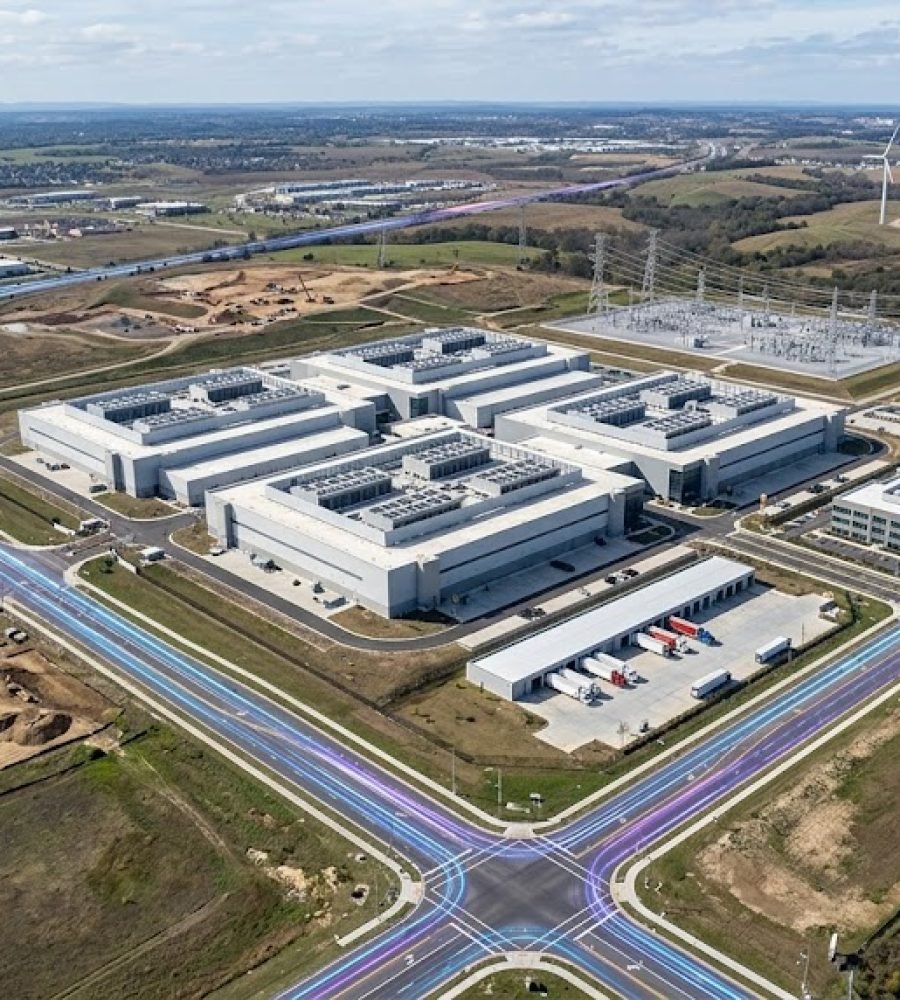
A decade ago, infrastructure buyers worried about securing land, power, and financing. Today, many of them worry about something far more difficult to guarantee: access. Recent AI infrastructure expansion has increased industry focus on semiconductor manufacturing capacity, power availability, and deployment timelines, all of which influence when large-scale compute infrastructure can become operational. In that environment, traditional procurement frameworks struggle to explain why infrastructure operators and semiconductor vendors are beginning to exchange equity-linked commitments alongside commercial agreements. The recently announced partnership between NVIDIA and IREN provides a useful lens into this shift because the structure combines infrastructure deployment plans, long-term commercial commitments, and warrants that could convert into a substantial equity position over time.
The most consequential infrastructure agreements in the AI economy no longer revolve around equipment purchases alone. They increasingly combine capital commitments, expansion roadmaps, and long-term commercial interests into a single structure that aligns multiple parties around future growth. That shift reflects a market where access to compute capacity depends as much on development timelines, power availability, and ecosystem coordination as it does on hardware procurement. Equity-linked arrangements make those relationships more visible because they disclose investment mechanisms, commitment horizons, and infrastructure ambitions that traditional supply contracts often leave undisclosed. For infrastructure operators, cloud providers, and enterprise buyers, the strategic value lies less in the transaction itself and more in what the structure reveals about how future capacity is being planned, secured, and prioritized across the AI supply chain.
The Warrant as a Capacity Futures Contract
Corporate warrants are traditionally used as financing and investment instruments, although they are increasingly appearing within broader strategic partnerships involving technology infrastructure and long-term development commitments. When a semiconductor supplier receives rights to acquire equity linked to future infrastructure expansion, the arrangement establishes a direct financial interest in the growth of the infrastructure platform identified in the agreement. The warrant effectively aligns incentives around deployment milestones, site development, and customer acquisition long before physical infrastructure reaches operational scale. The semiconductor industry commonly plans manufacturing and infrastructure deployment over multi-year horizons, particularly for advanced AI systems that require significant power, cooling, and supply-chain coordination. Capital and capacity start moving together under a shared framework that reduces uncertainty for both sides of the transaction.
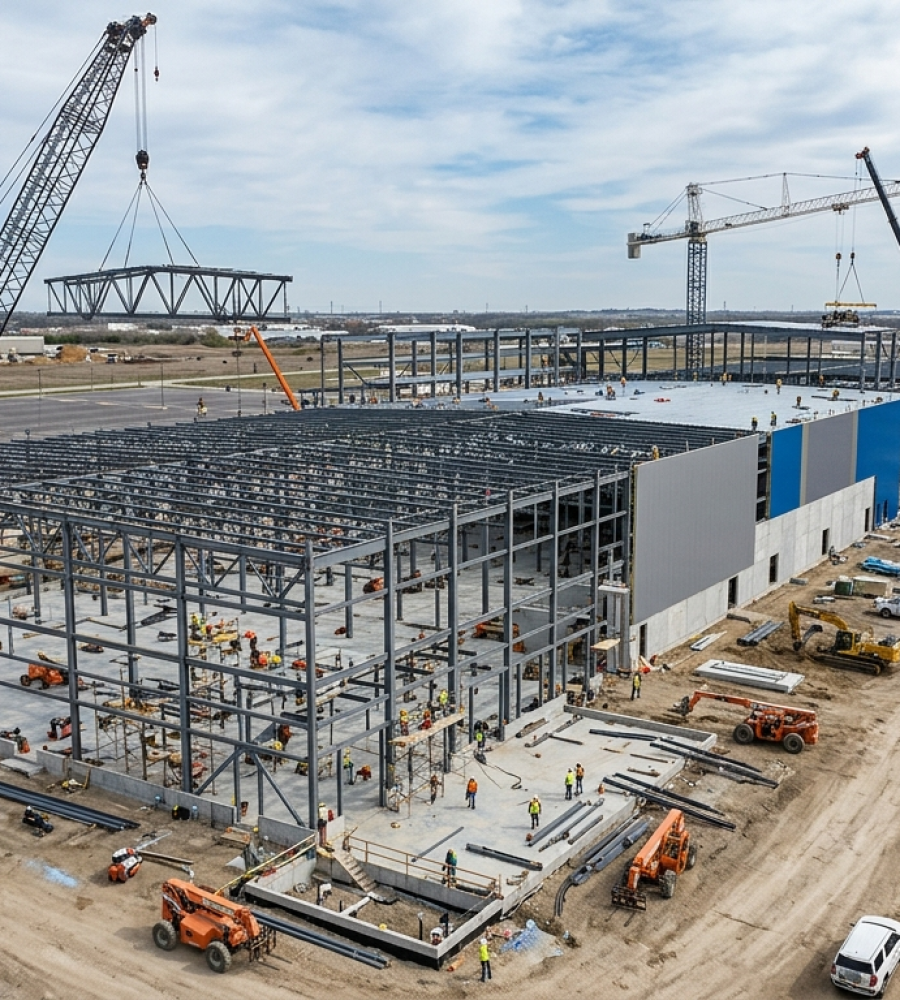
Viewed through that lens, the IREN arrangement functions less like a passive investment vehicle and more like a mechanism that helps coordinate future infrastructure development. The deployment roadmap extends across a multi-gigawatt pipeline, while the warrant creates an embedded economic interest in successful execution over a five-year period. Neither party must wait for every facility to be completed before aligning strategic incentives around expansion. Large AI infrastructure projects often require multi-year development schedules because power procurement, site construction, networking, and hardware deployment occur through sequential planning phases. Consequently, co-investment structures can operate as a bridge between future demand expectations and present-day capacity planning decisions.
When Chips Come With Strings Attached
Supply shortages rarely affect every customer equally because allocation frameworks determine who receives priority when constraints emerge. Commercial relationships once centered on pricing, delivery schedules, and service commitments, but strategic infrastructure partnerships now introduce additional layers of influence. Equity-linked arrangements create stakeholders rather than simply customers, which can alter incentives during periods of scarcity. Participants inside these ecosystems often gain earlier visibility into deployment plans, manufacturing roadmaps, and expansion opportunities. During previous semiconductor shortages, large customers with established supply agreements generally maintained stronger access to constrained components than buyers relying primarily on spot-market procurement.
Conditional provisions further complicate the picture because access rights often depend on milestones, approvals, and performance requirements embedded within broader agreements. Large alliances frequently bundle infrastructure commitments, service contracts, deployment obligations, and investment rights into a single strategic framework. That structure can improve execution certainty for major participants while simultaneously increasing barriers for organizations lacking similar scale. Different procurement models create different access mechanisms, with long-term contractual relationships typically providing greater predictability than ad hoc purchasing during periods of constrained supply. Many recent AI infrastructure agreements combine capital commitments, infrastructure development obligations, and long-term procurement arrangements within a single contractual framework. Market participants evaluating future compute requirements should therefore analyze partnership architecture as carefully as they analyze technical specifications.
The Alliance Premium: Paying for Access, Not Just Silicon
Spot markets often create the illusion that technology procurement revolves around unit pricing, yet infrastructure procurement follows a different economic logic. Buyers rarely pay only for hardware because they also pay for certainty, timing, integration support, and deployment assurance. Equity-linked partnerships introduce additional costs that may not appear immediately on procurement spreadsheets. Share dilution, warrant economics, governance considerations, and long-duration commitments all contribute to the effective cost of access. Understanding those costs requires a broader framework than traditional hardware purchasing models can provide.
The alternative, however, can prove equally expensive when organizations rely entirely on spot-market availability during periods of demand acceleration. Capacity shortages introduce operational risks that extend beyond procurement budgets because delayed deployments can affect product launches, revenue forecasts, and competitive positioning. Multi-year strategic commitments may therefore function as insurance policies against future scarcity rather than pure financing mechanisms. Multi-year strategic commitments can provide defined procurement relationships and deployment planning visibility that are unavailable through short-term purchasing arrangements. Evaluating alliance costs solely through upfront financial metrics may not capture the additional contractual rights, planning visibility, and infrastructure commitments embedded within the agreement.
The Exit Clause Nobody Models
Strategic partnerships often attract attention because of their announced scale, but their durability depends on provisions that receive far less public scrutiny. Warrants generally include conditions governing exercise rights, regulatory approvals, transfer restrictions, and other triggers that can influence outcomes over time. These provisions matter because infrastructure development unfolds across multiple years, creating numerous opportunities for market conditions to change. Share prices can move significantly, regulatory frameworks can evolve, and deployment schedules can shift. Any of those factors may affect whether expected investments ultimately materialize.
Assumptions about guaranteed future capacity therefore deserve careful examination whenever investment rights remain contingent on future events. A five-year warrant provides optionality rather than certainty because exercising that right depends on conditions existing at the relevant time. Public announcements often summarize transaction objectives, while detailed legal agreements may include conditions, approvals, and exercise provisions that influence final outcomes. That distinction becomes important when capacity forecasts incorporate future investments that have not yet been exercised. Nevertheless, sophisticated buyers increasingly evaluate downside scenarios alongside expansion projections because resilience often depends on understanding contractual contingencies before they become operational constraints.
Collateralized Confidence: What 30 Million Shares Signal About Roadmaps
Market participants often focus on the existence of a warrant while overlooking the information embedded within its design. Size, strike price, and duration collectively define the economic terms under which warrant holders may choose to participate in future equity appreciation. A warrant covering up to 30 million shares with a $70 exercise price establishes a framework that links participation to long-term performance rather than immediate ownership. Such structures generally indicate confidence that future developments can support valuation growth beyond current levels. They also create incentives for both parties to prioritize successful deployment outcomes over the life of the agreement.
Signals embedded within these arrangements extend beyond valuation assumptions because they also reflect confidence in infrastructure roadmaps. Multi-gigawatt deployment ambitions require coordinated execution across power procurement, site development, networking, cooling, and hardware availability. Long-duration warrants suggest that both sides view those execution pathways as sufficiently credible to justify alignment over several years. The partnership announcement links the warrant structure to plans supporting up to five gigawatts of AI infrastructure deployment within IREN’s development pipeline. Strategic investors rarely commit optional capital across extended periods without conducting detailed assessments of market durability and execution feasibility.
The Handshake Is the Hedging Strategy
Infrastructure markets increasingly reward participants that can hedge multiple forms of uncertainty simultaneously rather than addressing each risk independently. Power availability, deployment timelines, capital requirements, hardware allocation, and demand forecasting now interact within a single strategic equation. Equity-backed alliances combine investment rights, infrastructure development commitments, and commercial relationships within a single contractual structure. Participants share upside potential, distribute execution risk, and improve planning visibility across longer horizons. As a result, the economic value of the relationship often extends far beyond the immediate transaction being announced.
The broader lesson from arrangements such as the NVIDIA-IREN partnership is not that every infrastructure buyer should pursue identical structures. Instead, the deal illustrates how strategic actors increasingly treat access as an asset class that requires active risk management. Recent AI infrastructure transactions increasingly combine procurement agreements, infrastructure development plans, financing arrangements, and strategic investment components within the same deal structure. Therefore, organizations evaluating such agreements often review not only hardware pricing but also deployment commitments, investment terms, infrastructure availability, and contractual rights. The most valuable outcome in these agreements may not be ownership, revenue, or even deployment volume, but the ability to reduce uncertainty before the next constraint emerges.