AI’s Physical Footprint Is Growing Alongside Its Digital Reach
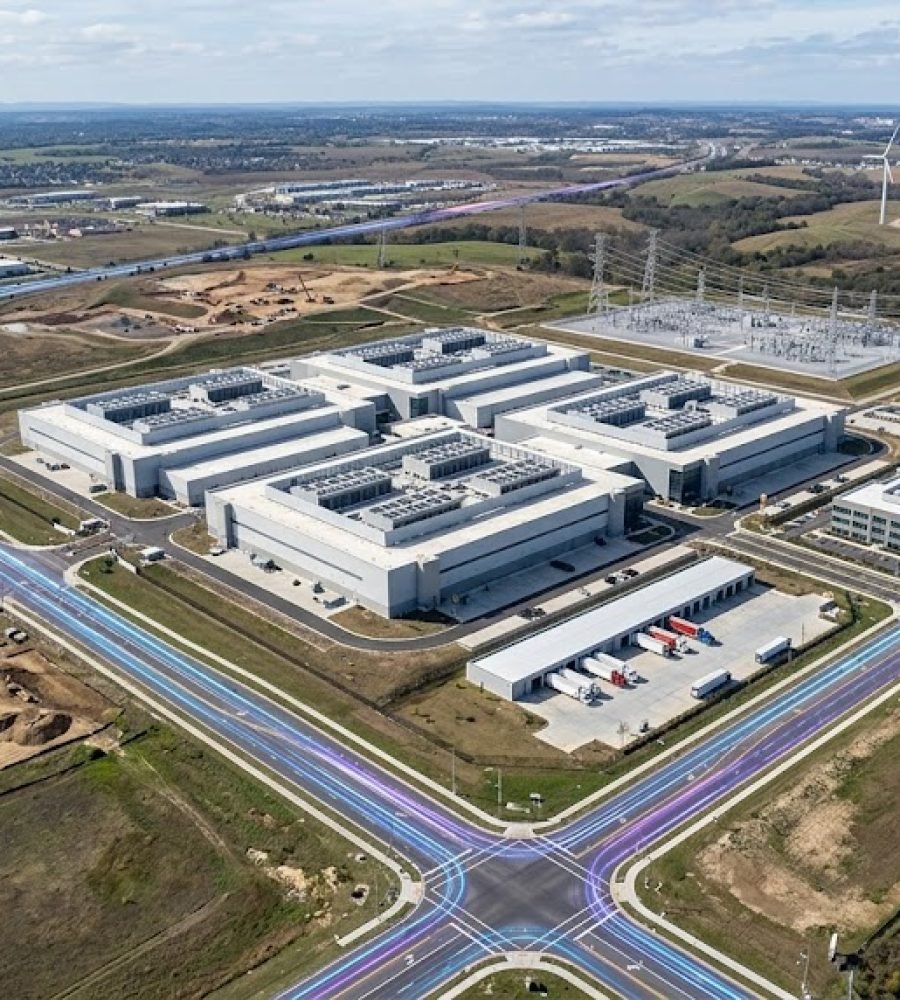
Artificial intelligence has rapidly evolved from a niche technology into a core component of modern digital infrastructure. Generative AI platforms now serve hundreds of millions of users worldwide, processing billions of requests across text, image, audio, and video applications every day. Behind these services sits a vast network of data centers that provide the computational power required to train and operate increasingly sophisticated AI models. While discussions around AI often focus on innovation, productivity, and economic growth, a new United Nations report highlights the physical resources required to support this expansion. Researchers argue that AI should be viewed not only as software but also as a large-scale industrial system dependent on energy, water, land, and critical infrastructure.
Data Centers Are Becoming Major Consumers of Electricity
According to the report from the United Nations University Institute for Water, Environment and Health, global data centers consumed approximately 448 terawatt-hours of electricity in 2025. Researchers estimate that artificial intelligence workloads accounted for roughly 20% of that demand. To place the figure into context, data centers would rank among the world’s largest electricity consumers if treated as a country. The report further notes that this level of electricity usage would be sufficient to meet the annual residential power needs of the entire population of Sub-Saharan Africa for more than two years. As AI adoption continues to accelerate, energy demand from data centers is expected to increase substantially over the coming decade.
Carbon Emissions Rise Alongside AI Infrastructure Growth
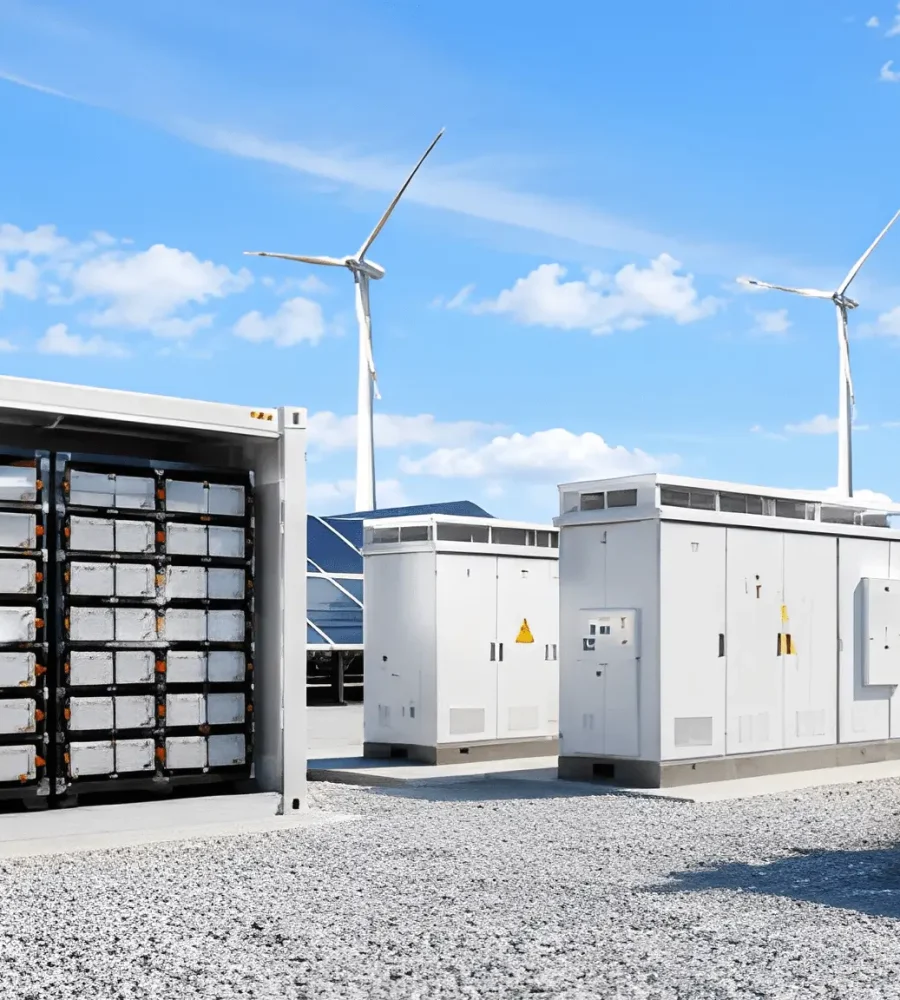
Electricity consumption on this scale creates a significant carbon footprint, particularly in regions where data centers continue to rely on fossil-fuel-powered grids. The UN report estimates that electricity used by data centers generated approximately 189 million metric tons of carbon dioxide equivalent emissions during 2025. This figure illustrates the environmental implications of maintaining large AI training clusters and serving billions of daily inference requests. Researchers estimate that billions of tree seedlings grown over a decade would be required to offset emissions of this magnitude. The findings underscore the growing importance of renewable energy procurement and energy efficiency improvements across the data center industry.
Water Consumption Emerges as an Increasing Concern
While electricity usage often dominates discussions about AI sustainability, water consumption represents another significant challenge. Data centers rely on cooling systems to maintain stable operating temperatures for servers and networking equipment. These cooling processes require substantial volumes of water, particularly in facilities that use evaporative cooling technologies. According to the report, data centers consumed enough water in 2025 to fill approximately 1.8 million Olympic-sized swimming pools. Researchers estimate that this quantity could satisfy the annual basic domestic water requirements of more than 600 million people living in Sub-Saharan Africa. As AI workloads become more intensive, water management is expected to become an increasingly important factor in infrastructure planning.
The Land Footprint Extends Beyond Data Center Buildings
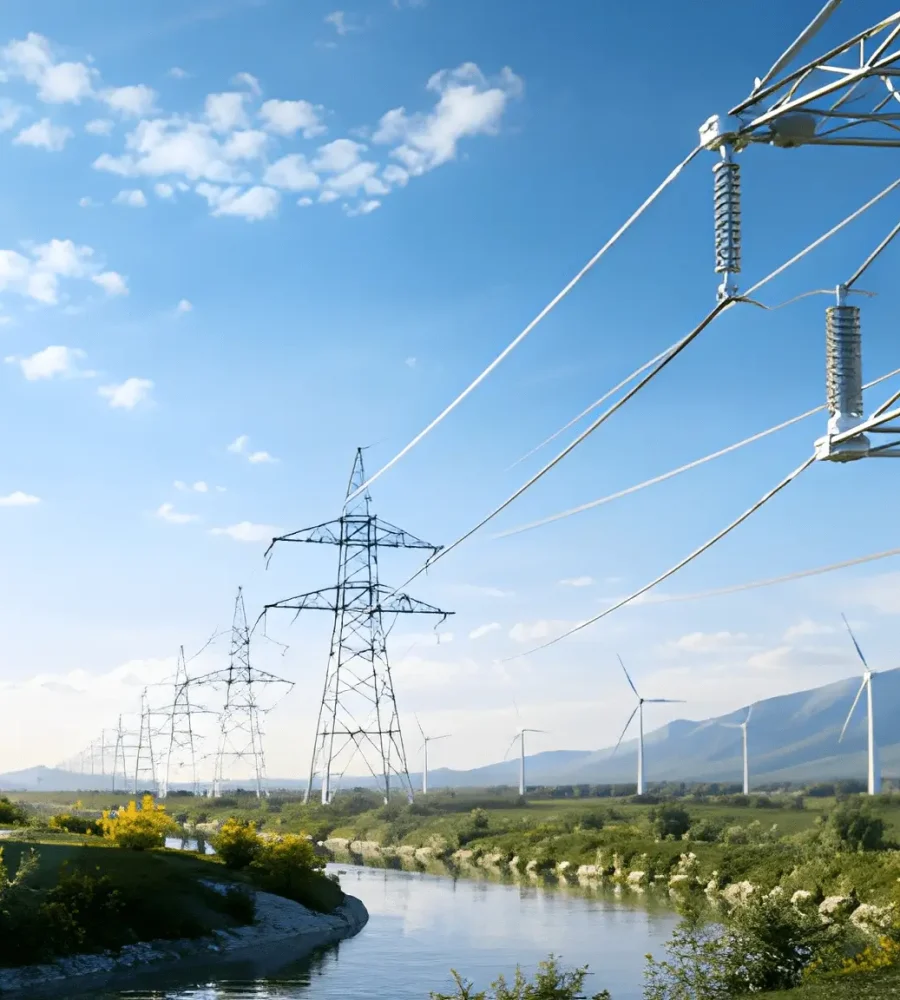
The environmental impact of AI infrastructure extends beyond power and water consumption. Supporting large-scale computing operations requires electrical transmission networks, renewable energy installations, substations, manufacturing facilities, and supply chain infrastructure. When researchers accounted for the land required to sustain data center electricity demand, they found that the footprint covered an area nearly four and a half times the size of Greater London. This broader perspective highlights how AI infrastructure influences physical landscapes far beyond the boundaries of individual facilities. As governments and technology companies expand computing capacity, land-use considerations are likely to become more prominent in future planning discussions.
AI Demand Could Push Resource Consumption to New Levels by 2030
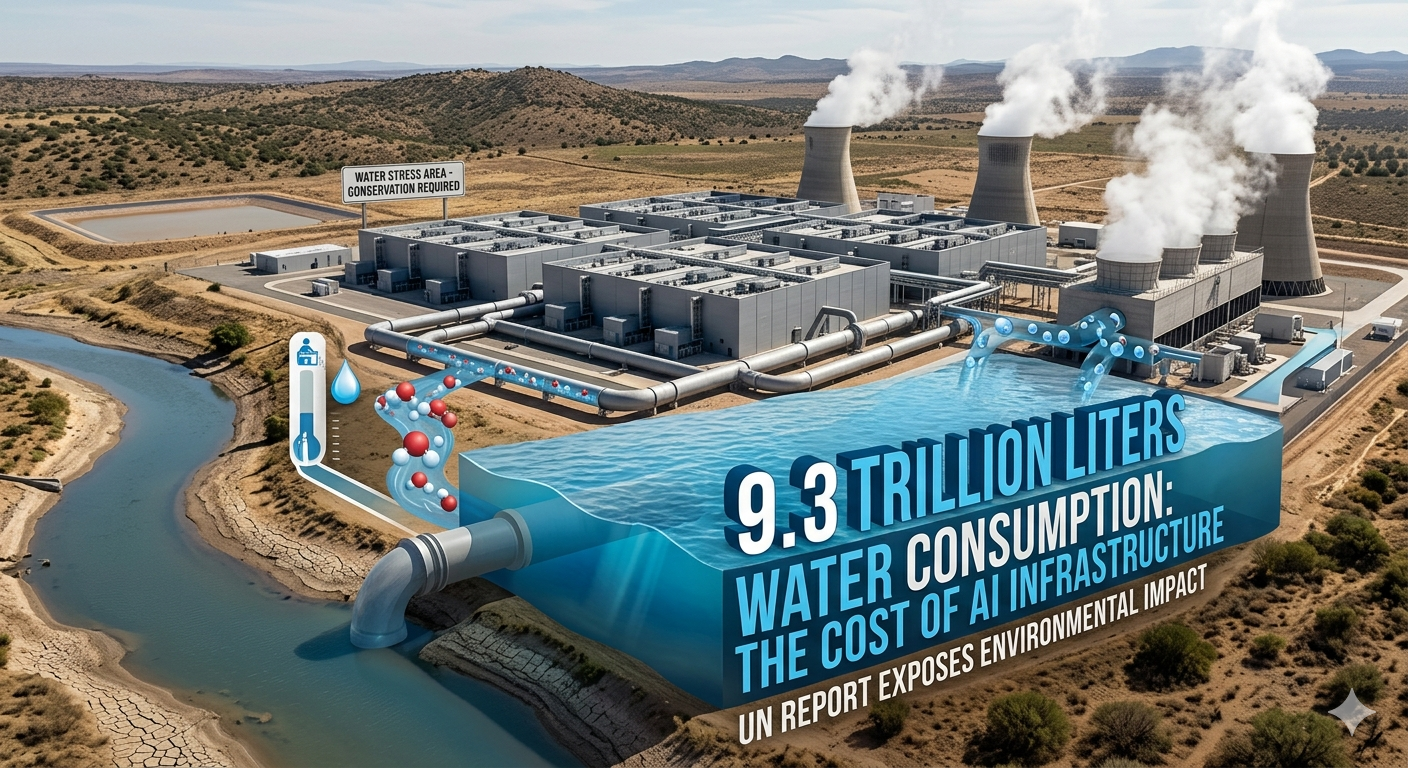
The report outlines a scenario in which artificial intelligence accounts for 40% of global data center electricity consumption by 2030. If that projection materializes, AI would become one of the world’s largest consumers of electricity, ranking behind only a handful of countries. Researchers estimate that the associated water footprint could reach 9.3 trillion liters annually. This volume would be sufficient to meet the basic domestic water needs of more than 1.3 billion people in Sub-Saharan Africa for an entire year. The projected growth reflects expectations that generative AI applications will continue expanding across industries, consumer services, enterprise software, and government operations.
Generative AI Is a Major Driver of Infrastructure Expansion
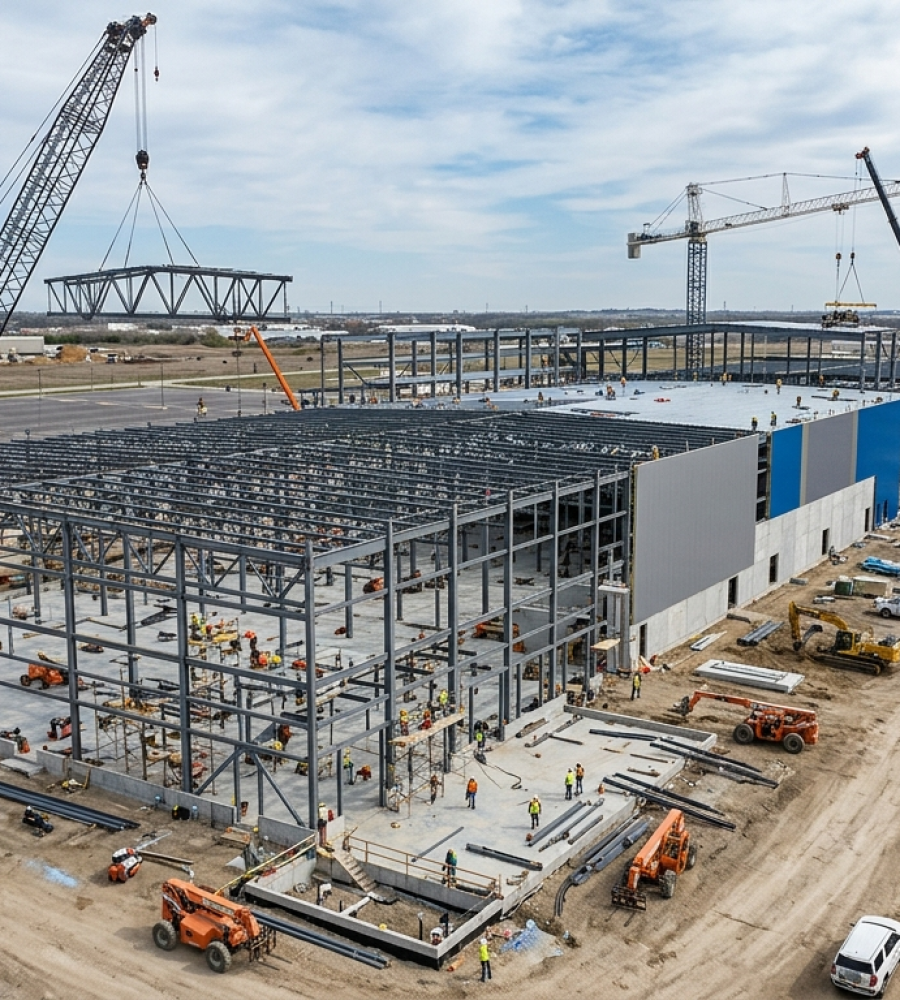
The AI market is projected to grow dramatically during the next decade, increasing from approximately $189 billion in 2023 to nearly $5 trillion by 2033. Generative AI represents one of the fastest-growing segments within that broader market. Unlike traditional software applications, generative AI systems require significant computational resources both during model training and during day-to-day operation. Every user query triggers processing activity across specialized hardware, networking systems, and storage infrastructure. As adoption rises, operators must continue investing in larger computing environments capable of supporting increasingly sophisticated models. This dynamic has transformed AI into one of the primary drivers of global data center expansion.
E-Waste Is Emerging as Another Sustainability Challenge
Beyond electricity, water, and land use, the report also highlights the growing issue of electronic waste. AI infrastructure relies on specialized hardware that often becomes obsolete as new generations of processors, accelerators, and networking equipment enter the market. Researchers estimate that AI-related hardware could generate approximately 2.5 million metric tons of electronic waste annually by the end of the decade. Managing this waste stream will require improvements in recycling, component reuse, and circular economy initiatives. Without effective disposal and recovery systems, the environmental impact of AI infrastructure could extend well beyond operational resource consumption.
Transparency May Become a Key Industry Requirement
One of the report’s central recommendations involves greater transparency from technology providers. Researchers argue that policymakers, businesses, and consumers often lack visibility into the environmental costs associated with AI services. More comprehensive reporting on electricity usage, water consumption, emissions, and resource efficiency could help stakeholders make informed decisions regarding infrastructure deployment and technology adoption. Increased transparency may also support regulatory efforts aimed at balancing innovation with sustainability objectives. As AI becomes embedded across economies, understanding its environmental footprint will likely become an increasingly important aspect of technology governance.