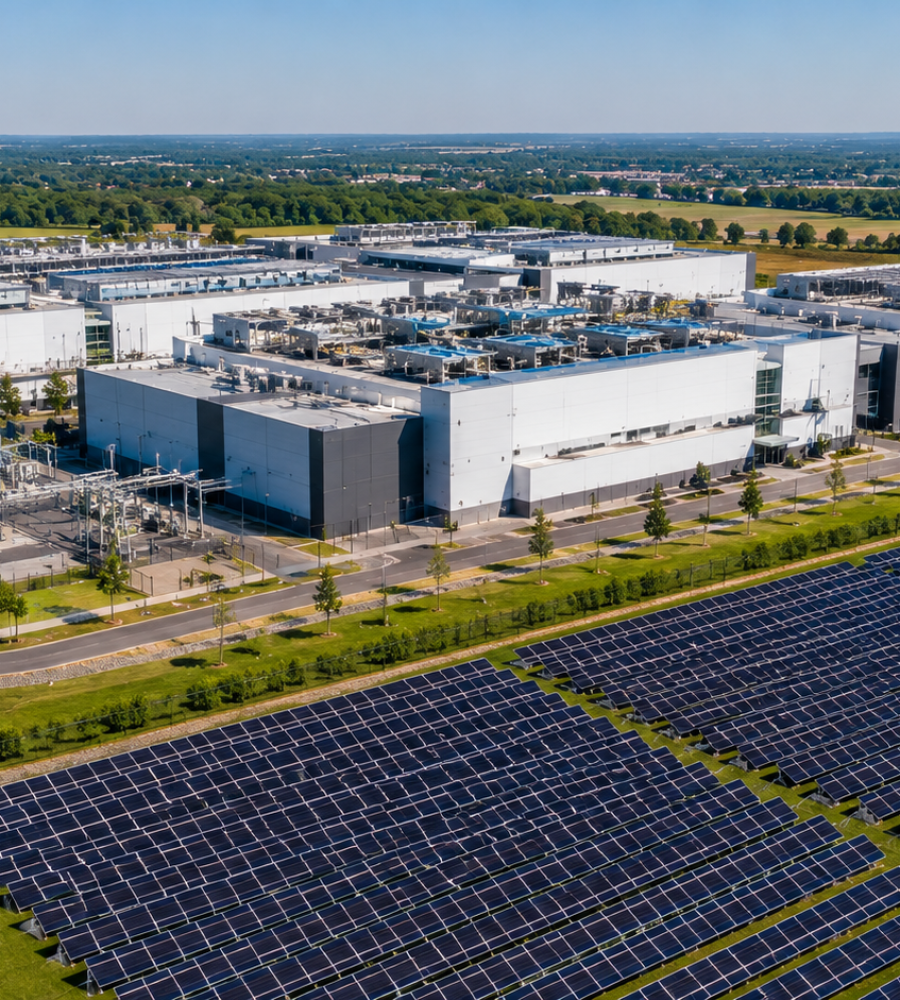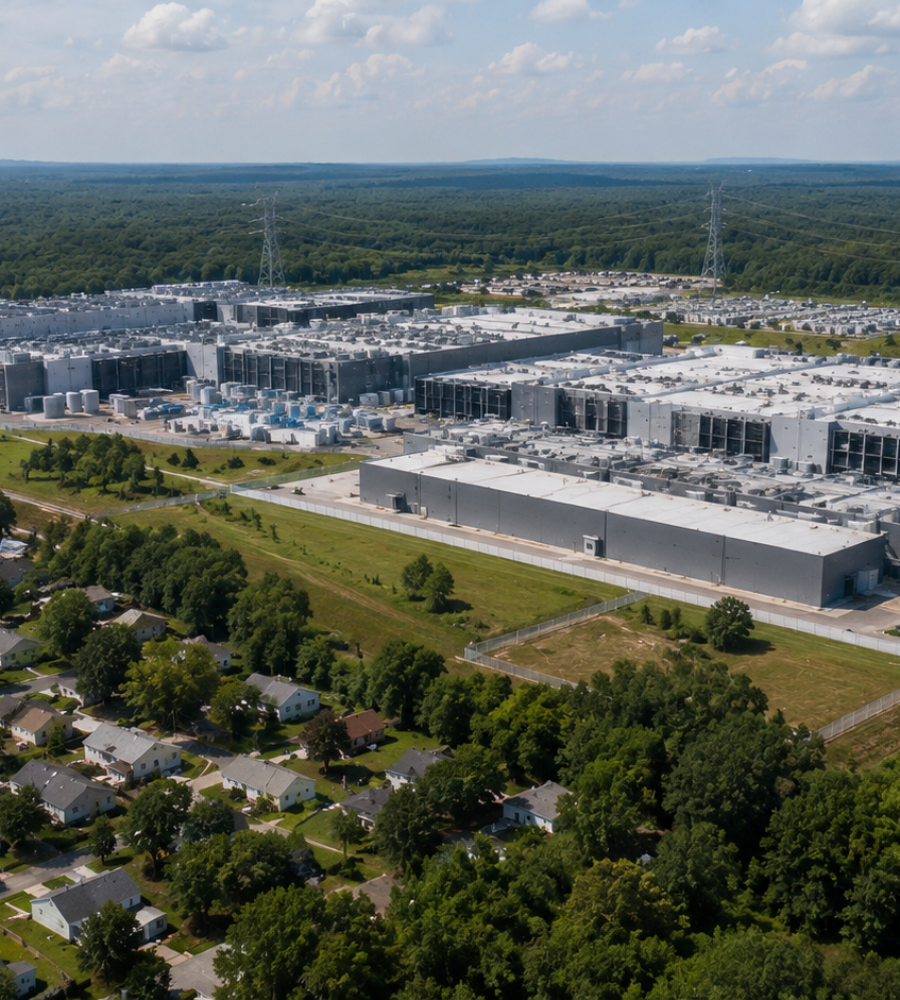
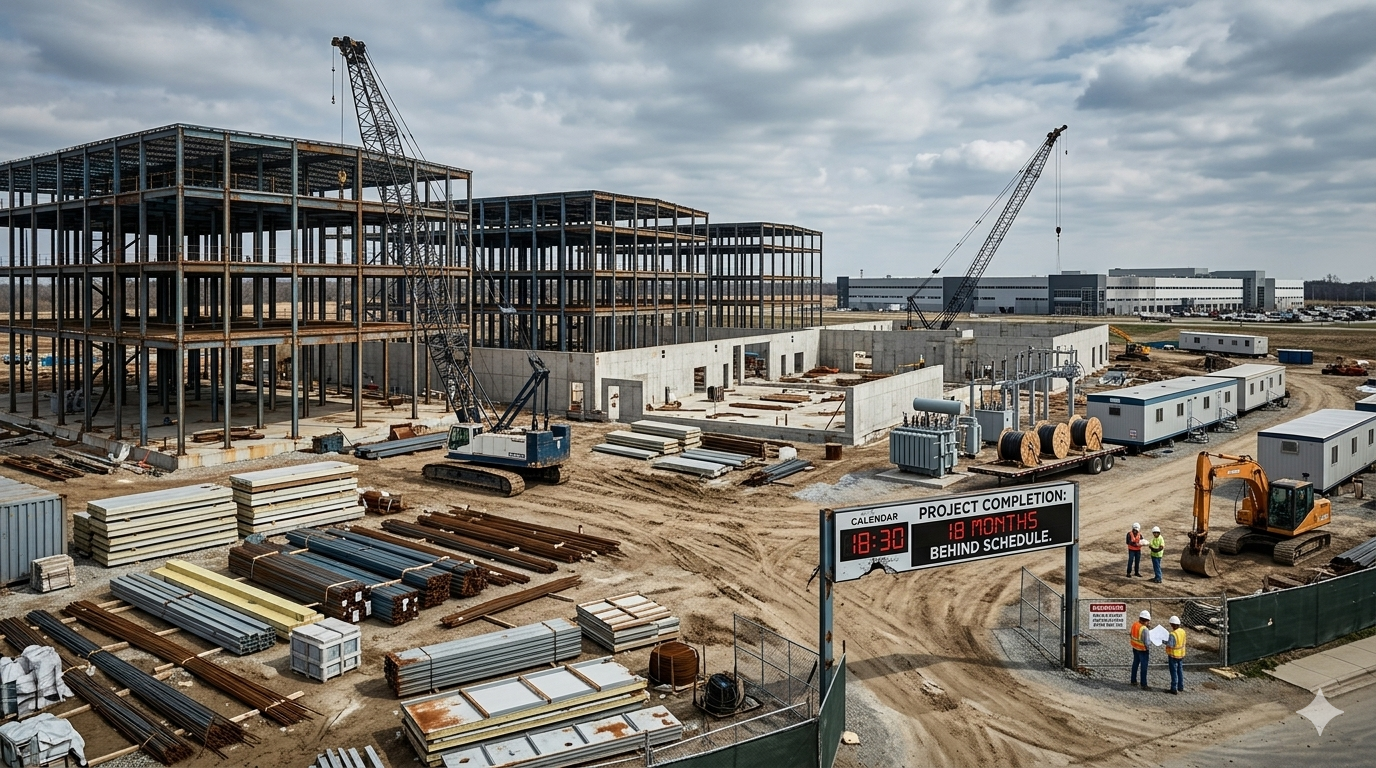
The United States is investing record amounts in AI infrastructure, yet a growing share of planned data center capacity remains behind schedule. Despite billions of dollars in commitments from technology companies including Alphabet, Microsoft, Meta, and Amazon, developers are encountering delays tied to power availability, permitting requirements, equipment shortages, and labor constraints.
Alphabet Inc. is seeking to raise $80 billion to fund its AI infrastructure buildout as Google develops strategies to navigate one of the industry’s largest constraints, bringing sufficient power and data center capacity online fast enough to meet surging AI demand. The planned investment underscores how access to energy, land, and computing infrastructure has become a critical competitive factor in the AI race. As technology companies commit hundreds of billions of dollars to AI, infrastructure execution is emerging as important as access to advanced chips.
The gap between AI demand and infrastructure delivery is emerging as a critical challenge for the industry. While investment announcements continue to accelerate, many projects have yet to move into active construction, raising questions about how quickly new compute capacity can reach the market.
Billions in Investment Are Not Translating Into Capacity
According to a recent report cited by The Wall Street Journal, more than 60% of the data center capacity planned for 2027 has not yet entered construction. Separate industry analyses indicate that a significant portion of projects scheduled for completion in 2026 face delays, with some at risk of cancellation.
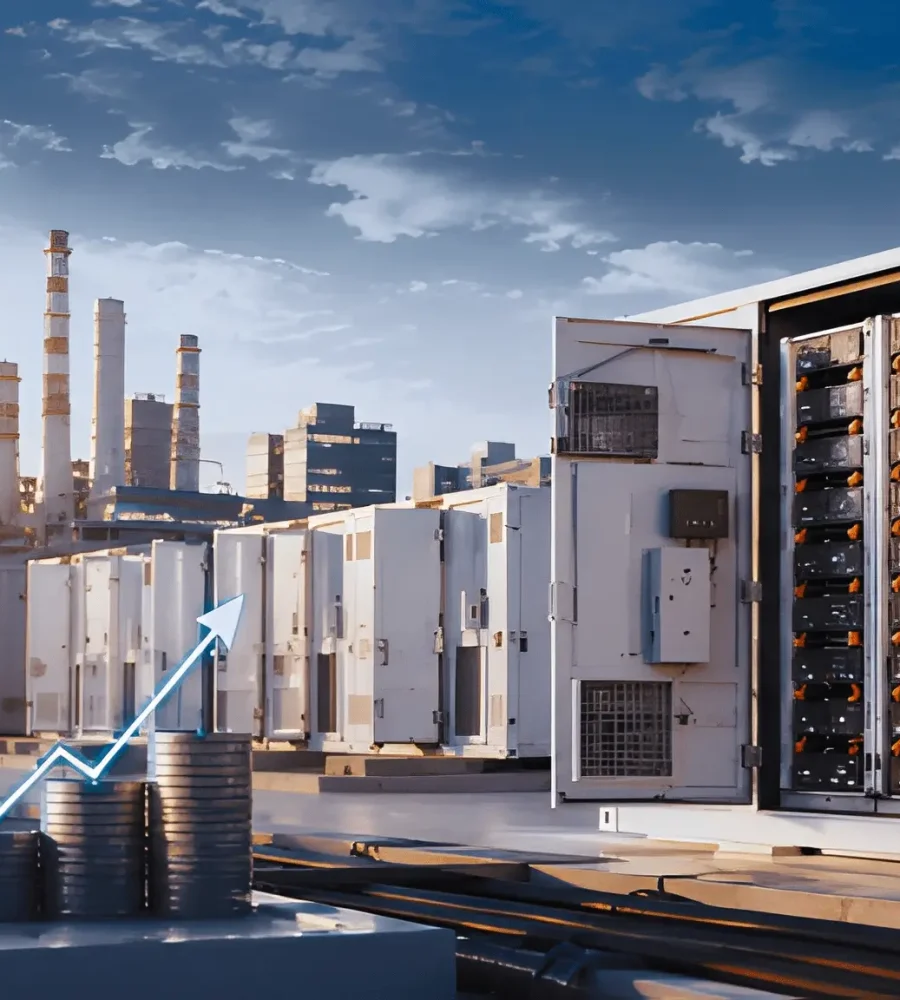
The slowdown comes at a time when AI infrastructure spending continues to reach new highs. Recent U.S. Census Bureau data showed annualized data center construction spending reached $50.7 billion, surpassing spending on transportation infrastructure projects such as airports and rail facilities.
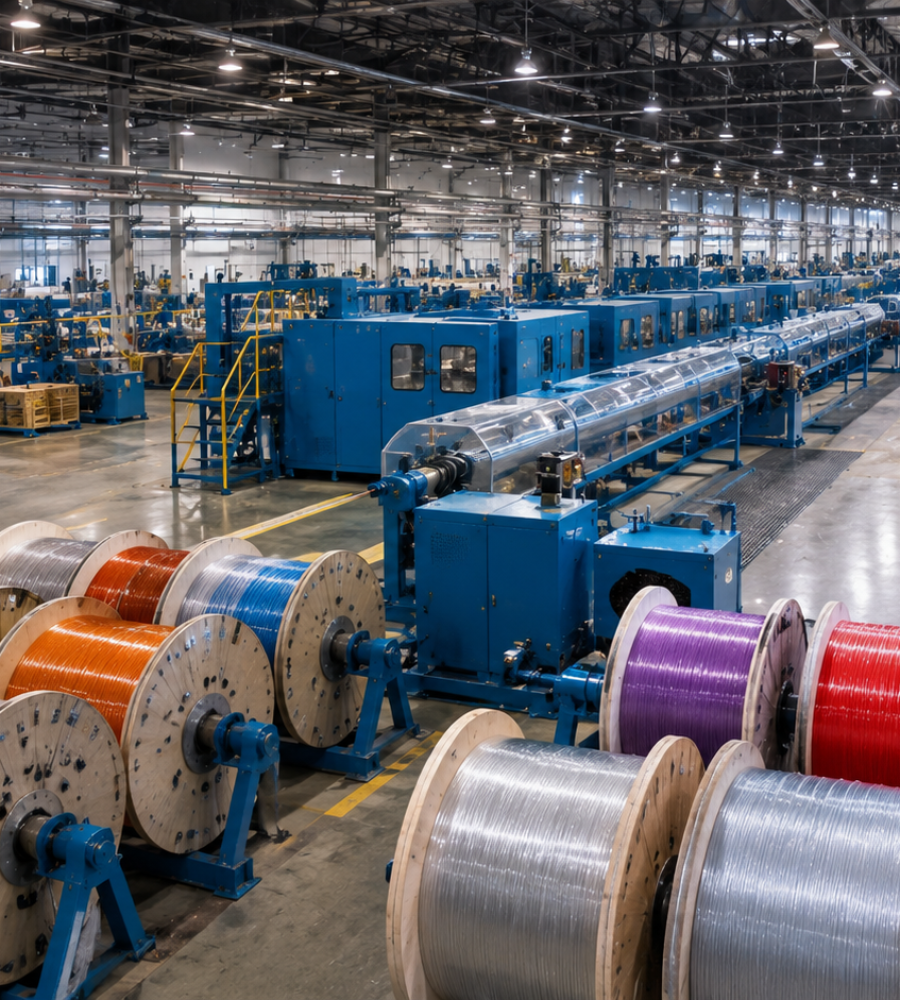
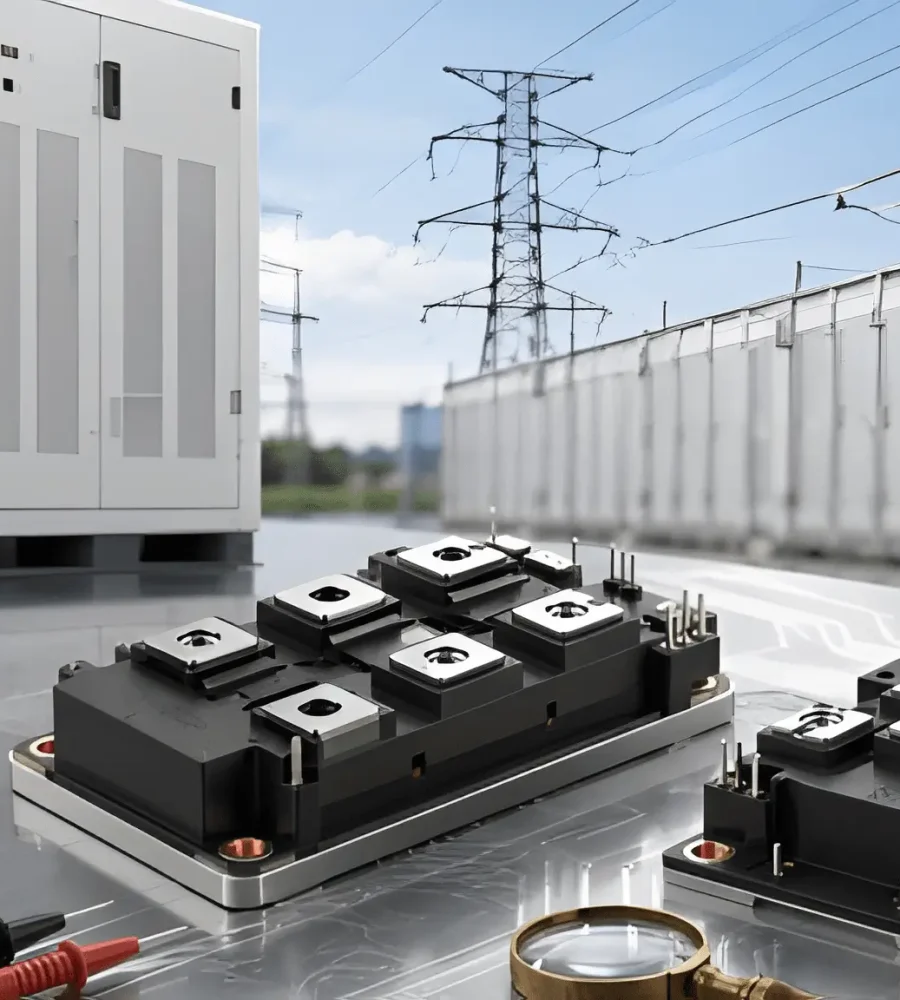
However, capital alone has not resolved the industry’s infrastructure bottlenecks. Developers continue to face long lead times for transformers, switchgear, batteries, and other electrical components required to energize large-scale data center campuses.
Power Infrastructure Emerges as the Primary Constraint
Power availability has become one of the largest obstacles facing AI infrastructure expansion.
Modern AI data centers require substantial electricity capacity, with some campuses consuming power comparable to that of mid-sized cities. Utilities across major markets are struggling to connect new facilities quickly enough to meet demand.
Industry analysts also point to shortages of transformers and grid equipment as a major challenge. In some cases, lead times for critical electrical infrastructure extend several years, significantly longer than the timelines technology companies hope to achieve for AI deployments.
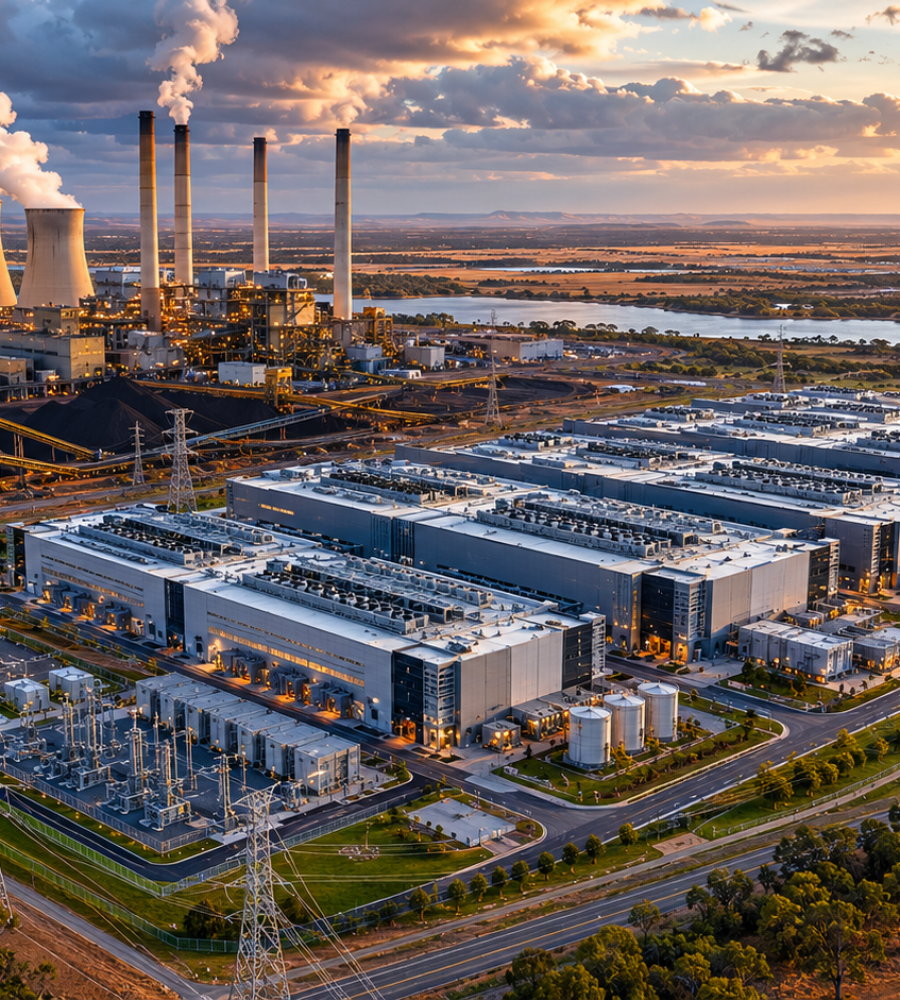
As a result, several technology companies are exploring alternative energy strategies, including on-site power generation and direct investments in energy infrastructure. Alphabet recently expanded its energy-related investments as part of its broader AI infrastructure strategy.
Labor and Permitting Challenges Add Pressure
Beyond power constraints, developers are also facing permitting delays and labor shortages.
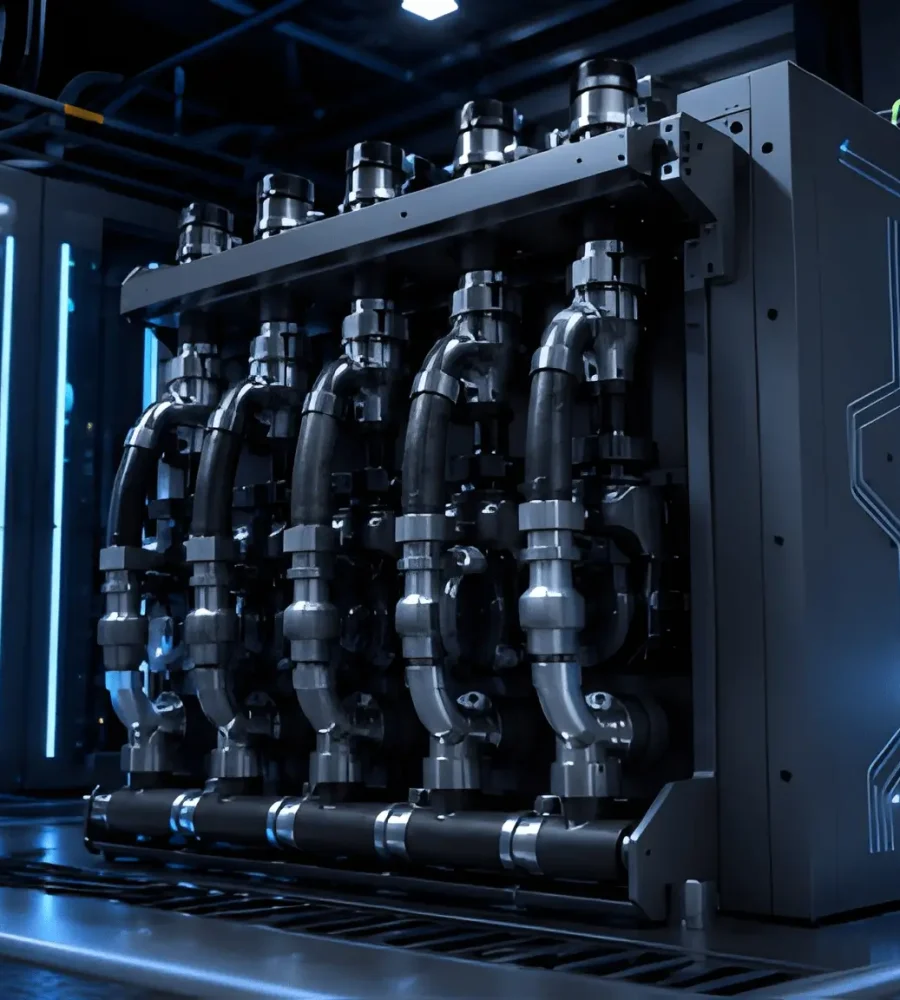
Data center construction requires specialized workers, including electricians, mechanical engineers, and cooling system specialists. Demand for those skills has increased as projects grow larger and more complex. At the same time, local approval processes have become more challenging in several regions as communities raise concerns about energy consumption, land use, and environmental impact.
These issues are extending project timelines across multiple markets, particularly for gigawatt-scale campuses designed to support AI workloads. Industry executives increasingly view execution risk rather than funding as the primary challenge facing new developments.
Implications for the AI Infrastructure Market
The delays highlight a broader shift in the AI industry. The challenge is no longer limited to securing GPUs and accelerators. Increasingly, the bottleneck lies in building the physical infrastructure required to house and power those systems.
For cloud providers and AI developers, access to power, land, electrical equipment, and skilled labor is becoming a strategic advantage. Companies that can secure those resources may be better positioned to bring new compute capacity online as AI demand continues to grow.
The U.S. remains one of the world’s largest markets for AI infrastructure investment. However, the pace of future growth will depend not only on capital spending but also on the industry’s ability to overcome the physical constraints slowing data center development today.