New Zealand AI Infrastructure Projects Expand Economic Development Debate
Artificial intelligence-focused data center developments are being positioned as regional economic catalysts, as governments and infrastructure developers seek to attract investment tied to AI workloads, cloud services, and high-performance compute capacity.
The discussion has gained momentum in New Zealand, where proponents of large-scale AI data center projects argue that digital infrastructure investments can extend beyond compute services and deliver broader economic benefits to regional communities. The debate reflects a wider global trend as countries compete to secure AI infrastructure assets capable of supporting growing demand for GPU clusters, inference workloads, and cloud-based AI services.
Infrastructure Investment Extends Beyond Compute Capacity
Developers backing regional AI data center projects argue that infrastructure spending can stimulate local economies through construction activity, utility upgrades, renewable energy development, and supporting digital services.
According to NZTech research, data centers contribute an estimated NZ$16.5 billion annually to New Zealand’s economy while supporting a further NZ$76.5 billion in broader digital services activity across industries. The report identified data centers as foundational infrastructure supporting banking, healthcare, cloud services, and enterprise applications.
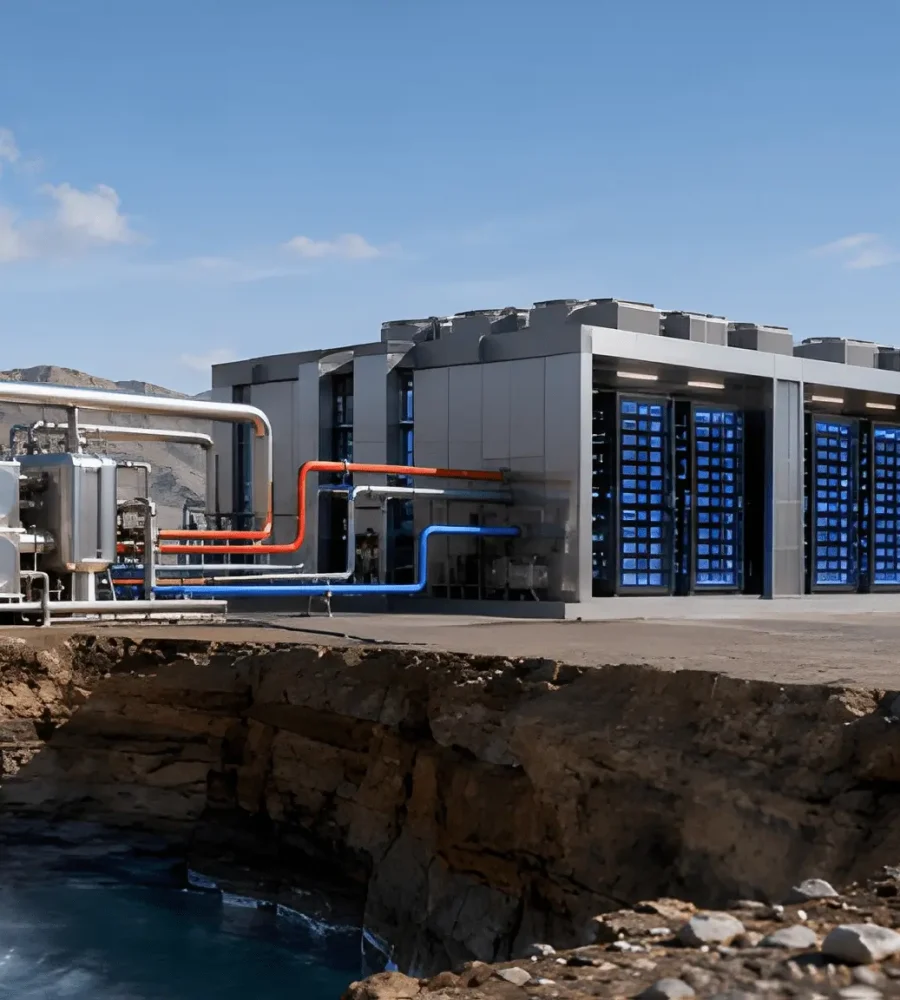
Industry analysts note that AI workloads are accelerating demand for specialized facilities equipped with high-density racks, advanced cooling systems, and large-scale power infrastructure. Unlike traditional enterprise facilities, AI data centers often require substantially higher energy utilization rates because of GPU-intensive training and inference operations.
Consequently, developers increasingly target regions with access to renewable energy resources, available land, and lower infrastructure costs.
Regional Development Benefits Remain a Key Selling Point
Supporters of AI infrastructure projects argue that data center investments can create long-term economic activity through supply-chain development, energy infrastructure upgrades, and increased demand for local services.
Several jurisdictions globally have adopted similar strategies. In India, multiple state governments have partnered with private developers to attract large-scale data center investments tied to AI and cloud infrastructure growth. According to RMZ, India generates approximately 20% of global data while holding only about 3% of global storage capacity, creating significant demand for additional infrastructure deployment.
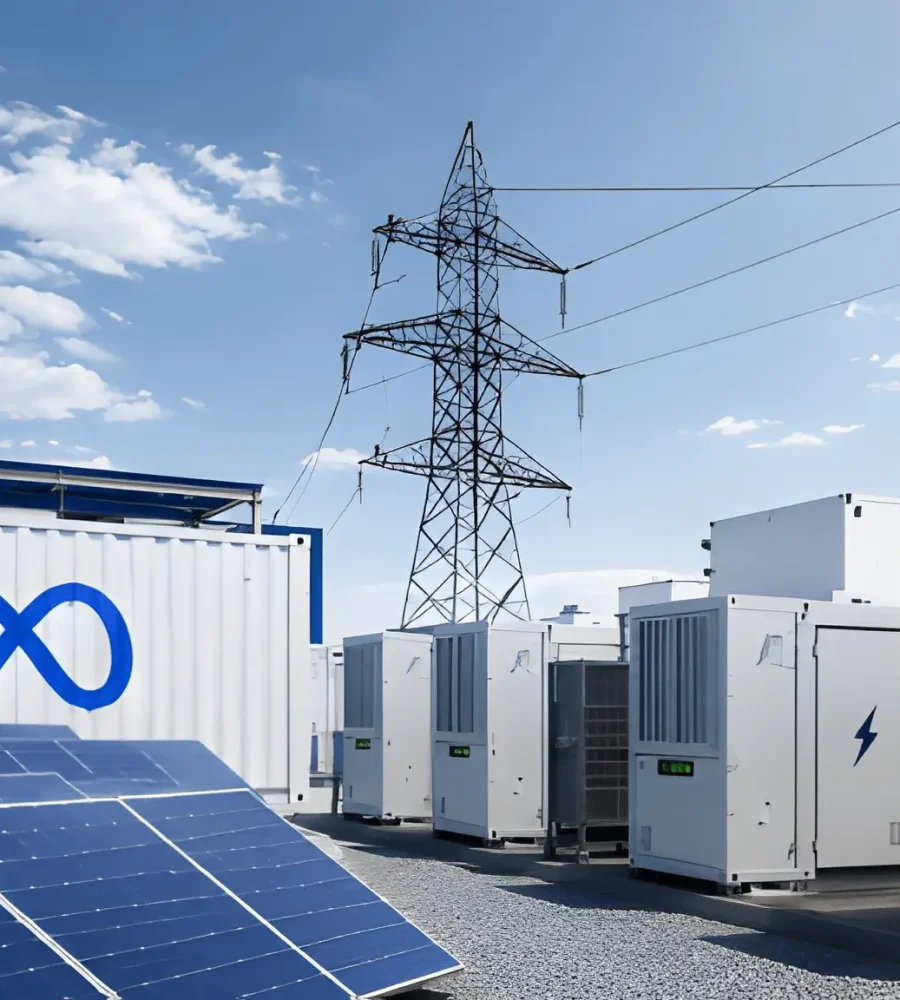
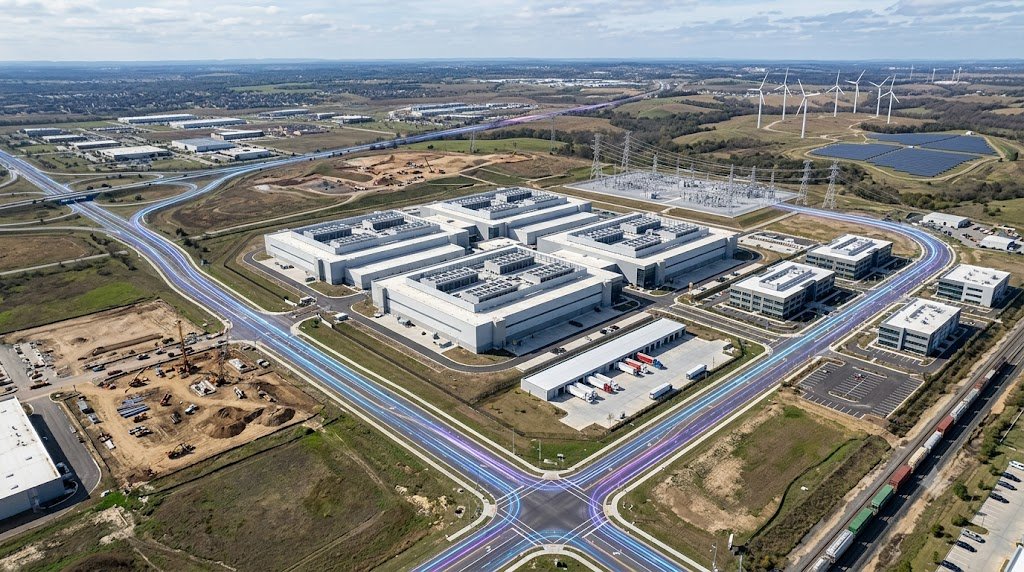
Large AI infrastructure projects also increasingly include adjacent investments in renewable energy generation, transmission networks, and telecommunications capacity. Industry observers view these projects as part of a broader digital industrialization strategy rather than standalone real estate developments.
Recent proposals in India highlight the scale of investment activity underway. Andhra Pradesh has attracted several AI-focused projects, including plans for hundreds of megawatts of AI-optimized data center capacity designed to support advanced compute workloads.
Energy Demand and Community Impact Remain Central Concerns
Despite economic development arguments, AI data center expansion continues to face scrutiny over electricity consumption, water usage, and long-term local benefits.
Electricity providers and policymakers increasingly view AI demand as a significant variable in future grid planning. According to reporting by Radio New Zealand, utility operators have identified AI-related infrastructure growth as a major contributor to future electricity demand uncertainty.
Community groups and regional stakeholders have also questioned whether large facilities generate sufficient long-term employment relative to their power requirements. Discussions across New Zealand communities have focused on energy pricing, environmental impacts, and local workforce participation in future developments.
Industry analysts note that modern AI data centers typically create the largest employment impact during construction phases, while operational staffing requirements remain comparatively lower because of automation and centralized management systems.
AI Infrastructure Competition Intensifies
Governments globally continue to view AI infrastructure as a strategic asset as demand for compute capacity expands.
The economic case increasingly centers on attracting digital investment, strengthening cloud ecosystems, and enabling domestic AI development capabilities. However, regional authorities must balance those opportunities against infrastructure constraints, energy requirements, and community concerns.
As AI adoption accelerates, the debate surrounding data center development is shifting from whether facilities should be built to how regions can maximize economic returns while managing resource consumption. For policymakers, the outcome may determine which regions emerge as long-term hubs for AI compute infrastructure and digital services growth.