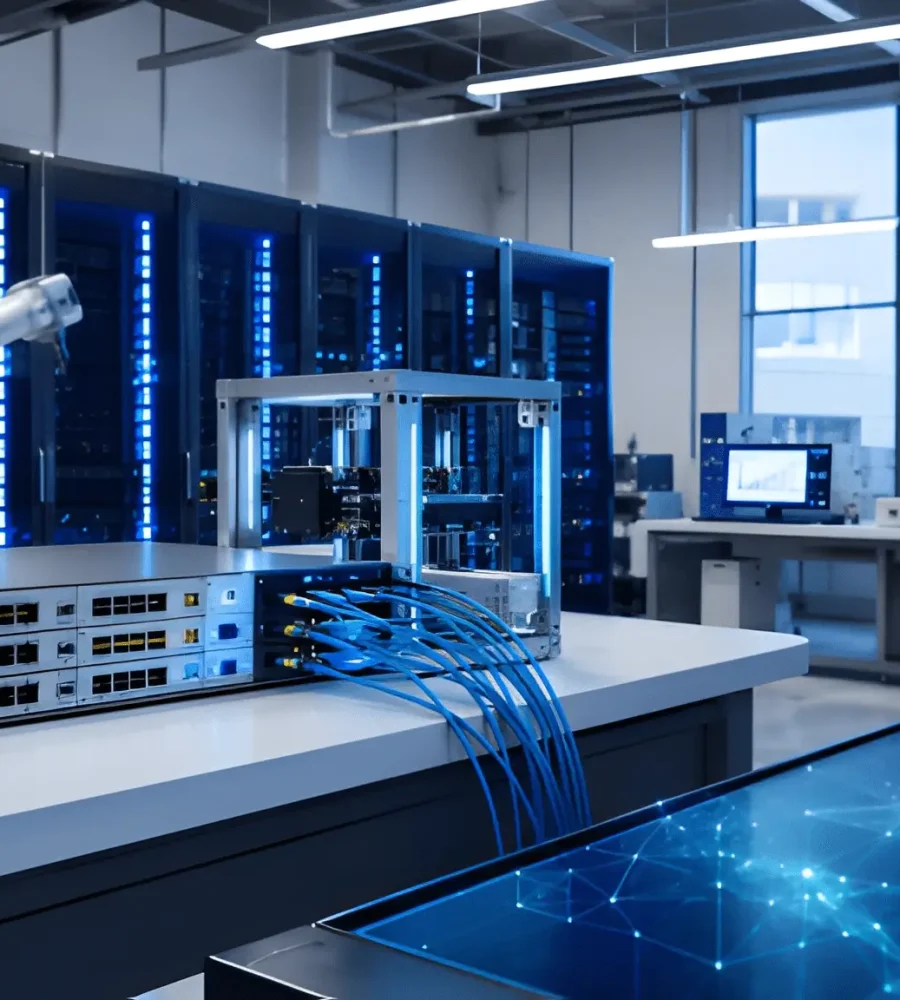
A warehouse on the edge of an industrial district rarely appears in venture capital pitch decks. Yet behind unmarked doors, some AI startups are assembling infrastructure that would have traditionally belonged to colocation providers, hyperscalers, or large enterprise operators as they seek greater control over deployment timelines and compute availability. Rows of GPUs now sit inside immersion tanks, cooling loops stretch across converted factory floors, and in infrastructure-focused AI companies, founders and engineering teams are increasingly involved in discussions around cooling systems, power delivery, and deployment design alongside model development. The shift reflects a broader reality that compute availability has become a strategic constraint rather than a background utility. Teams that once planned exclusively around software roadmaps now evaluate power availability, thermal capacity, and deployment timelines with equal urgency. The result is a new generation of companies treating physical infrastructure as a core product capability instead of an outsourced service.
Pressure from AI demand has changed the economics of infrastructure decisions across the industry. Access to accelerators remains important, but access to deployable environments has emerged as an equally significant challenge. Long procurement cycles, limited power availability, and delayed facility expansions have encouraged startups to search for alternatives outside established hosting ecosystems. Many teams now view infrastructure ownership as a mechanism for reducing uncertainty rather than increasing complexity. Building physical environments introduces operational responsibilities, yet it also creates direct control over deployment schedules and capacity planning. That tradeoff increasingly appeals to organizations whose growth depends on immediate access to compute resources.
The Colo Queue Rebellion
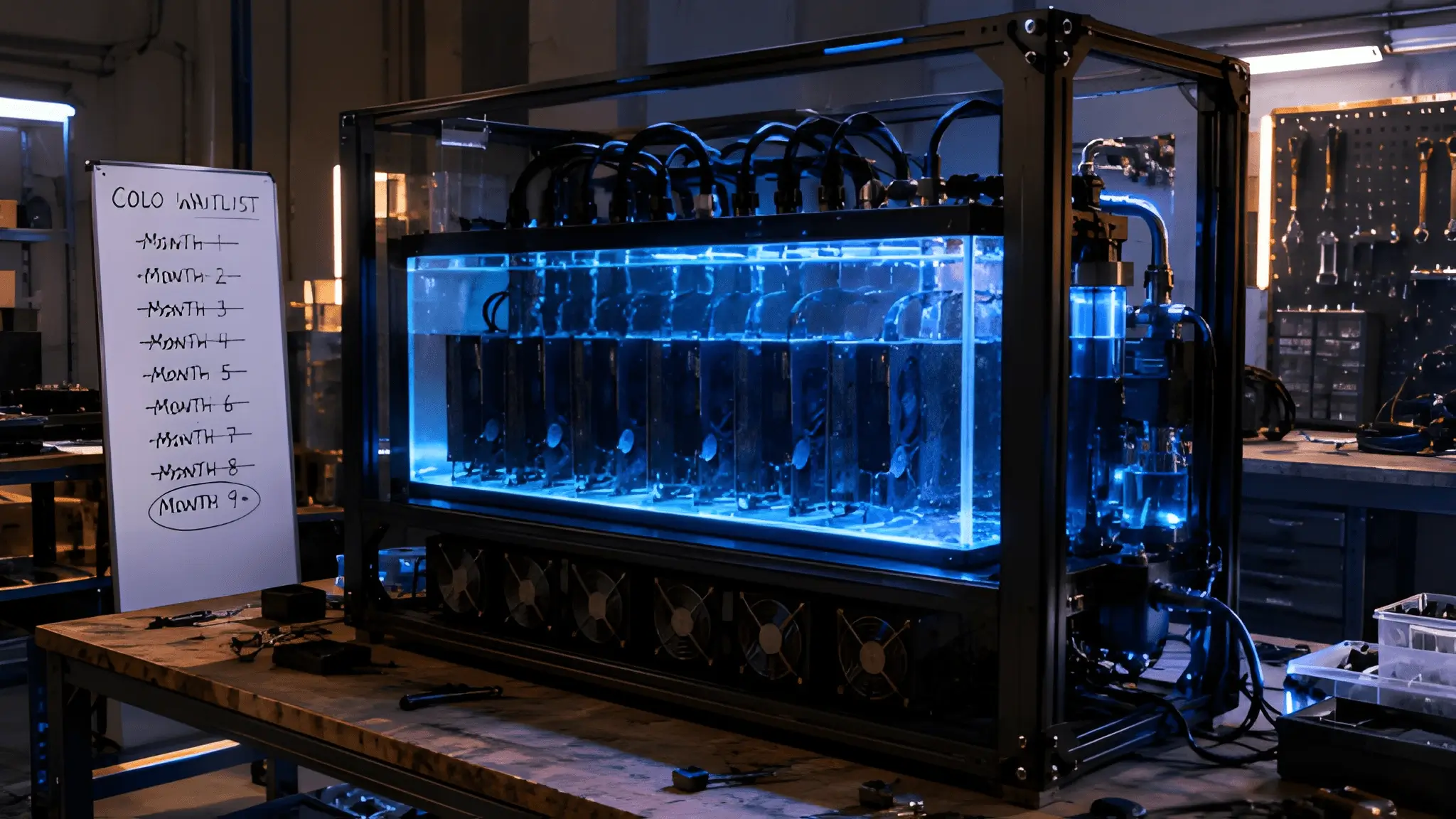
The traditional colocation model evolved around predictability, shared infrastructure, and centralized expertise. AI demand has introduced conditions that challenge each of those assumptions. Capacity reservations that once required a few months now often stretch considerably longer in constrained markets, particularly where power delivery and high-density cooling remain limited. Some startups pursuing rapid model development find extended infrastructure deployment timelines difficult to align with their business objectives. Instead of relying exclusively on traditional hosting environments, some teams are exploring warehouses, industrial buildings, and other facilities that can support custom compute deployments. This movement reflects a practical response to infrastructure scarcity rather than a rejection of professional hosting providers.
Founders increasingly evaluate facility selection through a different lens than previous startup generations. Access to electrical service, ceiling height, structural loading, and cooling flexibility often receive greater attention than prestigious office locations. Industrial real estate that once attracted manufacturing operations now attracts organizations seeking rapid compute deployment. Consequently, infrastructure planning is becoming a more visible consideration during the early stages of some AI company development. Teams building advanced AI systems increasingly view deployment speed as an important factor alongside algorithmic performance when pursuing competitive advantages. The companies securing operational environments quickly gain opportunities to iterate, train, and serve workloads without external scheduling constraints.
Founders Are Becoming Rack Architects
Startup leadership traditionally concentrated on product development, customer acquisition, and fundraising activities. Many AI companies now add infrastructure design to that list of responsibilities. At some infrastructure-focused AI companies, founders participate directly in decisions involving rack configurations, fluid distribution networks, containment strategies, and thermal management. Technical teams evaluate hardware placement with the same attention previously reserved for software architecture. This evolution is encouraging some organizations to treat physical design as a strategic business consideration rather than solely an implementation detail.
Design ownership creates advantages beyond immediate deployment goals. Internal teams gain firsthand understanding of power density limitations, thermal behavior, and operational bottlenecks that external vendors might abstract away. Engineers who build environments themselves often identify optimization opportunities unavailable through standardized deployments. Infrastructure knowledge also improves future planning because organizations develop internal expertise rather than depending exclusively on third-party recommendations. Moreover, custom environments allow startups to align physical systems closely with workload characteristics. Organizations running highly specialized AI workloads frequently discover that infrastructure tailored to their specific requirements delivers measurable operational benefits.
Open-Source Compute Is Reaching the Physical Layer
Software development transformed through open collaboration long before infrastructure entered the conversation. Source code repositories, community contributions, and shared frameworks accelerated innovation across the technology industry. A similar culture now appears within segments of the AI infrastructure ecosystem. Engineers publish tank designs, thermal experiments, deployment lessons, monitoring approaches, and operational methodologies through public forums and technical communities. These contributions help reduce barriers for organizations exploring nontraditional deployment models. Shared knowledge increasingly influences physical infrastructure decisions in ways once reserved for software projects.
Communities focused on infrastructure experimentation continue expanding as more organizations confront similar operational challenges. Teams compare coolant performance, discuss rack integration techniques, and document deployment outcomes across varying environments. However, the objective extends beyond cost reduction alone. Shared infrastructure knowledge accelerates learning cycles throughout the ecosystem by allowing organizations to build upon existing experience. Startups benefit from collective experimentation while contributing their own operational findings back to the community. The resulting feedback loop shares some characteristics with the collaborative knowledge-sharing practices that contributed to the growth of open-source software ecosystems.
The New AI Garage Startup Looks Nothing Like Silicon Valley
The mythology of technology entrepreneurship often centers on small offices, garages, and improvised workspaces filled with software developers. Some AI companies that manage significant compute infrastructure operate from environments that resemble industrial facilities more than traditional startup headquarters. Immersion tanks, power distribution equipment, cooling infrastructure, and hardware inventories occupy physical space that earlier software ventures never required. Infrastructure has become visible rather than invisible within company operations. Physical assets now play a direct role in defining organizational identity and operational capability. The image of a startup continues to evolve alongside the demands of compute-intensive development.
These facilities also reshape hiring priorities and organizational structures. Teams recruit expertise spanning electrical engineering, mechanical systems, facility operations, and thermal management alongside traditional software disciplines. Collaboration between infrastructure specialists and machine learning engineers occurs much earlier in project planning. Likewise, operational decisions increasingly influence product development timelines. Infrastructure ownership introduces additional complexity, yet it also creates opportunities for tighter integration between compute resources and application requirements. The modern AI startup therefore combines characteristics historically associated with both software companies and infrastructure operators.
Infrastructure Arbitrage Is Becoming a Startup Strategy
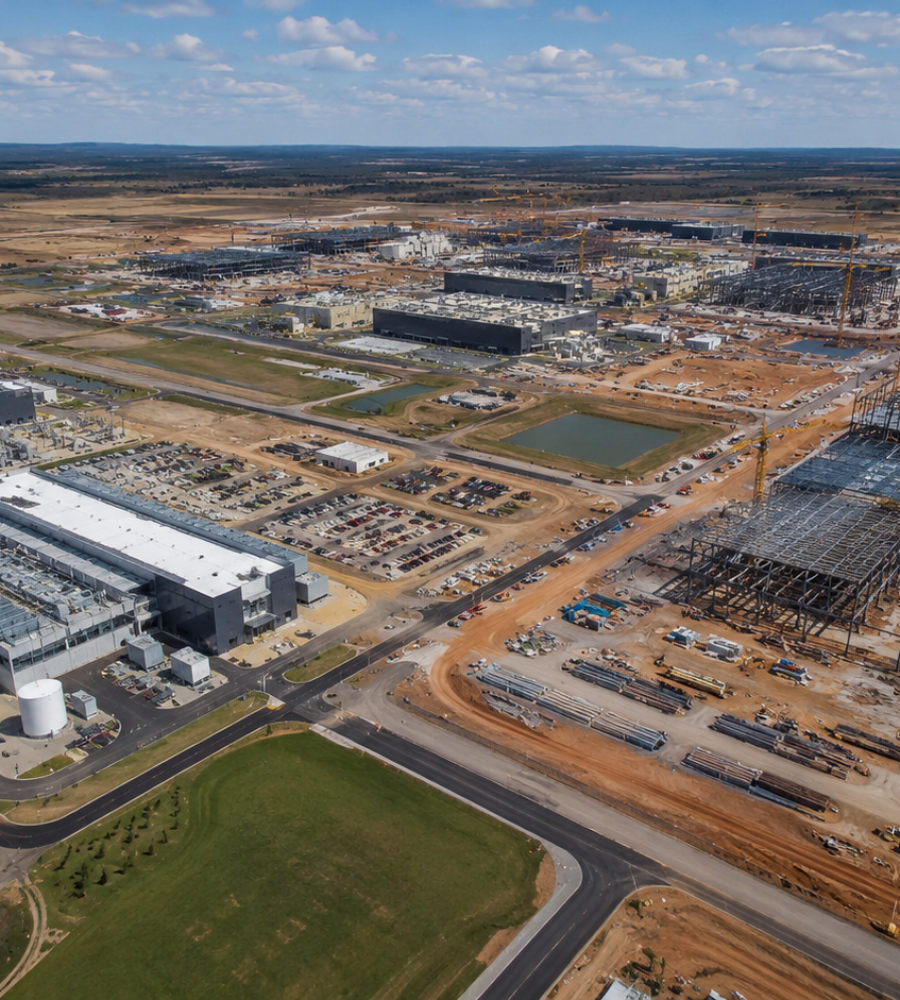
Infrastructure scarcity often creates opportunities in locations overlooked by mainstream development activity. Some startups evaluating compute deployment options are examining former industrial properties, underutilized manufacturing sites, retired mining facilities, and secondary regional markets. These environments frequently offer characteristics attractive to compute operators, including existing power connections, large floor areas, and flexible zoning conditions. Rather than competing for limited capacity within established hubs, organizations search for infrastructure advantages elsewhere. This approach reflects a broader recognition that location strategy can influence deployment speed significantly.
Regional infrastructure differences create opportunities for organizations willing to operate outside traditional technology corridors. Certain locations provide available power resources, supportive industrial ecosystems, and lower facility acquisition costs than highly competitive markets. Furthermore, smaller regions often experience less competition for infrastructure-related resources. Startups leveraging these conditions can deploy systems more rapidly than competitors waiting within conventional hosting pipelines. Infrastructure arbitrage does not eliminate operational challenges, but it can alter deployment economics and timelines in meaningful ways. Companies that identify suitable underutilized assets early may gain deployment and operational advantages that can be difficult for competitors to reproduce quickly.
The Next Compute Unicorn Might Build Its Own Data Center
The historical separation between software builders and infrastructure operators continues to narrow as AI development grows more dependent on specialized compute environments. Some organizations that once viewed facilities primarily as external dependencies now regard them as strategic assets that can influence deployment flexibility and product delivery. Infrastructure ownership changes how startups allocate capital, recruit talent, and plan growth trajectories. It also introduces a level of operational control unavailable through purely outsourced models. As AI workloads become more demanding, physical deployment decisions will likely remain closely connected to business strategy. The distinction between software company and infrastructure company grows less clear with each deployment cycle.
Future industry leaders may differentiate themselves through capabilities extending beyond model performance and algorithmic sophistication. Control over deployment environments, thermal systems, power delivery architectures, and operational workflows could become equally important components of competitive advantage. Nevertheless, the trend does not suggest that every startup will build its own facilities. It indicates that infrastructure literacy is becoming a meaningful characteristic of ambitious AI organizations. The companies shaping the next phase of the industry may succeed not only because they develop powerful systems, but because they understand how to design, deploy, and operate the environments that make those systems possible.