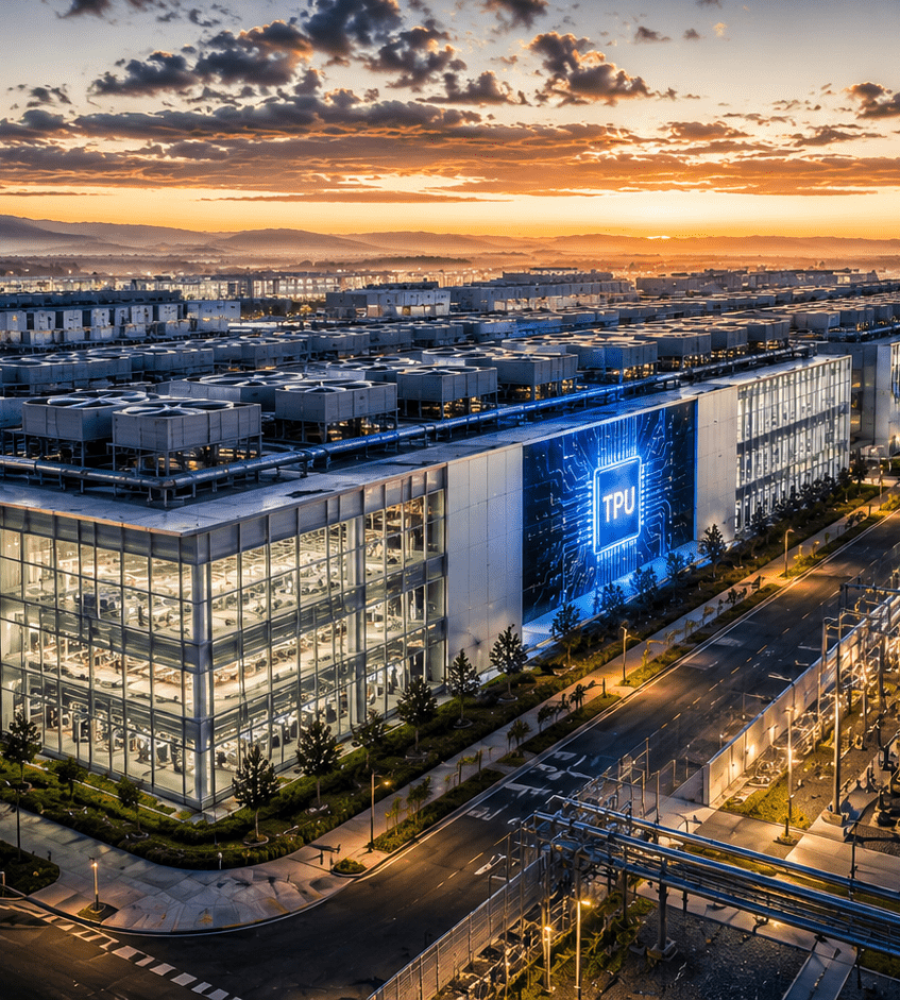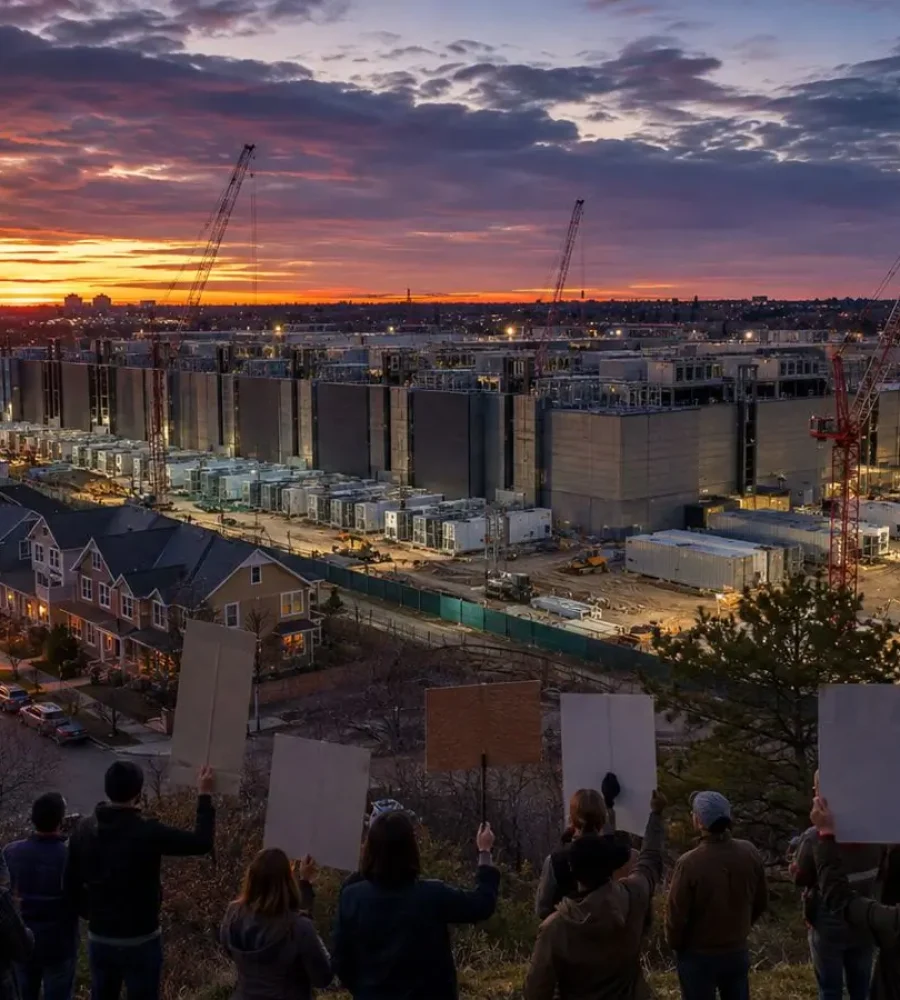
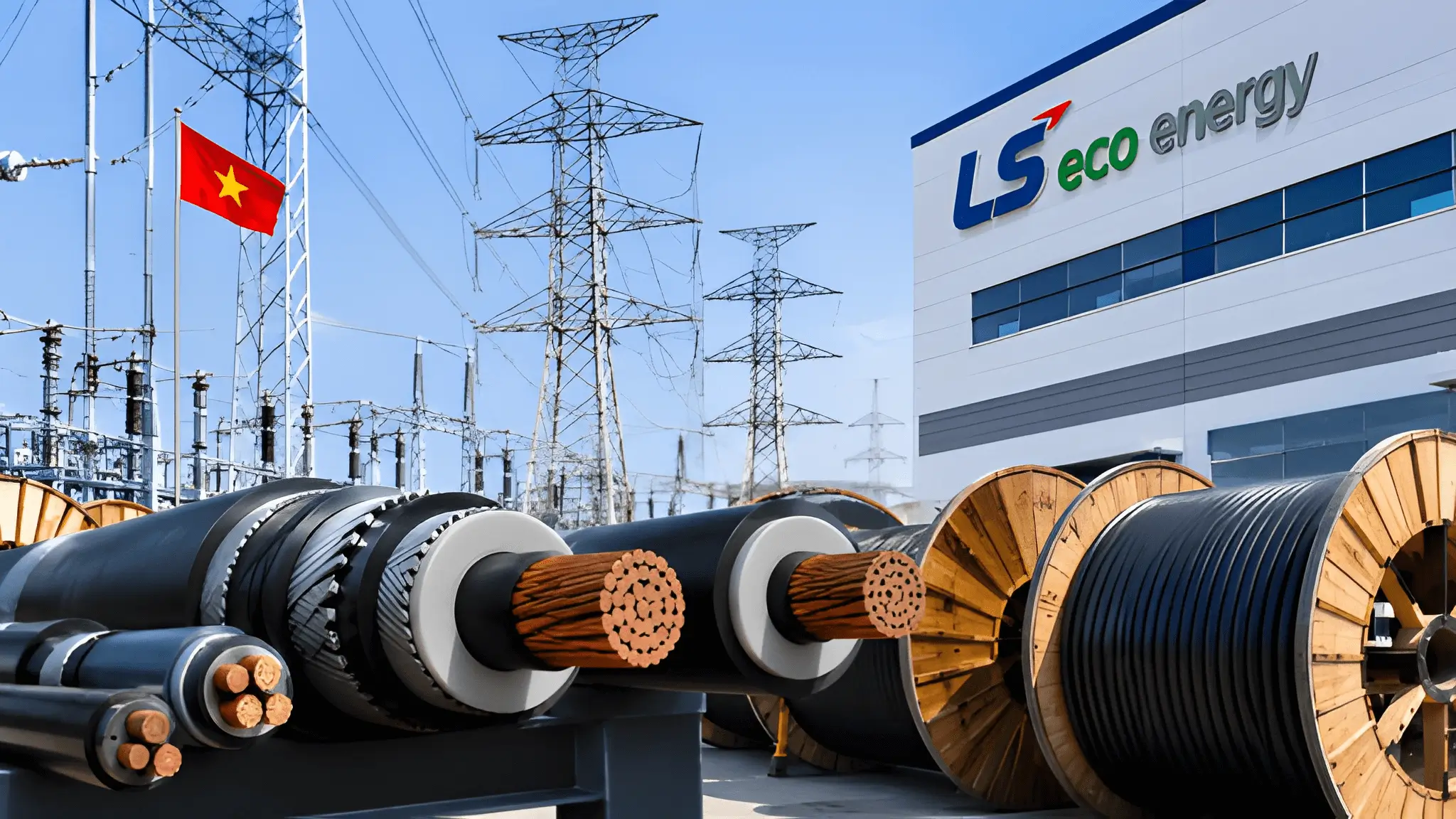
Vietnam’s artificial intelligence infrastructure race is accelerating as LS Eco Energy secured another strategic role in Southeast Asia’s fast-expanding data center economy. The company announced that its Haiphong-based manufacturing subsidiary, LS-VINA, will supply power-grid cables for a large-scale AI data center project developed by Viettel Group. The facility will rise in a newly developed urban area near Hanoi and is expected to operate at a total capacity of 60MW. That level of power consumption places the project among the largest AI-focused digital infrastructure developments currently under construction in northern Vietnam.
The scale of the project reflects how generative AI workloads are beginning to reshape infrastructure investment priorities across Asia. A 60MW facility can consume electricity comparable to roughly 40,000 to 50,000 households operating simultaneously. GPU-heavy AI computing environments demand continuous power stability, dense networking capability, and resilient thermal management systems. As a result, companies supplying electrical backbone infrastructure now occupy a far more strategic position in the AI economy than they did during earlier cloud expansion cycles.
LS Eco Energy Expands Its Southeast Asia AI Data Center Presence
The Viettel contract extends LS Eco Energy’s recent momentum in Southeast Asia’s hyperscale infrastructure market. The company previously supplied Busduct systems and transmission cables for hyperscale AI data center developments tied to global technology companies in Indonesia and Malaysia. With Vietnam now accelerating domestic AI infrastructure investment, LS Eco Energy appears to be positioning itself as a regional supplier capable of supporting multi-country AI expansion strategies.
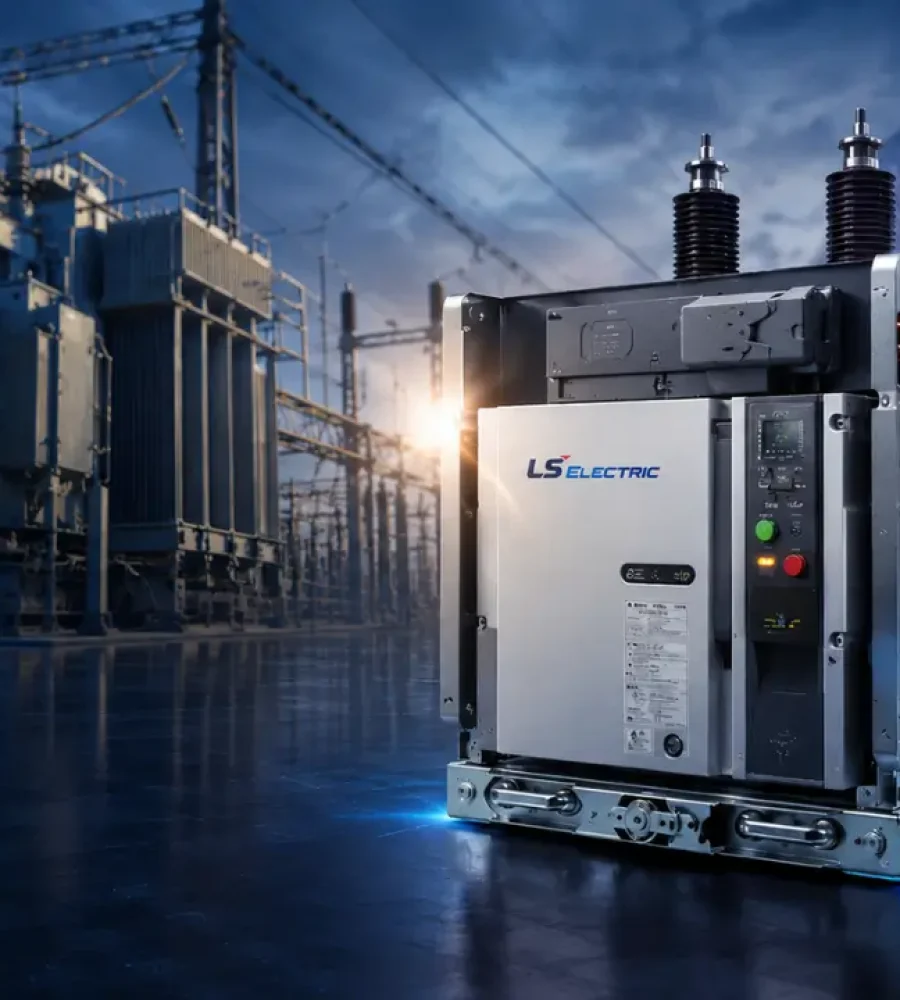
The supplied cable systems will connect the data center directly to its supporting substation and power distribution network. This layer of infrastructure has become increasingly critical as AI servers consume substantially more electricity than conventional enterprise computing systems. High-density GPU clusters also generate elevated heat loads, forcing operators to prioritize power resilience and distribution efficiency during site design. Consequently, cable manufacturers and grid suppliers are becoming essential participants in AI infrastructure planning rather than secondary industrial vendors.
Southeast Asia’s AI Infrastructure Map Continues To Shift
Singapore’s land and energy constraints continue pushing regional data center investment into neighboring markets. Malaysia initially emerged as the largest beneficiary of that spillover demand, particularly in Johor, but Vietnam and Thailand are now attracting stronger investor attention as AI deployment expands. Vietnam’s entry into the large-scale AI infrastructure race reflects broader regional confidence in the country’s industrial capacity, energy connectivity, and telecommunications ecosystem.
Viettel’s involvement adds another layer of significance to the project because the company already operates one of the region’s most extensive telecommunications networks. That existing footprint gives Viettel a structural advantage in integrating AI compute capacity with enterprise connectivity and cloud services. Moreover, local telecom-backed AI infrastructure projects often receive stronger long-term strategic support because governments increasingly view AI compute capability as a national competitiveness asset. Vietnam’s infrastructure ambitions now extend well beyond manufacturing and electronics exports into advanced digital capacity development.
Power Infrastructure Emerges As The New AI Battleground
The AI industry’s competitive dynamics are changing rapidly as infrastructure bottlenecks move beyond semiconductor supply alone. Data center developers now face mounting pressure around electricity access, grid reliability, cooling systems, and fiber connectivity. AI infrastructure operators cannot scale GPU clusters efficiently without stable high-capacity energy distribution systems supporting continuous operations. This shift has created new opportunities for companies operating deep inside industrial supply chains.
LS Eco Energy appears intent on capitalizing on that transition. The company said it expects additional opportunities tied to Viettel’s expanding telecommunications and AI infrastructure investments throughout Southeast Asia. It also plans to strengthen its optical cable manufacturing capabilities alongside its existing power solutions portfolio to address rising AI data center demand across the region. That strategy aligns with broader market trends where electrical infrastructure and communications networking increasingly converge inside AI campus deployments.
Lee Sang-ho, CEO of LS Eco Energy, stated, “The AI data center market is expanding from a competition over servers to a competition over power and communication infrastructure,” adding, “We will strengthen our push into the global AI infrastructure market, focusing on ultra-high-voltage cables and power and optical communication solutions for data centers.”
Vietnam AI Infrastructure Competition Intensifies
Vietnam’s growing role in the regional AI infrastructure ecosystem reflects a larger geopolitical and economic realignment underway across Asia. Countries that can provide scalable land, stable energy access, and telecommunications readiness are becoming increasingly attractive to hyperscale developers and AI operators. The expansion of AI workloads has effectively turned power infrastructure into a strategic economic asset.
LS Eco Energy’s latest project involvement underscores how suppliers positioned around grid connectivity and communications infrastructure may capture significant value during the next phase of AI expansion. The company’s growing footprint across Indonesia, Malaysia, and Vietnam suggests that Southeast Asia’s AI infrastructure market is evolving into a highly interconnected regional buildout rather than isolated national projects. Meanwhile, Vietnam’s emergence as a serious AI infrastructure contender signals that the competition for regional AI dominance has entered a far more infrastructure-intensive phase.