The Flywheel Starts Below Ground
Rock does not move markets, but the systems built to extract it do. Mining projects often begin as isolated geological pursuits, yet they quickly evolve into capital-intensive ecosystems that demand coordinated infrastructure. Investors do not commit funds to ore bodies alone; they commit to the networks required to move, process, and monetize those resources. This shift transforms mining from a sector into a trigger mechanism for broader economic activity. Infrastructure demand rises immediately once feasibility transitions into execution. That demand rarely stays confined to the mine itself.
Extraction forces the creation of roads, power systems, and water management facilities in regions that previously lacked industrial footprints. These assets do not operate in isolation, as each one supports parallel development across sectors. Power lines built for mines extend into nearby settlements and industrial clusters. Transport corridors designed for ore begin to carry agricultural goods and manufactured products. The initial investment therefore multiplies its impact across unrelated industries. Capital efficiency improves when infrastructure serves multiple users.
Resource extraction also accelerates institutional coordination, as governments align policies to support large-scale operations. Regulatory frameworks evolve to accommodate land use, environmental compliance, and revenue flows. This alignment reduces uncertainty for adjacent sectors seeking to leverage the same infrastructure base. Industrial zones often emerge near mining sites due to proximity to energy and logistics networks. These zones benefit from reduced entry barriers and faster deployment timelines. Economic clustering begins to take shape as a result.
Infrastructure Demand as a Chain Reaction
Mining operations cannot function without reliable inputs, and this requirement creates a cascade of infrastructure development. Energy systems rank as the most immediate priority, as extraction and processing require consistent power delivery. Developers often build generation capacity that exceeds the mine’s direct needs to ensure operational stability. This surplus capacity becomes a strategic asset for other industries. Energy availability reshapes regional investment patterns. Transport networks follow closely behind energy infrastructure, as raw materials must reach processing facilities and export terminals. Rail lines and highways expand outward from mining sites, forming the backbone of regional logistics systems. These networks reduce transport costs for other sectors, enabling broader economic participation. Industrial activity begins to cluster along these corridors due to improved accessibility. Supply chains become more efficient and predictable.
Water infrastructure also plays a critical role, particularly in regions where extraction requires significant resource management. Treatment plants and distribution systems often serve both industrial and community needs. This dual-use design increases the long-term value of infrastructure investments. Developers recognize the advantage of building scalable systems rather than single-purpose assets. The result is a more resilient and adaptable industrial base. Digital connectivity emerges as a secondary but increasingly essential layer, as modern mining relies on automation and data-driven operations. Fiber networks and communication systems extend into remote areas to support these capabilities. These networks create opportunities for digital services beyond mining. Technology firms begin to explore deployment in regions that previously lacked connectivity. The groundwork for a digital economy starts to form.
From Mines to Megawatts: Powering the Next Data Hub
Mining projects often require dedicated power generation due to the unreliability of existing grids. Developers build captive power plants to ensure uninterrupted operations, and these plants frequently generate more electricity than the mine consumes. This surplus creates a new layer of economic potential that extends beyond extraction. Energy becomes a tradable and scalable asset rather than a fixed operational input. Power availability begins to attract energy-intensive industries.
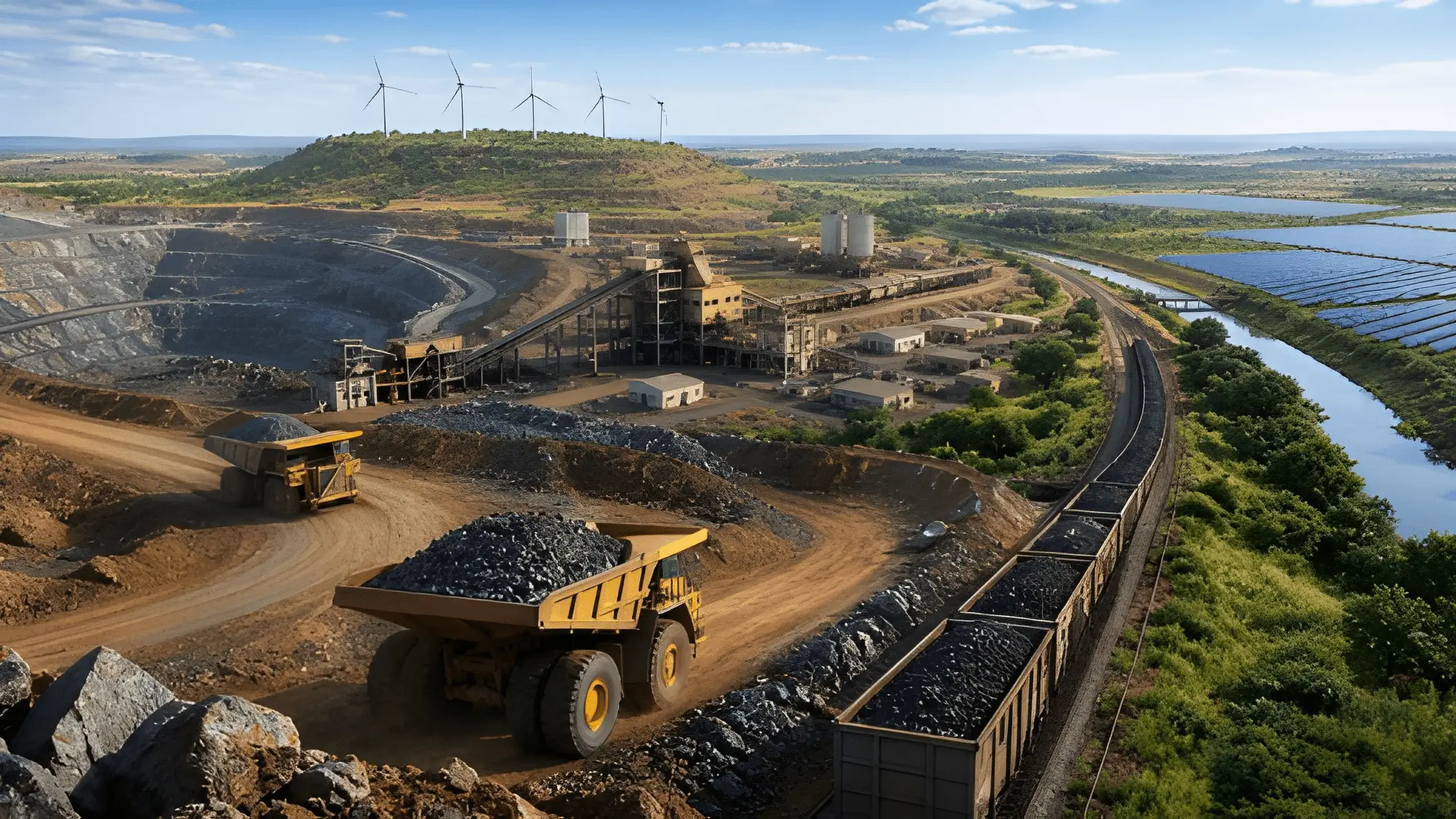
Independent power producers enter the ecosystem to expand generation capacity and improve efficiency. These producers leverage mining demand as an anchor load, which reduces financial risk and enables larger projects. Grid stability improves as more capacity comes online. Industrial users benefit from more reliable and predictable energy supply. The energy market becomes more dynamic and competitive. Developers also integrate renewable energy sources into mining power systems to reduce operational costs and environmental impact. Solar and wind installations complement traditional generation methods. Hybrid systems improve resilience and reduce dependency on fuel imports. This transition aligns with global energy trends while maintaining industrial reliability. Energy diversification strengthens the overall infrastructure base.
Data Infrastructure Finds Its Power Base
Data centers require consistent and scalable energy supply, making them highly sensitive to infrastructure readiness. Regions with surplus power from mining operations present attractive opportunities for digital infrastructure deployment. Energy availability reduces one of the primary barriers to data center investment. Operators prioritize locations where power can scale with demand. Mining regions increasingly meet this criterion. Latency considerations also influence data center placement, as proximity to industrial operations reduces communication delays. Mining sites generate large volumes of data that require real-time processing. Localized compute infrastructure improves operational efficiency and reduces dependency on distant data hubs. Edge computing begins to take shape in these environments. Digital ecosystems start to integrate with industrial operations.
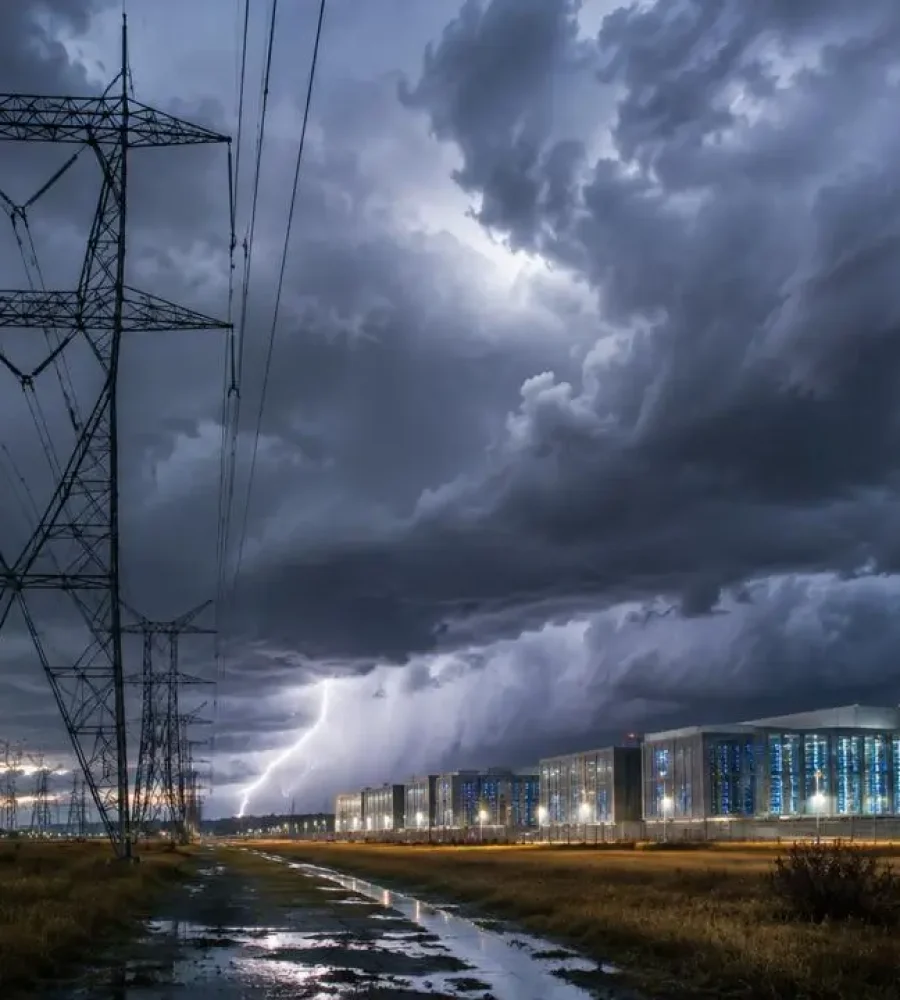
Energy-intensive computing workloads, including artificial intelligence and machine learning, benefit from stable and abundant power supply. Mining-driven energy systems provide the foundation for these workloads. Developers explore co-location strategies that align compute infrastructure with industrial energy sources. This alignment reduces operational costs and improves performance. The convergence of energy and data becomes increasingly evident. Infrastructure planning begins to consider both industrial and digital requirements simultaneously. Power systems expand with dual-use capacity in mind. Transmission networks adapt to support diverse energy consumers. Investment strategies shift toward integrated infrastructure development. The result is a more cohesive and scalable economic framework.
No Power, No Compute: Energy as the First Multiplier
Electricity determines whether industrial systems scale or stall, and mining operations expose this reality with precision. Extraction equipment, ventilation systems, and processing units demand uninterrupted power, which forces developers to prioritize grid stability from the outset. Weak grids cannot sustain industrial loads, so operators either reinforce existing networks or build independent systems. These upgrades often extend beyond the mine, improving reliability for surrounding regions. Industrial growth accelerates when power systems operate without disruption. Grid architecture evolves in response to concentrated industrial demand, as transmission lines expand to connect generation sites with consumption centers. High-voltage networks reduce losses and improve efficiency across long distances. Substations become critical nodes that manage load distribution and maintain voltage stability. These components form the backbone of scalable energy systems. Infrastructure planners design them with future expansion in mind.
Load management also becomes a central concern, as mining operations introduce large and variable energy demands. Operators deploy advanced control systems to balance supply and demand in real time. These systems prevent overloads and maintain consistent performance across the network. Digital monitoring tools enhance visibility into grid behavior. Energy systems become more intelligent and responsive as a result. Energy reliability directly influences investment decisions across sectors, as industries require predictable operating conditions. Manufacturers, processors, and digital infrastructure providers evaluate grid performance before committing capital. Regions with stable energy systems attract sustained investment flows. This dynamic reinforces the importance of energy as a foundational multiplier. Economic ecosystems depend on it.
Energy Density Meets Compute Demand
Industrial power systems must handle both high-density loads and continuous operation, which aligns closely with the requirements of modern computing infrastructure. Data centers operate around the clock and require consistent power quality to maintain uptime. Voltage fluctuations or outages can disrupt operations and damage equipment. Mining-driven energy systems often meet these stringent requirements due to their design priorities. Reliability becomes a shared advantage across sectors. Cooling systems represent another intersection between industrial and digital energy use, as both mining and data centers generate significant heat. Power infrastructure must support not only primary operations but also auxiliary systems that manage thermal conditions. Efficient energy distribution reduces overall operational costs. Engineers design systems to optimize both performance and sustainability. This approach benefits multiple industries simultaneously.
Energy storage solutions also play a growing role in stabilizing supply and supporting peak demand. Batteries and other storage technologies provide backup power and improve grid resilience. These systems enable smoother integration of renewable energy sources. Mining regions increasingly adopt storage to enhance operational reliability. The same infrastructure supports digital workloads that require uninterrupted power. Power availability shapes the geography of compute deployment, as operators prioritize regions where energy constraints do not limit growth. Mining-driven energy ecosystems offer a unique combination of capacity, reliability, and scalability. This combination positions them as emerging hubs for compute infrastructure. The relationship between energy and data continues to deepen. Industrial power systems evolve into digital enablers.
From Ore to Output: Processing as the New Power Load Driver
Raw extraction marks only the beginning of the value chain, as mineral processing introduces a sustained and intensive energy requirement. Crushing, grinding, and refining operations consume significant power over extended periods. These processes operate continuously to maintain efficiency and throughput. Energy demand becomes more stable and predictable compared to extraction phases. This shift influences how power systems are designed and managed.
Processing facilities, often locate near extraction sites to reduce transport costs and improve operational efficiency. This proximity concentrates energy demand within specific regions. Power infrastructure must adapt to support long-duration industrial loads. Developers invest in capacity that can sustain both current and future processing requirements. Industrial clusters begin to form around these energy-intensive operations.
Thermal processes, including smelting and refining, introduce additional complexity to energy systems. These operations require precise temperature control and consistent energy input. Interruptions can lead to material loss and equipment damage. Energy reliability becomes even more critical in this context. Operators prioritize redundancy and backup systems to mitigate risks.
Energy efficiency gains also emerge as a key focus area, as processing costs directly impact profitability. Advanced technologies improve energy utilization and reduce waste. Automation enhances process control and optimizes performance. These improvements lower overall energy intensity while maintaining output levels. Industrial operations become more sustainable and competitive.
Industrial Load Shapes Power Networks
The scale and consistency of processing demand influence the structure of regional power networks. Utilities design systems to accommodate large, continuous loads with minimal variation. This design approach improves overall grid stability and efficiency. Industrial demand acts as an anchor for energy infrastructure development. Other users benefit from the resulting reliability.
Transmission planning incorporates the needs of processing facilities, ensuring that power flows efficiently from generation sources to industrial sites. High-capacity transmission lines reduce bottlenecks and support future expansion. Engineers consider both current demand and projected growth when designing these networks. This forward-looking approach enhances system resilience. Infrastructure evolves with industrial activity.
Processing operations also drive the adoption of dedicated power solutions, including on-site generation and microgrids. These systems provide greater control over energy supply and improve operational reliability. Integration with the broader grid allows for flexibility and scalability. Hybrid energy models become more common in mining regions. This diversity strengthens the overall energy ecosystem. The sustained energy demand from processing facilities creates opportunities for long-term infrastructure investment. Investors favor projects with predictable revenue streams and stable consumption patterns. Processing plants provide this stability, making them attractive anchor clients. Energy systems expand to meet these needs. The industrial flywheel continues to gain momentum.
Rail, Roads, and Runtime: Logistics as Infrastructure Backbone
Mining operations require efficient transport systems to move raw materials from extraction sites to processing facilities and export terminals. Railways and highways form the primary channels for this movement. These networks reduce transit time and lower operational costs. Infrastructure development often begins with single-use corridors but quickly expands to serve multiple sectors. Transport systems evolve into shared economic assets.
Rail infrastructure plays a particularly important role in heavy bulk transport, as it offers higher capacity and lower cost per unit compared to road transport. Dedicated rail lines connect mines to ports and industrial hubs. These lines often become part of broader national and regional networks. Integration improves connectivity across sectors. Economic activity increases along these corridors.
Road networks complement rail systems by providing flexibility and last-mile connectivity. Trucks transport materials between sites that rail lines cannot directly access. Road infrastructure also supports workforce mobility and service delivery. These functions extend beyond mining operations. Communities and businesses benefit from improved accessibility. Regional development accelerates as a result. Ports and export terminals complete the logistics chain, enabling access to global markets. These facilities handle large volumes of materials and require efficient coordination with inland transport systems. Investment in port infrastructure enhances trade capacity and competitiveness. Multi-user access increases the value of these assets. Logistics networks become critical enablers of economic growth.
Logistics Infrastructure Meets Digital Runtime
Modern logistics systems rely on digital technologies to optimize operations and improve efficiency. Sensors, tracking systems, and data analytics provide real-time visibility into supply chains. These capabilities enhance decision-making and reduce delays. Mining-driven logistics networks adopt these technologies to improve performance. Digital infrastructure becomes an integral part of physical transport systems.
Automation also plays a growing role in logistics operations, particularly in rail and port environments. Automated systems improve throughput and reduce human error. These systems require reliable connectivity and compute resources to function effectively. Data processing occurs both centrally and at the edge. Infrastructure must support these requirements. Integration between logistics and digital systems creates new opportunities for efficiency gains across sectors. Shared infrastructure supports both physical movement and data exchange. This convergence enhances the overall performance of industrial ecosystems. Developers recognize the value of building integrated systems. The industrial flywheel extends into the digital domain.
Corridor Economics: Shared Infrastructure, Scaled Growth
Single-purpose infrastructure rarely sustains long-term economic expansion, while shared corridors unlock broader participation across industries. Mining projects often initiate corridor development, yet these routes quickly evolve into multi-user systems that support agriculture, manufacturing, and trade. Rail lines, power transmission networks, and fiber routes converge within defined pathways to maximize efficiency. This convergence reduces duplication of assets and improves capital utilization. Infrastructure becomes a platform rather than a constraint.
Developers design corridors with modular capacity, allowing incremental expansion as demand increases across sectors. This design ensures that early-stage investments do not limit future growth potential. Industrial users connect to existing systems without requiring entirely new infrastructure builds. The cost of entry decreases for new participants. Economic density increases along these corridors over time.
Policy frameworks often adapt to support corridor-based development, as governments recognize the efficiency of shared infrastructure models. Regulatory alignment simplifies access and reduces administrative barriers for users. Public and private stakeholders coordinate to manage capacity and maintenance. These governance structures enhance reliability and long-term sustainability. Institutional support strengthens the corridor model. Geographic concentration of infrastructure also improves service delivery across utilities, including energy, water, and connectivity. Service providers operate more efficiently when systems align within shared corridors. Maintenance and upgrades occur with minimal disruption to users. Operational costs decrease due to economies of scale. Infrastructure performance improves across all sectors.
Scaling Beyond Extraction Through Integration
Corridors enable industries to scale beyond initial mining activity by providing consistent access to critical resources and markets. Processing plants, manufacturing units, and logistics hubs cluster along these routes to leverage existing infrastructure. This clustering effect accelerates industrial diversification. Economic systems become more resilient as they expand beyond a single sector. Growth stabilizes over longer time horizons. Energy distribution benefits significantly from corridor integration, as transmission lines follow established routes to reach multiple users. This alignment reduces the cost of expanding power networks. Industrial consumers gain access to reliable energy without requiring isolated systems. Shared infrastructure improves grid efficiency and resilience. Energy becomes more accessible across regions.
Digital connectivity also scales within these corridors, as fiber networks deploy alongside transport and power infrastructure. This integration reduces deployment costs and accelerates network expansion. Businesses and communities gain access to communication systems that support modern operations. Digital services begin to proliferate in previously underserved areas. Connectivity becomes a driver of innovation. Financial models evolve to support corridor-based development, as investors recognize the reduced risk associated with multi-user infrastructure. Revenue streams diversify across sectors, improving project viability. Long-term returns become more predictable. Capital flows increase as confidence grows in integrated systems. Infrastructure investment becomes more strategic and sustained.
The Power-Data Loop: Mining’s Hidden Link to Digital Infrastructure
Energy systems built for mining operations create the foundation for digital infrastructure growth, as they provide the consistent power required for compute-intensive applications. Data centers depend on stable energy supply to maintain uptime and performance. Mining-driven power systems often meet these requirements due to their design for continuous industrial use. This alignment enables digital infrastructure to scale alongside industrial activity. Energy becomes a shared enabler across sectors.
The integration of digital systems within mining operations further strengthens this relationship, as data analytics, automation, and monitoring tools generate continuous demand for compute resources. On-site data processing improves operational efficiency and reduces latency. Localized infrastructure supports these capabilities. Digital ecosystems begin to form around industrial sites. The connection between energy and data becomes increasingly direct. Edge computing emerges as a critical component in this environment, enabling real-time data processing near the source of generation. Mining operations benefit from reduced latency and improved decision-making. This capability also supports other industries operating within the same region. Shared infrastructure enhances overall system performance. Digital and industrial systems become interconnected.
Energy surplus from mining operations allows for the deployment of additional compute capacity without significant incremental investment in generation. This surplus lowers the barrier to entry for digital infrastructure providers. Data center operators identify these regions as viable locations for expansion. Infrastructure readiness attracts new participants. The industrial flywheel extends into the digital domain.
Feedback Loops Between Compute and Industry
Digital infrastructure does not only benefit from industrial energy systems, but also enhances industrial performance through data-driven optimization. Machine learning models analyze operational data to improve efficiency and reduce downtime. These capabilities require robust compute resources. Mining operations increasingly rely on digital tools to remain competitive. The relationship between compute and industry becomes symbiotic. Automation systems depend on reliable connectivity and processing power to function effectively within industrial environments. Sensors and control systems generate continuous data streams that require analysis and response. Compute infrastructure supports these processes. Industrial operations become more precise and efficient. Productivity improves as a result.
The presence of digital infrastructure also attracts technology firms that provide services ranging from analytics to cybersecurity. These firms contribute to the development of local digital ecosystems. Talent pools begin to form around these industries. Innovation accelerates within these environments. Economic diversification gains momentum. Feedback loops between energy, industry, and digital systems reinforce the overall growth trajectory of the region. Each component supports and amplifies the others. Infrastructure investments yield compounded returns across sectors. The industrial flywheel operates more efficiently with each cycle. Integrated systems drive sustained development.
Heavy Industry, Heavy Compute: Where Demand Collides
Industrial zones anchored by mining and processing activities generate significant demand for compute resources due to their reliance on automation and data analytics. These zones operate complex systems that require continuous monitoring and optimization. Compute infrastructure supports these functions by processing large volumes of data. Demand for localized computing capacity increases as operations scale. Industrial activity directly influences digital infrastructure requirements.
Manufacturing processes within these zones also adopt advanced technologies, including robotics and predictive maintenance systems. These technologies depend on real-time data processing to function effectively. Compute resources enable these capabilities. Industrial efficiency improves as a result. Digital integration becomes a competitive advantage. The concentration of industrial activity creates economies of scale for compute infrastructure deployment. Data centers and edge nodes serve multiple users within the same region. This shared model reduces costs and improves utilization. Infrastructure providers benefit from aggregated demand. Industrial clusters become hubs for digital services.
Workforce requirements also evolve within these zones, as demand for technical skills increases alongside digital adoption. Engineers, data scientists, and IT specialists become integral to industrial operations. Training and education systems adapt to meet these needs. Human capital development supports long-term growth. Industrial ecosystems become more sophisticated.
Convergence of Load Profiles
Industrial and digital systems share similar energy characteristics, as both require high-density and continuous power supply. This convergence simplifies infrastructure planning, as systems can support multiple types of loads. Energy providers design networks to accommodate diverse consumers. Efficiency improves through shared infrastructure. Resource utilization becomes more effective. Cooling requirements further align between industrial processes and data centers, as both generate significant heat during operation. Integrated cooling solutions improve efficiency across systems. Engineers design infrastructure to manage thermal loads effectively. This approach reduces operational costs. Sustainability improves as a result.
Energy management systems also evolve to handle combined industrial and digital loads, optimizing performance across the network. Advanced analytics enable real-time adjustments to supply and demand. These systems enhance reliability and efficiency. Infrastructure becomes more adaptive. Performance improves across sectors. The convergence of demand profiles strengthens the case for integrated infrastructure development. Investors recognize the benefits of supporting systems that serve multiple industries. Capital allocation becomes more strategic. Long-term returns increase as utilization improves. The industrial flywheel continues to accelerate.
Idle Capital vs Active Build: The Real Growth Divide
Capital commitments alone do not transform regions, as execution defines whether infrastructure materializes into productive systems. Mining projects often attract significant investment pledges, yet delays in deployment limit their broader economic impact. Construction timelines, regulatory approvals, and supply chain coordination determine how quickly infrastructure becomes operational. Regions that prioritize execution convert capital into tangible assets at a faster pace. Economic momentum depends on this conversion process.
Project management capabilities influence the success of infrastructure delivery, as complex systems require coordination across multiple stakeholders. Developers, contractors, and governments must align objectives and timelines to avoid bottlenecks. Effective governance structures streamline decision-making and reduce uncertainty. These frameworks enable faster deployment of critical assets. Infrastructure becomes operational within predictable timeframes. Procurement strategies also affect execution speed, as delays in sourcing materials and equipment can stall progress. Transparent and efficient procurement processes reduce friction and improve accountability. Supply chain resilience ensures that projects continue despite external disruptions. Developers adopt strategies that prioritize continuity and flexibility. Execution efficiency improves as a result.
Operational readiness marks the transition from construction to productivity, as infrastructure begins to deliver economic value. Energy systems start supplying power, transport networks move goods, and digital systems enable communication. This phase determines whether projects achieve their intended impact. Regions that reach operational readiness quickly gain a competitive advantage. Growth accelerates when systems function as designed.
Investment Quality Over Quantity
The distinction between idle capital and active build reflects the quality of investment rather than its volume. Funds allocated to projects must translate into functional infrastructure to generate returns. Investors evaluate not only financial metrics but also execution capability and governance quality. Regions with strong implementation track records attract sustained investment flows. Confidence builds over time through consistent delivery. Long-term infrastructure performance depends on maintenance and operational efficiency, which require ongoing investment beyond initial construction. Asset management systems ensure that infrastructure remains functional and reliable. These systems extend the lifespan of critical assets. Operational excellence becomes a key differentiator. Infrastructure continues to support growth over extended periods.
Public-private partnerships often play a role in improving investment quality, as they combine resources and expertise from different sectors. These partnerships align incentives and share risks across stakeholders. Effective collaboration enhances project outcomes. Infrastructure development becomes more sustainable and scalable. Investment efficiency improves through shared responsibility. Capital allocation strategies increasingly prioritize integrated projects that deliver multi-sector benefits. Investors recognize the value of infrastructure that supports both industrial and digital growth. These projects generate diversified revenue streams and reduce risk exposure. Strategic investment decisions drive long-term economic development. The industrial flywheel continues to strengthen through active build.
From Site to System: Turning Projects Into Scalable Ecosystems
Individual infrastructure projects often begin as standalone developments, yet their true value emerges when they integrate into broader systems. Mining sites, power plants, and transport networks operate more efficiently when connected through coordinated frameworks. Integration reduces redundancy and improves resource utilization. Systems become more resilient and adaptable. Economic activity expands as a result. Interoperability between infrastructure components enables seamless operation across sectors, as energy systems connect with transport networks and digital platforms. Standardized interfaces and protocols support this integration. Data flows between systems improve coordination and efficiency. Infrastructure becomes more intelligent and responsive. Operational performance increases across the ecosystem.
Spatial planning also plays a critical role in system integration, as the placement of infrastructure influences connectivity and efficiency. Strategic positioning of assets reduces transport distances and energy losses. Industrial clusters benefit from proximity to shared resources. Planning decisions shape long-term growth patterns. Infrastructure systems evolve with economic needs. Scalability emerges as a key advantage of integrated systems, as they can expand to accommodate increasing demand without requiring complete redesign. Modular design principles support incremental growth. Developers add capacity as needed while maintaining system integrity. This flexibility reduces risk and improves investment efficiency. Infrastructure adapts to changing conditions.
Ecosystem Thinking Drives Longevity
Infrastructure ecosystems extend beyond physical assets to include institutional frameworks, human capital, and digital capabilities. These elements interact to support sustained economic activity. Governance structures ensure coordination and accountability across stakeholders. Skilled workforces operate and maintain complex systems. Digital tools enhance performance and decision-making. Ecosystems become self-reinforcing over time. Innovation thrives within integrated ecosystems, as proximity between industries facilitates knowledge exchange and collaboration. Companies share insights and develop new solutions to common challenges. Research and development activities increase in these environments. Technological advancement accelerates. Industrial systems become more competitive globally.
Financial sustainability also improves within ecosystems, as diversified revenue streams support long-term operations. Infrastructure assets generate income from multiple users and sectors. This diversification reduces dependency on single industries. Investors gain confidence in stable returns. Capital continues to flow into these systems. Resilience becomes a defining characteristic of well-integrated ecosystems, as they can withstand disruptions and adapt to changing conditions. Redundancy and flexibility enable systems to maintain functionality during shocks. Infrastructure continues to support economic activity under stress. Long-term growth remains stable. The industrial flywheel sustains its speed through systemic integration.
The Infrastructure Stack Behind Every Ton and Every Terabyte
Industrial and digital systems rely on multiple layers of infrastructure that must function together to deliver performance. Energy, transport, water, and connectivity form the core stack supporting both mining and compute operations. Each layer depends on the others to operate effectively. Disruptions in one layer can cascade across the entire system. Reliability requires coordination across all components. Energy systems provide the foundation for all other layers, as power enables operation of equipment, transport systems, and digital networks. Without reliable energy, infrastructure cannot function. Transport networks depend on energy for movement and coordination. Water systems require energy for treatment and distribution. Connectivity relies on powered devices and network systems. The stack begins with power.
Transport infrastructure enables the physical movement of materials and equipment, supporting both industrial production and infrastructure maintenance. Efficient logistics reduce downtime and improve system performance. These networks also support the deployment of digital infrastructure. Physical connectivity enhances operational efficiency. Infrastructure layers interact continuously. Water systems play a critical role in both mining and data center operations, as they support cooling, processing, and environmental management. Reliable water supply ensures operational continuity. Treatment facilities maintain quality and sustainability. Integration with other infrastructure layers improves efficiency. Resource management becomes more effective.
Connectivity Completes the Stack
Digital connectivity links all infrastructure layers, enabling coordination and optimization across systems. Communication networks support real-time monitoring and control. Data flows between components improve decision-making. Infrastructure becomes more intelligent and adaptive. Performance improves across sectors. Fiber networks and wireless systems extend into industrial regions to support both mining operations and digital services. These networks enable remote monitoring and automation. Connectivity reduces operational risk and improves efficiency. Businesses leverage these capabilities to enhance performance. Digital infrastructure becomes essential.
Cybersecurity also becomes a critical consideration within the infrastructure stack, as interconnected systems increase exposure to potential threats. Protective measures ensure the integrity and reliability of operations. Security frameworks evolve alongside digital adoption. Infrastructure remains resilient against disruptions. Trust in systems strengthens over time. The integration of connectivity with other infrastructure layers completes the transition from isolated systems to coordinated ecosystems. Data-driven insights enhance performance across energy, transport, and water systems. Infrastructure operates as a unified platform. Efficiency and scalability improve. The industrial flywheel reaches full operational capacity.
Why Fragmented Infrastructure Breaks the Flywheel
Infrastructure fragmentation introduces inefficiencies that disrupt the momentum created by mining-led development. Power systems that do not align with transport networks create bottlenecks in material flow and industrial output. Mines may operate at capacity, yet logistical constraints delay delivery to processing facilities or export terminals. This misalignment reduces overall system efficiency and increases operational costs. Economic potential remains underutilized when systems fail to connect.
Energy fragmentation presents one of the most critical challenges, as isolated generation systems cannot support broader industrial or digital expansion. Captive power plants built for individual projects often lack integration with national grids. This isolation limits the distribution of surplus energy to other users. Regions miss opportunities to scale infrastructure beyond initial investments. Growth stalls due to limited connectivity.
Transport fragmentation compounds these challenges, as disconnected rail and road networks restrict movement across regions. Materials must transfer between incompatible systems, increasing handling time and costs. Inefficient routing reduces competitiveness in global markets. Industries face delays that impact production schedules. Logistics systems fail to deliver their full value. Digital fragmentation further weakens the industrial ecosystem, as inconsistent connectivity limits the adoption of advanced technologies. Mining operations may deploy automation, yet surrounding industries lack access to the same digital infrastructure. This disparity creates uneven development across sectors. Opportunities for integration and efficiency gains remain unrealized. Digital growth slows in fragmented environments.
Missed Multipliers Across Sectors
Fragmented infrastructure prevents the emergence of multiplier effects that drive cross-sector growth. Energy systems that cannot distribute surplus power fail to support new industries. Transport networks that do not connect to broader corridors limit market access. Digital systems that operate in isolation cannot scale services effectively. Each limitation reduces the overall impact of infrastructure investment. Economic growth becomes constrained. Industrial clustering depends on integrated systems, as businesses require access to multiple infrastructure layers simultaneously. Fragmentation discourages investment in regions where these conditions do not exist. Companies seek environments where energy, logistics, and connectivity align. Disconnected systems fail to meet these requirements. Investment flows shift toward more integrated regions.
Operational inefficiencies also increase in fragmented systems, as coordination between infrastructure components becomes more complex. Delays and disruptions occur more frequently. Maintenance becomes more challenging due to lack of standardization. Costs rise as systems operate below optimal performance. Productivity declines across sectors. Policy misalignment often contributes to fragmentation, as regulatory frameworks fail to support integrated development. Different sectors operate under separate policies that do not encourage coordination. This separation limits the effectiveness of infrastructure planning. Governments must align policies to enable system integration. Cohesive strategies improve outcomes across sectors.
Infrastructure That Attracts Compute, Not Just Capital
Resource abundance alone does not attract digital infrastructure, as compute operators prioritize readiness of supporting systems. Reliable power, robust connectivity, and efficient logistics determine whether a region can host data centers and advanced computing facilities. Mining regions that invest in these capabilities gain a competitive advantage. Infrastructure readiness becomes the primary selection criterion. Digital expansion follows prepared environments. Power reliability remains the most critical factor, as data centers require continuous operation without interruption. Mining-driven energy systems often meet this requirement due to their design for industrial resilience. Surplus capacity further enhances attractiveness for compute deployment. Operators seek locations where energy constraints do not limit growth. Infrastructure determines feasibility.
Connectivity also plays a decisive role, as data centers rely on high-speed networks to transfer and process data. Fiber infrastructure must support large volumes of traffic with minimal latency. Mining regions that integrate connectivity into their infrastructure stack become viable candidates for digital investment. Network performance influences location decisions. Digital ecosystems depend on it. Logistics infrastructure supports the construction and maintenance of data centers, as equipment and materials must move efficiently across regions. Transport networks reduce deployment time and operational costs. Integrated logistics systems enhance overall infrastructure readiness. Compute operators evaluate these factors carefully. Infrastructure alignment attracts sustained digital investment.
Hyperscalers Follow Infrastructure Depth
Large-scale compute providers prioritize regions with deep infrastructure ecosystems that can support long-term expansion. These providers require scalable power, connectivity, and operational support systems. Mining-driven infrastructure often provides this depth due to its multi-layered development. Regions that integrate these systems attract hyperscale investment. Infrastructure maturity becomes a decisive factor. Operational resilience also influences hyperscaler decisions, as infrastructure must withstand disruptions and maintain performance under varying conditions. Mining regions often develop robust systems to ensure industrial continuity. These systems translate well to digital infrastructure requirements. Reliability enhances attractiveness for compute deployment. Infrastructure quality drives investment.
Workforce availability and technical expertise further support digital infrastructure growth, as data centers require skilled personnel for operation and maintenance. Mining regions that invest in human capital development create a supportive environment for technology industries. Education and training systems align with infrastructure needs. Talent availability strengthens the ecosystem. Growth becomes sustainable. Infrastructure depth also enables diversification of digital services, as regions move beyond basic data storage to advanced computing applications. Artificial intelligence, analytics, and cloud services expand within these environments. This diversification increases economic value and resilience. Digital ecosystems mature over time. Infrastructure continues to attract new opportunities.
When Mining Becomes the Engine of a Compute-Ready Economy
Mining no longer operates as an isolated industry, as its infrastructure requirements extend into multiple sectors that shape modern economies. Energy systems built for extraction evolve into regional power networks that support industrial and digital growth. Transport corridors expand into multi-user logistics platforms that enable trade and connectivity. Digital infrastructure emerges alongside these systems, driven by the need for data processing and automation. Integration transforms mining into a catalyst for broader development. Economic systems become interconnected. Industrial ecosystems form around mining infrastructure, as processing plants, manufacturing units, and service providers cluster near resource-rich regions. These ecosystems benefit from shared infrastructure and reduced operational costs. Economic activity diversifies beyond extraction. Growth becomes more stable and sustainable over time. Infrastructure acts as the foundation for this transformation.
Energy and digital systems converge within these ecosystems, creating new opportunities for innovation and efficiency. Compute infrastructure supports industrial operations through data analytics and automation. Energy systems provide the power required for both industrial and digital workloads. This convergence enhances overall system performance. Infrastructure becomes more versatile and valuable. The transition from isolated projects to integrated systems defines the success of mining-led development. Regions that achieve this transition unlock the full potential of their infrastructure investments. Coordination across sectors ensures that systems operate efficiently and scale effectively. Economic growth accelerates as a result. The industrial flywheel gains momentum.
Building the Compute-Ready Future
Future economic development will depend on the ability to align industrial and digital infrastructure within cohesive systems. Mining regions that invest in integrated infrastructure stacks position themselves for long-term growth. Energy, logistics, water, and connectivity must operate as interconnected layers. This alignment enables both industrial production and digital innovation. Infrastructure readiness defines competitiveness.
Policy frameworks must support this integration by encouraging collaboration across sectors and reducing barriers to infrastructure development. Governments play a critical role in aligning regulatory environments with economic objectives. Strategic planning ensures that infrastructure investments deliver maximum impact. Coordination enhances efficiency and scalability. Policy alignment strengthens the industrial flywheel.
Technological advancement will continue to shape the relationship between mining and digital infrastructure, as automation and artificial intelligence increase demand for compute resources. Regions that anticipate these trends and invest accordingly will gain a competitive advantage. Infrastructure must evolve to support emerging technologies. Adaptability becomes a key requirement. Growth depends on forward-looking strategies.
The industrial flywheel ultimately reflects the ability to convert resource extraction into integrated economic systems that support diverse industries. Mining acts as the initial trigger, yet its true value lies in the infrastructure it creates. These systems enable both industrial output and digital capacity. Regions that harness this potential achieve sustained and scalable growth. The future belongs to infrastructure that connects every ton to every terabyte.