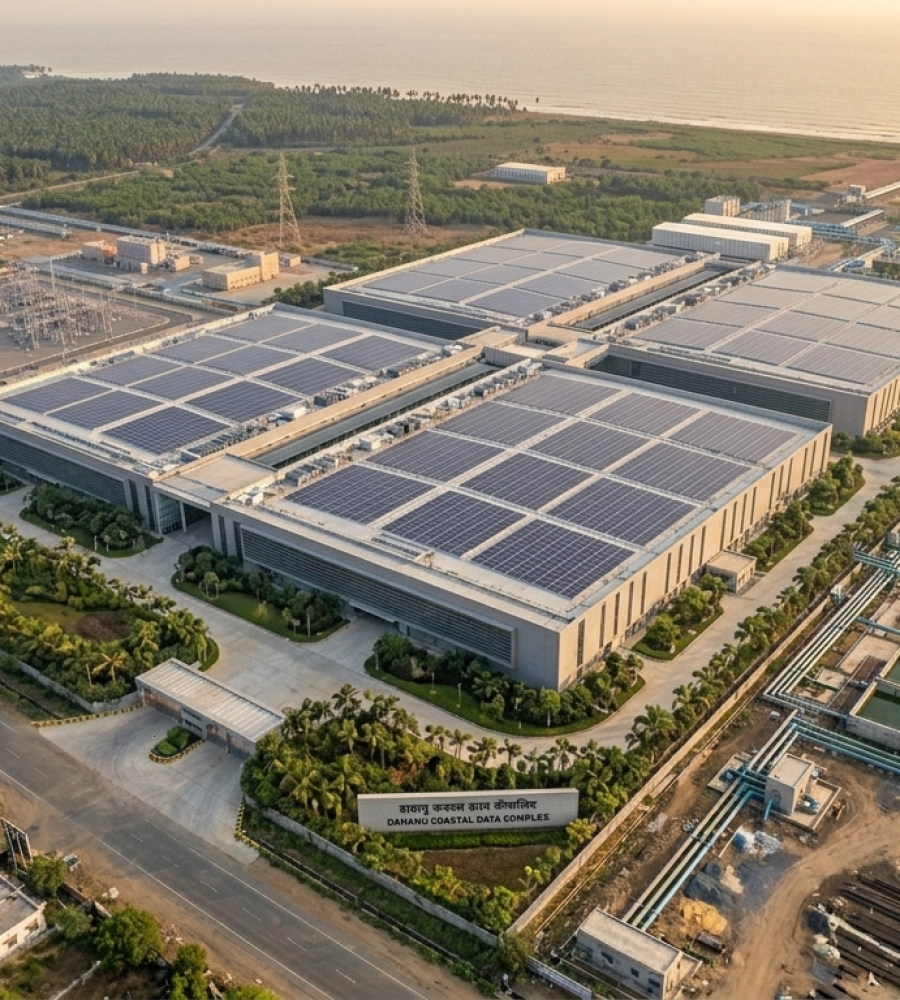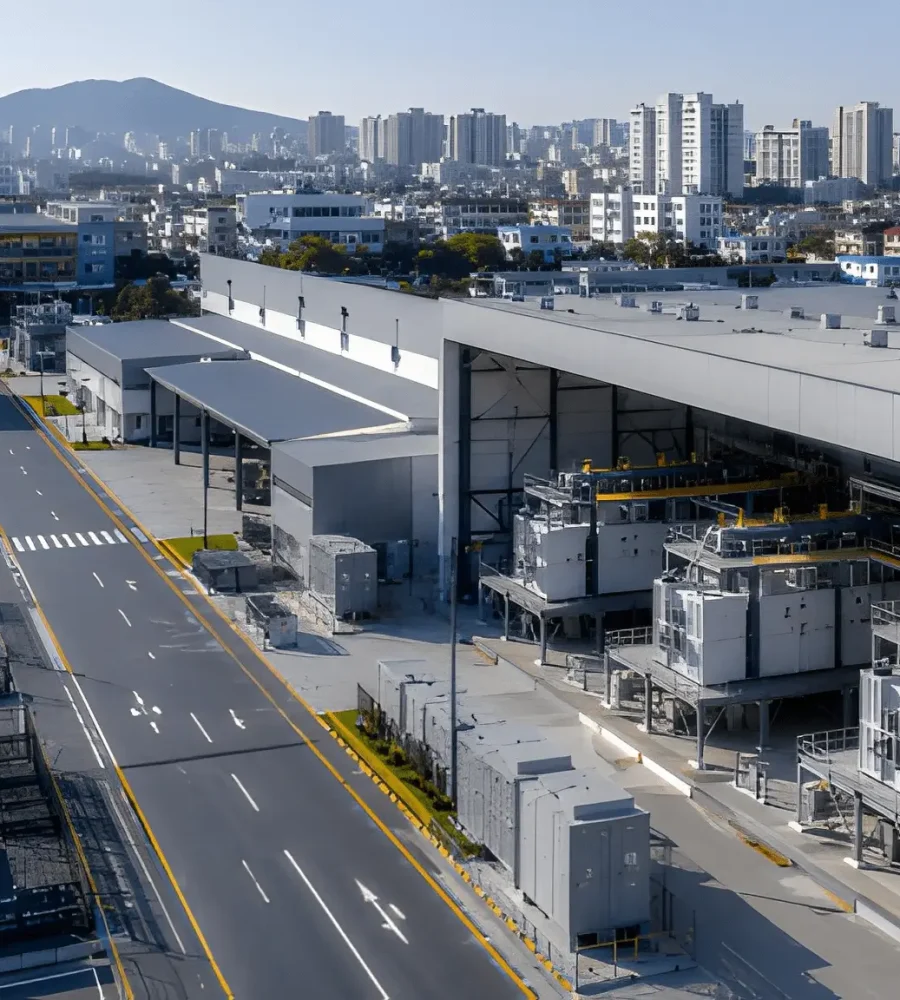

A quiet shift has started to alter the physical geography of digital infrastructure. For years, large-scale computing expansion followed a familiar pattern that favored distant locations where land, power, and permitting constraints appeared manageable. Training-oriented artificial intelligence workloads reinforced that pattern because model development benefited from concentration rather than proximity. Inference demand now introduces a different operating requirement because the value of a response often depends on how quickly it reaches a user. Latency therefore becomes a business variable rather than a purely technical measurement. That change places infrastructure planning much closer to population centers than previous generations of digital deployment required.
The consequence extends beyond network architecture. As digital infrastructure is deployed closer to end users and business activity centers, projects often engage a broader range of stakeholders that can include local authorities, neighboring businesses, investors, planning boards, and community groups. Visibility creates expectations regarding environmental performance, urban integration, design quality, and operational transparency. When digital infrastructure occupies more visible commercial locations, architectural and operational decisions become easier for external stakeholders to observe and evaluate. Corporate sustainability statements therefore encounter a more immediate form of scrutiny. Physical assets increasingly serve as visible evidence of whether stated commitments align with operational reality.
Many discussions surrounding artificial intelligence infrastructure still focus on compute density, model efficiency, energy demand, and semiconductor supply chains. Those variables remain important, yet inference deployment introduces another layer of complexity that receives less attention. Organizations must increasingly evaluate how infrastructure appears, functions, and interacts with surrounding districts because location decisions influence both technical performance and public perception. Site selection teams now engage questions that traditionally belonged to urban planners and architects. Capital allocation decisions consequently extend beyond power availability and network connectivity into areas involving social acceptance and sustainability credibility.
Urban Proximity Requirements Are Redefining Infrastructure Siting Criteria
Inference workloads operate differently from training environments because user interaction occurs continuously rather than episodically. Each prompt, recommendation, prediction, translation, or automated decision depends upon rapid response delivery that preserves application performance. Network distance therefore influences commercial outcomes in ways that centralized deployment cannot always accommodate. Organizations seeking competitive response times increasingly evaluate locations closer to users and data generation points. Traditional assumptions that concentrated computing regions can support every workload now face practical limitations. For latency-sensitive inference workloads, geographic distribution is increasingly used as an operational strategy to improve response delivery and user experience.
Locations with strong connectivity, population density, and established digital ecosystems are receiving increased attention within infrastructure planning frameworks for latency-sensitive services. Population density, digital activity concentration, and interconnection availability provide advantages that align with inference performance objectives. Demand for proximity encourages developers to revisit metropolitan locations that previously appeared unsuitable for large-scale computing investments. Existing assumptions about separation between computing assets and everyday urban activity become less relevant under latency-sensitive deployment models. Site selection teams increasingly analyze transportation corridors, telecommunications concentration points, and commercial districts alongside conventional utility assessments. The resulting evaluation process resembles urban infrastructure planning as much as traditional digital infrastructure development.
Regulatory exposure expands as infrastructure approaches populated districts. Projects encounter design review processes, neighborhood consultation requirements, and planning considerations that rarely emerge in isolated industrial zones. Approval timelines therefore depend upon stakeholder engagement quality as much as technical readiness. Organizations must demonstrate compatibility with local development priorities before construction advances. Community expectations regarding appearance, environmental impact, and district contribution become integral to project feasibility. Infrastructure development thus evolves into a multidisciplinary exercise involving engineering, planning, sustainability, and public affairs expertise.
Community Acceptance Enters the Technical Equation
Historically, infrastructure teams could treat public engagement as a secondary activity because facilities often occupied locations with limited day-to-day visibility. Urban inference deployment reduces that separation considerably. Residents, commercial occupants, visitors, and local decision-makers can directly observe infrastructure projects throughout development and operation. Visibility creates expectations regarding communication and accountability. Questions surrounding environmental performance now emerge before construction begins rather than after operations commence. Community acceptance therefore becomes a factor influencing deployment schedules and investment certainty.
The shift also changes risk assessment methodologies. Technical teams traditionally prioritized power resilience, connectivity diversity, and operational redundancy when evaluating locations. Urban deployment requires equal consideration of reputational exposure and stakeholder response because opposition can delay approvals despite technical readiness. Planning strategies increasingly incorporate consultation processes designed to identify concerns before formal reviews occur. Early engagement allows organizations to adjust designs while maintaining project momentum. Infrastructure planning consequently expands beyond engineering optimization into relationship management and trust building.
Sustainability commitments become particularly relevant within this environment. Public audiences often evaluate corporate environmental statements through visible evidence rather than policy documents. Infrastructure located near commercial and residential districts therefore functions as a practical demonstration of organizational priorities. Design choices involving material reuse, energy systems, urban integration, and public-facing elements attract attention because they provide observable indicators of commitment. Companies that align physical development with sustainability messaging strengthen credibility across multiple stakeholder groups. Organizations that fail to establish that alignment may encounter increased scrutiny despite meeting technical objectives.
Emerging Site Selection Frameworks
Urban inference deployment encourages a broader definition of infrastructure suitability. Traditional assessments emphasized power access, fiber connectivity, and land availability because centralized computing environments prioritized scale above proximity. Inference introduces additional requirements involving location relevance, integration potential, and approval feasibility. Site selection therefore evolves from a predominantly technical exercise into a multidimensional evaluation process. Organizations increasingly compare social, environmental, operational, and regulatory variables alongside engineering requirements. The resulting framework reflects the realities of infrastructure operating within visible urban environments.
Property characteristics also receive renewed attention. Buildings that offer strong connectivity, existing utility access, and favorable urban positioning can become attractive candidates despite lacking traditional hyperscale attributes. The emphasis shifts toward responsiveness, adaptability, and deployment speed rather than maximum campus scale alone. Existing commercial districts may therefore provide strategic advantages that previously received limited consideration. Organizations evaluate how assets fit within broader urban ecosystems instead of assessing isolated operational performance. Infrastructure planning increasingly reflects the realities of distributed computing architecture.
These developments signal a deeper transformation than simple geographic redistribution. Inference demand alters the relationship between digital infrastructure and the built environment by bringing operational assets into closer proximity with everyday economic activity. The resulting visibility raises expectations regarding design quality, environmental performance, and stakeholder engagement. Urban integration therefore becomes part of infrastructure strategy rather than a peripheral consideration. Organizations that recognize this shift early can align technical objectives with broader development requirements. Those that rely exclusively on legacy siting assumptions may find that latency advantages alone do not secure long-term deployment success.
Adaptive Reuse of Commercial Assets for Inference Deployment
A growing share of inference-oriented infrastructure planning now begins with buildings that already exist rather than undeveloped sites awaiting construction. Urban proximity requirements create pressure to identify locations that can enter service quickly while maintaining access to population centers and established connectivity corridors. Former commercial properties often satisfy those conditions because they occupy areas designed around transportation access, utility availability, and business activity concentration. Development teams therefore evaluate conversion potential alongside conventional greenfield opportunities. Time-to-deployment considerations frequently elevate adaptive reuse discussions within capital planning processes. Existing structures can also reduce certain categories of development uncertainty when compared with entirely new construction programs.
Office buildings represent one category receiving increasing attention from infrastructure strategists. Many commercial structures were originally designed with robust electrical systems, telecommunications pathways, and floor-loading capabilities that can support technology-intensive operations after appropriate modifications. Their urban positioning often aligns with the proximity requirements associated with inference workloads. Conversion projects nevertheless require careful engineering assessment because cooling demands, resilience expectations, and equipment densities differ substantially from traditional workplace environments. Structural suitability cannot be assumed solely because a building occupies a desirable location. Organizations therefore combine architectural analysis with operational modeling before advancing redevelopment plans.
Large commercial properties can provide characteristics such as existing utility access, transportation connectivity, and urban proximity that may be evaluated for distributed digital infrastructure projects. Large-format commercial locations frequently possess transportation accessibility, utility connections, and recognizable positions within urban districts. Infrastructure planners can leverage those characteristics when pursuing deployments intended to support latency-sensitive applications. Conversion approaches vary significantly depending on local planning requirements, building configuration, and neighborhood expectations. Stakeholder engagement remains important because communities often view redevelopment outcomes through the lens of broader district transformation objectives. Successful projects therefore balance technical requirements with contextual responsiveness throughout implementation.
Financial Logic Extends Beyond Construction Efficiency
Adaptive reuse discussions often begin with cost considerations, yet financial implications extend far beyond construction expenditure. Organizations must evaluate how redevelopment influences deployment schedules, permitting pathways, operational flexibility, and long-term asset performance. Existing structures can accelerate certain phases of project delivery when compared with entirely new developments. Faster deployment may create strategic advantages in markets where inference demand continues to expand. Delays associated with site assembly or extensive entitlement processes can carry meaningful opportunity costs. Capital planning therefore increasingly incorporates schedule value alongside direct construction economics.
Location quality introduces another important dimension of financial evaluation. Urban properties capable of supporting inference deployment may provide network advantages that reduce operational friction over time. Proximity to users, interconnection ecosystems, and business activity centers can strengthen service performance while supporting broader deployment strategies. Organizations consequently assess infrastructure investments through both operational and market-access perspectives. A building that appears expensive under conventional real-estate metrics may offer advantages when evaluated within an inference delivery framework. Financial analysis therefore expands beyond acquisition and renovation considerations alone.
Reputational value also influences redevelopment economics. Stakeholders increasingly examine how organizations utilize existing resources when advancing sustainability commitments. Conversion projects can demonstrate resource stewardship by extending the useful life of existing structures rather than replacing them automatically. Public perception often responds positively when redevelopment aligns with broader urban revitalization objectives. Organizations that communicate those outcomes effectively may strengthen credibility across investor, regulatory, and community audiences. Capital planning discussions therefore incorporate both tangible and intangible value considerations.
Sustainability Narratives Require Operational Proof
Corporate sustainability frameworks frequently reference resource efficiency, circularity principles, and responsible development practices. Adaptive reuse can support those objectives when redevelopment decisions align with measurable operational outcomes. Merely occupying an existing structure does not automatically create sustainability value. Project teams must demonstrate how design choices contribute to resource conservation, longevity, and performance improvement. Stakeholders increasingly expect evidence connecting redevelopment decisions to broader environmental commitments. Transparency therefore plays an important role throughout project planning and execution.
Inference deployment introduces unique considerations within this context because technical requirements remain demanding. Organizations must accommodate computing density, resilience standards, cooling systems, and future expansion potential while preserving the advantages associated with adaptive reuse. Design teams often navigate trade-offs between operational performance and redevelopment objectives. Successful projects treat sustainability and technical performance as complementary rather than competing priorities. Integrated planning approaches can reduce conflicts that emerge when objectives remain isolated. Infrastructure strategy increasingly depends upon that coordinated perspective.
Urban audiences often evaluate sustainability claims through visible outcomes rather than corporate reports alone. Redeveloped properties provide a tangible representation of how organizations translate stated commitments into physical action. Architectural preservation, contextual integration, and resource-conscious design decisions can reinforce credibility when implemented thoughtfully. Communities tend to observe whether projects contribute positively to surrounding districts instead of focusing exclusively on technical specifications. Physical development therefore becomes part of the broader narrative surrounding organizational responsibility. Adaptive reuse succeeds most effectively when operational requirements and public expectations move in the same direction.
Public Realm Integration as a Permitting and ESG Performance Metric
Municipal review processes increasingly examine how new development contributes to the surrounding urban environment rather than evaluating technical compliance alone. Infrastructure projects entering visible districts often encounter expectations related to streetscape quality, pedestrian experience, landscape integration, and neighborhood compatibility. Planning authorities seek assurance that large-scale technology deployments support broader place-making objectives. Design proposals therefore receive scrutiny from perspectives extending beyond engineering functionality. Many planning and review processes consider how proposed developments respond to local context, surrounding land uses, and community objectives during the approval process. Urban integration has become a practical consideration rather than a supplementary design ambition.
Inference-oriented deployments amplify these expectations because their preferred locations frequently overlap with areas experiencing commercial activity and population density. Projects situated near transportation corridors, mixed-use districts, and business centers attract attention from stakeholders who interact with the built environment daily. Architectural expression consequently influences perceptions regarding project suitability. Municipal reviewers often assess whether infrastructure contributes positively to district character instead of functioning as an isolated technical asset. Design quality therefore becomes intertwined with entitlement success. Development teams increasingly engage architects and urban designers earlier within planning workflows.
The shift reflects broader changes in how cities approach infrastructure integration. Planning authorities recognize that technology assets occupy valuable urban land and therefore expect developments to deliver benefits extending beyond operational performance. Public-facing design elements, landscaping strategies, and pedestrian improvements can demonstrate responsiveness to those expectations. Communities frequently evaluate projects based on observable contributions to everyday urban experience. Organizations that acknowledge this reality often encounter more constructive engagement during review processes. Infrastructure planning consequently evolves into a dialogue about urban value creation as well as technical capability.
Public Space Contributions Influence Project Acceptance
Projects located within prominent districts increasingly incorporate elements intended to strengthen relationships with surrounding communities. Public realm enhancements can include improved walkability, upgraded streetscapes, open-space integration, and design interventions that improve the quality of adjacent environments. Such measures help demonstrate that infrastructure investments acknowledge local priorities rather than operating independently from them. Municipal decision-makers often view these contributions as indicators of long-term commitment to place. Development teams therefore examine public-space opportunities during early project planning stages. Strategic integration can support both stakeholder engagement and permitting objectives.
Community expectations continue to evolve alongside visibility. Residents and local business stakeholders increasingly seek evidence that major developments contribute positively to district identity and functionality. Infrastructure projects that engage these concerns proactively often establish stronger foundations for approval discussions. Public-facing improvements provide tangible examples of responsiveness that stakeholders can evaluate directly. Design strategies therefore serve both practical and communicative purposes throughout development processes. Organizations that neglect these dimensions may encounter questions unrelated to operational performance yet critical to project progression.
Urban inference deployments create a unique intersection between digital infrastructure and civic experience. Computing assets may remain technically sophisticated and operationally secure while still participating visibly within the surrounding environment. Planning frameworks increasingly encourage that dual role because cities seek developments that support economic activity without diminishing public-space quality. Infrastructure providers consequently explore design approaches that acknowledge both operational imperatives and urban responsibilities. Public realm integration thus emerges as an increasingly relevant component of project viability. Approval success often depends upon demonstrating value across multiple dimensions simultaneously.
ESG Credibility Becomes Physically Observable
Environmental, social, and governance commitments traditionally relied heavily upon reporting frameworks and disclosure mechanisms. Urban infrastructure deployment introduces a more direct form of evaluation because stakeholders can observe physical outcomes firsthand. Buildings, landscapes, material choices, and public-facing amenities provide visible indicators of how organizations implement stated priorities. Infrastructure projects therefore become tangible expressions of broader sustainability narratives. Design decisions carry significance beyond aesthetics because they contribute to credibility assessments. Stakeholders increasingly compare public commitments with observable development outcomes.
Public realm integration strengthens this connection by translating abstract commitments into practical interventions. Improvements that enhance accessibility, support local environments, and contribute positively to district experience demonstrate alignment between corporate messaging and physical action. Municipal reviewers often regard these outcomes as evidence of thoughtful development practice. Investors and community stakeholders may reach similar conclusions when evaluating project impacts. Design quality therefore influences perceptions regarding organizational accountability. ESG performance increasingly intersects with visible urban presence.
Inference infrastructure operators face a distinct challenge because performance requirements remain demanding while stakeholder expectations continue to broaden. Organizations must maintain technical excellence without treating urban integration as a secondary concern. Successful projects recognize that operational capability and public value need not exist in opposition. Planning approaches that combine engineering precision with contextual responsiveness often create stronger long-term outcomes. Physical environments can reinforce sustainability commitments when development decisions reflect stated objectives consistently. Public realm integration can support permitting objectives while also providing visible evidence of how development decisions align with broader organizational commitments.
Aligning Inference Service Level Objectives With Corporate Sustainability Commitments
Inference workloads operate within performance thresholds that place significant emphasis on response speed and consistency. User-facing applications often depend upon rapid processing cycles that leave limited tolerance for network delays or architectural inefficiencies. Organizations therefore distribute computing resources closer to demand centers in pursuit of predictable service delivery. This approach can improve user experience while introducing additional infrastructure complexity. Geographic distribution requires careful coordination across power systems, cooling strategies, operational management, and lifecycle planning. Technical teams increasingly balance performance objectives against broader sustainability commitments during deployment decisions.
The challenge becomes more pronounced within urban environments where infrastructure visibility remains high and stakeholder expectations continue to expand. Low-latency deployments may require additional computing locations rather than further concentration within remote regions. Each location introduces new resource requirements, operational obligations, and environmental considerations. Sustainability frameworks therefore must accommodate distributed architectures without compromising declared objectives. Organizations cannot assume that performance improvements automatically align with environmental priorities. Strategic planning becomes essential when evaluating how deployment choices influence long-term sustainability outcomes.
Architectural decisions increasingly influence the relationship between operational performance and environmental responsibility. Design teams evaluate how building systems, equipment layouts, thermal management strategies, and material choices support both objectives simultaneously. Infrastructure planning now extends beyond computational efficiency into broader questions of resource optimization. Effective projects seek synergies that reduce tension between service delivery expectations and sustainability targets. Integrated decision-making frameworks help identify opportunities that isolated planning approaches may overlook. The resulting process requires collaboration across technical, environmental, and development disciplines.
Net-Zero Commitments Meet Operational Reality
Many technology organizations have established climate-related commitments that influence capital investment decisions and operational planning. Urban inference deployment introduces practical questions regarding how those commitments translate into distributed computing environments. Performance requirements often demand proximity to users, yet sustainability objectives encourage careful management of energy use, materials, and lifecycle impacts. Infrastructure teams therefore operate within a framework that requires multiple priorities to coexist. Technical optimization alone cannot determine deployment strategies. Long-term planning increasingly incorporates environmental accountability alongside operational requirements.
Energy procurement strategies play an important role within this discussion. Organizations evaluate how local power conditions, grid characteristics, and future energy opportunities align with sustainability commitments. Urban deployments may operate within regions possessing different energy profiles than traditional infrastructure markets. Planning teams therefore assess location decisions through both operational and environmental lenses. A technically attractive site may require additional consideration if it complicates broader sustainability objectives. Strategic alignment depends upon understanding these interactions before deployment occurs.
Lifecycle thinking also becomes increasingly relevant as inference infrastructure expands across multiple locations. Equipment replacement cycles, building upgrades, material selection, and operational maintenance influence overall sustainability performance. Organizations seeking consistency between public commitments and operational practices examine these factors during planning rather than after deployment. Distributed architectures require disciplined governance because small decisions repeated across numerous locations can create significant cumulative impacts. Sustainability objectives therefore become embedded within design and operational processes. Long-term success depends upon maintaining that integration throughout infrastructure lifecycles.
Circularity Principles Gain Operational Importance
Circularity principles increasingly inform infrastructure planning discussions related to resource efficiency, asset longevity, and material reuse. Urban inference deployments create opportunities to evaluate how materials, equipment, and buildings remain productive across longer periods of use. Adaptive reuse strategies, modular design approaches, and component lifecycle planning can support these goals when integrated effectively. Organizations increasingly assess whether infrastructure investments preserve flexibility rather than encouraging premature replacement. Circularity therefore becomes relevant to both environmental performance and capital efficiency. Operational resilience may also benefit from these considerations.
Infrastructure planners increasingly examine how design decisions influence future adaptability. Buildings that accommodate evolving technology requirements may remain useful longer than assets optimized exclusively for present conditions. Flexibility can reduce redevelopment pressure while supporting future performance upgrades. Urban environments particularly benefit from this approach because redevelopment opportunities often involve complex stakeholder considerations. Long-term adaptability therefore carries strategic value beyond immediate operational requirements. Circularity principles help frame these discussions within a broader planning context.
Inference growth will continue to test the relationship between service expectations and sustainability ambitions. Organizations that address these issues through integrated planning frameworks may find greater flexibility as deployment requirements evolve. Architectural decisions, operational governance, and lifecycle management increasingly influence outcomes alongside technical performance metrics. Sustainability commitments gain credibility when they remain visible within everyday infrastructure choices. Distributed inference environments therefore require deliberate alignment between operational objectives and long-term environmental responsibilities. Future competitiveness may depend as much upon that balance as upon computational capability itself.
Stakeholder Transparency Requirements in High-Visibility Districts
Inference infrastructure positioned within active urban districts operates under a different level of observation than assets located in remote industrial environments. Daily exposure to neighboring businesses, local stakeholders, investors, planners, and visitors creates a continuous form of public visibility. Physical presence therefore becomes an important component of organizational accountability. Stakeholders increasingly expect clarity regarding how infrastructure projects function within their surrounding environment. Questions often extend beyond operational performance into broader discussions involving environmental stewardship and community impact. Transparency consequently becomes a practical requirement rather than a communications exercise.
The shift reflects a broader expectation that organizations should demonstrate rather than merely describe their commitments. Sustainability reports, investor disclosures, and public statements continue to play important roles, yet visible infrastructure introduces additional opportunities for verification. Stakeholders can evaluate physical outcomes directly through design quality, site integration, operational conduct, and engagement practices. Organizations therefore face increasing pressure to ensure that infrastructure development reflects publicly stated objectives. Consistency between messaging and implementation becomes easier to assess in high-visibility locations. Trust often depends upon maintaining that consistency over time.
Urban inference deployments amplify this dynamic because they frequently occupy locations where public interaction occurs naturally. Buildings no longer exist exclusively within specialized technology corridors removed from everyday activity. Their presence becomes part of the broader urban experience. Development teams therefore consider how transparency can be incorporated into planning, design, and operational strategies. Infrastructure projects increasingly function as visible demonstrations of organizational priorities. Stakeholder expectations continue to expand alongside that visibility.
Educational and Civic Elements Strengthen Credibility
Organizations increasingly explore ways to communicate infrastructure value through physical engagement rather than relying exclusively upon formal reporting channels. Educational displays, public-facing information features, interpretive design elements, and community-oriented spaces can help explain how infrastructure supports digital services and economic activity. These approaches allow stakeholders to understand the purpose and function of projects more clearly. Greater understanding often reduces uncertainty surrounding complex technology developments. Transparency therefore becomes easier to achieve when communication occurs through multiple channels. Infrastructure planning increasingly considers these opportunities during design development.
Civic-oriented design elements can also reinforce broader sustainability narratives. Public engagement features provide tangible evidence that organizations recognize their responsibilities within the districts where they operate. Stakeholders frequently respond positively when developments contribute knowledge, accessibility, or community value alongside technical functionality. Such contributions help establish a relationship between infrastructure and its surrounding environment. Development projects thereby become more understandable and relatable to audiences without technical expertise. Trust-building often benefits from these visible demonstrations of openness.
High-visibility locations create opportunities for organizations to present infrastructure as part of a larger urban ecosystem rather than an isolated operational asset. Educational and civic components support that objective by connecting technical investments with public understanding. Design strategies that encourage awareness can strengthen relationships with stakeholders over time. Transparency therefore becomes embedded within the physical environment rather than remaining confined to corporate communications. Organizations increasingly recognize the strategic value of this approach. Urban deployments provide a practical setting in which these concepts can be implemented.
Investors and Regulators Expect Demonstrable Alignment
Investor expectations regarding sustainability, governance, and operational accountability continue to evolve. Infrastructure assets located in prominent urban districts often attract greater scrutiny because they provide visible examples of organizational decision-making. Stakeholders increasingly assess whether physical development aligns with broader strategic commitments. Infrastructure therefore becomes part of the evidence base used to evaluate credibility. Observable outcomes frequently carry significant weight within these assessments. Transparency helps organizations demonstrate alignment between commitments and execution.
Regulatory attention also expands when projects occupy highly visible locations. Planning authorities and review bodies frequently examine whether developments support broader urban objectives alongside operational goals. Documentation remains important, yet physical implementation often influences perceptions regarding compliance and responsibility. Organizations that integrate transparency into project design may strengthen relationships with regulatory stakeholders. Visible alignment between commitments and outcomes can simplify future engagement processes. Infrastructure planning therefore increasingly incorporates transparency considerations from the outset.
The emergence of distributed inference architecture suggests that transparency requirements will continue to grow in importance. Infrastructure assets situated closer to users naturally attract broader stakeholder interest than remote computing environments. Organizations must therefore prepare for a future in which operational decisions receive more direct public observation. High-visibility deployments create opportunities to build trust when projects demonstrate consistency between stated values and physical outcomes. Transparency becomes a strategic capability rather than a reactive obligation. Long-term success increasingly depends upon maintaining that capability across infrastructure portfolios.
Municipal Design Review as a De Facto Sustainability Audit
Municipal review mechanisms historically focused on land use compatibility, zoning compliance, and technical planning requirements. Urban inference deployments increasingly encounter broader evaluation frameworks that consider architectural quality, contextual integration, environmental responsiveness, and community impact. Review processes therefore examine how developments interact with surrounding districts rather than evaluating operational characteristics alone. Infrastructure projects must demonstrate compatibility across multiple dimensions simultaneously. Planning authorities increasingly view design as a reflection of development intent. Approval discussions consequently extend beyond traditional engineering considerations.
The evolution of review expectations reflects changing attitudes toward visible infrastructure. Cities recognize that major technology investments occupy prominent positions within urban environments and therefore influence public perceptions of development quality. Design review bodies increasingly evaluate whether projects contribute positively to district character and long-term urban objectives. Infrastructure operators must respond to these expectations through thoughtful planning and design strategies. Architectural choices therefore acquire greater strategic significance. Review outcomes often depend upon demonstrating contextual responsiveness alongside operational competence.
Inference deployments intensify these dynamics because their location preferences frequently overlap with economically active districts. Projects seeking proximity to users often enter areas where design expectations remain particularly high. Municipal reviewers may evaluate sustainability-related design features through both project documentation and observable design characteristics presented during review processes. Physical outcomes become an important indicator of organizational commitment. Infrastructure planning increasingly anticipates this form of evaluation. Development teams adapt accordingly during project preparation.
Sustainability Claims Face External Examination
Design review processes increasingly function as informal mechanisms for evaluating sustainability credibility. Planning authorities may examine material choices, adaptive reuse strategies, landscape integration, energy-conscious design approaches, and long-term resilience considerations. These discussions often occur within public settings where stakeholders can observe and contribute to review outcomes. Sustainability therefore becomes a visible topic rather than an internal organizational matter. Infrastructure projects effectively undergo external examination regarding the implementation of stated commitments. Public scrutiny reinforces the importance of consistency between messaging and execution.
Organizations cannot rely solely upon sustainability narratives when seeking approvals in high-visibility environments. Review bodies increasingly expect evidence that commitments have influenced actual design decisions. Observable features often carry significant weight because they demonstrate how priorities are translated into action. Adaptive reuse, contextual integration, and resource-conscious planning can provide such evidence when implemented effectively. Design review thereby becomes a venue where sustainability performance receives practical evaluation. Infrastructure teams increasingly prepare for these discussions during project development.
This external examination can ultimately strengthen project outcomes when approached constructively. Feedback received during review processes may identify opportunities for improvement that benefit both infrastructure performance and stakeholder acceptance. Organizations willing to engage transparently often gain valuable insights regarding local priorities and expectations. Review mechanisms therefore serve functions extending beyond regulatory compliance. They contribute to the broader process of aligning infrastructure development with urban contexts. Sustainability credibility often benefits from that engagement.
External Validation Gains Strategic Importance
As inference infrastructure becomes more distributed and visible, organizations increasingly seek forms of validation that extend beyond internal assessments. Municipal review processes can provide one such mechanism because they involve independent evaluation by external stakeholders. Successful approvals may signal that projects satisfy broader expectations regarding design quality and contextual integration. This outcome can strengthen credibility across multiple audiences. Infrastructure planning therefore increasingly values external validation alongside technical achievement. The two dimensions often reinforce one another.
Stakeholders frequently view independently reviewed projects as more trustworthy than developments assessed exclusively through internal processes. Design review outcomes provide evidence that proposals have undergone scrutiny from perspectives beyond organizational priorities. Sustainability-related features that survive such evaluation may carry greater credibility with investors, communities, and regulatory audiences. External examination therefore contributes to reputation management as well as project approval. Organizations increasingly recognize this strategic benefit. Infrastructure planning frameworks continue to evolve accordingly.
The growing importance of municipal design review reflects a broader transformation in how society evaluates infrastructure development. Visibility, sustainability expectations, and urban integration concerns now influence approval processes in meaningful ways. Inference deployments sit at the center of this transition because their operational requirements encourage closer proximity to populated districts. External evaluation consequently becomes a recurring feature of infrastructure planning. Organizations that embrace this reality may navigate future development environments more effectively. Design review increasingly functions as a practical test of whether infrastructure reflects declared commitments.
Architectural Alignment With Corporate Mandates as a Capital Planning Factor
Inference deployment is reshaping the assumptions that guided digital infrastructure development for much of the previous generation. Latency-sensitive workloads increasingly require proximity to users, applications, and data interaction points, which brings computing assets into closer alignment with urban environments. Site selection decisions therefore involve a broader collection of variables than power access, connectivity availability, and operational resilience alone. Organizations must now evaluate how infrastructure integrates physically, socially, and environmentally within visible districts. The relationship between digital services and the built environment continues to deepen as inference adoption expands. Capital planning frameworks increasingly reflect that reality.
Infrastructure projects located within visible commercial and urban environments often engage a broader range of stakeholders than projects situated in remote locations. Stakeholders can observe projects directly and evaluate whether physical outcomes align with publicly stated commitments. Sustainability narratives therefore encounter a more immediate form of verification through architecture, redevelopment choices, urban integration, and operational transparency. Organizations that treat these elements as secondary considerations may encounter challenges extending beyond technical execution. Development success increasingly depends upon balancing infrastructure performance with broader stakeholder expectations. Strategic planning consequently requires a more integrated perspective.
The transition should not be interpreted as a departure from engineering priorities. Operational reliability, performance consistency, resilience, and scalability remain essential requirements for inference environments. The difference lies in the growing recognition that technical success alone may not secure long-term deployment viability within visible urban contexts. Infrastructure planning now intersects with urban development, sustainability implementation, workforce strategy, and stakeholder engagement. Organizations increasingly evaluate these dimensions together rather than in isolation. Future infrastructure competitiveness will likely depend upon that broader approach.
Architectural Reflection Becomes a Risk and Compliance Consideration
Corporate commitments related to sustainability, resource stewardship, and responsible development increasingly influence investment decisions throughout the infrastructure lifecycle. Urban inference deployments place those commitments into environments where stakeholders can observe implementation directly. Architecture therefore assumes a more strategic role because buildings communicate priorities through visible outcomes. Design quality, adaptive reuse decisions, contextual integration, and operational transparency contribute to how projects are perceived. Organizations must consider whether infrastructure reflects declared objectives consistently across locations. Capital planning discussions increasingly incorporate those questions.
Risk assessment frameworks are evolving accordingly. Infrastructure projects may satisfy operational requirements while still encountering resistance if they fail to align with community expectations or planning priorities. Urban environments often introduce additional scrutiny regarding sustainability performance, public-space contributions, and architectural responsiveness. Development teams therefore evaluate reputational exposure alongside engineering considerations. Early alignment between technical goals and stakeholder expectations can reduce uncertainty throughout project lifecycles. Infrastructure planning increasingly incorporates these risk dimensions from the outset.
Compliance considerations are also expanding beyond conventional regulatory categories. Municipal review processes, stakeholder engagement requirements, and sustainability expectations collectively influence project feasibility. Organizations that anticipate these factors during early planning stages may achieve more predictable outcomes than those responding after designs have been finalized. Architectural decisions consequently become relevant to permitting strategy, stakeholder relationships, and long-term operational acceptance. Infrastructure assets increasingly function as visible representations of organizational conduct. Compliance therefore extends beyond technical standards into broader questions of alignment and credibility.
The Proper Reflection Mandate Is Becoming a Capital Allocation Reality
The emergence of distributed inference architecture suggests that urban integration will remain an important strategic consideration for the foreseeable future. Organizations seeking proximity to users will continue evaluating locations situated within active commercial and population centers. Infrastructure assets in those environments cannot operate as invisible components of digital ecosystems. Their presence influences perceptions among stakeholders who evaluate development outcomes through direct observation. Architectural expression, sustainability implementation, and contextual responsiveness therefore acquire practical business significance. Capital planning increasingly reflects these realities.
Adaptive reuse opportunities, public realm integration, workforce considerations, transparency expectations, and design review requirements collectively point toward a broader transformation in infrastructure development. The physical form of inference environments now influences operational success, stakeholder trust, and deployment feasibility in ways that extend beyond traditional technical criteria. Organizations increasingly recognize that infrastructure must perform effectively while also fitting responsibly within the environments where it operates. Strategic value emerges when these objectives reinforce one another rather than compete. Long-term planning therefore requires coordination across disciplines that historically operated separately. The infrastructure landscape continues to evolve accordingly.
The “proper reflection” mandate ultimately represents a structural change in how inference infrastructure interacts with the world around it. Latency requirements are drawing digital assets closer to the people and places they serve, which increases visibility and expands expectations. Buildings increasingly function as evidence of whether organizational commitments translate into practical action. Architecture becomes part of infrastructure strategy, sustainability implementation, stakeholder engagement, and risk management simultaneously. Future capital allocation decisions will likely account for these interconnected factors with greater consistency than in previous development cycles. Urban integration is becoming an increasingly important operational consideration for latency-sensitive digital infrastructure deployments.