
Enterprise infrastructure teams often evaluate resilience through the lens of facility uptime, replication frequency, and recovery objectives. That approach works reasonably well until a disruption strikes outside the walls of the data center and directly affects the connectivity fabric that links applications, users, and cloud environments. A regional subsea cable event in the Red Sea creates exactly that type of challenge because the operational impact extends far beyond any single facility. Organizations may continue running workloads inside functioning infrastructure while simultaneously losing predictable access to customers, partners, and dependent services. For boards, regulators, and executive leadership teams, that distinction matters because application availability and business continuity are not identical outcomes. In Saudi Arabia, where multiple international connectivity corridors converge around strategic coastal locations, disaster recovery planning increasingly requires a broader view of infrastructure dependency.
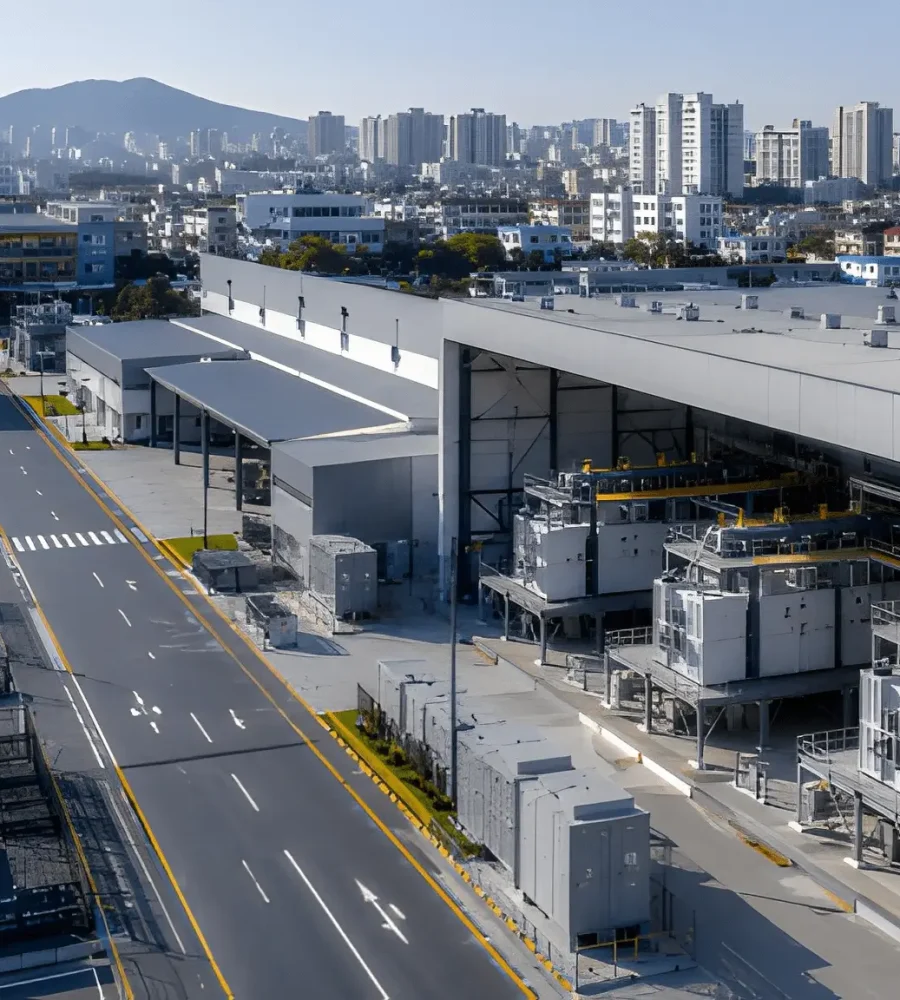
Modular data centers have introduced new flexibility into infrastructure deployment strategies by reducing construction timelines and enabling faster capacity expansion. Their value proposition remains compelling for enterprises seeking predictable deployment schedules and scalable infrastructure footprints. Yet speed of deployment does not automatically create geographic resilience, carrier diversity, or route independence during a regional connectivity disruption. Several of Saudi Arabia’s major international connectivity ecosystems remain closely tied to coastal landing locations that support critical subsea infrastructure. When infrastructure planners focus heavily on facility architecture while overlooking network concentration risk, disaster recovery assumptions can become disconnected from operational reality. Understanding that distinction has become increasingly important as Saudi Arabia strengthens its role as a digital gateway between Asia, Europe, and Africa.
Coastal Clustering: Why Putting All Your Modules Near the Shore Breaks Resilience
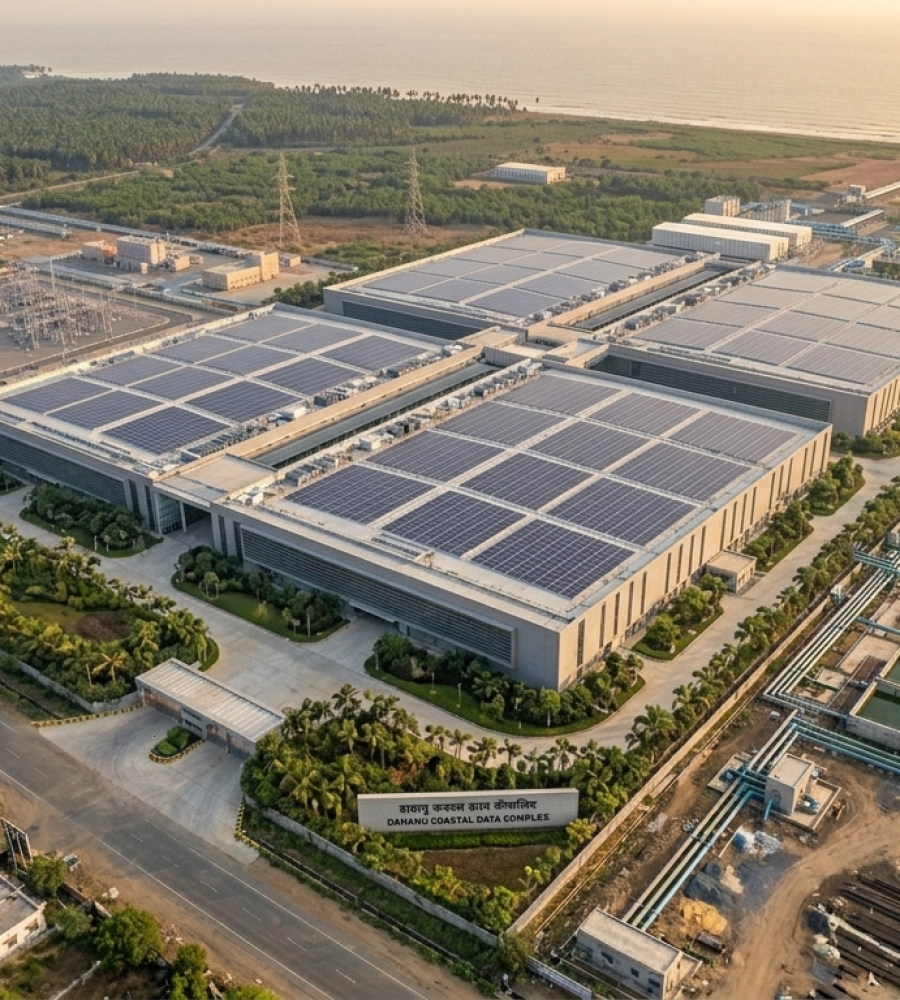
Saudi Arabia’s western coastline has evolved into one of the region’s most significant connectivity corridors because international cable systems frequently land through facilities concentrated around cities such as Jeddah and Yanbu. These locations provide direct access to major subsea routes and support substantial volumes of international traffic moving between continents. Established carrier presence, existing connectivity infrastructure, and operational interconnection ecosystems have made locations such as Jeddah and Yanbu focal points for digital infrastructure investment and network expansion projects across Saudi Arabia. Modular facilities often follow the same pattern because deployment economics improve when operators build close to established connectivity hubs. The challenge emerges when resilience planning assumes that multiple facilities within the same regional corridor automatically constitute diversification. Geographic proximity can transform several independent-looking deployments into a single risk domain during a major subsea event.
A modular facility in Jeddah and another modular facility in Yanbu may provide physical separation, but they can still depend on overlapping international connectivity pathways. Shared landing stations, common cable systems, and regional transport dependencies create correlations that remain invisible during normal operations. Disaster recovery frameworks frequently classify such environments as distributed infrastructure because workloads reside in separate locations. However, a connectivity shock affecting a common international corridor can reduce the practical benefits of that distribution. Recovery architectures designed around facility redundancy may perform far differently when network-level dependencies become the primary failure mechanism. Risk assessments therefore need to evaluate whether infrastructure diversity exists across physical sites, carrier ecosystems, and international routing paths simultaneously.
The Contract Nobody Reads: What Saudi SLA Actually Covers During Subsea Events
Many enterprises negotiate service-level agreements with careful attention to uptime percentages, response commitments, recovery targets, and service credits. Procurement teams often compare contractual language across providers and select agreements that appear to offer stronger operational guarantees. Those provisions certainly matter during equipment failures, power disruptions, and localized infrastructure incidents. Contractual protections become less straightforward when an outage originates from a regional subsea event that affects multiple operators simultaneously. Force majeure clauses frequently introduce exceptions that alter provider obligations during circumstances considered beyond reasonable operational control.As a result, force majeure provisions can limit or exclude specific service obligations during large-scale external events, making contractual outcomes materially different from those associated with provider-controlled infrastructure failures.
Legal language often separates infrastructure provider responsibility from broader network disruptions caused by external events. A provider may successfully meet obligations related to facility operations while customers experience degraded application performance due to upstream connectivity constraints. From a contractual perspective, those outcomes can produce very different interpretations of compliance. Service credits, reimbursement provisions, and liability limitations frequently depend on the exact origin of the disruption rather than its business impact. Consequently, chief information officers and legal teams should evaluate whether contractual recovery commitments explicitly address regional connectivity failures. Recovery objectives that appear robust during procurement discussions can reveal significant limitations once a subsea disruption triggers contractual exceptions.
From Seconds to Days: Reroute Reality When Egypt and Djibouti Paths Disappear
International traffic moving between Asia, Europe, and the Middle East relies heavily on strategically important corridors that traverse the Red Sea region. Several cable systems serving Saudi Arabia connect through pathways involving Egypt, the Red Sea, and adjacent international transit routes. When those routes operate normally, network traffic flows through highly optimized paths engineered for capacity and latency efficiency. During documented subsea cable disruptions, carriers have activated alternate terrestrial and subsea routes to preserve connectivity and maintain service continuity while repair operations were underway. Those mechanisms reduce immediate service interruption but they do not eliminate the consequences of lost capacity. Traffic frequently shifts onto longer or more congested pathways that introduce measurable performance degradation.
Failover strategies often succeed in preventing complete isolation, yet recovery performance rarely mirrors pre-event conditions. Latency increases can affect real-time applications, transaction systems, AI inference services, collaboration platforms, and customer-facing digital experiences. Network congestion can increase when traffic is rerouted onto alternate international paths with finite available capacity, a behavior documented during major subsea cable disruptions affecting global internet routes. Network teams can optimize routing policies and carrier relationships, however they cannot instantly create additional international capacity during a widespread subsea disruption. Repair timelines may extend beyond the expectations embedded within many enterprise recovery plans because subsea restoration involves specialized vessels, engineering assessments, and environmental considerations. This reality highlights an important distinction between infrastructure resilience and connectivity resilience, which organizations often evaluate as though they were identical capabilities.
Prefab Doesn’t Mean Portable: The Myth of Picking Up and Moving Your DR
Marketing narratives sometimes create the impression that modular infrastructure can rapidly relocate in response to changing operational requirements. While modular architecture offers significant deployment flexibility compared with traditional construction approaches, relocation remains a complex logistical undertaking. Infrastructure modules contain integrated systems that depend on local power availability, network connectivity, regulatory approvals, transportation planning, and operational support structures. Moving workloads across regions involves far more than physically repositioning equipment. Organizations must also consider data gravity, application dependencies, security controls, compliance requirements, and user access patterns. During an active regional connectivity crisis, those considerations become even more significant.
Moreover, disaster recovery decisions occur under operational pressure when leadership teams need rapid restoration rather than long-term infrastructure transformation. A modular facility cannot instantly establish new carrier ecosystems, create fresh international routes, or secure regulatory approvals for cross-border data movement. Enterprises that rely exclusively on modular deployment speed may overestimate their ability to respond dynamically during a major connectivity disruption. Geographic diversification requires advance planning, contractual preparation, network engineering, and governance alignment long before an incident occurs. Infrastructure mobility should therefore be viewed as a strategic capability rather than an emergency recovery mechanism. Effective resilience depends more on pre-positioned alternatives than on assumptions about rapid relocation after disruption begins.
Beyond Replication: What Saudi CISOs Should Audit in a Modular-Only DR Playbook
Replication remains a critical component of disaster recovery architecture, but replication alone cannot address every dependency exposed by regional connectivity failures. Security and infrastructure leaders should begin by mapping every application dependency to its underlying carrier, landing station, and international routing path. That exercise frequently reveals concentrations that remain hidden behind cloud dashboards and infrastructure abstraction layers. Multiple providers may appear independent while relying on overlapping connectivity corridors beneath the surface. Visibility into those dependencies enables organizations to identify where genuine diversification exists and where perceived diversification masks shared risk. Risk reduction begins with understanding how traffic actually traverses regional infrastructure ecosystems.
Saudi enterprises should also evaluate cross-border recovery policies alongside technical recovery mechanisms. Data residency requirements, contractual restrictions, sector regulations, and operational governance frameworks can influence which recovery options remain available during an emergency. Some failover scenarios may appear technically feasible while creating legal or compliance complications when activated. Additionally, carrier diversity audits should extend beyond service providers and examine the underlying physical infrastructure supporting those providers. Nevertheless, organizations that align legal, operational, and technical recovery planning generally respond more effectively when regional disruptions occur. Board-level resilience discussions increasingly require evidence that disaster recovery strategies address connectivity concentration with the same rigor applied to facility redundancy.
Building a Red Sea-Proof Promise Your Board Can Actually Sign
Boards rarely evaluate disaster recovery investments because they enjoy discussing infrastructure architecture. They evaluate those investments because business continuity, customer trust, operational stability, and revenue protection depend upon them. Regional connectivity disruptions expose the difference between infrastructure that appears resilient and infrastructure that remains resilient under stress. Modular facilities contribute meaningful advantages through deployment speed, scalability, and operational consistency. Yet no architecture can compensate for concentrated connectivity dependencies that place multiple recovery environments inside the same failure domain. Strategic resilience therefore requires a broader perspective that extends beyond facility design and into the realities of international network infrastructure.
For Saudi infrastructure leaders, the most valuable disaster recovery question may not concern how quickly another facility can come online. A more important question asks whether users, applications, cloud services, and partners can still communicate effectively when major subsea routes become unavailable. That distinction changes investment priorities because it shifts attention toward carrier diversity, route independence, geographic dispersion, and governance readiness. Furthermore, organizations that test connectivity assumptions with the same discipline applied to facility resilience often uncover risks before those risks become operational events. Sustainable recovery architecture emerges from balanced investment across facilities, networks, legal frameworks, and operational processes. When those elements work together, executive teams can make continuity commitments with greater confidence during an increasingly uncertain connectivity landscape.