Europe’s AI Infrastructure Market Is Changing
Europe’s AI infrastructure market entered a new phase in 2025. Demand for AI-ready capacity surged as neocloud providers expanded aggressively across the region. These companies focus on delivering GPU infrastructure and AI compute services rather than traditional cloud offerings.
New research from CBRE shows that signings for AI-focused colocation capacity reached 414 MW during the first nine months of 2025. The figure stood at just 133 MW during the same period in 2024. That increase represents one of the fastest shifts in European data center demand seen in recent years. Unlike previous growth cycles driven primarily by hyperscalers, this expansion reflects a new category of infrastructure buyer. Neocloud operators now compete directly for large-scale AI capacity across Europe’s major and secondary data center markets.
What Are Neocloud Providers?
Neocloud providers focus almost entirely on AI workloads. Their platforms offer GPU clusters, AI training infrastructure, inference services, and accelerated computing environments.
Traditional hyperscalers support thousands of cloud services. Neocloud companies take a different approach. They concentrate resources on AI developers, model builders, enterprises, and research organizations that need access to high-performance GPUs. As a result, they often deploy infrastructure faster than larger cloud providers. Many customers also prefer neocloud environments because they provide more direct access to scarce GPU resources. Industry analysts increasingly view these companies as an important part of the AI infrastructure ecosystem.
Why AI Capacity Demand Is Accelerating
Generative AI continues to increase demand for compute infrastructure. Training large models requires thousands of GPUs operating simultaneously. Inference workloads add another layer of demand as enterprises deploy AI applications at scale. Consequently, operators across Europe are racing to secure power, cooling, and rack space before capacity becomes unavailable.
CBRE’s findings suggest that neocloud providers are signing capacity faster than many expected. Several operators secured facilities that were originally intended for hyperscale cloud tenants. This trend highlights how quickly AI-specific demand is reshaping the market. The shift also reflects growing confidence among investors and operators that AI demand will remain durable through the second half of the decade.
The Nordics Have Become Europe’s AI Capacity Hotspot
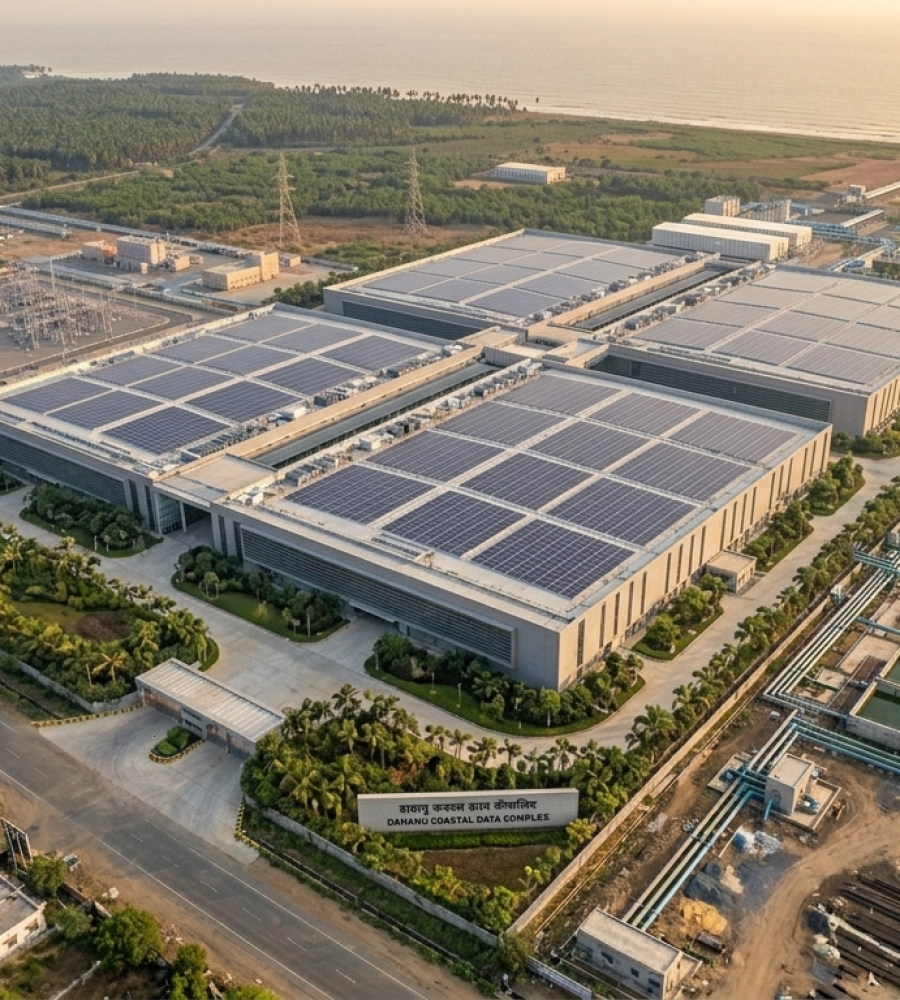
According to CBRE, 57% of AI-focused capacity signed by neocloud providers in 2025 was located in the Nordic countries. Several factors explain this trend. Nordic markets offer abundant renewable energy, lower electricity costs, cooler climates, and growing data center ecosystems. These advantages help operators reduce operating expenses while supporting sustainability objectives. Furthermore, AI infrastructure increasingly depends on access to reliable power.
Nordic countries provide some of the strongest power availability profiles in Europe, making them attractive destinations for GPU-intensive deployments. As AI clusters grow toward hundreds of megawatts, power availability may become more important than proximity to traditional cloud hubs.
Hyperscalers Are Creating An Opening
A notable aspect of the 2025 market is the moderation of hyperscaler leasing activity. Major cloud providers remain active investors in AI infrastructure. However, their leasing pace slowed temporarily in several European markets during 2025.
This created an opportunity for neocloud providers to absorb available capacity. Data center operators that once targeted hyperscaler tenants increasingly signed agreements with AI infrastructure firms instead. The development highlights an important change in the buyer landscape. Data center providers no longer depend solely on AWS, Microsoft Azure, Google Cloud, or Meta to fill large facilities. AI-native infrastructure companies have emerged as credible anchor tenants.
AI Factories Need A New Type Of Infrastructure
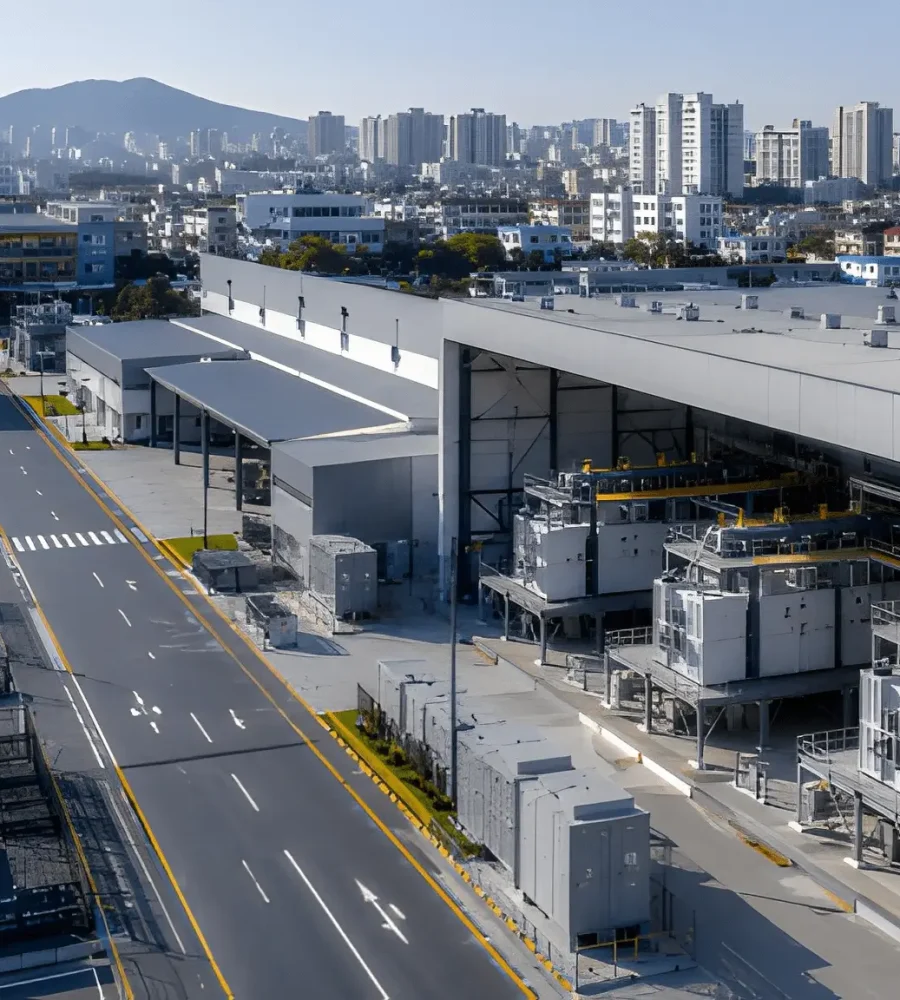
Many neocloud providers are building what the industry increasingly calls AI factories. These facilities differ from traditional cloud deployments. GPU density is significantly higher. Power consumption rises dramatically. Cooling requirements become more demanding. Network architecture also grows more complex.
Therefore, operators require purpose-built environments capable of supporting accelerated computing at scale. This requirement explains why AI-ready colocation capacity commands premium pricing in many European markets. Operators are investing heavily in liquid cooling systems, high-density power distribution, and advanced networking infrastructure to support future AI demand.
Europe’s AI Infrastructure Footprint Is Expanding
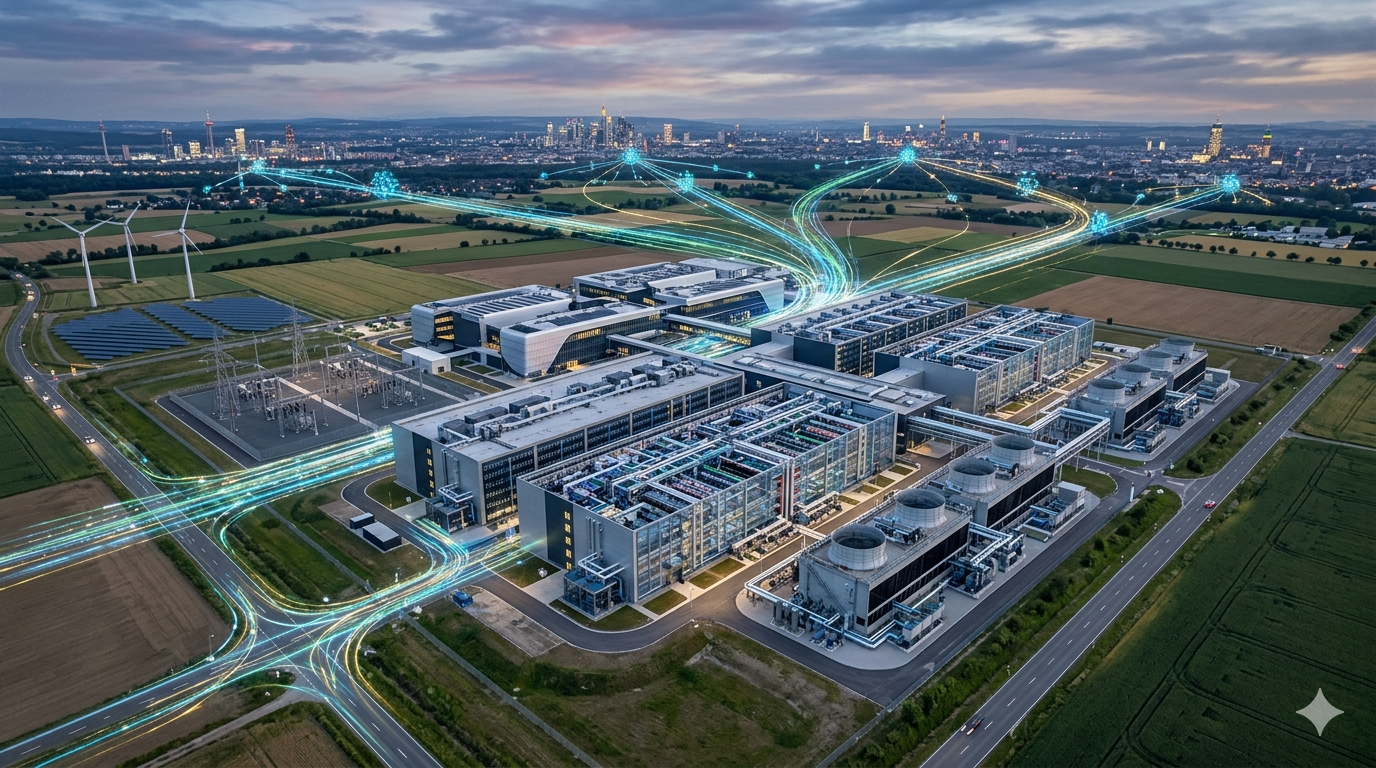
The neocloud boom arrives as Europe experiences broader growth in data center construction. CBRE forecasts record capacity deployment across the region, driven by AI and cloud expansion. New facilities are expected to add hundreds of megawatts of capacity across both established and emerging markets.
Growth is no longer limited to Frankfurt, London, Amsterdam, Paris, and Dublin. Secondary markets such as Milan, Madrid, and Nordic locations continue attracting new investment. As power constraints intensify in primary hubs, AI infrastructure developers increasingly look toward regions with stronger energy availability and faster deployment timelines.
What This Means For The Future Of AI Infrastructure
The rise of neocloud providers signals a structural shift in the AI economy. For years, hyperscalers dominated cloud infrastructure demand. AI is creating a parallel ecosystem of specialized infrastructure operators focused entirely on accelerated computing.
Companies such as Nebius and other GPU cloud providers are securing long-term capacity agreements, expanding power footprints, and competing directly for infrastructure resources. Their growth suggests that AI infrastructure demand may diversify rather than consolidate around a handful of cloud giants. As AI workloads expand, neocloud providers are likely to play a larger role in determining where new data centers are built, how power is allocated, and which regions emerge as future AI hubs.
Europe’s Next AI Infrastructure Wave
The tripling of neocloud capacity signings in 2025 is more than a leasing statistic. It reflects the emergence of a new class of infrastructure operators that are reshaping Europe’s AI landscape. Their demand is influencing investment decisions, accelerating data center construction, and redirecting capacity toward AI-first deployments.
If current trends continue, the next phase of Europe’s AI expansion may be driven not only by hyperscalers, but by specialized compute providers building the infrastructure layer beneath the continent’s growing AI economy.