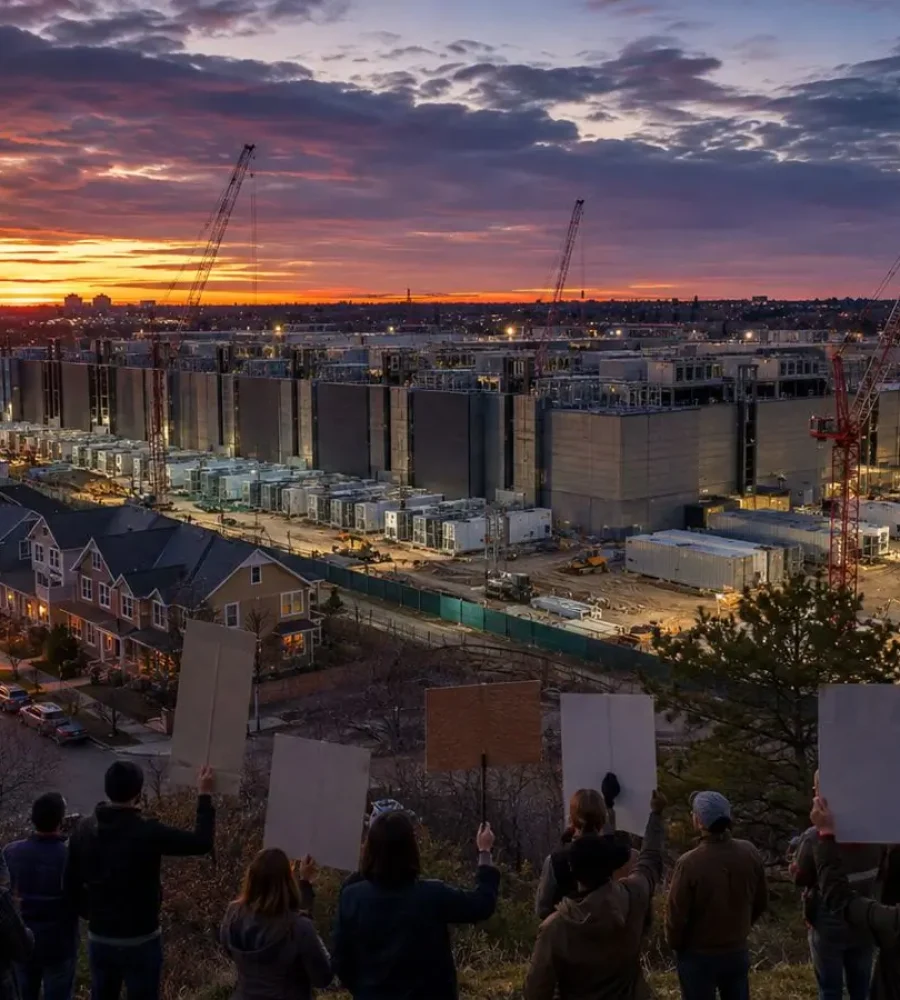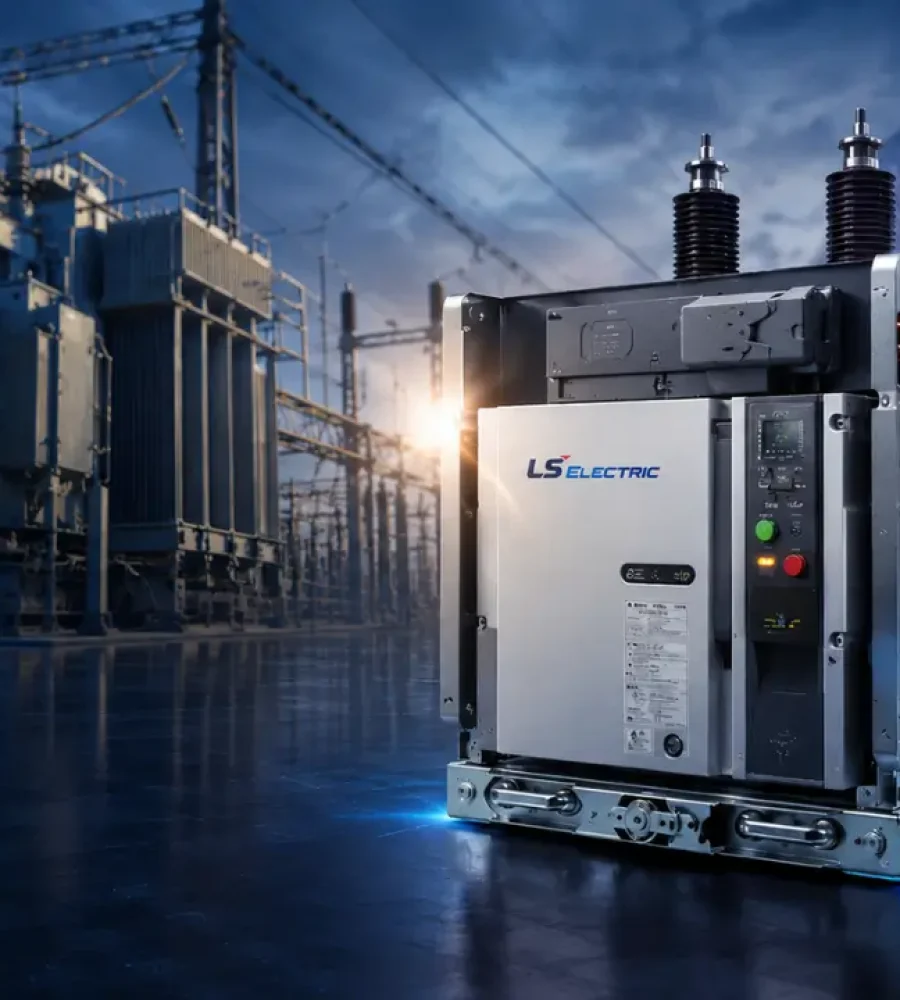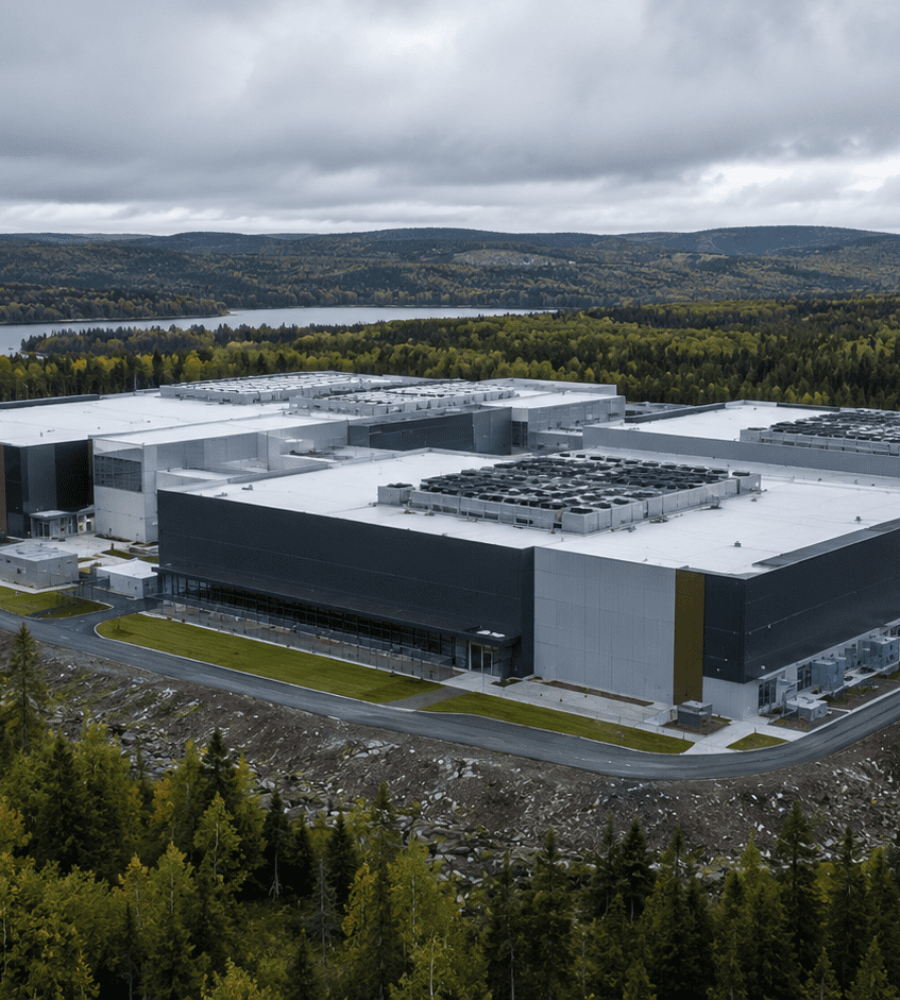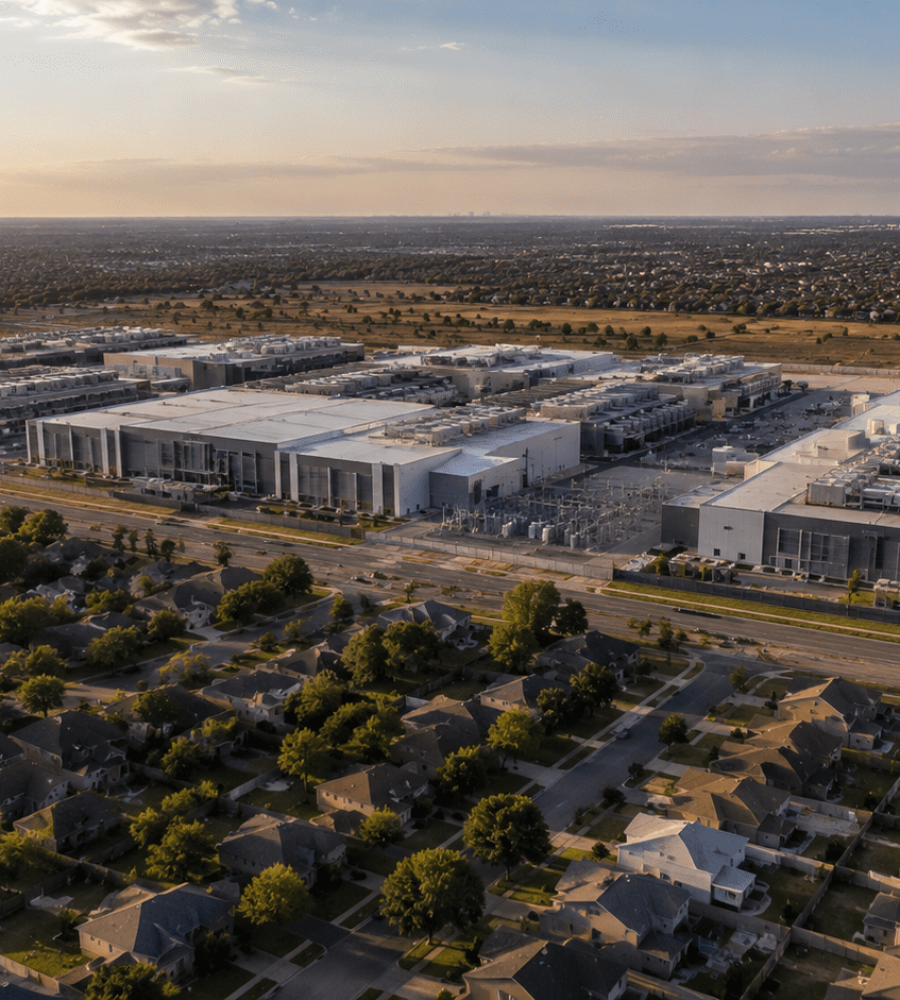
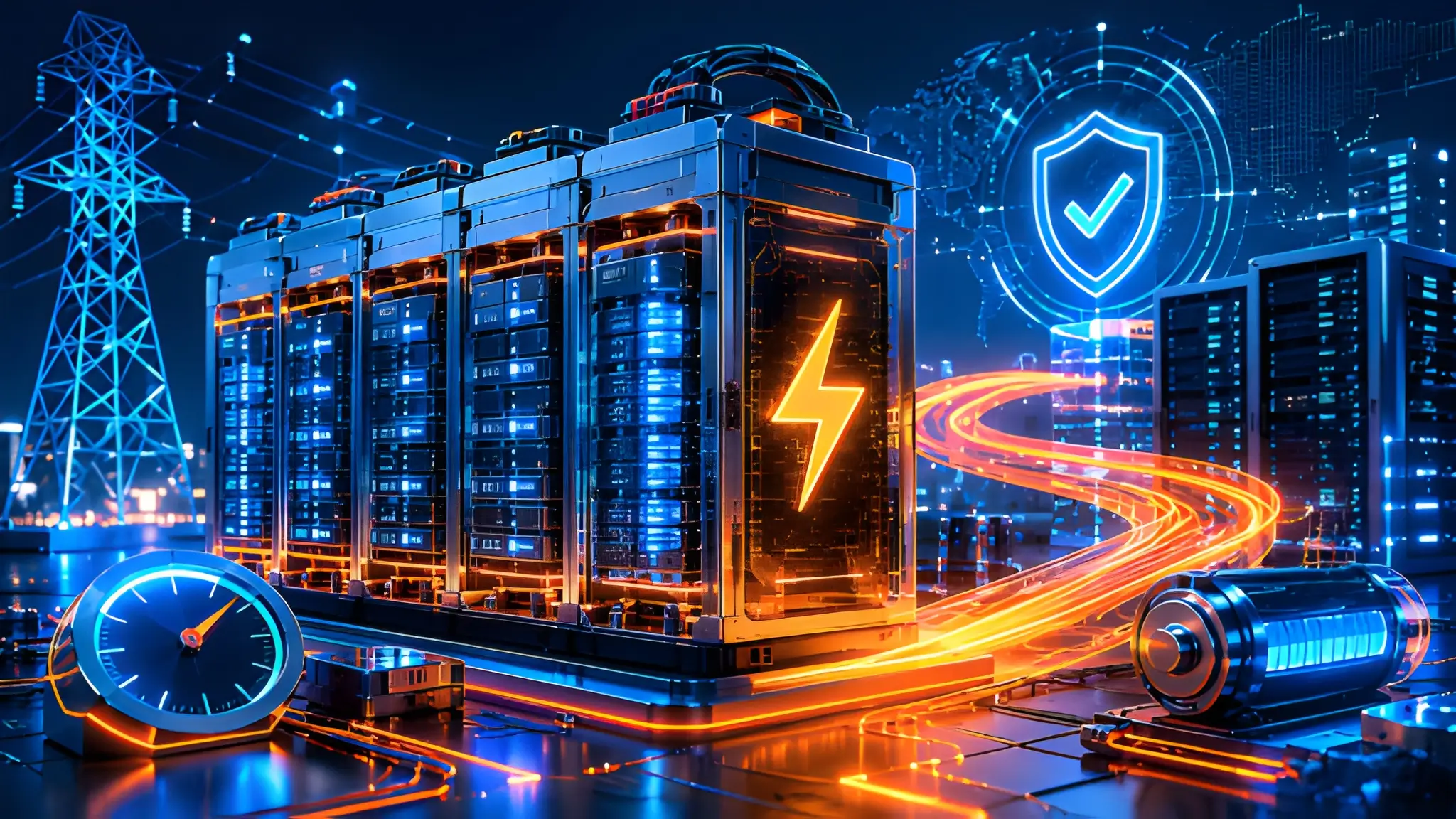
Somewhere inside a hyperscale AI campus, the most important machine in the building may no longer be the GPU cluster that attracts billions in investment. The critical system increasingly sits behind electrical walls, hidden from public architecture diagrams, silently charging and discharging while preventing expensive compute infrastructure from collapsing under unstable power behavior. AI operators have started discovering that uptime failures rarely begin at the software layer when workloads scale into thousands of accelerators running continuously across volatile demand cycles. The instability often begins at the electrical layer where milliseconds of imbalance can ripple through cooling systems, power distribution chains, and inference scheduling engines before engineers even identify the disruption. Large-scale energy storage has quietly moved into that gap between power availability and compute reliability. The result is a major shift in how hyperscale facilities now think about resilience, infrastructure economics, and operational continuity.
Batteries Are Becoming The New Uptime Currency
Traditional uptime measurements evolved during an era when enterprise workloads behaved predictably across relatively stable electrical environments. AI infrastructure does not follow those historical patterns because accelerator clusters generate abrupt power swings that stress substations, transformers, and distribution systems at a scale conventional facilities rarely encountered before. Hyperscale operators increasingly evaluate resilience through metrics tied directly to energy responsiveness alongside traditional backup pathways and generator availability guarantees. Storage duration, discharge precision, thermal stability, and cycle consistency now influence procurement decisions for major AI campuses being constructed across North America, Europe, and Asia. The facilities supporting high-density inference systems require energy continuity that can react instantly without waiting for mechanical backup systems to stabilize the load environment. Reliability increasingly depends on how intelligently stored energy can respond under unpredictable runtime conditions alongside existing redundant generator infrastructure.
This operational shift changes how executives quantify infrastructure confidence inside hyperscale environments handling economically sensitive AI workloads. A facility operating with substantial on-site electrochemical reserves can absorb micro-disturbances that would otherwise interrupt training sequences, damage runtime consistency, or trigger cascading thermal instability across GPU rows. Engineers now evaluate whether storage systems can sustain power quality during sudden ramp events that appear during inference surges or synchronized computational bursts. Some operators have started integrating battery analytics directly into infrastructure monitoring dashboards so energy depth becomes visible beside cooling efficiency and compute utilization metrics. The energy layer increasingly functions as an active stabilizer instead of a dormant emergency reserve waiting for catastrophic utility failure events. Consequently, stored energy capacity has become a measurable operational differentiator that influences both customer confidence and infrastructure valuation models.
AI Workloads Are Creating A “Second-by-Second” Storage Economy
AI inference traffic rarely follows the smooth consumption patterns that older enterprise applications once produced across centralized compute environments. Large language models can trigger unpredictable computational spikes as millions of simultaneous requests activate matrix operations, memory transfers, and networking loads within extremely compressed timeframes. These bursts place extraordinary pressure on electrical infrastructure because the underlying hardware demands instantaneous energy availability without tolerance for delay or fluctuation. Conventional grid synchronization systems may not always react quickly enough to absorb these abrupt shifts before power irregularities propagate across the critical load path.Operators increasingly rely on ultra-fast storage systems positioned directly within facility power architecture to bridge those dangerous milliseconds between demand escalation and grid stabilization. The energy system therefore becomes an active participant in compute orchestration rather than a passive utility dependency operating outside the workload environment.
This environment has created what many infrastructure engineers now describe internally as a second-by-second storage economy shaped by predictive energy management. Battery management software continuously analyzes workload forecasts, accelerator behavior, thermal conditions, and electrical draw patterns to determine where discharge support may become necessary before instability appears. Facilities running deterministic training operations can pre-condition storage reserves ahead of major compute cycles while reserving additional discharge flexibility for unexpected inference volatility. Some hyperscale operators are integrating energy orchestration engines directly into workload schedulers so compute placement decisions consider instantaneous power availability alongside network and cooling variables. Meanwhile, battery responsiveness increasingly determines whether facilities can maintain uninterrupted runtime consistency during rapid fluctuations occurring beneath application visibility layers. The emerging operational philosophy increasingly treats stored energy like a real-time computational asset that benefits from continuous optimization rather than occasional emergency activation alone.
The Battery Layer Is Quietly Reshaping Data Center Architecture
Energy storage systems once occupied peripheral infrastructure zones separated from the white space through transfer switches and dedicated backup corridors. Modern AI facilities are dismantling that architectural separation because latency-sensitive workloads require faster interaction between storage infrastructure and compute systems. Battery modules are increasingly being evaluated for deployment closer to high-density accelerator rows where they can support stabilized power delivery with reduced transition delays. This shift affects nearly every aspect of facility engineering because electrochemical systems introduce structural loading demands, thermal management challenges, and specialized fire suppression requirements directly inside operational compute areas. Rack sequencing strategies now account for proximity to localized energy support systems capable of stabilizing power behavior during volatile inference activity. Storage architecture is increasingly becoming embedded into the physical logic of the data center itself rather than remaining entirely isolated within backup infrastructure compounds.
The consequences extend beyond electrical engineering into cooling design, spatial planning, and infrastructure deployment sequencing across hyperscale campuses. Facilities integrating distributed storage layers beside dense GPU clusters must manage concentrated heat generation from both compute and electrochemical equipment operating simultaneously within constrained environments. Some operators have introduced dedicated energy corridors running parallel to compute aisles so discharge systems can remain physically close without disrupting airflow management strategies. Others are experimenting with modular containerized storage integrated through direct-current coupling architectures that reduce conversion losses and accelerate discharge responsiveness. Furthermore, storage integration increasingly influences how operators phase campus expansion because energy buffering capacity now affects how rapidly additional compute clusters can come online without destabilizing existing infrastructure. The battery layer has effectively evolved into a co-equal architectural component alongside networking, cooling, and power distribution systems inside advanced AI facilities.
Why AI Infrastructure Is Starting To Hoard Energy Instead Of Just Consuming It
A noticeable philosophical transition is emerging inside operations teams responsible for maintaining continuous AI runtime availability across hyperscale environments. Earlier infrastructure models focused primarily on securing reliable energy supply through utility contracts, backup redundancy, and generation agreements capable of meeting expected demand curves. AI operators increasingly prioritize stored reserve capacity because external grid reliability no longer guarantees uninterrupted computational continuity during volatile load events. Regions experiencing rapid hyperscale expansion have already encountered situations where infrastructure growth outpaced utility reinforcement schedules, creating operational uncertainty for facilities requiring nonstop electrical stability. Storage reserves now function as protective operational buffers shielding expensive accelerator clusters from instability originating both outside and inside the campus boundary. The energy strategy therefore shifts away from pure consumption optimization toward maintaining controlled reserve flexibility capable of absorbing disruption without compromising workload continuity.
This reserve-oriented mindset influences dispatch policies, infrastructure planning decisions, and service-level confidence across large-scale AI environments supporting latency-sensitive applications. Operators increasingly define minimum charge thresholds below which certain workloads cannot launch because stored energy capacity must remain available for resilience protection. Facilities maintaining consistent reserve margins may support stronger runtime continuity assurances because they possess additional electrical flexibility during sudden disturbances or grid instability events. Some campuses now treat energy reserves similarly to strategic operational inventory, preserving discharge capability for high-priority runtime conditions rather than maximizing short-term efficiency metrics. Nevertheless, the economics behind this approach remain grounded in practical operational experience rather than theoretical sustainability ambitions or marketing narratives.Infrastructure teams increasingly recognize that uninterrupted AI runtime may depend partly on the amount of stabilized energy already stored inside the facility before disruption begins.
Battery Storage Is Turning AI Facilities Into Real-Time Energy Traders
As storage deployments expand into hundreds of megawatt-hours across hyperscale AI campuses, operators gain access to strategic capabilities extending beyond internal resilience management. Large-scale storage systems can participate directly in electricity balancing programs, frequency regulation markets, and time-sensitive pricing cycles while continuing to support primary uptime objectives. Facilities capable of absorbing inexpensive off-peak energy and discharging during grid stress periods effectively become active participants within regional electricity ecosystems. Several major power markets already permit behind-the-meter storage assets to contribute balancing services without compromising their operational reliability responsibilities. This creates a scenario where energy infrastructure generates financial value dynamically instead of remaining dormant until emergency activation events occur. The economics surrounding storage deployment therefore increasingly involve both uptime protection and market participation potential operating simultaneously within integrated energy management frameworks.
Advanced orchestration platforms now allow operators to coordinate multiple energy strategies across the same physical storage infrastructure through software-controlled dispatch sequencing. Facilities can reduce demand charges, capture pricing arbitrage opportunities, and participate in ancillary service programs while preserving sufficient reserve margins for runtime continuity protection. Operators running sophisticated predictive systems can determine when stored energy should remain isolated for resilience purposes and when portions can safely engage with external market activity. Additionally, AI campuses possessing large flexible storage assets may eventually influence regional grid behavior as hyperscale infrastructure density continues increasing across constrained electrical markets. Facilities mastering this balance early could develop measurable long-term operational cost advantages compared with competitors relying primarily on externally supplied electricity. Energy storage therefore becomes not only a reliability layer but also a strategic financial instrument embedded directly inside hyperscale infrastructure economics.
AI Reliability Is Starting To Depend On Stored Energy, Not Just Supplied Energy
The strongest evidence of this infrastructure transition appears inside procurement specifications shaping the next generation of hyperscale AI campuses. Operators issuing requests for new facilities are increasingly evaluating operational storage capacity alongside traditional expectations covering cooling redundancy, fiber diversity, and substation connectivity. The terminology itself is beginning to evolve as some companies increasingly refer to operational energy storage rather than only backup power systems inside infrastructure planning documents. Supplied electricity entering through the grid increasingly functions as the input feeding a continuously stabilized environment maintained by permanently integrated storage architecture. Facilities unable to demonstrate sufficient stored energy flexibility may struggle to support future latency-sensitive workloads requiring uninterrupted computational continuity across nonstop operational cycles. The conversation surrounding uptime is increasingly shifting from contractual availability percentages toward physically verifiable resilience capabilities embedded directly into the infrastructure stack.
Enterprise customers deploying financially significant AI workloads increasingly evaluate whether infrastructure providers possess documented energy continuity protections capable of sustaining full operational load during instability events. A hyperscale campus with independently verified reserve depth and tested discharge responsiveness presents a materially different risk profile than one relying exclusively on external utility reliability assumptions. Storage-backed continuity is becoming increasingly important as inference systems support applications requiring uninterrupted responsiveness across healthcare, financial modeling, logistics coordination, and industrial automation environments. Moreover, infrastructure differentiation increasingly depends on the physical resilience characteristics hidden beneath software abstraction layers rather than broad marketing claims surrounding uptime percentages. AI infrastructure is entering an operational era where stored energy may increasingly influence whether compute reliability remains sustainable under real-world conditions. The facilities prepared for that reality will define the next phase of hyperscale operational leadership.