
Electricity rarely shaped California’s technology narrative in public view. Semiconductor cycles, venture capital, software dominance and cloud expansion historically unfolded behind an assumption that power infrastructure would scale quietly in the background. Artificial intelligence has disrupted that assumption with unusual speed.
The state’s AI economy now depends on infrastructure systems that no longer appear politically invisible. Utility operators, regional planners and local communities increasingly face a difficult reality: hyperscale AI expansion is colliding with physical grid limitations that were never designed for sustained compute-intensive growth at this scale. The tension extends beyond engineering. It is beginning to reshape regional relationships across California itself.
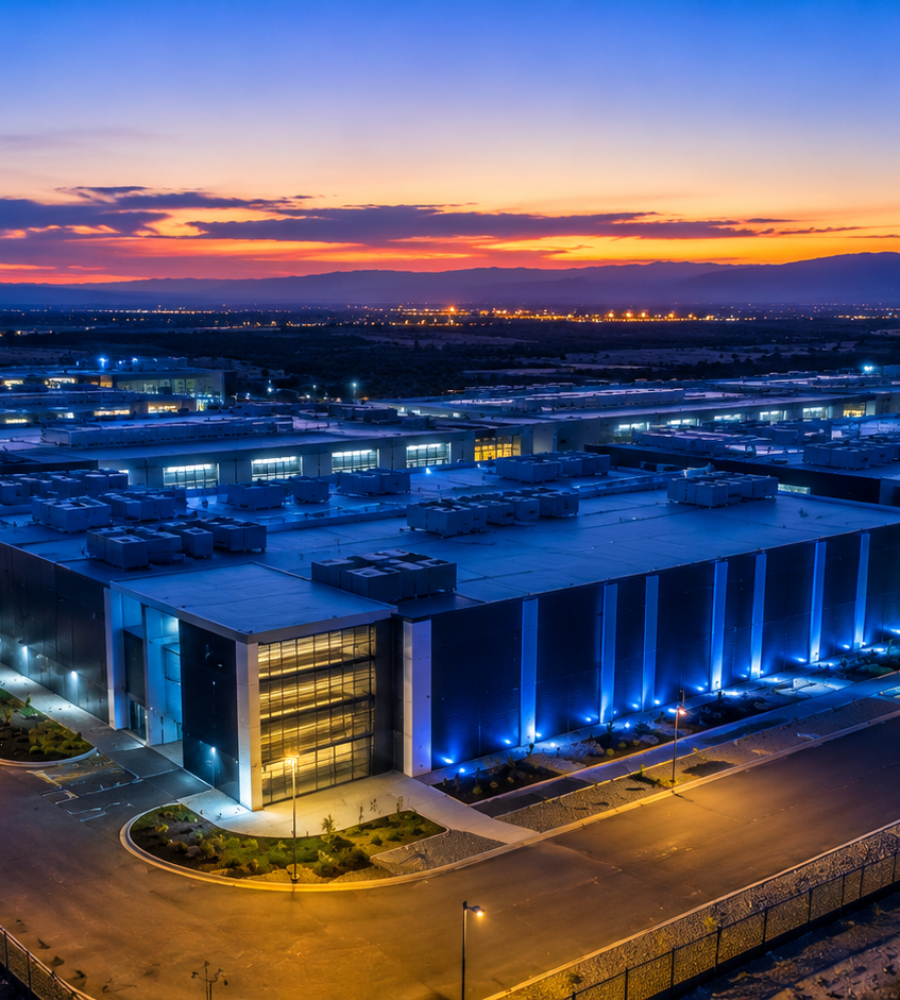
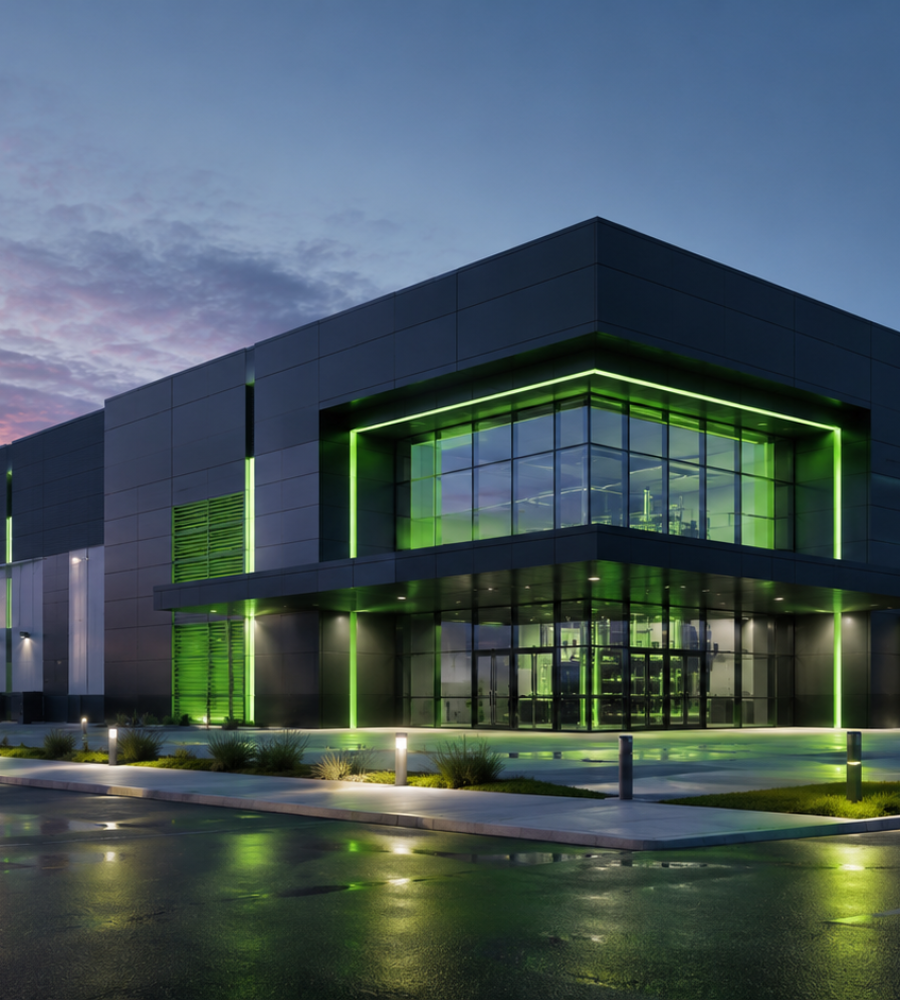
AI data centers require extraordinary amounts of continuous electricity, cooling capacity and transmission stability. Unlike traditional office campuses, modern AI infrastructure behaves more like industrial manufacturing systems operating around the clock. The largest facilities consume power at levels once associated primarily with refineries, transportation corridors or heavy industrial zones. That shift is drawing smaller utility territories and semi-rural regions into broader policy debates surrounding AI-related infrastructure expansion.
Retreat communities, secondary cities and energy-constrained districts increasingly find themselves linked to infrastructure negotiations centered on AI demand forecasts rather than local economic priorities. Residents who historically viewed data infrastructure as distant or abstract are now confronting questions involving grid upgrades, transmission expansion, electricity pricing and resource allocation.
The political sensitivity is growing as questions emerge over how infrastructure costs and energy demands are distributed across regions. AI companies often frame compute expansion as necessary national infrastructure tied to economic competitiveness, productivity growth and technological leadership. Those arguments carry influence in Sacramento and Washington.
Yet some communities linked to large-scale infrastructure expansion are increasingly focused on issues involving utility pressure, public-resource allocation and long-term electricity affordability. That divide is becoming harder to manage rhetorically.
AI Infrastructure Is Starting To Resemble A Regional Extraction Economy
California’s current debate reflects broader questions about how the benefits and infrastructure burdens of AI expansion are distributed across regions. Economic value concentrates in one geography while infrastructure burdens spread outward into less politically dominant regions.
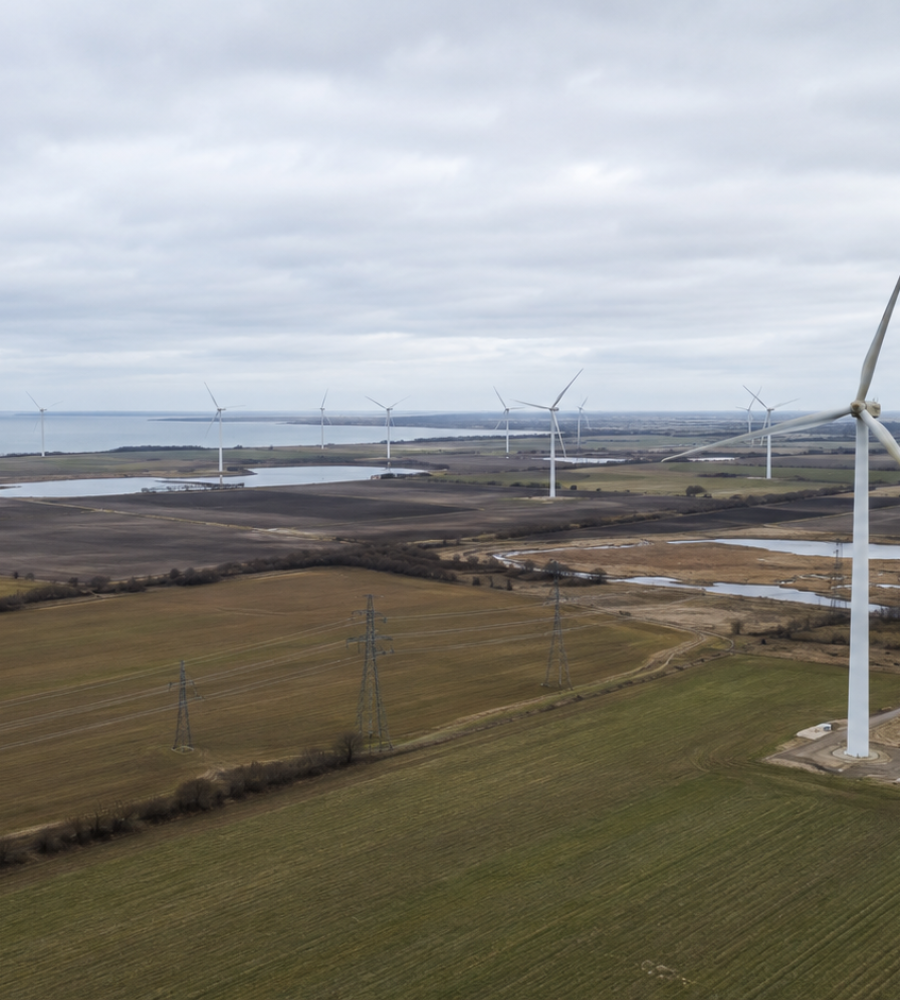
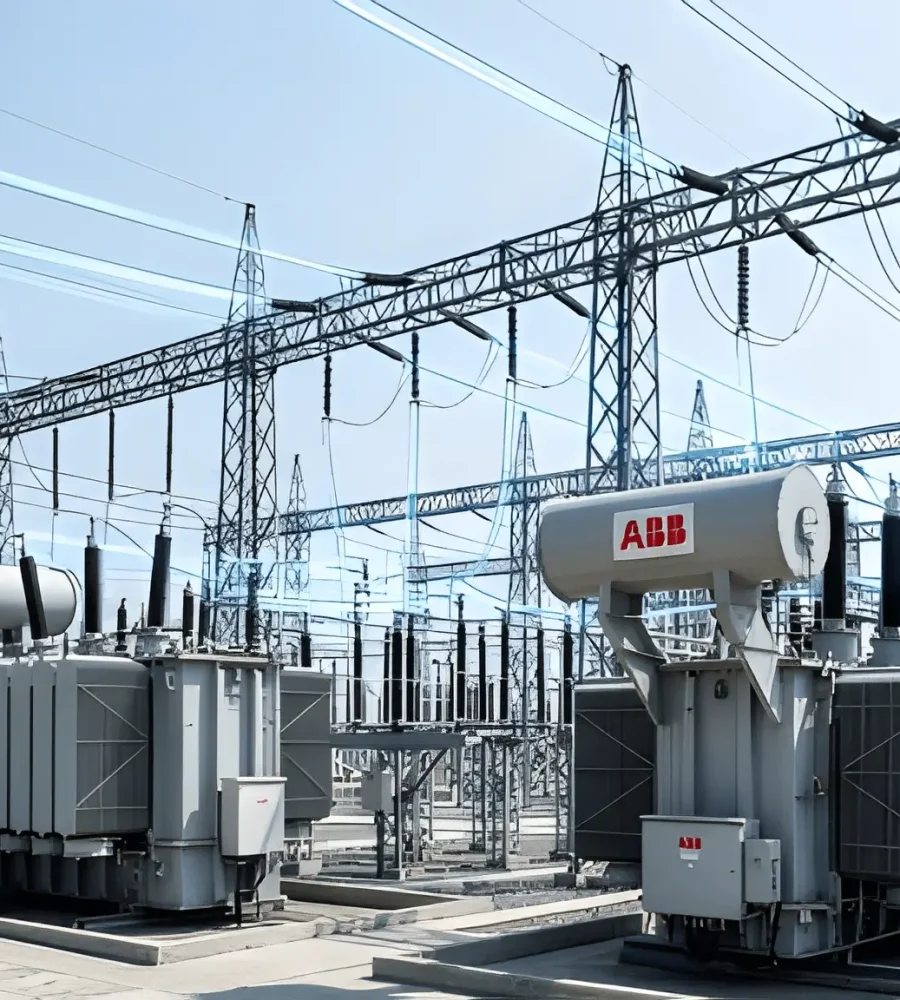
Silicon Valley remains the symbolic center of the AI economy. However, many of the energy-intensive systems sustaining that economy sit far beyond the region’s corporate campuses. Transmission corridors, substations, water resources and electrical generation networks increasingly carry the operational weight of compute expansion.
The imbalance has contributed to growing concern in some communities over infrastructure priorities and local energy pressures. Communities facing infrastructure stress often hear AI discussed in terms of trillion-dollar productivity gains, autonomous systems and economic transformation. Local governments, meanwhile, confront immediate operational questions involving permitting, grid resilience and utility investment timelines.
For some residents, debates around AI expansion increasingly intersect with concerns involving utility costs and infrastructure reliability. That perception gap matters politically because California already struggles with energy affordability and grid confidence. Wildfire-related outages, climate adaptation pressures and transmission modernization have already weakened public patience for additional system strain. AI demand enters that environment at a moment when confidence in long-term energy stability remains fragile.
The debate has intensified questions about whether the economic benefits of AI expansion are being distributed as broadly as the infrastructure demands supporting them.
This does not imply misconduct by AI companies. Most large technology firms publicly emphasize renewable procurement strategies, carbon reduction commitments and long-term infrastructure investments. Many also argue that accelerated AI development will improve energy efficiency across industries over time.
Still, broader political and regulatory questions remain unresolved. Public resistance rarely emerges from corporate statements alone. It emerges from visible local trade-offs. If residents begin associating AI growth with higher electricity costs, delayed infrastructure upgrades or reduced grid flexibility, public sentiment could shift rapidly against further expansion projects.
California has already experienced versions of this political cycle in housing, transportation and water management. Infrastructure becomes contentious when populations believe regional sacrifice no longer produces shared benefits. AI now risks entering that category.
The Grid Is Becoming Silicon Valley’s Most Sensitive Dependency
The technology sector spent years optimizing around computational efficiency, software scale and capital velocity. Energy abundance remained largely assumed. AI changes the equation because compute intensity now scales alongside electricity consumption in a far more visible way. That creates a strategic vulnerability.
Electricity infrastructure operates through timelines fundamentally different from software development cycles. Utilities cannot expand transmission networks or generation capacity with startup speed. Environmental review processes, regional approvals, land-use negotiations and grid interconnection requirements move slowly even under political pressure.
AI investment cycles move much faster. This mismatch increasingly defines California’s emerging infrastructure tension. Technology firms want accelerated compute deployment while energy systems still operate according to physical constraints and regulatory timelines that resist rapid scaling.
The consequence extends beyond operational bottlenecks into broader political and regulatory scrutiny. Communities facing rapid infrastructure expansion are increasingly debating how local systems should balance commercial AI growth with existing regional priorities. That question becomes sharper in regions where residents already feel disconnected from Silicon Valley’s economic gains.
The optics also matter nationally. California has historically projected technological progress as culturally aspirational. AI infrastructure conflicts complicate that image because they reveal the material costs beneath digital expansion.
Massive electricity demand, transmission competition and regional resource tensions challenge the perception that AI remains primarily a frictionless software revolution. The industry therefore faces a communications problem alongside an infrastructure problem.
Public support for large infrastructure projects can weaken when communities believe economic and operational impacts are unevenly distributed. If AI companies appear insulated from the infrastructure consequences affecting surrounding regions, criticism may intensify regardless of broader economic arguments supporting AI investment.
This dynamic is especially important because utilities themselves increasingly occupy uncomfortable political territory. They must satisfy reliability obligations while responding to unprecedented commercial demand growth tied to AI infrastructure. That balancing act risks creating new tensions between residential consumers, regulators and large-scale industrial energy users. The politics surrounding electricity allocation may soon become more contentious than the technology itself.
California’s AI Boom May Depend On Public Consent More Than Compute Capacity
The next phase of AI expansion may not hinge solely on chips, models or venture financing. It may depend equally on whether communities continue accepting the infrastructure realities required to sustain large-scale compute growth. That represents a meaningful shift in the technology industry’s operating environment.
Silicon Valley historically expanded through systems that felt geographically diffuse and politically detached from everyday public infrastructure. AI changes that relationship because electricity, land use and transmission capacity remain tangible and locally visible. Physical infrastructure projects often face more direct local scrutiny than software-based technology expansion.
California therefore faces a deeper policy question beneath the immediate energy debate: who ultimately absorbs the structural costs of becoming an AI superpower?
The answer could influence not only utility planning but also broader debates surrounding infrastructure policy and regional development. It could determine whether AI development continues under a framework of broad public legitimacy or enters a more adversarial political era defined by regional resistance and infrastructure conflict.
Early signs of these tensions are already emerging in energy and infrastructure discussions. As AI demand accelerates, communities outside Silicon Valley increasingly recognize that they are not peripheral observers to the technology race. They are becoming part of its operating foundation. As infrastructure demands increase, those supporting systems are likely to face greater regulatory and public scrutiny.
California’s AI economy still commands enormous political and financial momentum. Yet the pace of expansion is also prompting broader debate over infrastructure costs, regional priorities and long-term energy management.
The state’s next technology conflict may not emerge from software regulation or algorithmic ethics. It may emerge from something far more tangible: the power grid itself.