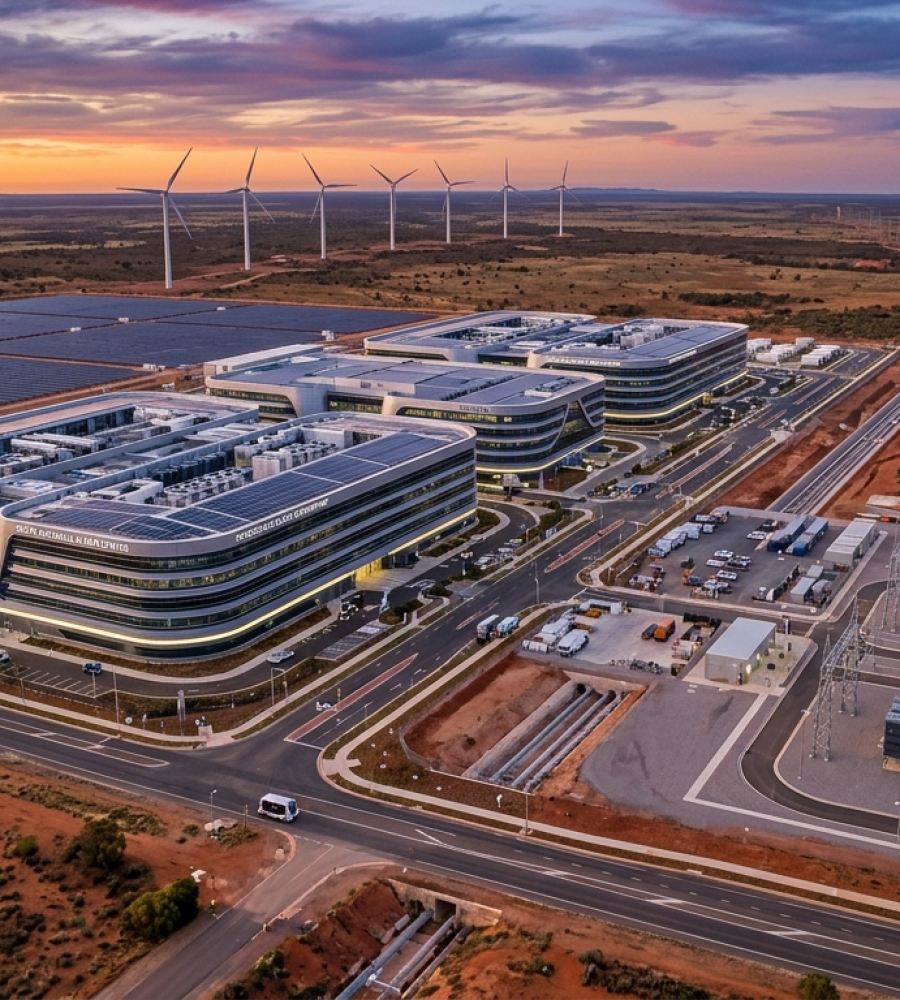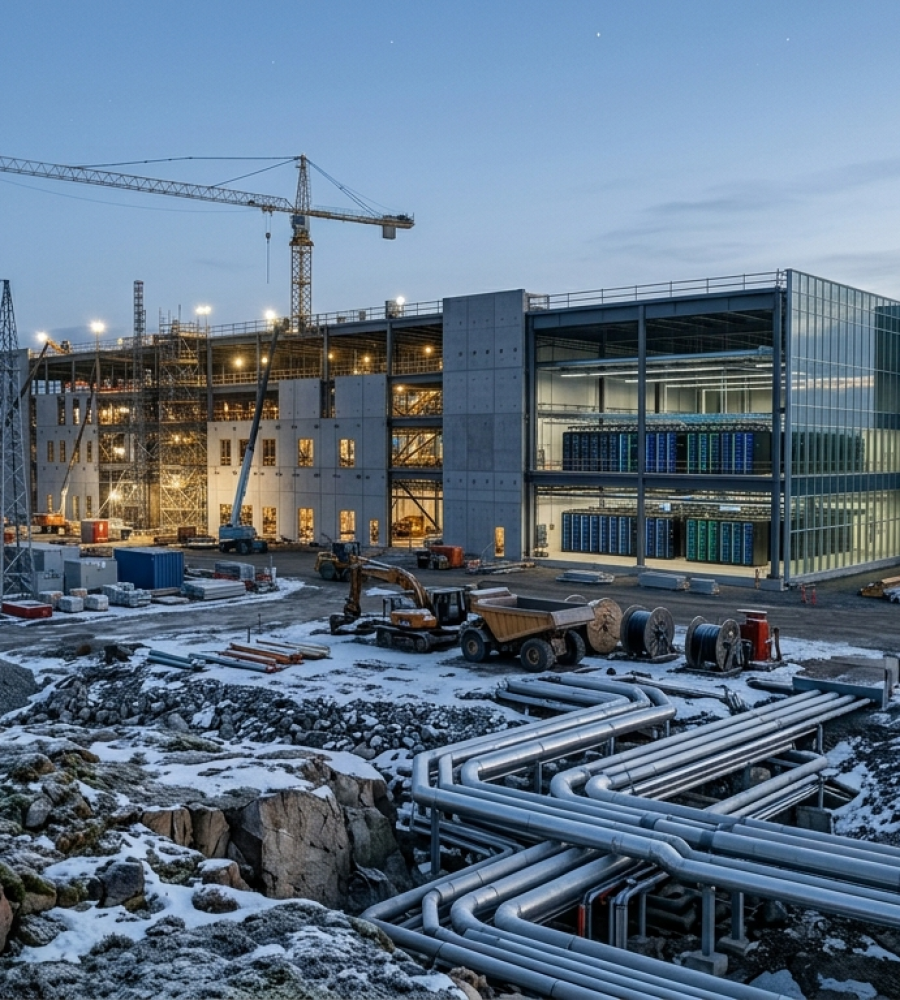
India’s ambition to become a global hub for artificial intelligence and digital infrastructure could face an unexpected challenge: climate risk. A new report from climate risk consultancy XDI (Cross Dependency Initiative) warns that many planned data centers worldwide are increasingly exposed to extreme heat, infrastructure disruptions, and other climate-related threats. The findings are particularly relevant for India, where billions of dollars are flowing into AI infrastructure, cloud computing, and hyperscale data center developments.
The report, titled 2026 Global Analysis of Planned Data Centres for Physical Climate Risk and Resilience, assessed 2,595 planned data centers globally. Researchers evaluated direct climate threats, heat-related operational risks, and vulnerabilities linked to supporting infrastructure such as electricity, water, transport, and telecommunications networks. As India accelerates investments in AI-ready infrastructure, the study suggests climate resilience may become just as important as power availability and connectivity.
India Among Countries Facing Elevated Data Center Climate Risks
According to the report, India ranks 11th globally for the concentration of climate risks affecting planned data centers. Several of the country’s leading technology and investment destinations also feature prominently in the findings. Tamil Nadu, Telangana, and Karnataka were identified among the world’s top 30 sub-national regions facing the highest modeled operational disruption risks from extreme heat. The warning arrives at a critical moment for India’s digital economy. Global technology companies, hyperscalers, cloud providers, and domestic conglomerates continue to announce major investments across the country as demand for AI computing capacity expands.
However, the report argues that long-term success will depend not only on scaling infrastructure but also on ensuring that facilities can operate reliably under increasingly challenging climate conditions. Dr. Karl Mallon, Founder and Head of Science and Technology at XDI, said the industry’s focus is beginning to shift beyond traditional concerns around energy and water consumption. According to Mallon, physical climate risk is emerging as a major factor in determining where future digital infrastructure can be built and operated sustainably.
Extreme Heat Emerges as a Key Operational Challenge
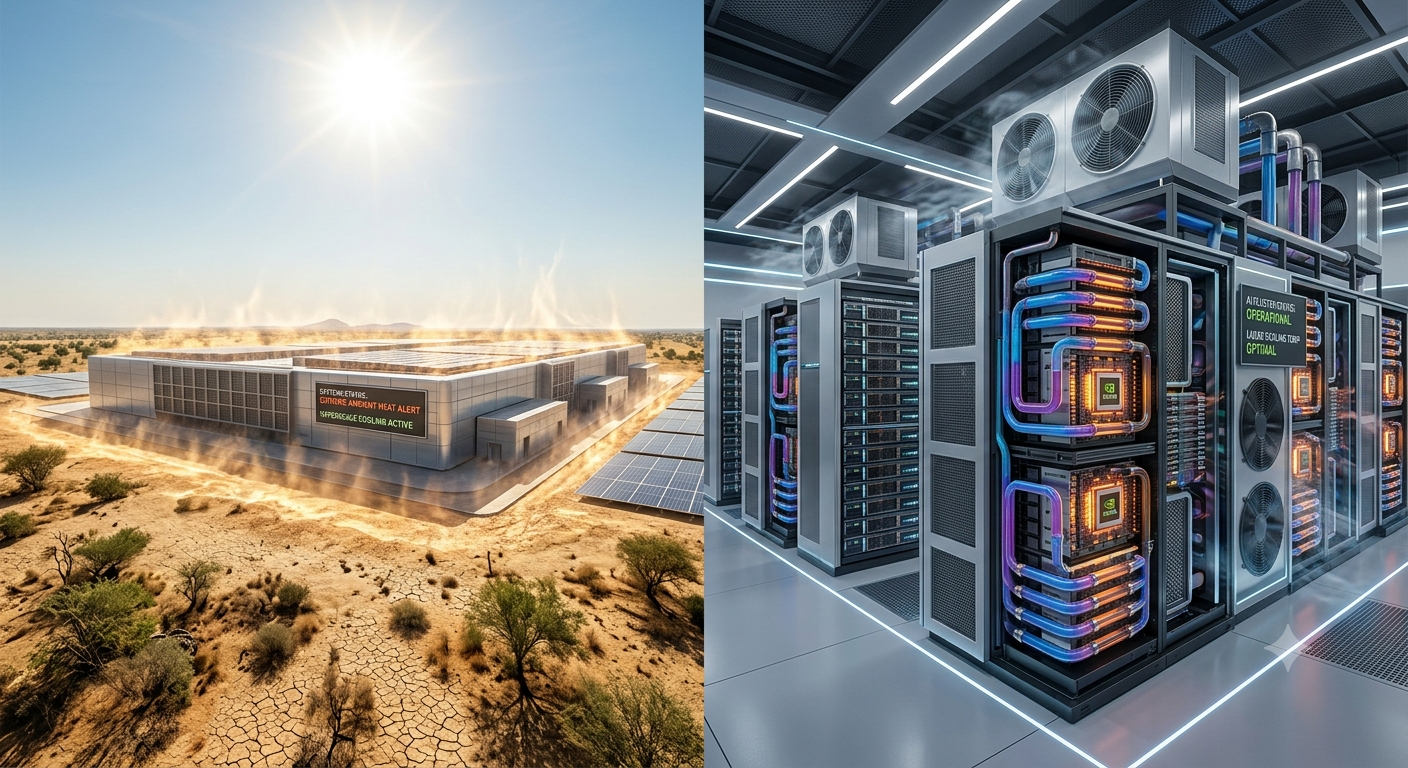
Among all climate-related threats, extreme heat stands out as one of the most significant risks for future data center operations. The report found that countries including India, Brazil, Mexico, Indonesia, and Spain have some of the highest projected operational disruption risks linked to rising temperatures. More than 75% of planned facilities assessed in these countries fall into the high-risk category for heat-related disruptions. Unlike floods, storms, or wildfires that can physically damage infrastructure, extreme heat creates operational challenges that can affect performance and profitability over extended periods.
Higher temperatures can reduce equipment efficiency, increase cooling requirements, elevate energy consumption, and place additional strain on local electricity grids. In severe cases, these pressures may increase the risk of service interruptions or downtime. For AI-focused facilities, where power densities continue to rise and cooling demands grow more intensive, heat resilience is becoming a critical design consideration. As organizations deploy increasingly powerful AI systems, the ability to manage thermal loads efficiently could influence both operational costs and long-term competitiveness.
Risks Extend Beyond the Data Center Campus
The report also highlights a frequently overlooked issue: data centers depend heavily on surrounding infrastructure. Even highly resilient facilities remain vulnerable if external systems fail during climate-related events. Power networks, water supplies, transportation routes, telecommunications infrastructure, and supply chains all play essential roles in keeping modern data centers operational. Disruptions affecting any of these systems can have significant downstream impacts.
XDI notes that climate vulnerability should therefore be viewed as a network-wide challenge rather than a facility-specific issue. The organization cited separate European modeling that found productivity losses can be up to ten times higher when indirect infrastructure risks are included alongside direct physical damage assessments. This broader perspective may become increasingly important as governments and investors evaluate future AI infrastructure projects.
Building Climate Resilience Into India’s AI Future
The findings arrive as the global AI infrastructure race accelerates. Governments, hyperscalers, cloud providers, and infrastructure developers are investing hundreds of billions of dollars into new computing capacity. At the same time, insurers are paying closer attention to climate exposure and long-term resilience. According to Swiss Re estimates referenced in the report, global insurance premiums associated with data center infrastructure could rise from $10.6 billion today to $24.2 billion by 2030.
Despite the warning, XDI emphasizes that future risks are not predetermined. Because many planned facilities remain in early development stages, developers still have opportunities to improve resilience through site selection, engineering standards, cooling strategies, and infrastructure planning. For India, the report serves as a reminder that building the next generation of AI infrastructure will require more than power, land, and connectivity. As states compete to attract data center investments, climate resilience may become an increasingly important factor in determining which regions emerge as long-term AI infrastructure leaders. The challenge for developers and policymakers will be ensuring that the infrastructure powering India’s digital future remains operational, insurable, and economically viable in a warmer world.