India’s AI Infrastructure Race Has Found Two Heavyweights
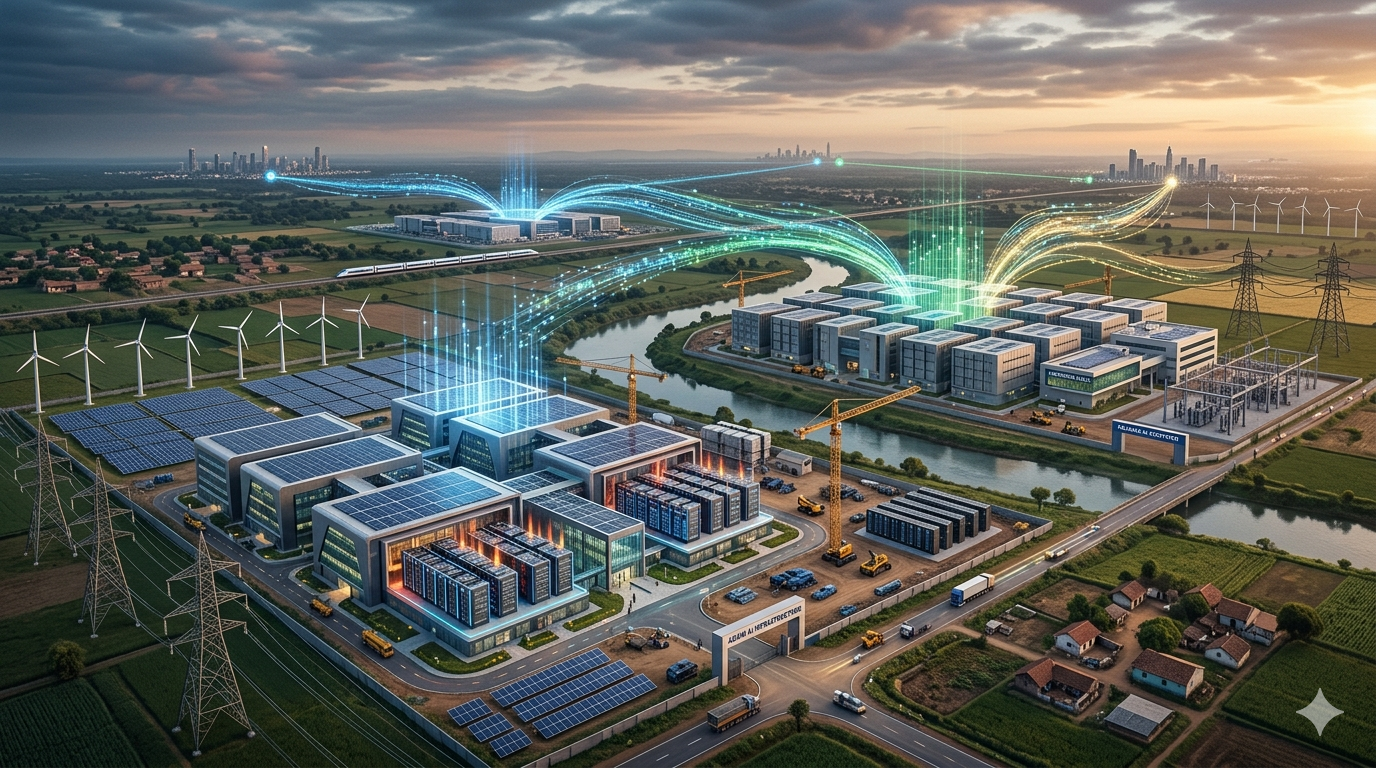
India’s artificial intelligence ambitions are increasingly being shaped by a competition between two of the country’s largest conglomerates: Adani Group and Reliance Industries. Over the past four months, both companies have unveiled infrastructure strategies that place AI data centers at the center of their long-term growth plans. While Adani is pursuing a nationwide renewable-powered compute platform, Reliance has secured one of the industry’s most significant validation wins by signing Meta as the anchor tenant for its first large-scale AI-enabled data center in Jamnagar. The rivalry extends beyond traditional data center development. It reflects a broader contest over who will control the power, connectivity, and compute infrastructure underpinning India’s AI economy.
Adani Is Building A National AI Compute Platform
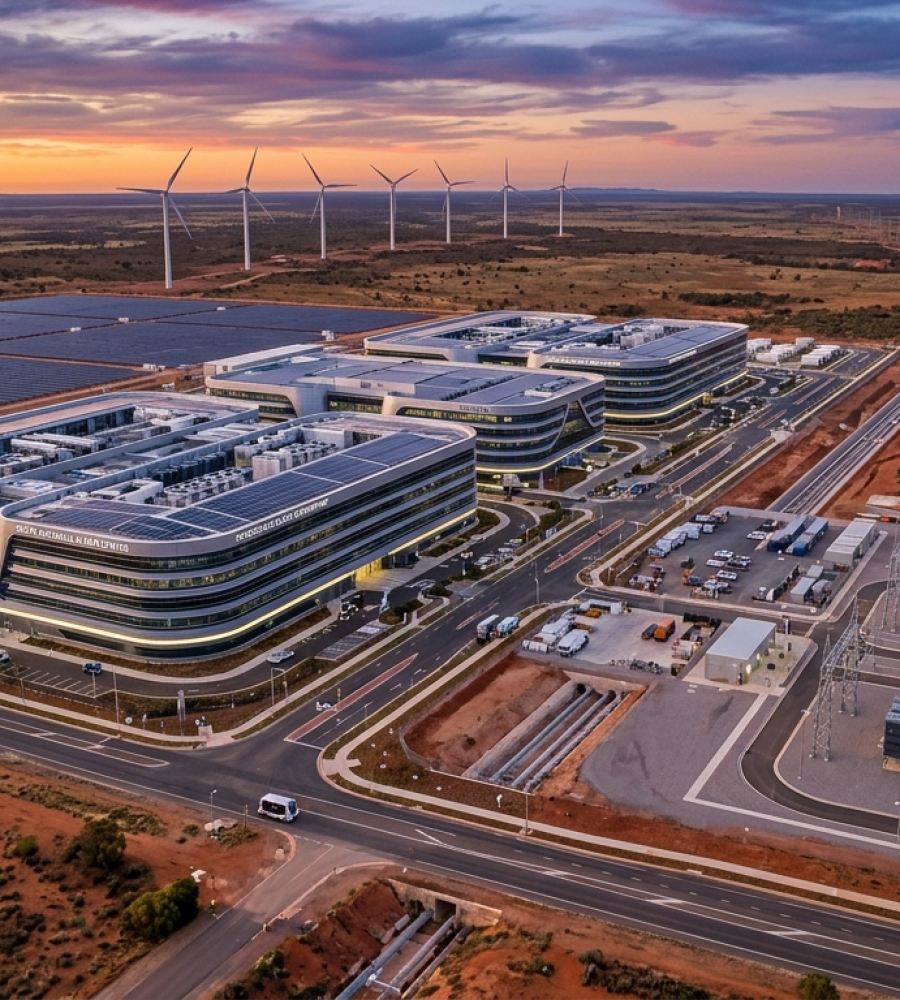
In February, Adani Group announced plans to invest $100 billion by 2035 to develop renewable energy-powered, AI-ready hyperscale data centers across India. The initiative builds on AdaniConnex’s existing 2 gigawatts (GW) of planned national capacity and targets expansion to 5 GW over the next decade. The strategy differs from traditional colocation growth models.
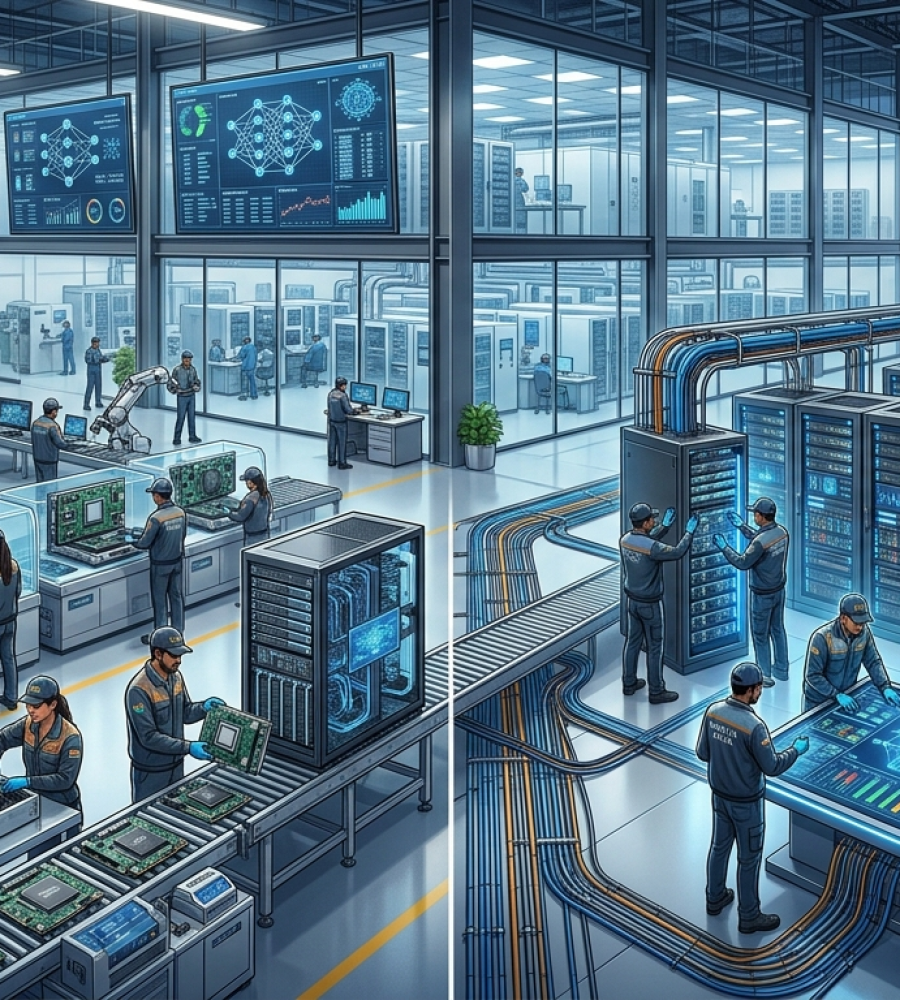
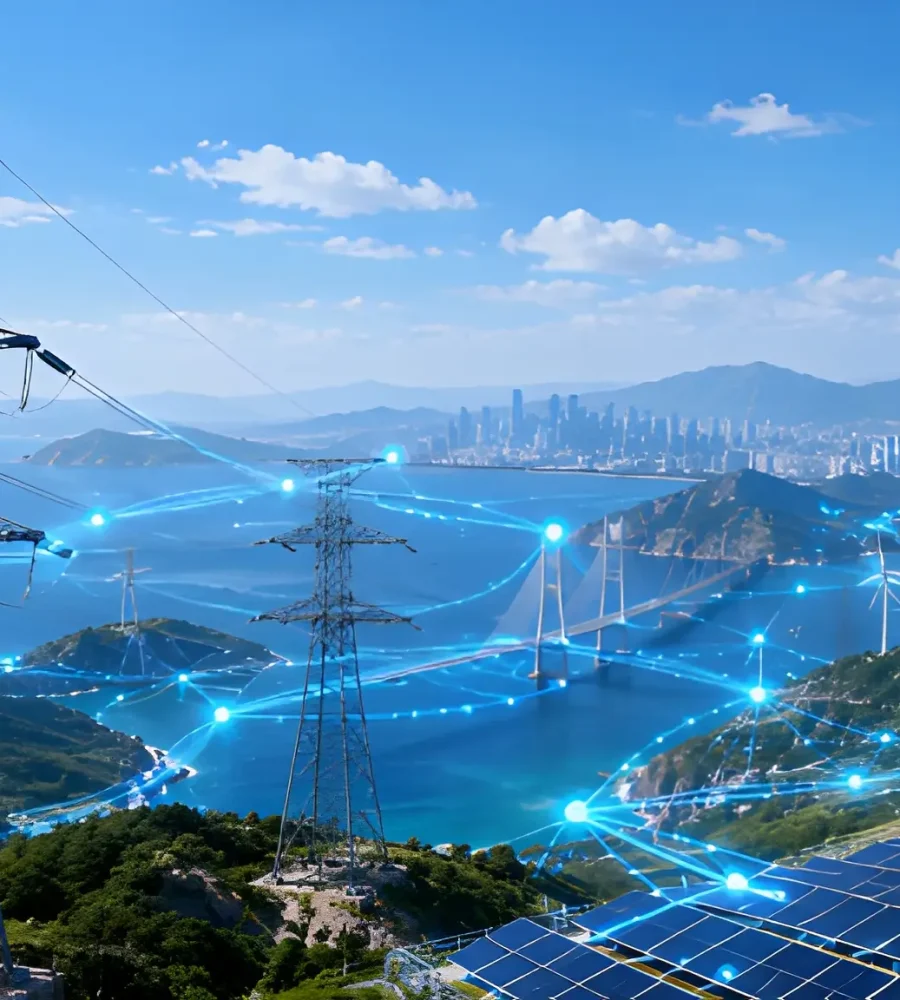
Adani is combining renewable energy generation, transmission infrastructure, battery storage, and AI compute capacity into a single integrated platform. The company estimates the investment could catalyze an additional $150 billion across server manufacturing, electrical infrastructure, cloud services, and related supply chains. The scale places Adani among the world’s most ambitious AI infrastructure investors at a time when power availability is becoming the primary constraint on global data center expansion.
Why Energy Matters More Than Buildings
The next generation of AI facilities will compete less on real estate and more on access to reliable electricity. Large AI clusters require hundreds of megawatts of continuous power. Adani’s advantage lies in its extensive renewable energy portfolio and transmission assets, which could allow the company to offer integrated energy-and-compute solutions to hyperscalers seeking long-term capacity. As AI workloads grow, the ability to secure power may become as important as the ability to construct data centers.
Reliance Is Taking A Different Route
While Adani focuses on building future capacity, Reliance has moved aggressively to secure customers. Earlier this month, Meta selected Reliance for its first AI-enabled data center deployment in India. The agreement covers a 168-megawatt facility in Jamnagar, Gujarat, which Meta will lease with options for future expansion.
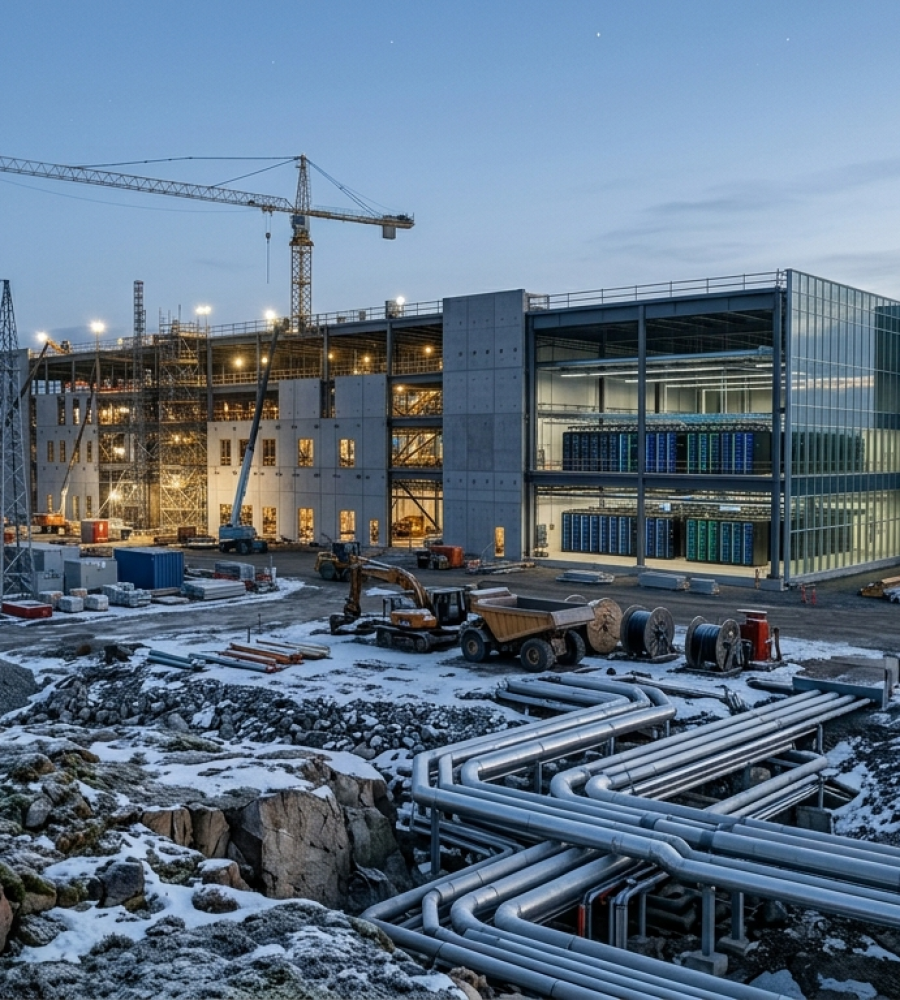
The project is expected to operate on renewable energy and use desalinated seawater cooling. Meta will cover the full energy and water costs associated with the facility. More importantly, the deal provides Reliance with something every emerging data center platform seeks: a hyperscale anchor tenant. Meta’s decision signals growing confidence in India’s ability to support large-scale AI infrastructure deployments and positions Reliance as a serious contender in the global hyperscale market.
The Battle Could Determine India’s AI Geography
The competition between Adani and Reliance may ultimately shape where India’s AI economy develops. Globally, regions such as Northern Virginia in the United States and Zaragoza in Spain became infrastructure hubs because they combined power availability, connectivity, and large-scale investment. India is now entering a similar phase.
Adani’s strategy emphasizes national-scale compute and renewable integration. Reliance is leveraging its digital ecosystem, connectivity assets, and relationships with global technology companies. Both approaches target the same outcome: becoming the preferred destination for hyperscalers, cloud providers, and AI companies. The outcome will influence where future AI clusters are built, where electricity demand grows, and where billions of dollars in digital infrastructure investment flow over the next decade.
India’s AI Backbone Is Being Built Now
The AI race is often framed around models, chips, and software. However, the next phase may depend more heavily on physical infrastructure. Adani and Reliance are approaching the opportunity from different directions, yet both are making large-scale bets on the same conclusion: India’s future role in AI will be determined by its ability to deliver power, compute capacity, and data center infrastructure at scale. For hyperscalers evaluating long-term expansion plans, that competition could become one of the defining stories in global AI infrastructure over the coming decade.