Electricity procurement once sat at the center of infrastructure planning discussions for large-scale compute facilities. That conversation now extends beyond grid interconnection queues, power purchase agreements, and generation portfolios into an area that traditionally belonged to municipal utilities, agricultural cooperatives, industrial plants, and waste management operators. Infrastructure developers increasingly view discarded materials, residual heat streams, and organic waste as potential energy assets that can support long-duration compute growth. As power constraints tighten across major deployment regions, developers search for inputs that remain underutilized yet available at scale. Resource circularity increasingly appears in infrastructure planning discussions as developers evaluate additional energy sources alongside traditional power procurement options. Decisions that once focused solely on megawatts now include feedstock contracts, thermal recovery pathways, and waste-stream reliability assessments.
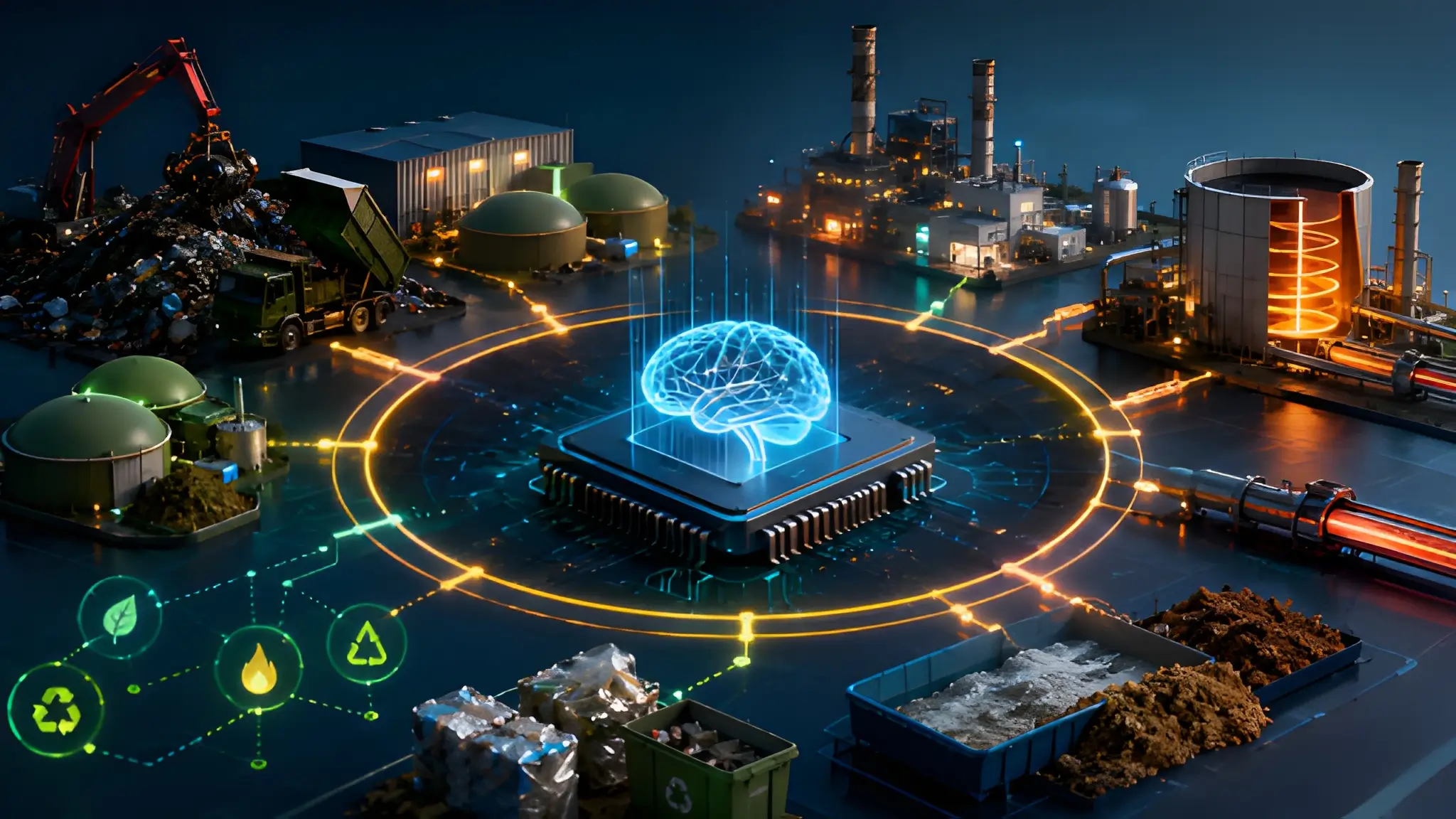
Energy diversification has become a practical infrastructure requirement rather than an environmental branding exercise. Landfills generate methane, farms produce organic residues, ports accumulate biological waste, and industrial facilities discharge large quantities of recoverable heat throughout normal operations. These streams represent localized energy opportunities that can supplement conventional power procurement while creating additional revenue channels for asset owners. Public authorities increasingly recognize that converting waste liabilities into productive inputs can strengthen regional economic development objectives. Private developers meanwhile gain access to energy sources that often face less competition than traditional generation assets. This convergence of incentives has created a new ecosystem where compute expansion intersects with circular resource economics.
Municipal governments historically treated landfill operations as environmental management obligations with revenue generated primarily through tipping fees and waste collection services. That model has evolved as landfill gas projects mature and renewable natural gas markets expand across multiple regions. Organic waste decomposes inside landfill cells and produces methane-rich gas that can be captured, upgraded, and sold into energy markets. Infrastructure operators increasingly evaluate long-term agreements that connect landfill gas production with nearby power generation assets serving industrial, commercial, and energy-intensive facilities. These arrangements create predictable revenue streams for municipalities while improving project economics for energy developers. The result is a contractual framework where waste management and energy procurement are increasingly integrated within broader regional infrastructure planning efforts.
For AI campus developers, landfill-linked energy projects offer a different risk profile than traditional utility procurement pathways. Fuel production occurs close to demand centers, reducing dependence on distant infrastructure and some transmission-related constraints. Municipal partners benefit from monetizing gas resources that otherwise require costly management and compliance measures. Operators can structure agreements around multi-decade waste volumes, providing greater predictability than some commodity fuel arrangements. Moreover, local governments gain a stronger economic argument for supporting industrial development when waste assets directly contribute to regional investment. Long-term planning discussions for resource recovery and energy infrastructure often include waste authorities alongside utilities, developers, and industrial energy suppliers.
The Digestate Dilemma: When AI’s Carbon Credits Depend on Farm Byproducts
Agricultural waste streams have become attractive inputs for anaerobic digestion projects because they provide both renewable gas production and nutrient recovery opportunities. Manure, crop residues, food processing byproducts, and other organic materials can generate biogas while producing digestate that often serves as a fertilizer substitute. Carbon accounting frameworks frequently assign environmental value to these systems because they divert waste and offset conventional energy sources. Yet the environmental performance of digestion facilities depends heavily on feedstock composition, transportation logistics, storage practices, and downstream digestate management. Variations in these factors can significantly influence greenhouse gas outcomes across otherwise similar projects. Consequently, project developers face increasing scrutiny regarding how sustainability claims are measured and verified.
Measurement, reporting, and verification systems remain a central challenge for organizations seeking environmental credits tied to biogas production. Digestate characteristics differ depending on feedstock sources, processing conditions, and nutrient concentrations, making standardized accounting difficult across regions and facilities. Research has shown that emissions outcomes can vary substantially based on methane leakage rates, fertilizer substitution assumptions, storage practices, and soil application methods. Feedstock availability also changes with agricultural markets, weather conditions, and seasonal production cycles, introducing additional uncertainty into long-term carbon models. However, investors increasingly demand auditable environmental performance rather than estimated benefits based on generic assumptions. Organizations seeking to attribute environmental benefits to digestion projects need robust verification frameworks that extend across the entire supply chain.
Ports manage large volumes of biological material, dredged sediment, shipping waste, and marine biomass that historically generated disposal costs rather than energy value. Emerging conversion technologies and pilot projects are exploring ways to transform these materials into syngas, biofuels, char products, and other usable energy resources. Coastal infrastructure clusters provide a unique advantage because industrial users, logistics facilities, power assets, and transportation networks already exist within concentrated geographic zones. Developers evaluating coastal industrial and energy infrastructure have begun examining whether marine waste streams can support supplementary energy production. Harbor authorities also face pressure to improve environmental performance while maintaining economic competitiveness. These factors have encouraged experimentation with circular resource systems that integrate waste management and energy generation.
Marine biomass introduces a different feedstock profile compared with agricultural and municipal waste systems. Invasive algae blooms, organic harbor residues, and biological waste collected during dredging operations can potentially support thermal conversion pathways. Project developers view these resources as locally available inputs that may reduce dependence on imported fuels. Port ecosystems also benefit from existing industrial infrastructure capable of handling material processing, storage, and transportation requirements. Meanwhile, coastal regions often pursue industrial clustering strategies that encourage resource sharing among neighboring facilities. Consequently, harbor-based energy projects are being evaluated within broader plans for technology zones, logistics hubs, and industrial redevelopment initiatives.
The Policy Arbitrage Map: Where Waste-Energy Subsidies Outpace AI Site Costs
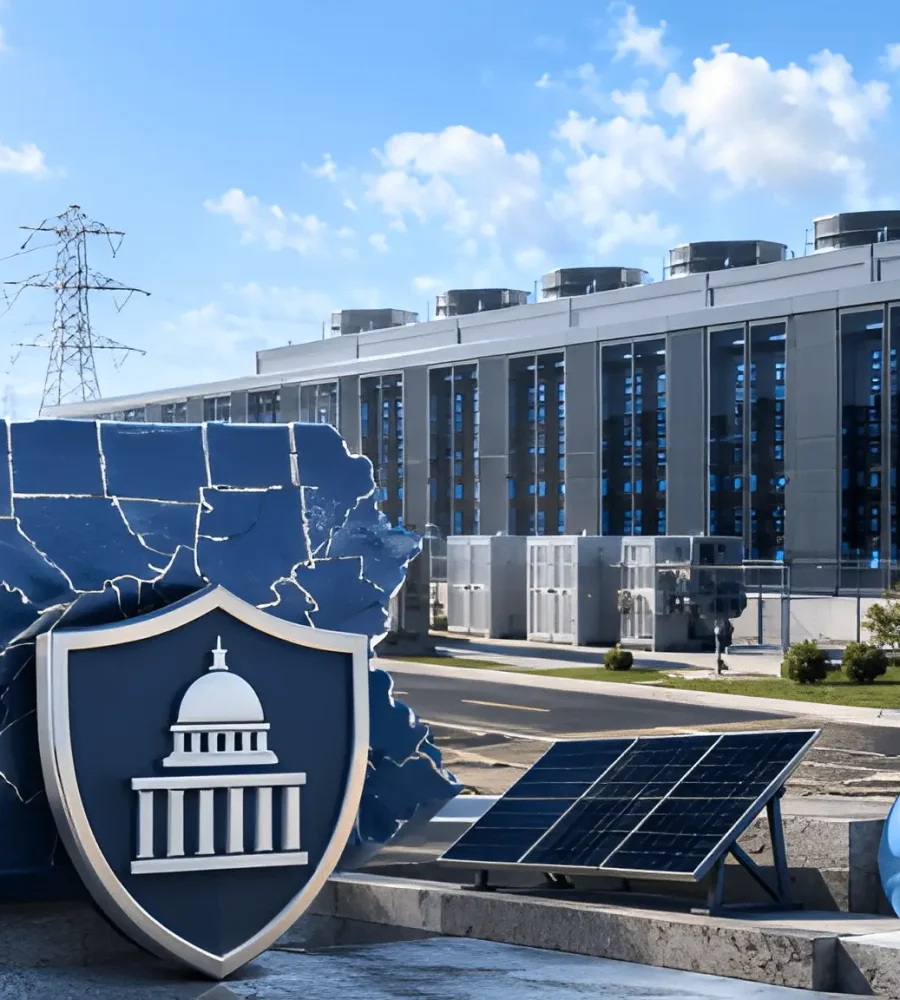
Site-selection decisions increasingly depend on incentive structures that extend beyond traditional property tax abatements and construction-related benefits. Governments across multiple jurisdictions support renewable gas production, waste diversion projects, methane capture initiatives, and industrial symbiosis programs through grants, tax credits, and market incentives. These mechanisms can materially alter project economics by improving returns on infrastructure that generates energy from waste streams. Developers therefore evaluate not only electricity prices and land availability but also the policy environment surrounding resource recovery projects. Incentives designed for environmental objectives can improve the economics of energy-intensive infrastructure projects when developers incorporate eligible resource recovery assets. Regulatory frameworks have become a significant variable in competitive site selection.
Regional differences create opportunities where support for renewable gas, methane capture, and circular resource projects materially improves project economics alongside conventional incentives available to industrial and technology developments. States and nations seeking landfill diversion, methane reduction, and industrial decarbonization often provide financial support that improves project viability. Developers capable of integrating these programs into infrastructure planning can access multiple revenue streams from a single asset ecosystem. Furthermore, governments frequently prioritize projects that demonstrate both economic development and environmental benefits, increasing political support for approvals. Strategic alignment between policy objectives and infrastructure needs can therefore influence capital allocation decisions. Locations with strong circular economy incentives can attract interest from energy-intensive industries seeking additional pathways to manage operating costs and resource availability.
Large compute facilities generate substantial quantities of heat as a consequence of continuous processing activity. Historically, operators focused on removing thermal energy as efficiently as possible to protect equipment performance and reliability. Advances in heat recovery systems now allow operators to view thermal output as a potentially valuable byproduct rather than a disposal challenge. Industrial facilities, agricultural operations, and commercial developments often require low- to medium-temperature heat for their processes. When these users exist near compute campuses, energy exchange arrangements become economically attractive. Physical proximity therefore plays a critical role in determining whether heat recovery projects achieve commercial viability.
Industrial symbiosis models increasingly connect energy producers and energy consumers through shared infrastructure that improves overall resource efficiency. Greenhouses can utilize recovered thermal energy for climate control, while paper mills and manufacturing facilities may integrate external heat streams into existing operations. These partnerships create value beyond direct energy savings because they strengthen local economic relationships and improve infrastructure utilization. Developers may strengthen permitting and stakeholder engagement discussions by demonstrating broader community and industrial benefits associated with resource efficiency. Meanwhile, neighboring facilities reduce fuel consumption without major changes to core operations. Such arrangements illustrate how infrastructure planning increasingly extends beyond individual site boundaries toward regional resource optimization.
The Kiln Connection: When AI Exhaust Becomes Industrial Fuel Next Door
Cement production, steel manufacturing, and other heavy industries operate energy-intensive processes that continuously require thermal inputs. These sectors already invest heavily in waste heat recovery technologies because energy efficiency directly affects operating costs and emissions performance. Compute facilities located near industrial zones can potentially contribute recoverable thermal energy through heat exchange systems when temperature requirements and operational profiles align. Captured heat may support preheating processes, auxiliary operations, or other applications where temperature requirements align with available thermal output. Industrial operators increasingly examine opportunities to integrate external energy sources into broader decarbonization strategies. The economics become more compelling when infrastructure investments support multiple objectives simultaneously.
Permitting authorities often favor projects that demonstrate measurable resource efficiency improvements across industrial ecosystems rather than within a single facility. Exporting recoverable heat to neighboring industries creates a tangible example of circular infrastructure planning that can strengthen stakeholder support. Cement plants already generate and recover significant thermal energy streams, making them familiar with the operational requirements of heat integration projects. Steel facilities and greenhouse operators similarly understand the value of dependable thermal inputs when evaluating production economics. Therefore, heat-sharing arrangements are receiving growing commercial interest as organizations seek additional opportunities to improve resource efficiency and energy utilization. As energy demand grows, infrastructure planners are giving greater attention to resource integration strategies alongside traditional considerations such as processor deployment, power availability, and operational efficiency.
Waste streams once occupied the margins of energy planning conversations, yet they now sit much closer to the center of infrastructure strategy. Municipal methane, agricultural residues, marine biomass, industrial byproducts, and recoverable heat each represent different pathways toward expanding energy availability without relying exclusively on conventional generation growth. Organizations that understand how these resource systems interact with policy incentives, industrial partnerships, and regional economics may secure advantages that competitors overlook. Infrastructure developers increasingly compete for access to overlooked inputs rather than simply competing for access to electricity. In that environment, discarded materials become strategic assets and energy diversification becomes a critical component of deployment planning. Resource circularity has therefore emerged as a serious infrastructure consideration for the next generation of compute expansion.