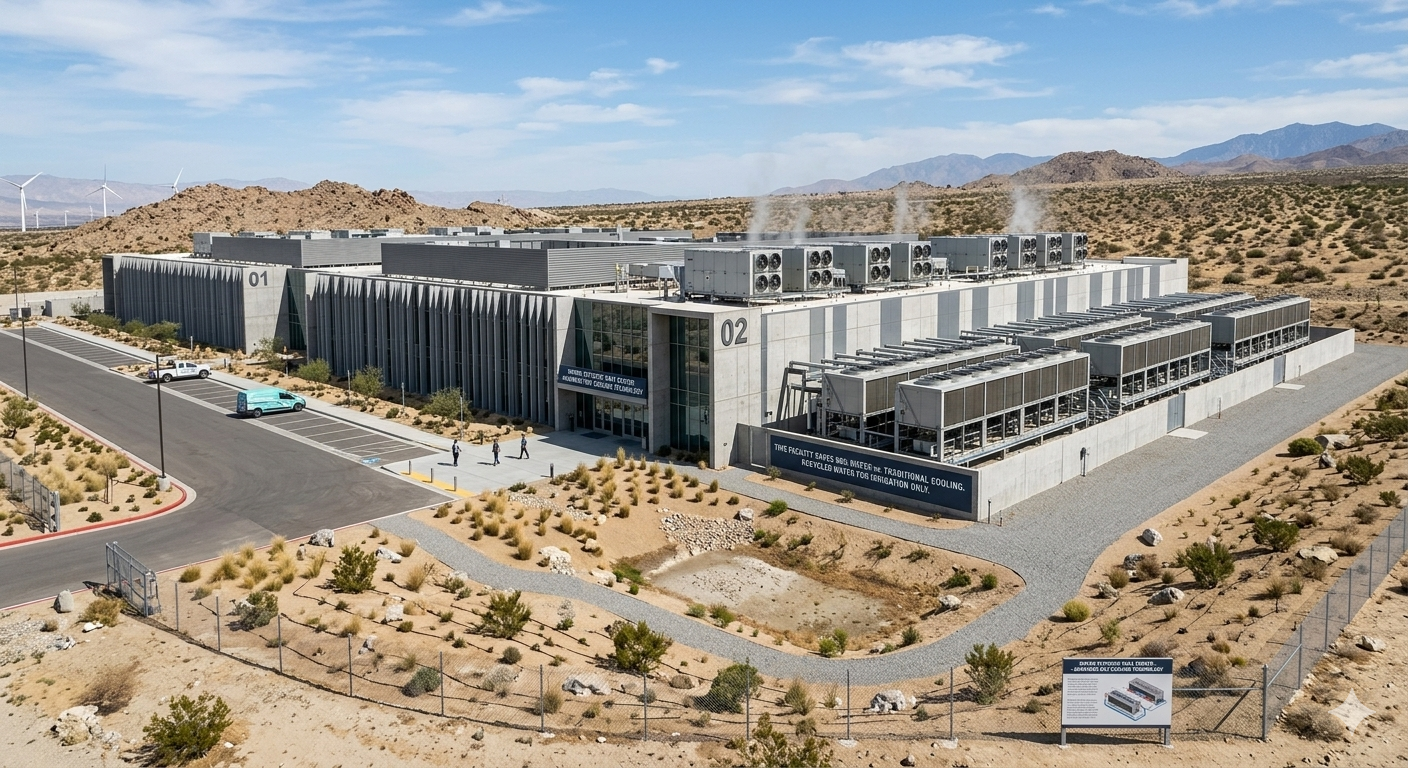
AI data center water use has become a major topic in discussions around sustainability and artificial intelligence infrastructure. Headlines often suggest that data centers are rapidly depleting local water resources, but the broader picture is more complex.
But context matters.
When people hear that a data center consumes millions of gallons of water, the immediate assumption is that it must be among the world’s biggest water users. The reality is more nuanced. Agriculture, food production, textiles, and landscape irrigation often consume far more water than many people realize. This does not mean data centers should avoid scrutiny. It means the discussion should be based on evidence rather than headlines.
AI Data Center Water Use: What the Numbers Show
| Claim | Fact Check | Source |
| One cotton T-shirt uses 700 gallons of water | Generally accurate. Multiple organizations cite approximately 2,700 liters (713 gallons) per cotton T-shirt. | European Parliament / World Resources Institute references summarized in sources. (Value World) |
| One pair of jeans uses 2,000 gallons of water | Largely accurate. Estimates range from 7,500–10,000 liters (1,980–2,640 gallons) depending on production methods. | (ScienceInsights) |
| One avocado requires 60 gallons of water | Plausible but varies significantly by growing region and methodology. Common estimates range around 50–70 gallons per avocado. | Water Footprint Network studies are commonly cited, though precise values vary by geography. |
| One almond requires 1 gallon of water | Generally accurate. California almond industry analyses often estimate roughly one gallon per almond. | Widely cited agricultural water-footprint studies. |
| Golf courses use 100 million gallons annually | Depends heavily on location and climate. Some large courses in arid regions can approach or exceed this level, but it is not representative of all courses. | Regional golf irrigation studies. |
| One cup of coffee requires 140 liters of water | Accurate. The Water Footprint Network estimates approximately 140 liters per cup when accounting for cultivation and processing. | Water Footprint Network. |
| One rib-eye steak requires 7,500 liters of water | Reasonable estimate. Beef is among the most water-intensive foods, with estimates often ranging from 5,000–15,000 liters depending on production systems. | Agricultural lifecycle studies. |
| One beer requires 5 liters of water | Generally accurate for direct production, though full agricultural water footprints can be much higher. | Brewing industry sustainability reports. |
What About Data Centers?
Data centers absolutely use water.
According to a 2026 fact sheet from the Environmental Law Institute, U.S. data centers directly consumed approximately 66 billion liters of water in 2023, up substantially from 2014 as cloud computing and AI infrastructure expanded. (Environmental Law Institute)
Water is primarily used for cooling servers and maintaining operating temperatures.
However, the picture is evolving.
Recycled Water Is Becoming More Common
The viral post claims that 66% of data centers already use recycled water.
I could not find a reliable industry-wide source confirming the specific 66% figure.
What the evidence does show is that many operators increasingly use reclaimed or recycled water sources where available, reducing dependence on potable drinking water supplies. The Environmental Law Institute notes that data centers can utilize “gray” sources such as reclaimed water and often maintain on-site treatment systems. (Environmental Law Institute)
Verdict: The trend is real, but the specific 66% figure could not be independently verified.
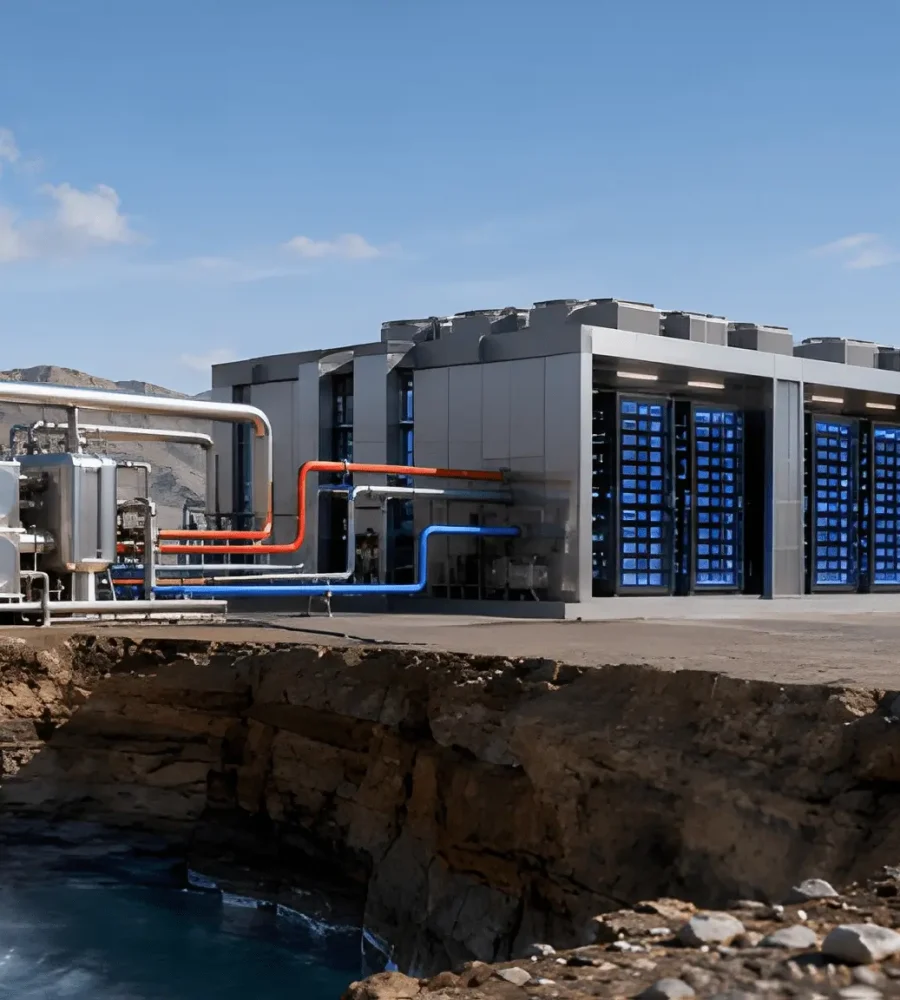
Zero-Water Cooling Is Real
The post also claims that zero-water cooling systems are being built.
This is accurate.
New cooling technologies include:
-
- Air-cooled systems
-
- Closed-loop cooling
-
- Direct-to-chip liquid cooling
-
- Hybrid cooling architectures
Industry studies report increasing adoption of waterless and low-water cooling methods, particularly in regions facing water stress. (TechRadar)
Regulators Are Paying More Attention
This claim is also accurate.
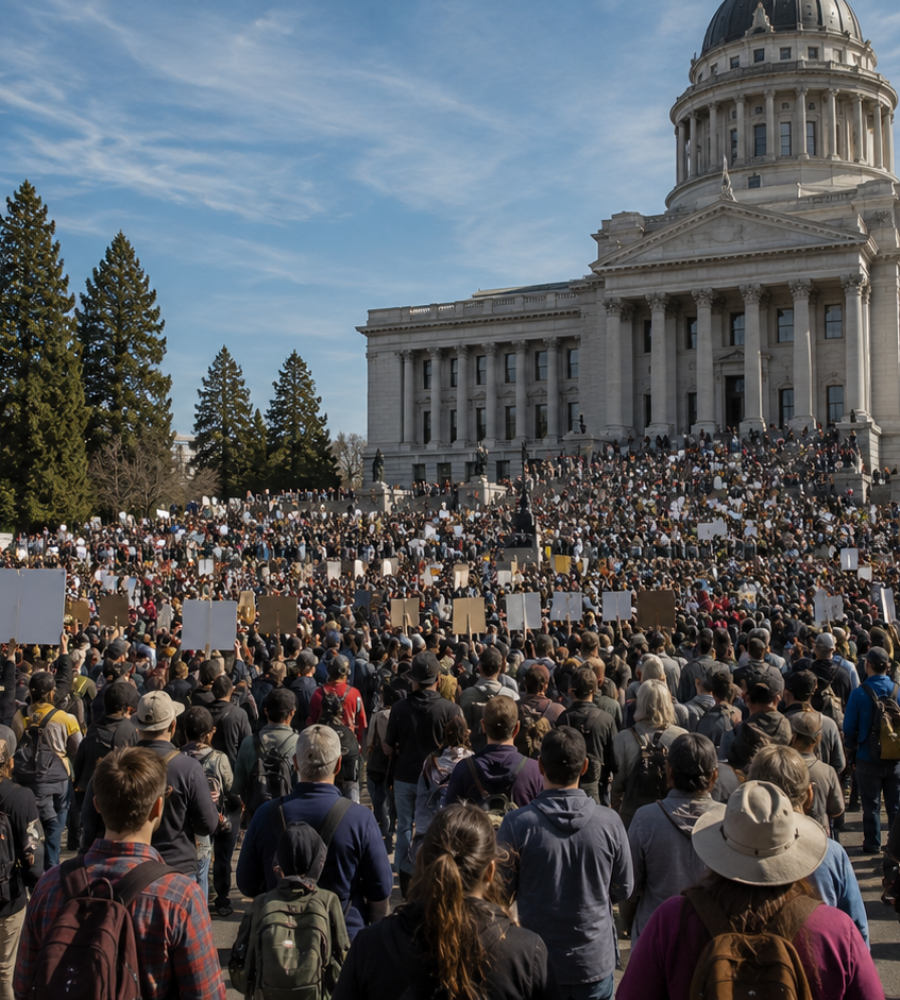
Communities and regulators are increasingly examining the water implications of new AI infrastructure projects, especially in drought-prone regions. New permitting requirements, water stewardship programs, and transparency initiatives are emerging across several jurisdictions. (Business Insider)
Why Comparing Water Use Is Difficult
One reason these debates become polarized is that people compare different kinds of water consumption.
A T-shirt’s water footprint includes:
-
- Growing cotton
-
- Processing fibers
-
- Dyeing
-
- Manufacturing
A steak’s water footprint includes:
-
- Animal feed production
-
- Drinking water
-
- Processing
A data center’s water footprint includes:
-
- Cooling systems
-
- Electricity generation
-
- Infrastructure operations
These are not always apples-to-apples comparisons.
The question is not whether data centers use water.
They do.
The question is whether society considers the benefits of digital infrastructure worth the resources consumed, and whether operators are minimizing their impact.
The Bigger Picture
The discussion around AI and data center water consumption should not become a choice between concern and dismissal.
Two facts can be true simultaneously:
-
- AI infrastructure is increasing pressure on water resources, particularly in water-stressed regions. (Business Insider)
-
- Many everyday products—from cotton clothing and denim to beef and coffee—have water footprints that most consumers rarely consider. (CAELUS ROME)
The lesson is not that data centers deserve a free pass. The lesson is that water consumption is a broader economic issue than most headlines suggest.
If society is going to debate water sustainability, the conversation should include agriculture, food systems, textiles, landscaping, manufacturing, and digital infrastructure alike.
Only then do we get a complete picture of where our water really goes.