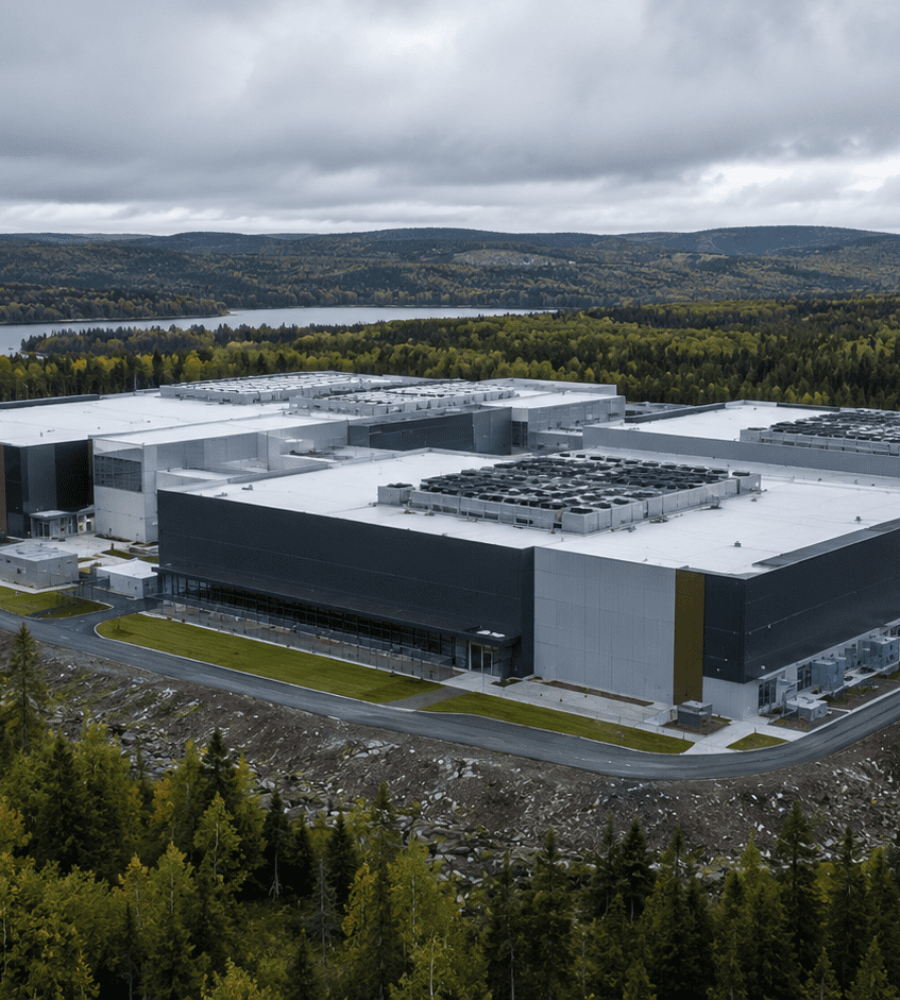

A quiet transformation has started to appear far away from India’s traditional technology districts, especially across emerging Tier-2 markets. Server racks now arrive in industrial parks beside logistics highways, telecom towers increasingly support low-latency workloads, and regional internet exchanges handle traffic volumes that once flowed almost entirely through metropolitan hubs. Digital infrastructure investment no longer follows the same map that defined India’s first cloud expansion cycle. Demand patterns from streaming platforms, financial applications, enterprise software, and AI-driven services have started pushing compute capacity toward cities that previously existed outside mainstream infrastructure conversations. Operators now evaluate proximity to users with the same seriousness once reserved for submarine cable access and hyperscale land banks. The result points toward a structural redistribution of India’s digital economy across emerging regional corridors.
The shift carries implications that extend beyond data storage or content delivery. As a result, regional compute deployments increasingly influence local fiber investments, power distribution upgrades, commercial real estate demand, and enterprise digitization activity across smaller Indian cities. Businesses operating outside Mumbai, Chennai, Bengaluru, and Hyderabad now expect faster application performance and localized digital services without routing traffic through distant centralized facilities. In addition, AI inference systems, financial transaction engines, video processing layers, and industrial automation tools benefit from lower latency environments positioned closer to end users. Meanwhile, telecom operators, cloud providers, infrastructure funds, and colocation companies have started aligning capital around distributed deployment strategies rather than concentrating entirely on hyperscale campuses. India’s next infrastructure expansion phase therefore looks less centralized and considerably more geographically diverse than the previous generation of internet growth.
India’s Edge Boom Is Creating A New Map Of Digital Infrastructure
Infrastructure geography of India has historically revolved around a small cluster of metropolitan cities connected through subsea cable landing stations and large enterprise ecosystems. Mumbai evolved into the country’s dominant interconnection market because financial services firms, international connectivity routes, and hyperscale cloud providers concentrated heavily within the region. Chennai expanded rapidly due to submarine cable density and lower operational costs, while Hyderabad attracted major cloud investments through favorable industrial policies and enterprise technology demand. Regional cities mostly remained consumption endpoints rather than infrastructure hubs during that period. Current deployment patterns indicate a different trajectory as operators place smaller compute environments across cities such as Pune, Ahmedabad, Jaipur, Kochi, Lucknow, Bhubaneswar, Coimbatore, and Indore. Deployment activity increasingly reflects broader interest in distributed regional infrastructure markets designed to support latency-sensitive digital services and growing enterprise demand across secondary cities.
Several forces now support this redistribution of infrastructure capacity across India’s non-metro regions. Enterprise cloud adoption outside Tier-1 cities has increased significantly because regional manufacturing firms, logistics operators, healthcare providers, and financial institutions require localized digital platforms with reliable performance. Content consumption growth from regional language audiences has also created pressure for lower-latency caching and processing infrastructure near end users. Fiber expansion projects from telecom operators increasingly connect secondary markets with higher bandwidth availability than previous generations of network deployment. Meanwhile, state governments across India have introduced data center and digital infrastructure policies designed to attract private investment into regional technology ecosystems. Consequently, infrastructure developers now view Tier-2 cities as long-term deployment markets rather than peripheral expansion zones.
Tier-2 India Could Become The Next AI Inference Frontier
The next major phase of AI deployment in India may depend less on centralized model training campuses and more on distributed inference environments positioned close to regional populations. AI inference workloads require fast response times because users increasingly interact with conversational systems, recommendation engines, real-time translation tools, automated financial platforms, and video intelligence applications through everyday consumer devices. Routing every request through distant hyperscale facilities introduces latency that affects user experience, especially for applications designed around instant interaction. Smaller compute deployments located across regional cities can reduce response times while supporting growing demand from localized digital services. IIndia’s multilingual digital ecosystem may increase demand for localized processing environments capable of supporting vernacular AI services and regional application delivery requirements. Distributed infrastructure models align closely with the operational needs of low-latency AI applications serving geographically diverse user populations.
Regional inference deployment creates operational advantages for enterprises serving geographically diverse user bases across India. Regional inference deployment can improve response efficiency for applications serving geographically distributed user bases across India. Financial platforms, healthcare systems, educational technology providers, and enterprise software environments may benefit from lower-latency infrastructure positioned closer to end users. Localized processing environments can also reduce bandwidth dependence on long-distance backbone networks for selected workloads. However, operators still face challenges involving reliable power availability, technical workforce access, and regional interconnection maturity before these ecosystems can scale consistently across multiple cities. Infrastructure economics therefore remain closely linked to operational execution and long-term demand sustainability.
India’s Telecom Networks Are Quietly Turning Into Edge Ecosystems
India’s telecom sector has spent decades building nationwide connectivity infrastructure, yet the underlying asset footprint now supports a broader technological role. Tower sites, aggregation facilities, fiber backhaul networks, and regional switching environments collectively create a foundation suitable for distributed compute deployment across smaller cities. Telecom operators increasingly recognize that future digital growth depends not only on moving data efficiently but also on processing workloads closer to users. Existing telecom infrastructure already provides geographical reach that cloud providers and colocation operators would otherwise require years to replicate independently. As a result, partnerships between telecom companies, cloud platforms, and infrastructure investors have become more common across India’s regional markets. Telecom infrastructure is increasingly being positioned to support distributed compute capabilities alongside conventional connectivity services as operators expand regional digital infrastructure strategies.
This transformation changes the business logic of telecom infrastructure deployment across regional India. Network operators now evaluate facilities based on compute potential alongside conventional traffic metrics because enterprises increasingly demand integrated connectivity and processing capabilities within the same operational environment. Private 5G deployments, industrial automation systems, smart logistics networks, and real-time analytics platforms all benefit from localized infrastructure integrated directly into telecom ecosystems. Smaller modular facilities positioned near regional population centers can support enterprise applications without requiring massive hyperscale campuses in every location. Moreover, telecom operators already maintain operational teams, right-of-way relationships, and infrastructure maintenance systems across many Tier-2 cities. Their existing presence therefore creates a deployment advantage that newer infrastructure entrants may struggle to match during rapid expansion cycles.
The Next Wave Of Indian Data Centers May Be Smaller, Faster And Everywhere
India’s first large-scale cloud infrastructure cycle focused heavily on massive centralized campuses designed for hyperscale expansion. Those facilities remain strategically important because large AI training environments, cloud storage systems, and enterprise workloads still require extensive centralized compute capacity. Current deployment models, however, increasingly prioritize smaller distributed facilities capable of serving regional demand with lower latency and faster provisioning timelines. Operators can deploy modular environments significantly faster than conventional hyperscale campuses because smaller facilities require less land aggregation, fewer permitting layers, and reduced infrastructure complexity. Edge-oriented architecture also allows companies to scale capacity incrementally based on demand patterns rather than committing enormous capital upfront. Distributed deployment strategies therefore create greater operational flexibility across geographically diverse markets.
Economics now plays a central role in the expansion of regional compute infrastructure throughout India. Large hyperscale campuses require enormous power allocations, substantial water access, extensive cooling systems, and long construction cycles that can delay capacity availability. Smaller regional deployments often reduce several of those constraints while enabling operators to enter markets closer to users with lower initial investment exposure. Local governments in secondary cities frequently offer industrial incentives and faster approval pathways because digital infrastructure projects support employment generation and regional economic development. Meanwhile, enterprises increasingly prefer hybrid deployment strategies combining centralized cloud infrastructure with localized processing environments. Accordingly, the next generation of Indian digital infrastructure may consist less of isolated mega campuses and more of interconnected regional compute clusters distributed throughout the country.
India’s Future Internet May Run On Distributed Compute, Not Centralized Hubs
India’s infrastructure landscape appears positioned for a structural transition that redistributes digital capacity across a much broader geographical footprint than previous technology cycles ever achieved. Centralized hyperscale campuses will remain essential components of the country’s cloud and AI ecosystem because massive training environments and enterprise storage systems still depend on large-scale facilities. Emerging deployment strategies increasingly emphasize regional processing environments that support real-time applications, localized digital services, and latency-sensitive workloads near end users. Smaller cities now participate directly in infrastructure planning conversations once dominated entirely by metropolitan hubs. Telecom networks, modular deployment systems, and regional enterprise demand collectively support this transition toward distributed architecture. India’s internet infrastructure landscape could become more geographically distributed over time as regional compute deployments expand alongside centralized hyperscale facilities.
The broader implications extend beyond technology infrastructure into regional economic development and industrial competitiveness. Compute deployments often stimulate related investment in fiber connectivity, power systems, industrial real estate, cloud services, and enterprise modernization initiatives within local markets. Regional cities gaining infrastructure relevance may attract new digital businesses, platform ecosystems, and technology partnerships that historically concentrated inside metropolitan clusters. At the same time, operators must manage execution risks involving energy reliability, network resilience, permitting coordination, and technical workforce availability across diverse regions. Even so, distributed infrastructure models increasingly align with India’s demographic scale, digital consumption patterns, and growing AI adoption requirements. The country’s next internet expansion phase may ultimately depend less on a few centralized hubs and more on interconnected compute ecosystems spread across regional India.