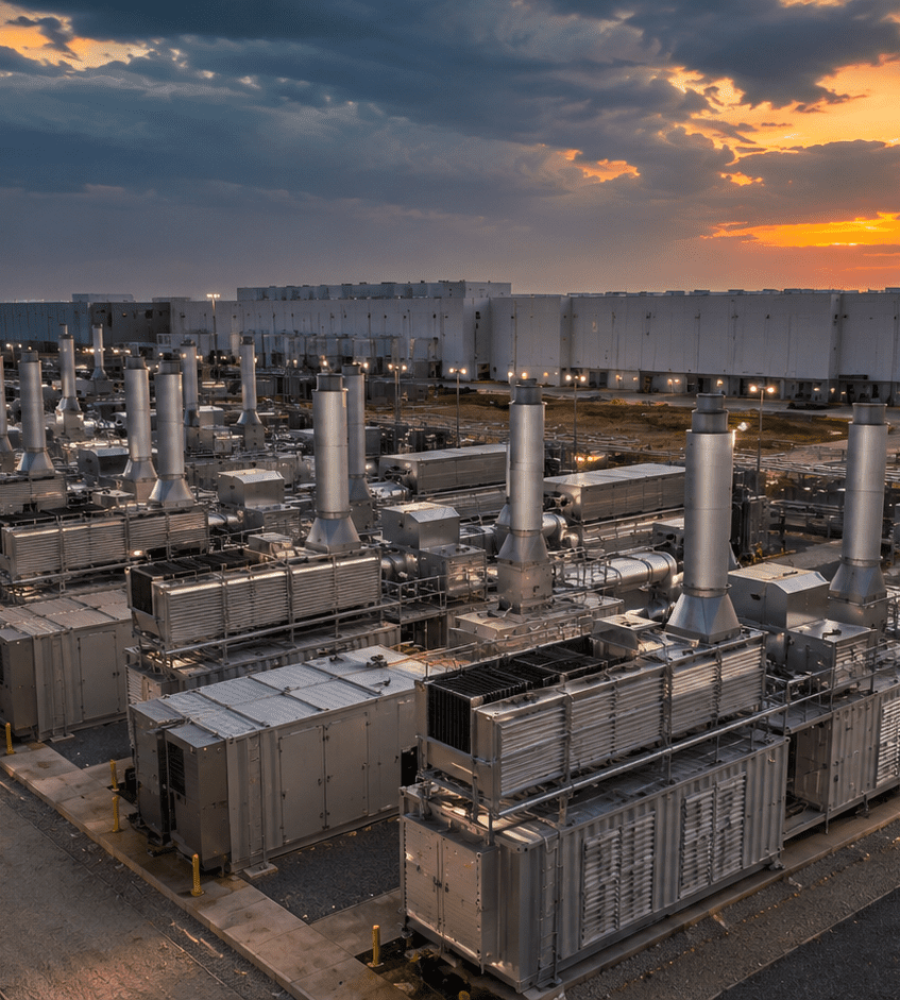
Power delivery has become the defining bottleneck shaping how quickly cloud providers can scale new capacity. That pressure is now pushing infrastructure operators toward alternative energy systems that bypass traditional grid expansion timelines.
AI cloud company Nebius has partnered with Bloom Energy to deploy fuel-cell systems across its growing AI infrastructure footprint, beginning with a 328 MW US deployment expected to become operational this year. The companies said the project removes the need for gas turbines at the site while accelerating time-to-power for large-scale AI compute capacity. The deal also establishes a longer-term framework that could expand beyond the United States as Nebius increases global infrastructure deployments.
AI Infrastructure Power Constraints Are Reshaping Deployment Models
The agreement highlights a broader industry shift inside the AI infrastructure market. Operators increasingly face delays tied to transmission upgrades, utility interconnection queues, and permitting requirements as hyperscale compute demand rises. Consequently, companies now search for onsite power alternatives that can shorten deployment cycles without sacrificing performance reliability.
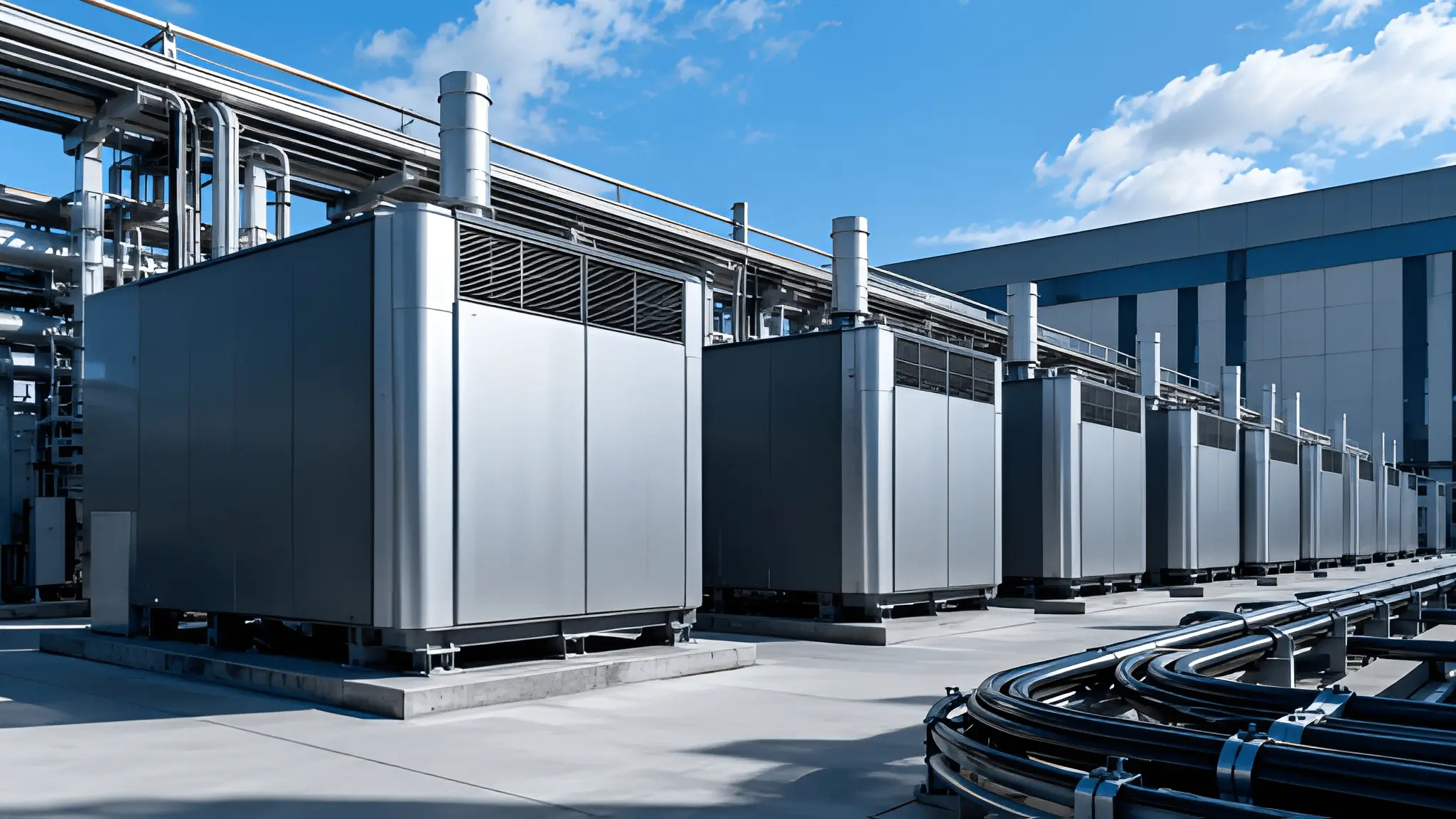
Nebius said Bloom’s fuel-cell systems offered a faster path to operational capacity because the modular units can be deployed directly behind the meter. That structure reduces dependence on new transmission infrastructure and allows compute environments to scale closer to customer demand timelines. The company also pointed to the technology’s ability to support the heavy operational requirements associated with AI training and inference workloads.
Bloom’s fuel-cell systems generate electricity without combustion. The company said the systems operate with low emissions, minimal water consumption, and higher efficiency compared with traditional combustion-based infrastructure. Fuel-cell deployments also typically face lighter permitting requirements than turbine-based projects, creating another advantage for AI infrastructure providers trying to accelerate expansion schedules.
“Power remains a key constraint for AI infrastructure build-outs,” said Andrey Korolenko, Chief Product and Infrastructure Officer at Nebius. “We chose Bloom because their fuel cells solve that directly: Clean power with virtually no pollutants is deployed onsite, on the timelines our customers need, with the availability AI workloads require. We expect to put this technology to work alongside our infrastructure as we continue to scale our capacity.”
Nebius Pushes Deeper Into Purpose-Built AI Compute Capacity
Nebius continues to position itself as a dedicated AI-native cloud infrastructure provider rather than a general-purpose hyperscaler. The company has been building purpose-designed compute environments focused on AI model training, inference, and accelerated cloud workloads across the United States and the EMEA region.
The Bloom partnership adds another layer to that infrastructure strategy by targeting one of the industry’s most difficult operational challenges: scalable power access. Instead of waiting for large transmission upgrades or utility-scale buildouts, Nebius can deploy modular onsite systems that align more closely with infrastructure commissioning timelines. That flexibility could become increasingly important as AI providers compete to bring new capacity online faster than rivals.
The first deployment alone represents 328 MW of installed capacity, placing the project among the more significant onsite AI power initiatives announced this year. Industry-wide, operators increasingly face pressure to secure reliable energy sources while balancing sustainability expectations from governments, enterprise customers, and investors.
“AI workloads demand power infrastructure that matches the performance of the cloud platforms they run on,” said Aman Joshi, Chief Commercial Officer at Bloom. “Our partnership with AI cloud leader Nebius brings together Bloom’s clean fuel cell technology and AI-native infrastructure, and helps deliver a community-friendly, high-performance solution at scale.”
Fuel Cells Are Emerging as AI Infrastructure Alternatives
The Nebius-Bloom partnership reflects a larger transition taking shape across the AI infrastructure sector. Rapid compute growth has exposed weaknesses in traditional power planning models, especially in regions where grid upgrades require years of regulatory coordination and construction work. AI operators now evaluate onsite generation technologies as strategic infrastructure assets rather than temporary backup systems.
Fuel cells have started gaining attention because they can support continuous power delivery while reducing the environmental impact associated with combustion-based generation. Their smaller physical footprint and modular deployment structure also allow operators to scale incrementally instead of waiting for massive centralized infrastructure projects to finish.
For Nebius, the partnership extends beyond a single deployment. The companies described the agreement as a long-term collaboration supporting Nebius’s US expansion plans with potential for wider global deployment as the company scales its AI cloud footprint internationally. As AI infrastructure enters a power-constrained era, partnerships between compute operators and alternative energy providers may become just as important as GPU supply agreements. The next phase of AI competition will likely depend not only on who owns the most compute, but who can energize it fastest.