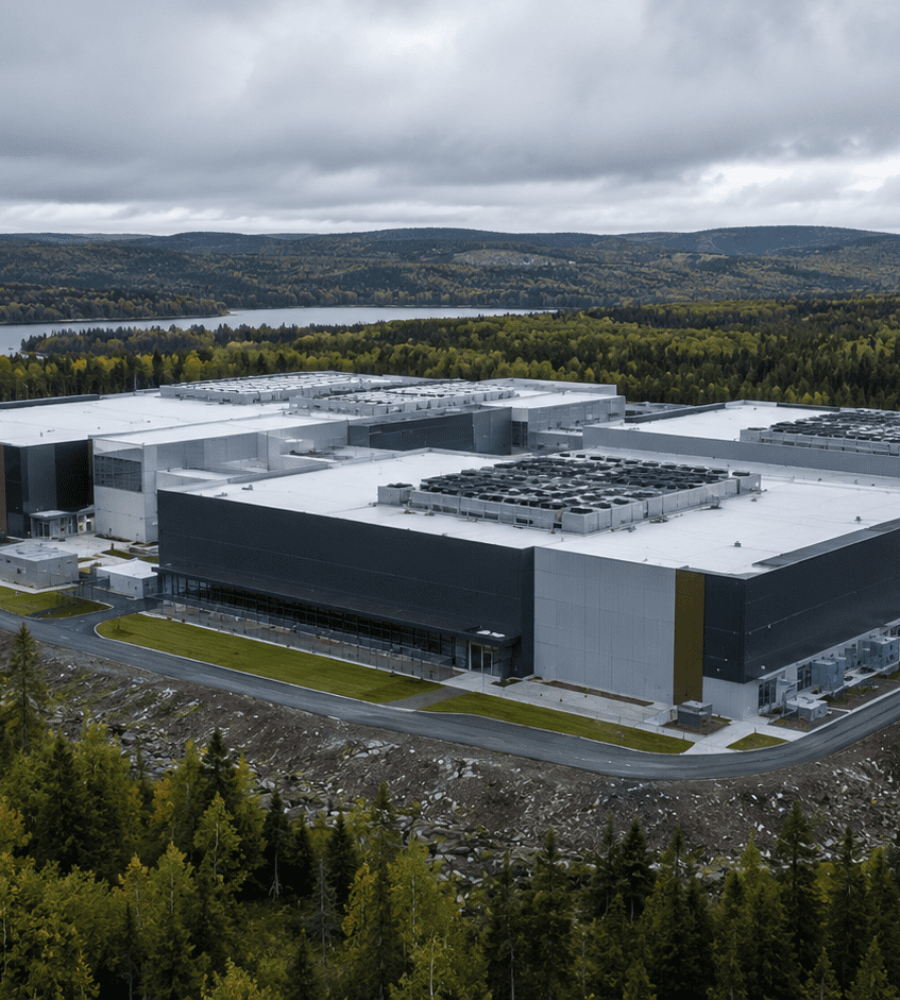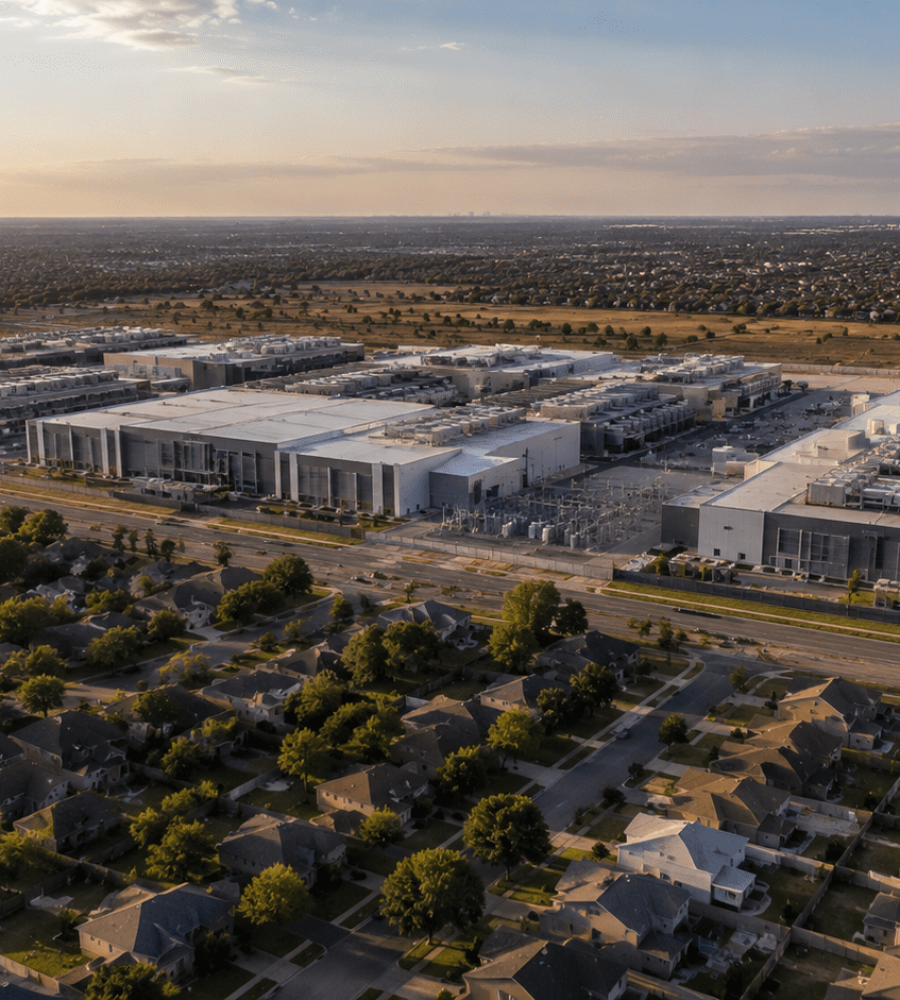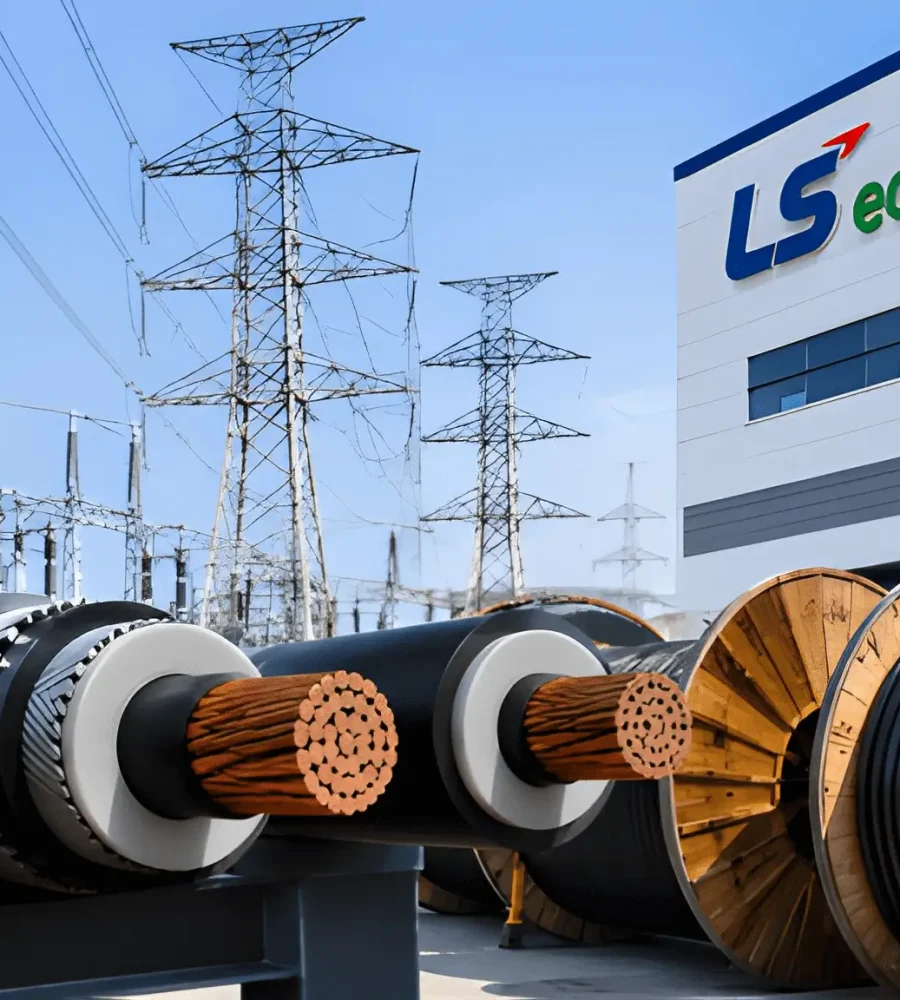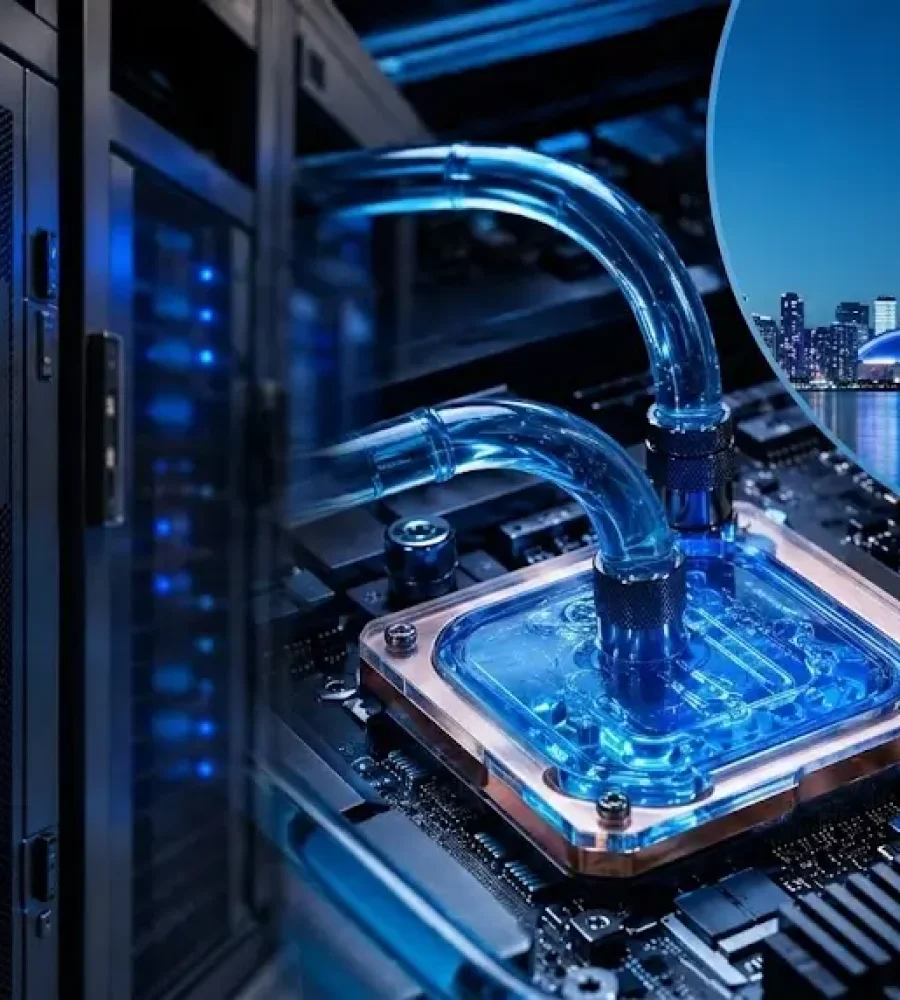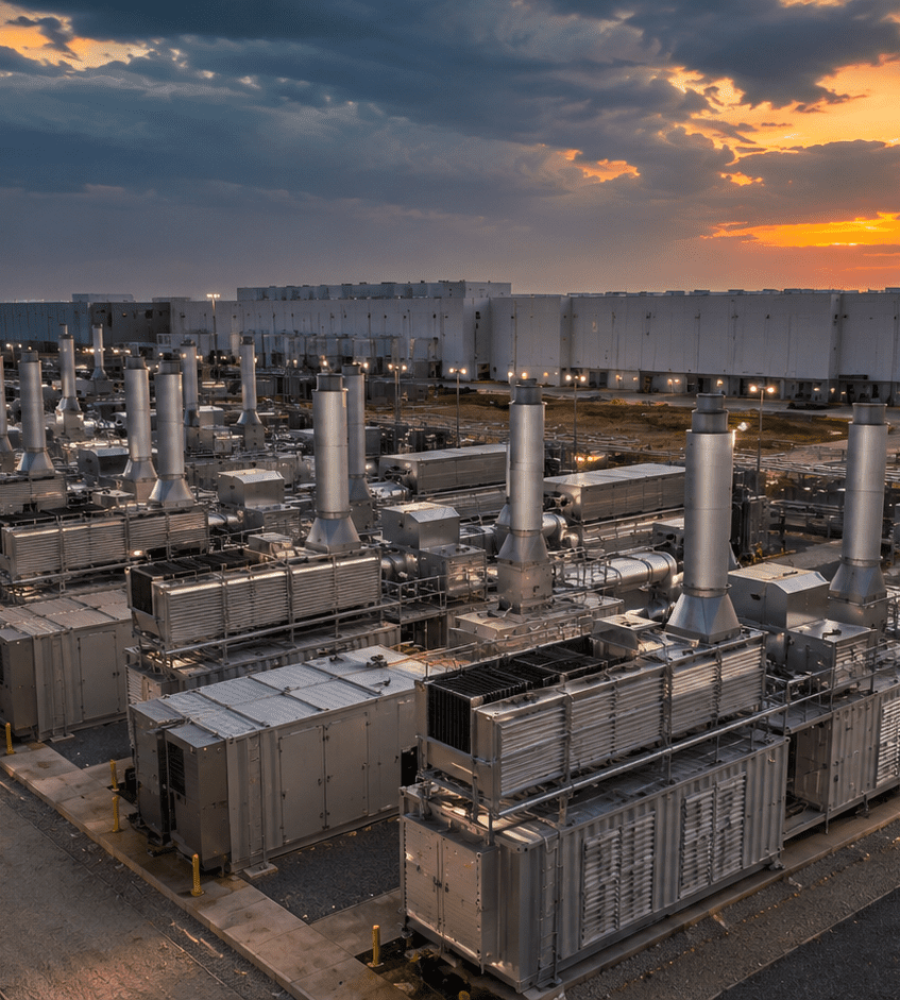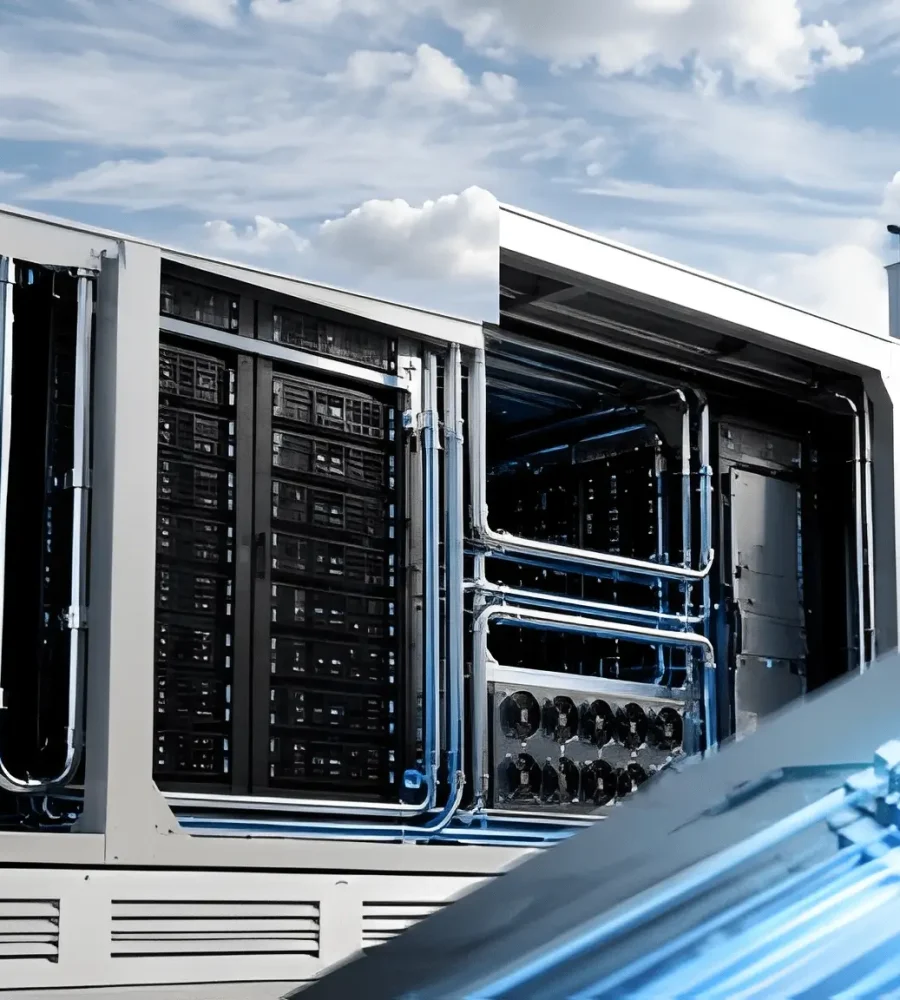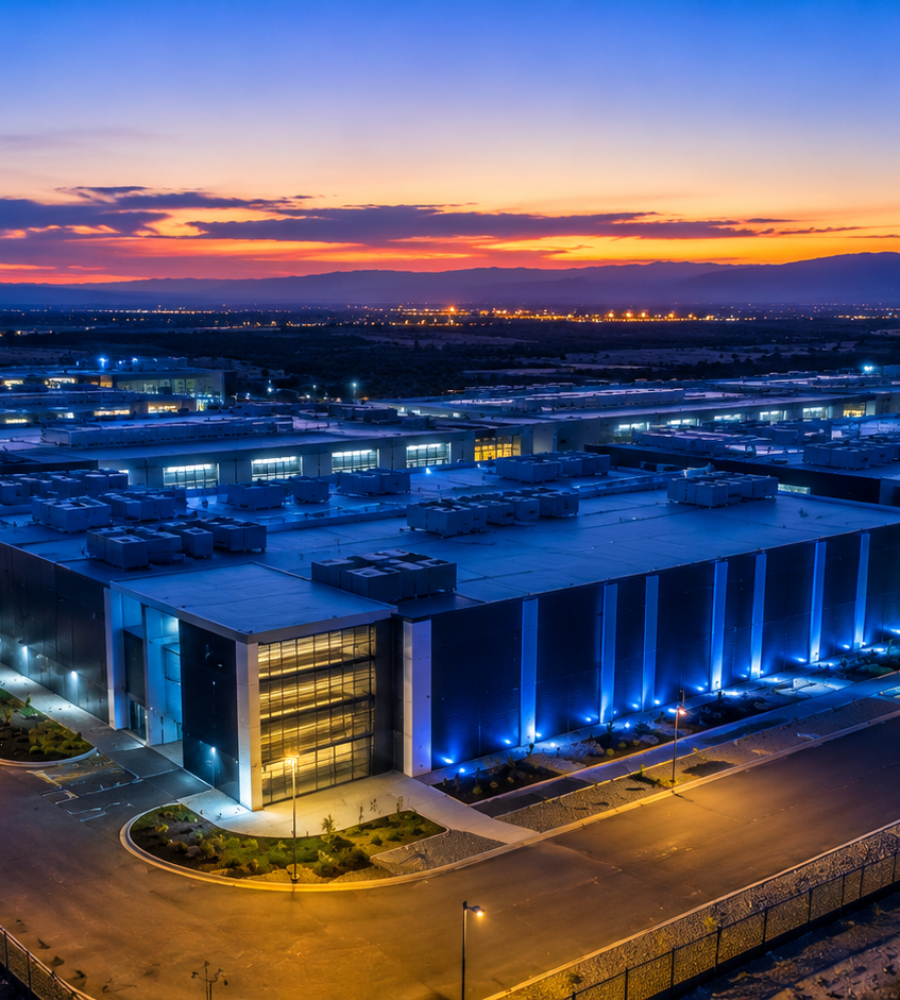
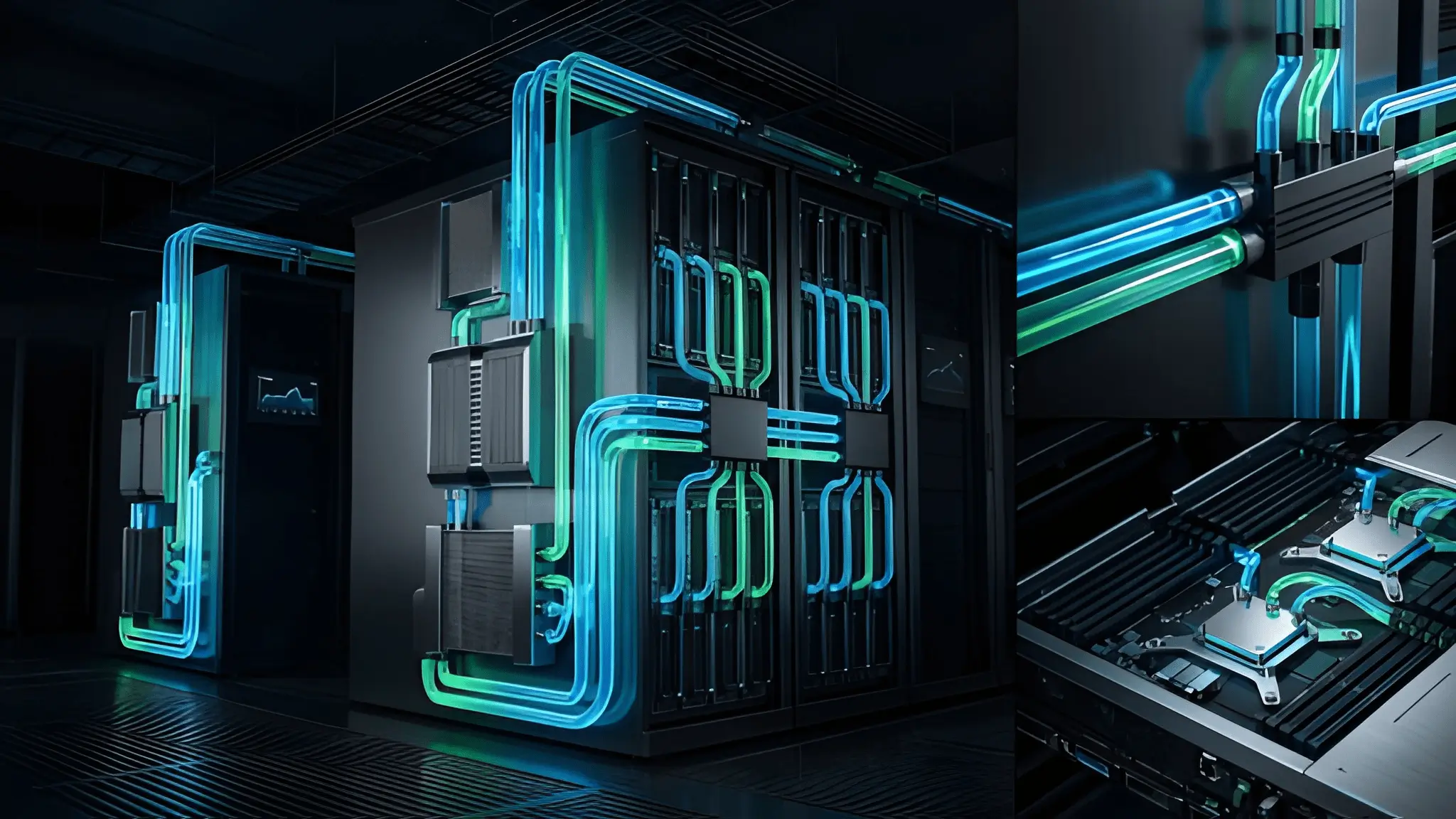
The artificial intelligence boom changed the public conversation around technology, yet most attention still circles around graphics processors, semiconductor foundries, and cloud software platforms. Inside data centers, another race already shapes the economics of the next decade because heat now dictates how aggressively operators can scale modern AI environments. Engineers no longer treat cooling as a background utility since rack densities continue to rise far beyond traditional enterprise standards. Infrastructure teams increasingly redesign facilities around liquid pathways, coolant circulation systems, and thermal distribution hardware instead of relying solely on airflow management. Financial markets have started noticing the shift because the companies solving these thermal bottlenecks now sit directly inside the expansion cycle of hyperscale AI deployment. The growing importance of thermal infrastructure has increased investor attention toward fluid engineering and cooling technology companies alongside semiconductor manufacturers.
Investors often search for the next dominant AI infrastructure category after chip acceleration platforms reached extraordinary market valuations over the last few years. Data center operators now face an entirely different challenge because power concentration inside advanced AI racks has moved beyond what conventional air systems can consistently stabilize. Cooling vendors suddenly occupy strategic positions inside procurement cycles that once prioritized only processors, networking hardware, and electrical systems. Manufacturers focused on cold plates, immersion tanks, coolant distribution units, and fluid control software now receive direct attention from hyperscalers planning multi-billion-dollar expansion programs. Hardware vendors also depend on thermal innovation because next-generation processors lose operational efficiency when facilities fail to control localized heat accumulation. Capital markets increasingly recognize that thermal infrastructure no longer represents a secondary operating expense within modern AI expansion economics.
AI’s Biggest Opportunity May Be Floating in Coolant
Liquid cooling firms now occupy a central role inside next-generation AI facility planning because thermal density has become a physical limitation instead of a minor engineering inconvenience. Modern AI clusters place enormous pressure on airflow systems when racks move beyond conventional enterprise power thresholds. Direct-to-chip cooling designs remove heat closer to the processor surface, which allows operators to support denser hardware deployments inside existing facility footprints. Immersion cooling vendors also attract attention because dielectric fluids reduce fan dependency while improving thermal consistency across accelerated hardware environments. Several infrastructure providers now package thermal systems as integrated platforms that combine piping networks, monitoring software, and coolant management into a single deployment model. This shift has increased the strategic importance of thermal engineering companies within hyperscale infrastructure planning and investment discussions.
Financial analysts increasingly compare thermal infrastructure demand to earlier networking booms because every major AI deployment now requires advanced heat management before operators can activate additional hardware capacity. Facility owners no longer evaluate cooling vendors purely through operational cost metrics since thermal stability directly affects uptime, hardware longevity, and deployment density. Cooling vendors now play a more significant role in procurement decisions alongside power delivery architecture in many hyperscale projects. Several industrial infrastructure firms have responded by acquiring specialized liquid cooling companies to secure deeper exposure to AI expansion cycles. Several smaller startups continue attracting investor attention because proprietary fluid systems and thermal control technologies offer differentiated capabilities within a rapidly expanding market. Infrastructure capital now flows toward companies capable of solving thermal bottlenecks at hyperscale volume.
The GPU Boom Is Quietly Minting Thermal Giants
The rapid rise of accelerator-heavy infrastructure has created favorable conditions for companies that specialize in cooling hardware, facility thermal design, and liquid circulation technology. AI hardware manufacturers continue increasing processor density because larger training environments require massive parallel hardware deployments across tightly packed racks. Traditional air systems struggle under these conditions since airflow efficiency weakens as thermal concentration intensifies within compact environments. Thermal vendors now develop advanced cold plates, rear-door heat exchangers, and liquid transfer systems specifically tailored for accelerated infrastructure layouts. Large industrial equipment firms have also expanded aggressively into the cooling segment because hyperscale clients now prioritize integrated thermal ecosystems instead of isolated hardware components. The market increasingly rewards suppliers that can stabilize high-density environments without sacrificing energy efficiency or operational reliability.
Public market activity has increasingly highlighted thermal infrastructure providers as potential beneficiaries of the broader AI expansion cycle. Several industrial firms with exposure to cooling systems experienced increased investor attention during the recent AI infrastructure expansion. Analysts now discuss cooling capacity alongside electrical infrastructure when evaluating long-term hyperscale spending patterns. Meanwhile, thermal management companies continue building stronger relationships with processor manufacturers because advanced rack architectures demand coordinated engineering between hardware and cooling systems. Vendors that previously served niche high-performance environments now scale their production capabilities for mainstream AI facility deployment. The financial upside increasingly depends on infrastructure specialization rather than broad enterprise hardware exposure alone.
Cooling Startups Are Becoming Wall Street’s New AI Bet
Venture capital firms and institutional investors increasingly view thermal infrastructure startups as important contributors to large-scale AI deployment because facility expansion depends heavily on effective heat management. Startups focused on immersion cooling, leak detection systems, fluid optimization software, and advanced coolant chemistry have experienced rising investor attention across the infrastructure sector. Many of these firms operate in markets that traditional enterprise technology investors previously ignored because cooling lacked direct association with digital growth narratives. AI expansion changed that perception since infrastructure operators now require thermal innovation before they can scale future hardware deployments. Investors increasingly search for companies capable of reducing facility energy overhead while supporting higher rack densities inside existing campuses. Specialized cooling startups now occupy an increasingly visible position inside AI infrastructure investment discussions.
Many hyperscale operators increasingly rely on external engineering partners and specialized vendors while redesigning infrastructure for high-density AI environments. External vendors therefore provide essential expertise around fluid mechanics, coolant reliability, thermal balancing, and deployment-scale serviceability. Several startups now position themselves as full-stack thermal partners rather than component suppliers because hyperscale customers increasingly prefer integrated deployment models. Therefore, investor enthusiasm extends beyond hardware manufacturing toward software orchestration, thermal telemetry, and predictive maintenance systems connected to liquid infrastructure environments. The market also rewards companies that can reduce water consumption and improve facility efficiency under rising sustainability pressure. Thermal startups increasingly resemble strategic infrastructure platforms instead of narrow engineering vendors.
Why Every AI Factory Now Has a Heat Problem
AI facilities now consume dramatically higher levels of electrical power because accelerated hardware platforms concentrate enormous thermal output inside compact rack footprints. Earlier enterprise environments rarely faced these conditions because conventional workloads distributed power demand across less intensive server architectures. Current AI deployments create concentrated thermal zones that strain airflow systems and challenge long-standing facility design assumptions. Operators increasingly redesign entire campuses around liquid pathways, heat rejection systems, and advanced thermal monitoring networks to maintain stable operational conditions. Cooling systems increasingly influence expansion planning because thermal capacity limitations can affect hardware deployment schedules in certain facilities. The economics of AI expansion increasingly depend on thermal engineering execution rather than raw hardware acquisition alone.
The physical realities inside AI facilities continue reshaping infrastructure strategy because dense accelerated systems generate heat levels that standard enterprise cooling designs cannot dissipate efficiently at scale. Thermal management now affects deployment flexibility, operational continuity, and facility-level efficiency targets across hyperscale expansion programs. Several infrastructure providers already market complete AI-ready cooling ecosystems because customers increasingly demand integrated deployment support instead of fragmented component sourcing. Consequently, cooling infrastructure has evolved from an operational support layer into a more significant factor in facility efficiency and expansion strategy. Large operators increasingly evaluate thermal resilience during site selection because cooling limitations can restrict long-term scalability. Infrastructure firms capable of solving these physical bottlenecks now occupy highly strategic positions inside the global AI supply chain.
The Real AI Arms Race Is Happening Behind the Rack
Competition inside AI infrastructure increasingly includes fluid delivery systems, thermal balancing technology, and heat transfer efficiency because these factors can influence future hardware scaling strategies. Cooling architectures now influence facility design from the earliest planning stages because thermal constraints directly affect rack density, floor layout, and expansion flexibility. Vendors that control proprietary coolant systems or advanced thermal delivery hardware can establish long-term strategic relationships with hyperscale clients. Hardware manufacturers also collaborate more closely with cooling providers because future accelerated platforms require coordinated thermal engineering across every deployment layer. Research teams continue developing advanced channel designs and adaptive cooling systems to improve temperature consistency within dense processor clusters. The industry now treats thermal optimization as a core infrastructure discipline rather than a secondary facilities concern.
Infrastructure competition also intensifies because liquid cooling systems create higher technical barriers than traditional airflow management designs. Specialized fluid engineering, monitoring software, maintenance expertise, and thermal modeling capabilities now separate market leaders from generic infrastructure vendors. Operators increasingly prefer suppliers that can support large-scale deployments with integrated servicing, telemetry, and predictive maintenance capabilities across geographically distributed facilities. Thermal intellectual property continues gaining importance as AI infrastructure expands into increasingly dense operating environments. Several industrial firms now position cooling technology as a foundational element of next-generation infrastructure portfolios rather than an accessory business line. Companies with advanced thermal engineering expertise may strengthen their position within future AI infrastructure markets as cooling requirements continue evolving.
The Next Nvidia May Not Build Chips at All
Technology markets usually reward the companies that remove the largest bottlenecks during major infrastructure transitions, and the AI industry increasingly faces thermal limitations alongside processor availability, networking capacity, and energy infrastructure constraints. Liquid cooling vendors, immersion specialists, thermal software firms, and fluid engineering companies now occupy strategic positions inside every large-scale AI expansion discussion. Financial markets have already started pricing this transformation into infrastructure valuations because cooling demand continues rising alongside accelerated hardware deployment. The next decade could create stronger market positions for companies focused on thermal delivery systems, coolant innovation, and facility-level heat management expertise. The next breakout AI giant may ultimately emerge from the companies that learned how to move heat faster than everyone else.