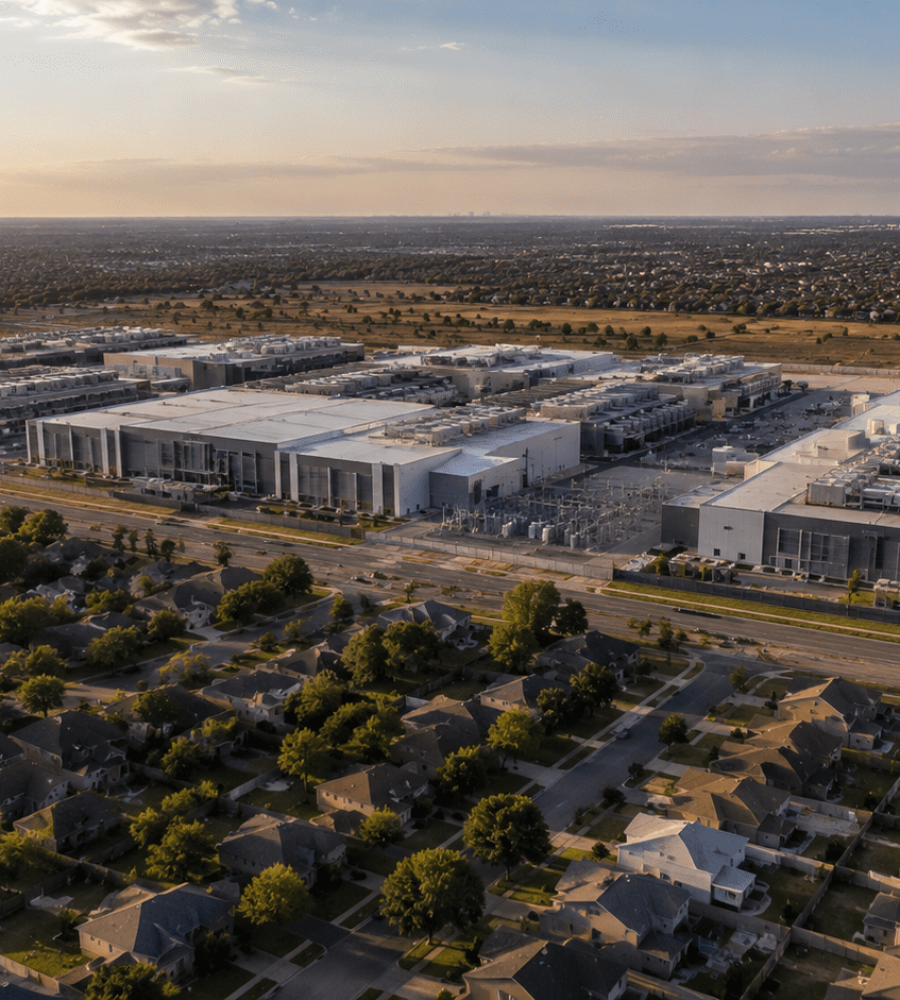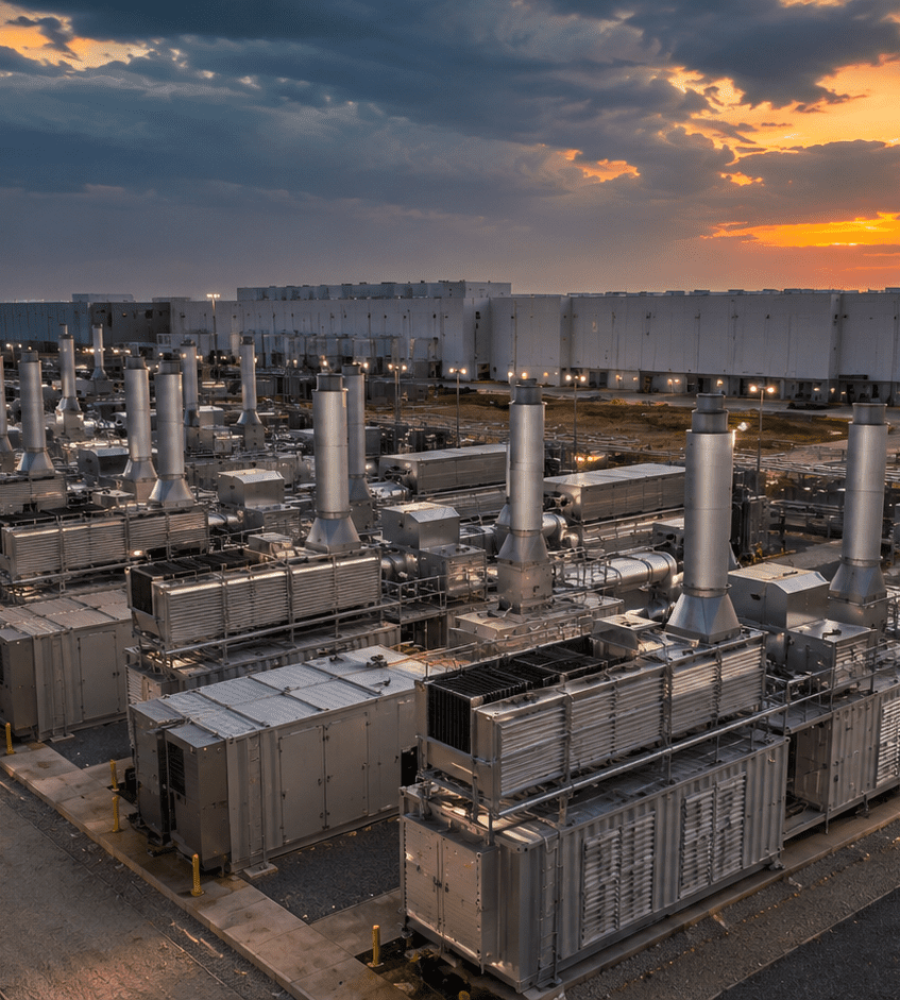
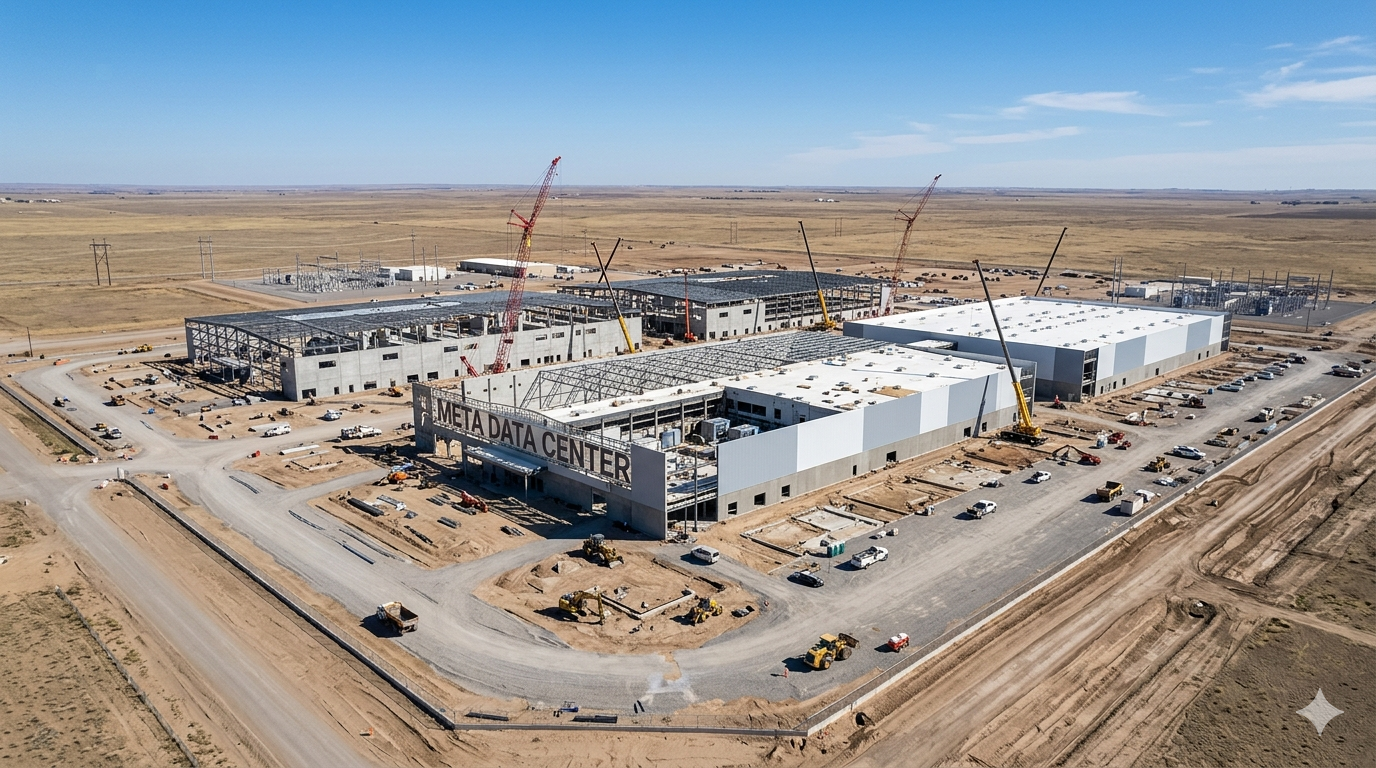
Meta Platforms reported first quarter 2026 results on April 29, posting revenue of $56.31 billion, up 33% year-over-year, and raising its full-year 2026 capital expenditure guidance to $125 to $145 billion. That range sits $10 billion above the prior guidance of $115 to $135 billion. CFO Susan Li attributed the revision to higher component pricing and additional data center costs to support future-year capacity. In after-hours trading, Meta’s stock dropped approximately 6% on the news. Investors read the capex raise as a sign that near-term free cash flow compression will deepen before it improves.
Alongside similar updates from Microsoft, Alphabet, and Amazon in the same 48-hour period, the combined 2026 AI infrastructure commitment now exceeds $650 billion. That figure covers those four companies plus Apple. It is, notably, larger than the GDP of most European countries. It represents a structural escalation in AI infrastructure investment that has no historical precedent.
What Changed in Meta’s Infrastructure Strategy
Meta’s Q1 capital expenditures came in at $19.84 billion, below the $27.57 billion average analyst estimate. That suggests the company is backloading its infrastructure spending toward the second half of 2026. The guidance raise, however, signals that the full-year commitment is, in fact, accelerating rather than moderating. Meta spent $72.2 billion on capital expenditure in 2025. The midpoint of its 2026 guidance represents, consequently, nearly double that. The scale of escalation is, in other words, without parallel in the company’s history.
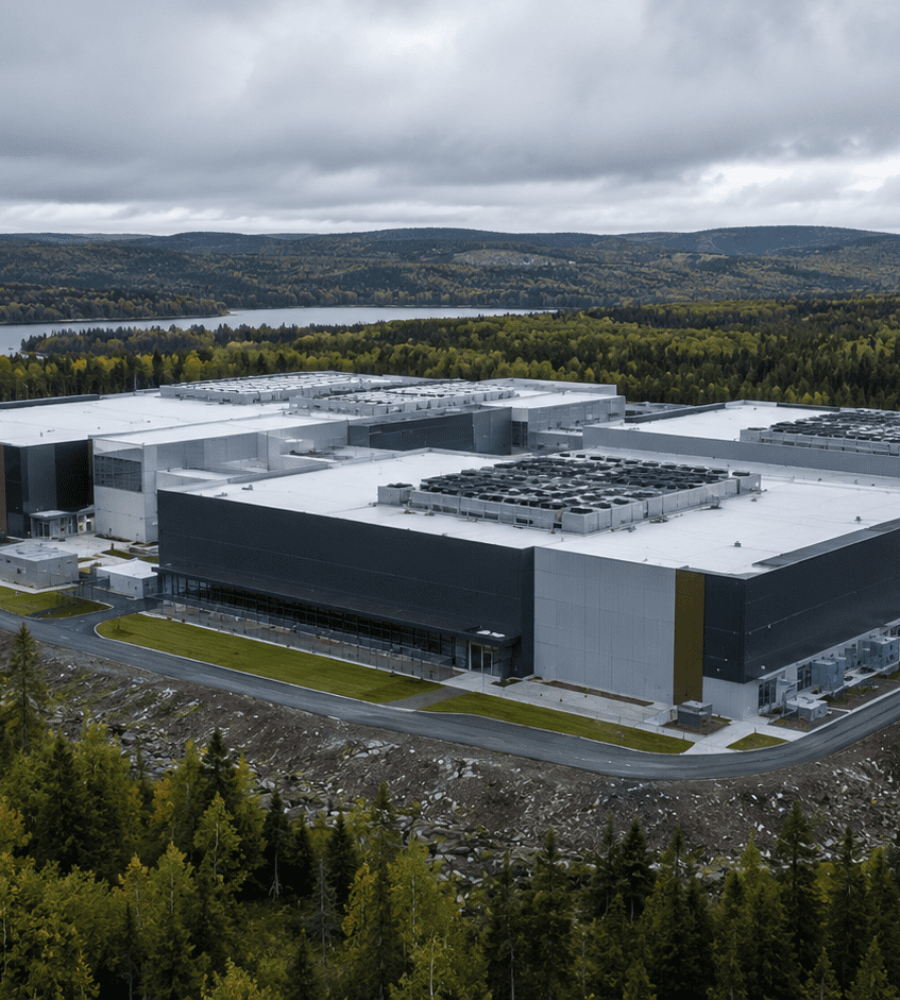
Meta’s CFO Li specifically noted that the company had signed $107 billion in new contractual infrastructure commitments during Q1 2026 alone. That figure, larger than many national infrastructure programmes, reflects the pace at which Meta is locking in capacity ahead of potential supply shortages. Those commitments cover servers, data centers, and network infrastructure. Vendors include AWS Graviton, CoreWeave, Nebius, Google, Nvidia, AMD, and Broadcom. That vendor diversification reflects a deliberate strategy to avoid single-supplier dependency. GPU supply constraints and component pricing volatility are, specifically, the factors driving the capex raise.
The Competitive Context This Creates
Meta’s infrastructure strategy differs from its hyperscaler peers in one fundamental way: virtually all of its AI infrastructure investment is internal. Meta builds compute to serve its own recommendation systems, generative advertising tools, and Llama models. It does not sell cloud compute to third parties at meaningful scale. That distinction matters for how investors read the capex numbers. Meta’s return on infrastructure investment flows entirely through its advertising revenue. That revenue grew 33% year-over-year to $55.02 billion in Q1 2026, a number that gives the capex commitment its fundamental justification.
Q1 2026 provided an early signal. AI tools including Meta’s Lattice and GEM models boosted ad conversion rates by over 6%. It is the first quarter in which AI-driven ad performance has been quantified as a specific percentage gain rather than a qualitative description. Business AI adoption on WhatsApp and Messenger reached 10 million weekly conversations, a monetisation signal for the next phase. Those numbers suggest the infrastructure investment is producing measurable advertising returns. The Q1 data is, indeed, the first concrete evidence of AI-driven ad performance at this scale. As we have covered in our analysis of whether AI infrastructure spending can justify itself, the sustainability of hyperscaler capex at this scale ultimately depends on whether the revenue it enables grows faster than the depreciation it generates. Meta’s Q1 numbers are, consequently, an early data point in favour of that thesis.
What the $650 Billion Number Means for the Supply Chain
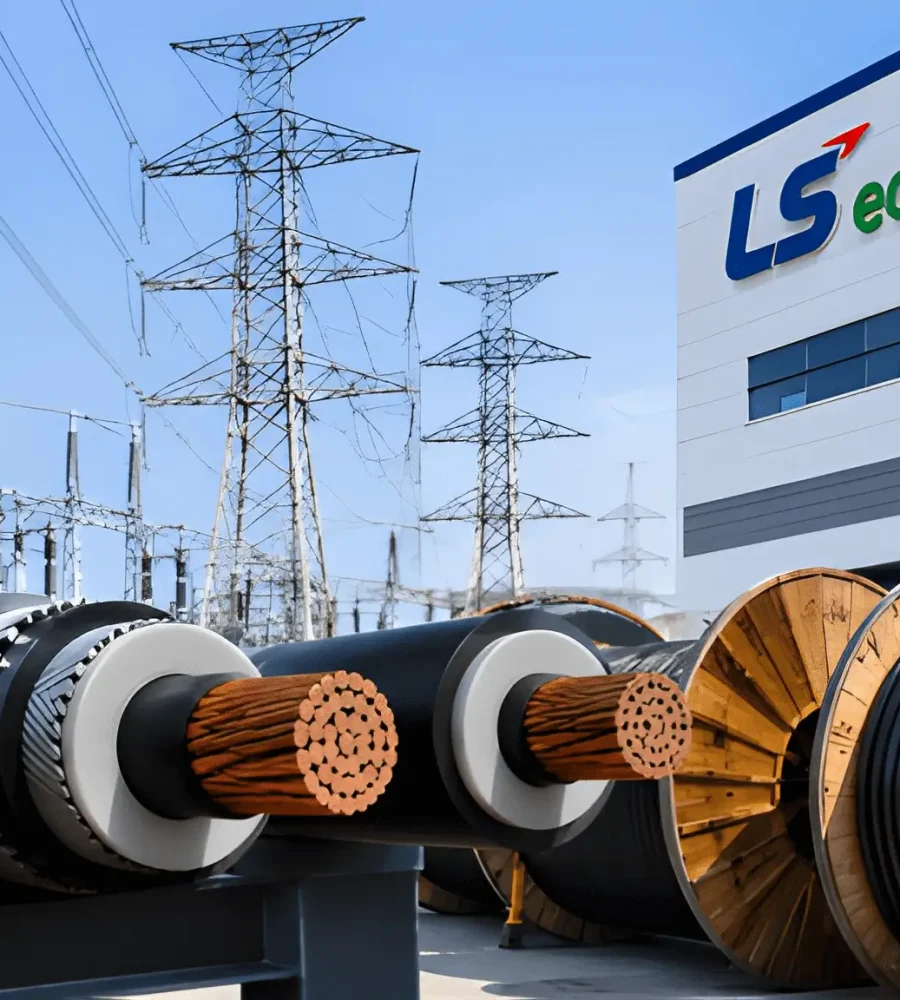
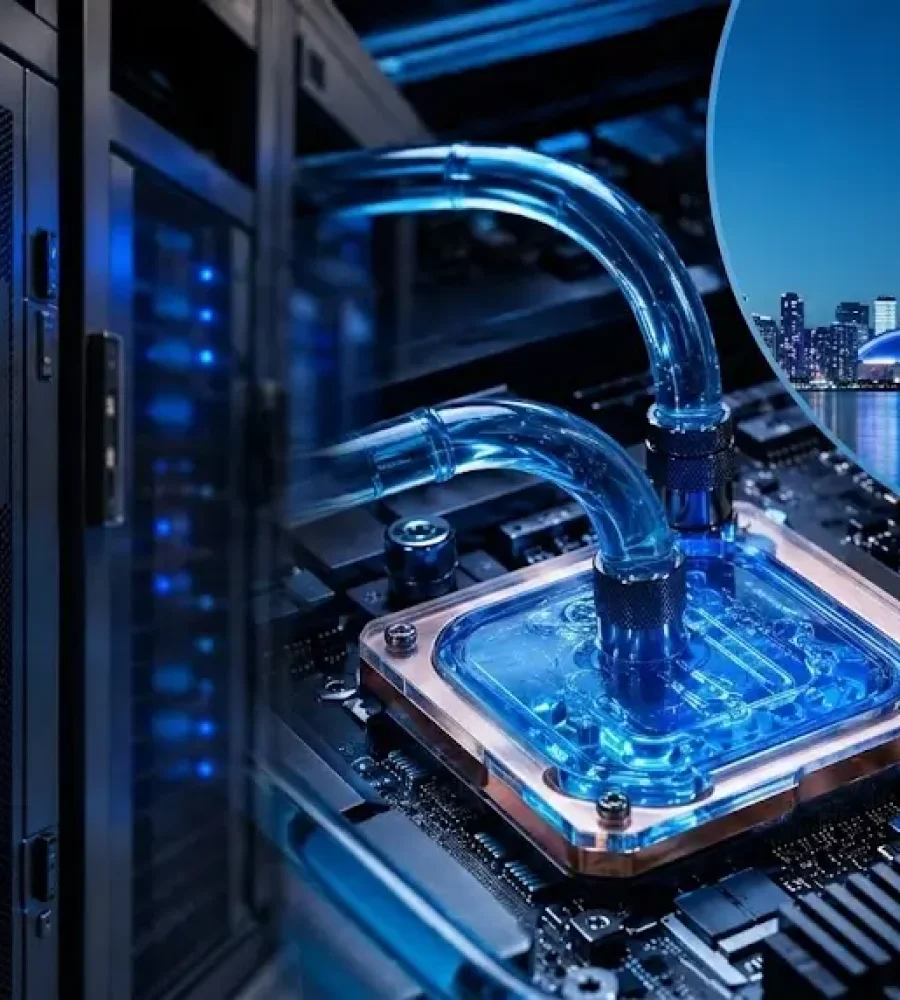
The combined $650 billion in 2026 AI infrastructure commitments has direct implications for every part of the AI infrastructure supply chain. Transformer manufacturers, cooling vendors, construction firms, power equipment suppliers, and fibre network operators are all sizing capacity against this figure. The risk is that the delivery timeline embedded in those commitments is, once again, more aggressive than the supply chain can support.
Meta’s own explanation for the capex raise is, in part, an admission of that tension. Higher component pricing reflects supply constraints, not cost inflation in isolation. When five of the largest technology companies simultaneously commit to doubling their infrastructure spending, the supply chain faces a demand signal it was not designed to absorb. A single year at this commitment scale would already be unprecedented. The result is, consequently, higher prices, longer lead times, and deferred delivery timelines. As we have covered in our analysis of how electrical equipment shortages are quietly stalling the AI infrastructure buildout, the gap between committed spending and delivered capacity concentrates precisely in the supply chain bottlenecks that $650 billion in demand is, consequently, making more acute rather than less.