The Google Pentagon discussions over classified AI compute infrastructure have moved into serious territory. Google and the United States Department of Defense are in active discussions to deploy Google’s custom tensor processing units inside classified computing environments, according to reporting from Bloomberg and TechCrunch confirmed on April 28. The arrangement would, specifically, extend Google’s existing relationship with the Pentagon under its Google Distributed Cloud air-gapped product. That product allows government agencies to run Google infrastructure on premises and fully disconnected from the public internet.
The discussions represent a significant escalation in the integration of commercial AI hardware into classified defence computing. Google’s TPUs are the same custom silicon the company uses to train and serve its largest AI models at hyperscale. Deploying them inside Impact Level 6 and Top Secret environments would make Google’s most advanced AI inference available to defence and intelligence agencies on infrastructure they physically control. The implications for Google’s defence business and the broader sovereign AI compute market are, consequently, material.
What Google Distributed Cloud Air-Gapped Actually Is
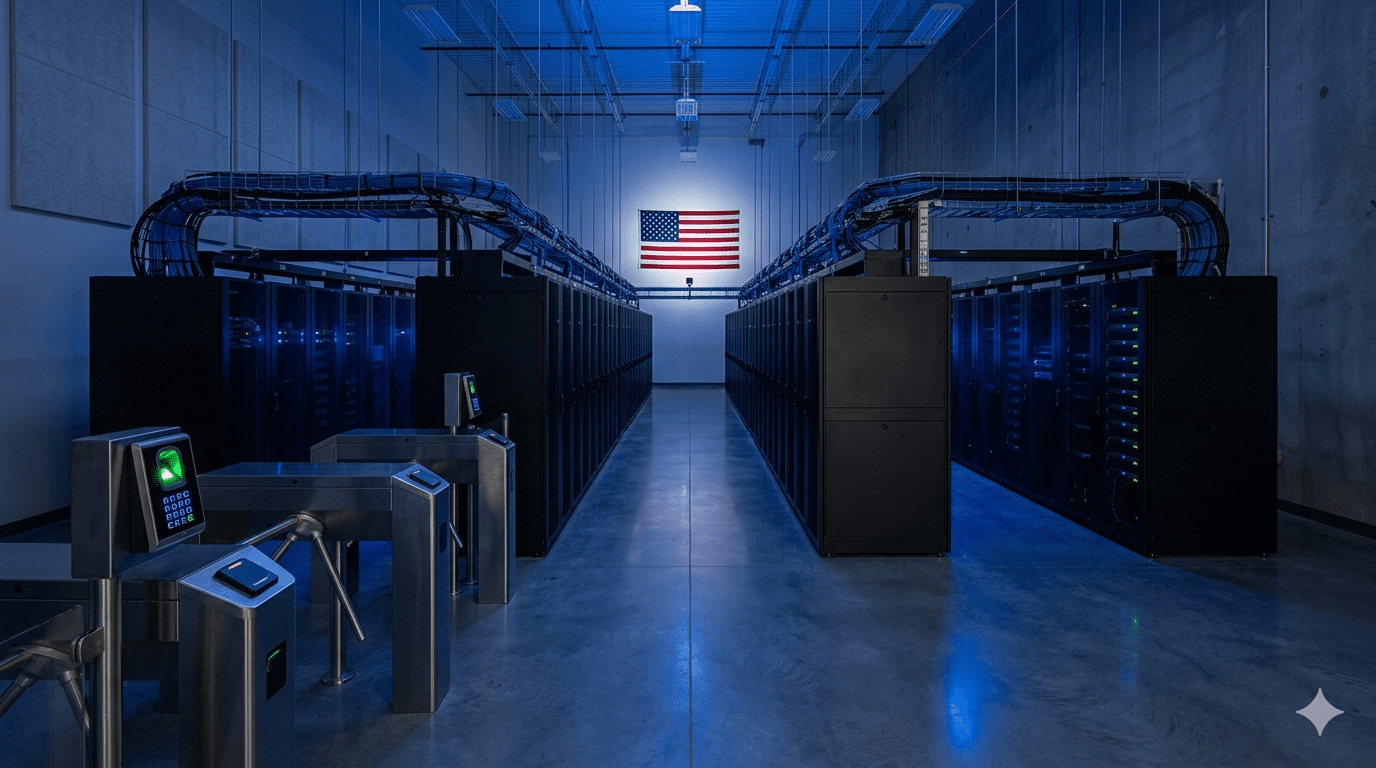
Google Distributed Cloud air-gapped is a product line that physically isolates Google infrastructure from any network connection, including Google’s own. The hardware runs Google’s full software stack including AI and machine learning services. It operates, however, entirely within the customer’s facility under the customer’s physical security controls. It has been available to US government customers since 2022 and has been accredited for use in environments handling classified information.
The product exists, in part, because of the limitations of conventional government cloud contracts. Agencies handling Top Secret or SCI data cannot route workloads through public cloud infrastructure regardless of encryption or compliance posture. Air-gapped deployments solve that problem by bringing the cloud to the classified environment rather than routing the workload outward. As we have covered in our analysis of sovereign AI infrastructure becoming a nation-state competition, the ability to run advanced AI inside physically controlled, network-isolated infrastructure has become a strategic priority for governments that cannot tolerate dependency on public cloud architecture for sensitive workloads.
Why TPUs Change the Calculus
The specific significance of this arrangement is the inclusion of custom TPU hardware. Software alone does not explain the interest. Previous government deployments of Google Distributed Cloud have run on commodity server hardware. TPUs are purpose-built silicon designed to accelerate matrix operations at the heart of large AI model training and inference. They are, specifically, the hardware reason Google’s AI inference outperforms commodity GPU-based alternatives for transformer workloads.
Deploying TPUs inside a classified environment gives defence agencies inference performance that commodity hardware cannot match. The operational implication is that agencies running intelligence analysis, imagery processing, or natural language workloads on classified networks could run them at significantly higher throughput and lower latency than current infrastructure allows. For intelligence applications, processing speed determines whether actionable information arrives before or after a decision window closes. The difference is, therefore, operationally significant. As we have covered in our analysis of Google’s TPU strategy at Cloud Next, the TPU roadmap has been accelerating rapidly and the performance gap for inference workloads is widening with each generation.
The Competitive Landscape This Creates
Google is not, however, the only company pursuing classified AI compute contracts. Microsoft has been the dominant provider of classified cloud infrastructure through its Azure Government Secret and Top Secret products, which received IL6 accreditation ahead of Google’s equivalent offering. Amazon Web Services operates AWS GovCloud and has classified environment contracts through its C2S and SC2S programmes for the intelligence community. The Google Pentagon TPU discussions represent Google’s most direct challenge to Microsoft’s lead in the classified AI compute market.
The competition matters, however, beyond the defence contracts themselves. The classified AI compute market is relatively small in revenue terms. It is, however, strategically significant for several reasons. First, it establishes which company’s AI stack becomes the reference platform for government AI workflows. Procurement implications extend, in turn, well beyond the initial contracts. Second, it creates a feedback loop between commercial AI capabilities and defence requirements that influences roadmap priorities on both sides. As we have covered in our analysis of the rise of controlled AI clouds for defence and critical infrastructure, the boundary between commercial and defence AI infrastructure is dissolving faster than either the technology industry or the defence establishment had anticipated.
The Infrastructure Requirements Are Substantial
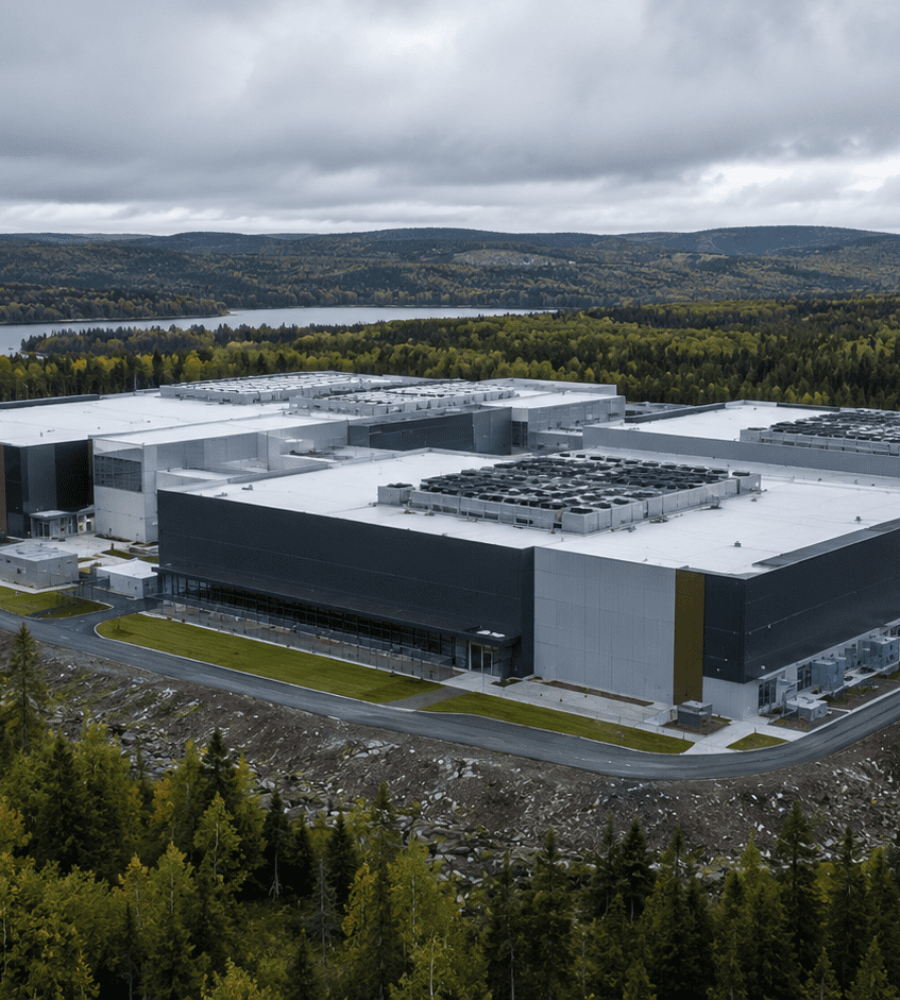
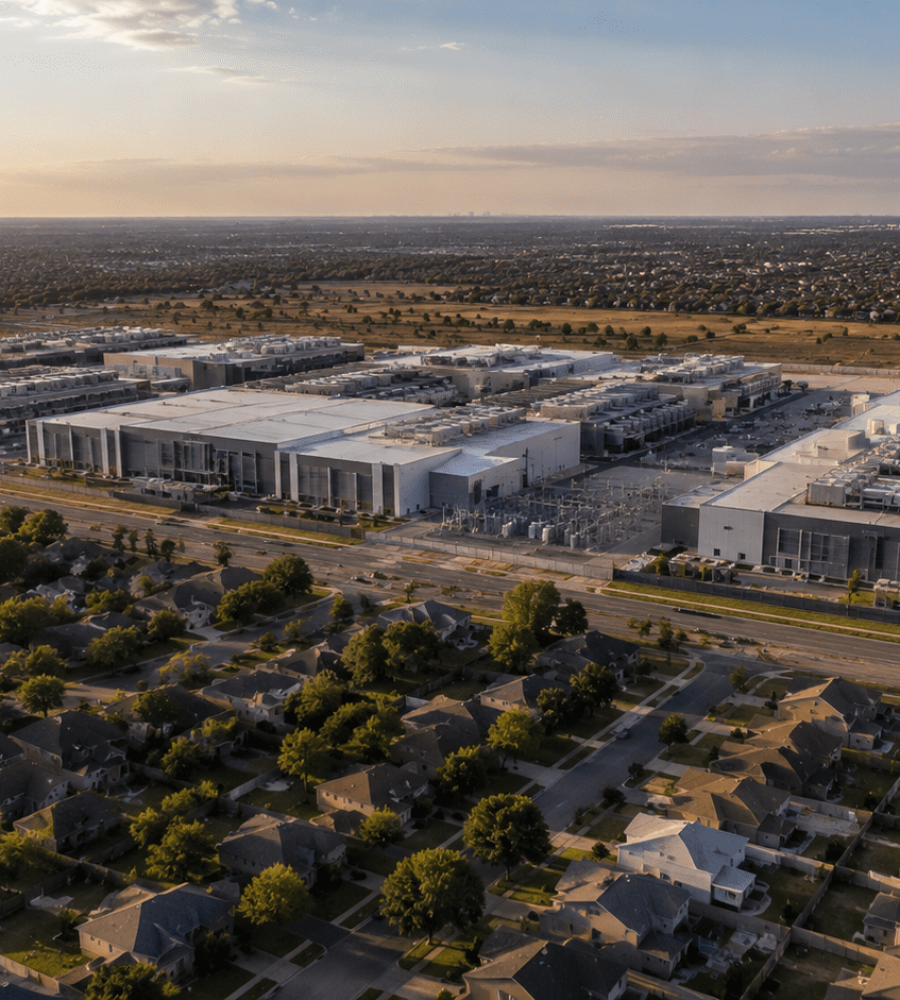
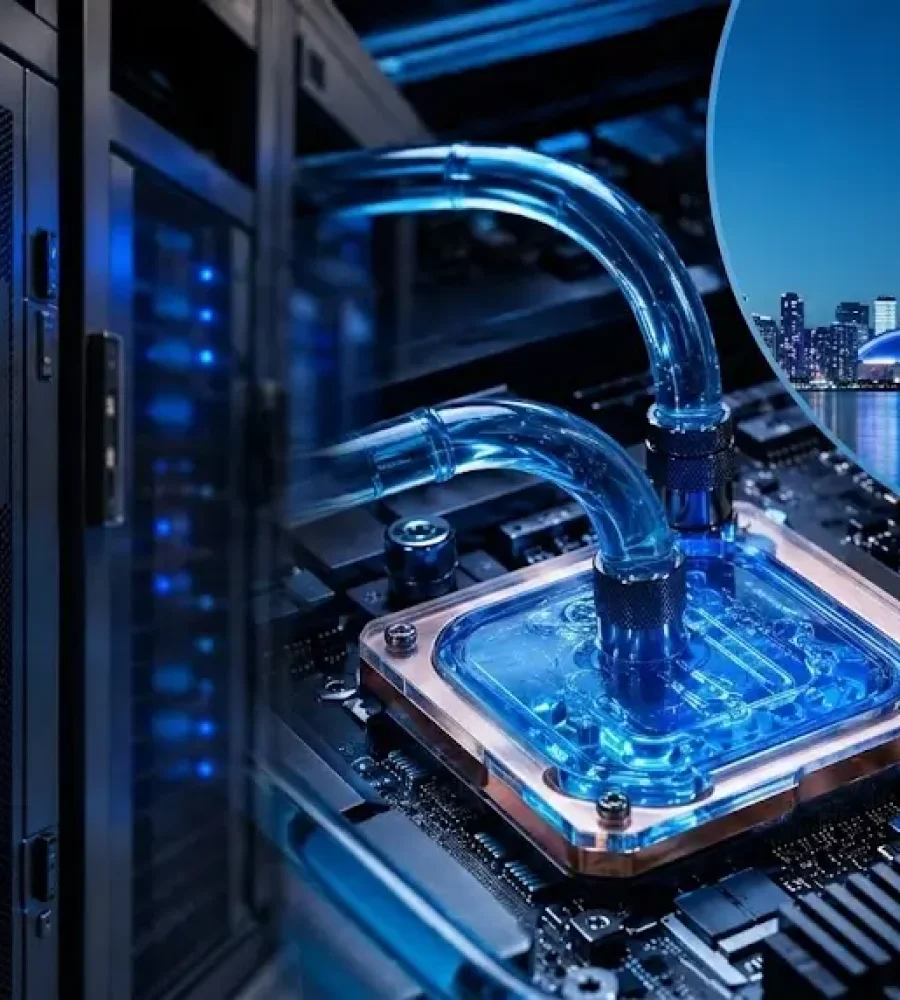
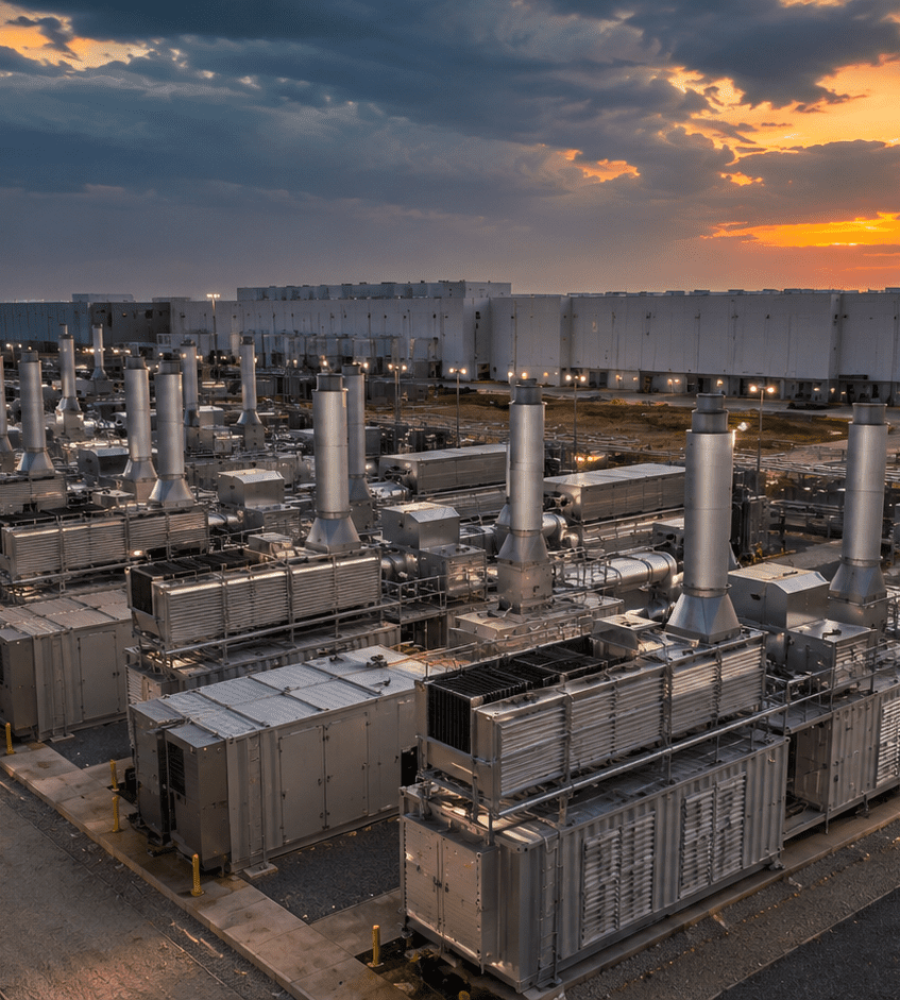
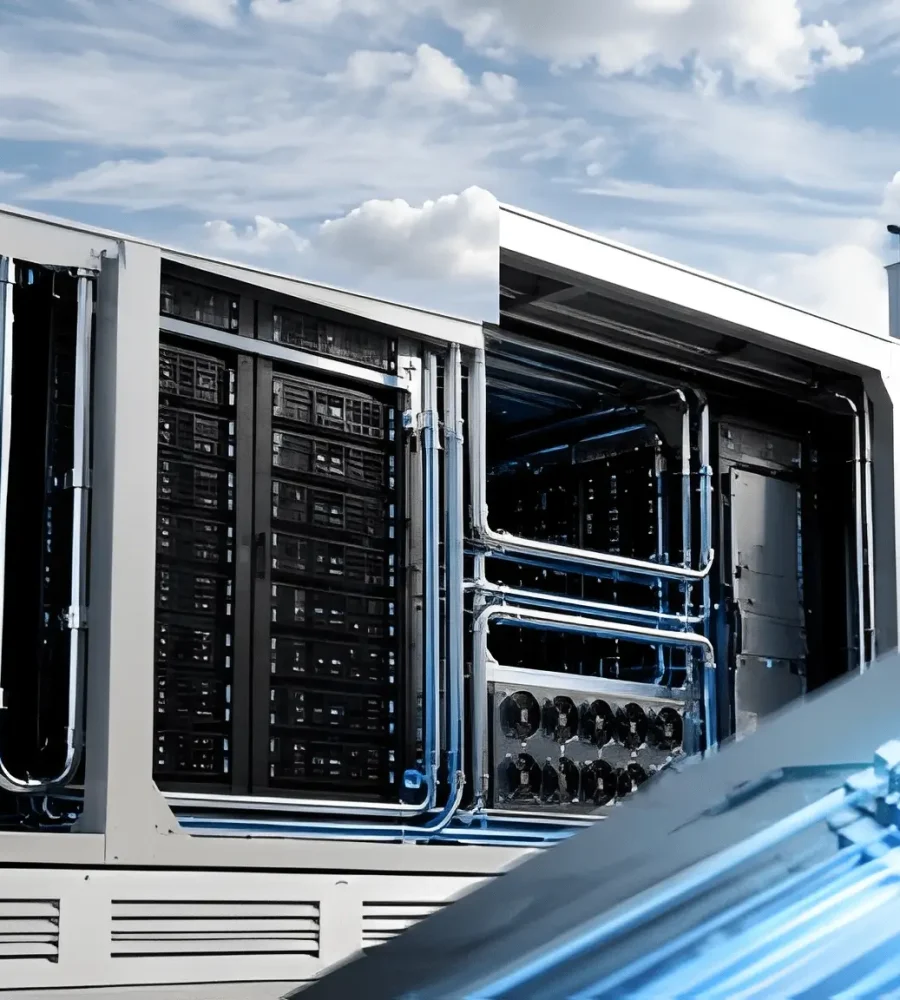
Running TPUs inside a classified environment is not, in other words, simply a question of shipping hardware to a government facility. The air-gapped architecture requires a complete Google infrastructure stack. That means cooling systems designed for TPU thermal profiles, power delivery sized for TPU power density, network fabric connecting TPU pods, and a software management layer that operates without Google’s standard cloud management plane.
Each component must be certified for classified environments. That adds procurement timeline and cost complexity that commodity hardware does not carry. The cooling requirements for TPU pods at the density required for meaningful AI inference performance are, in particular, non-trivial. As we have covered in our analysis of how AI compute has moved beyond chips to controlling the full stack, the infrastructure required to run modern AI hardware at performance cannot be separated from the hardware itself. Deploying TPUs in a classified environment consequently means deploying the entire supporting infrastructure stack in that environment. That requirement shapes the economics and timeline of the arrangement in ways not yet fully visible in the reporting.
The Google Pentagon discussions are ongoing and no contract has been confirmed publicly. The fact that they have reached the stage of Bloomberg and TechCrunch reporting, however, suggests the arrangement is substantive rather than exploratory. If concluded, it would represent the most significant integration of commercial custom AI silicon into classified US government computing infrastructure to date. The outcome will, ultimately, reshape the classified AI compute market.