AI Is Becoming The Dominant Data Center Workload
Artificial intelligence is no longer a niche workload inside modern data centers. It is rapidly becoming the primary driver of infrastructure demand. New projections suggest AI could represent nearly half of all data center workloads by 2030. That shift would mark one of the biggest changes in the industry’s history.
For decades, traditional cloud applications drove capacity growth. Enterprise software, storage, and web services dominated compute demand. Today, AI training and inference workloads are changing that equation. As organizations deploy AI at scale, infrastructure operators are allocating more power, cooling, and networking resources to AI clusters.
The Rise Of AI Inference
Most discussions about AI infrastructure focus on model training. However, inference is emerging as the larger long-term opportunity. Training happens periodically. Inference happens every time a user interacts with an AI system. Every chatbot response, image generation request, recommendation engine query, or AI assistant interaction requires inference compute.
McKinsey projects that AI inference will surpass training workloads before the end of the decade. By 2030, inference could account for more than half of all AI compute demand while representing roughly 30% to 40% of total data center demand. This shift will influence how operators design future facilities.
Why Workload Mix Matters
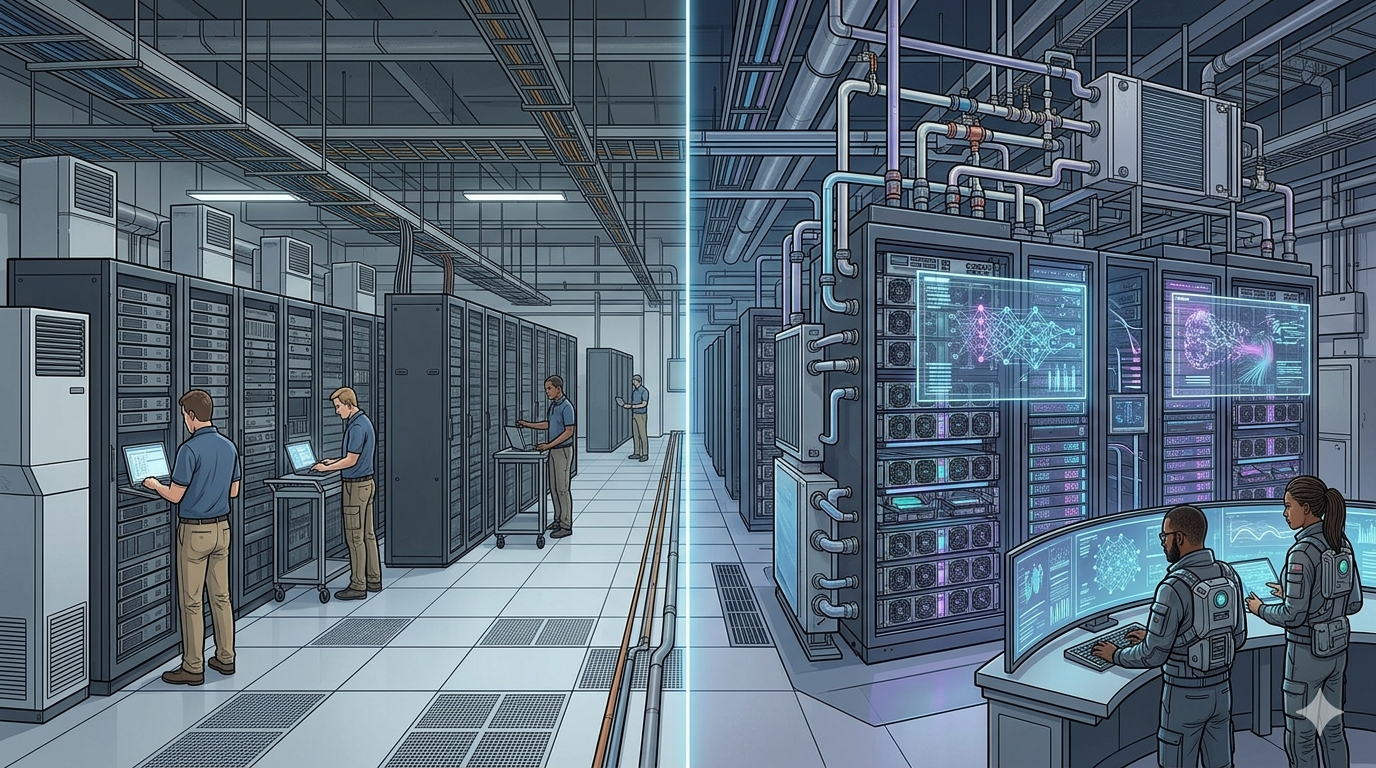
Data centers are evolving from general-purpose facilities into specialized AI infrastructure hubs. Traditional workloads often prioritize storage, virtualization, and network performance. AI workloads require a different architecture. Operators must deploy GPU clusters, high-speed interconnects, liquid cooling systems, and significantly larger power capacities.
Consequently, workload composition is becoming a critical planning factor. Research shows that AI training and inference create different power profiles. As inference demand rises, operators must prepare for more dynamic compute utilization patterns across facilities.
AI Is Driving Capacity Expansion
The scale of projected growth is substantial. According to McKinsey’s data center demand model, global data center demand could increase from approximately 82 GW in 2025 to 219 GW by 2030. AI inference workloads alone could grow from around 21 GW to more than 93 GW during that period. Meanwhile, non-AI workloads will continue growing, but at a much slower pace. As a result, AI will account for an increasingly larger share of total capacity requirements across hyperscale, enterprise, and colocation environments.
Power Has Become The New Constraint
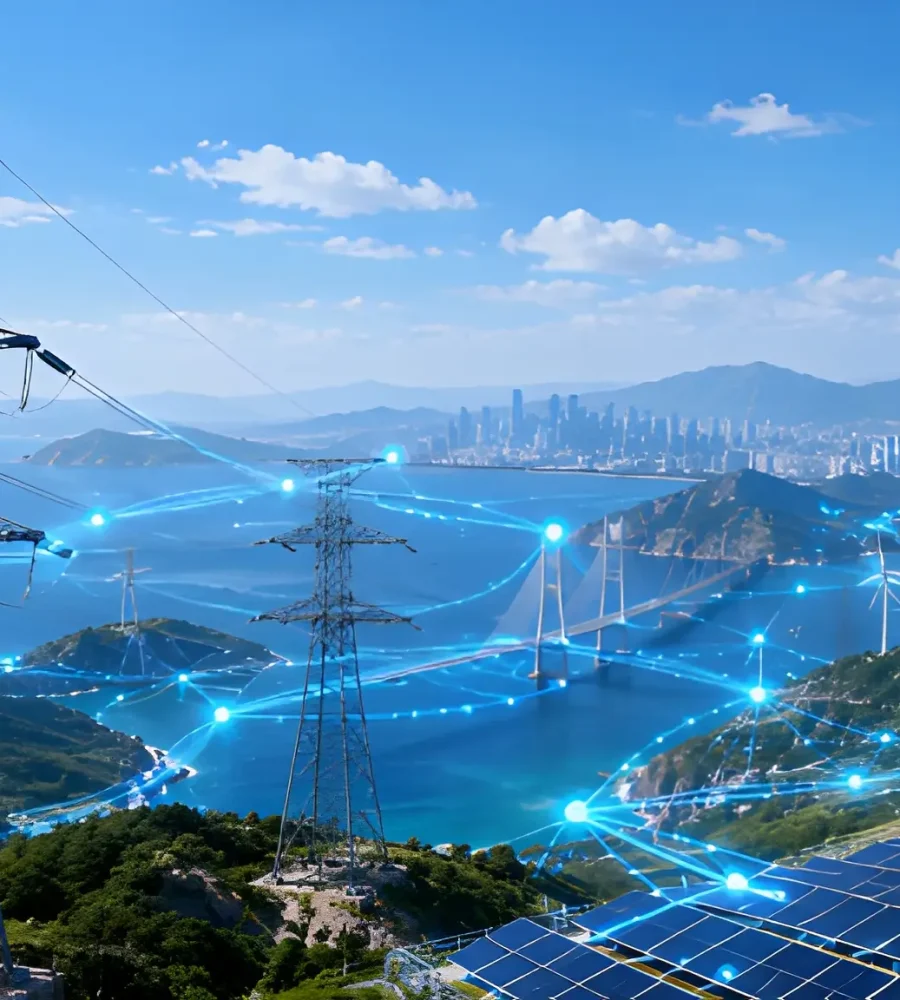
The industry’s biggest challenge is no longer access to servers. It is access to electricity. Gartner warns that power availability could become the primary constraint on data center growth by 2030. Global data center power consumption could rise from roughly 132 GW today to nearly 290 GW before the decade ends. Grid infrastructure, transmission capacity, and utility connections are becoming critical factors in site selection. Therefore, many operators now evaluate power availability before considering land or connectivity.
The Environmental Impact Is Growing
As AI workloads expand, environmental concerns are receiving greater attention. Researchers from the United Nations University estimate that AI-driven data center growth could significantly increase electricity and water consumption by 2030. Data center power and water demand may double during the decade if AI adoption continues at its current pace.
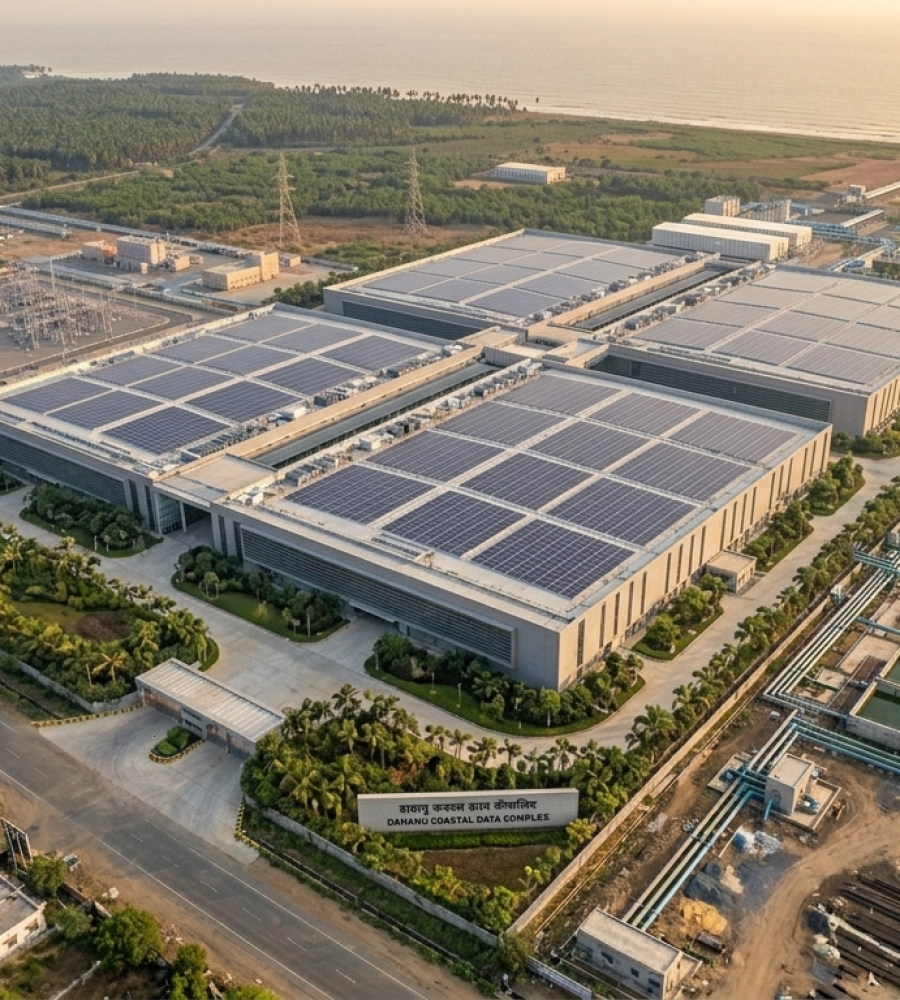
Furthermore, growing AI deployments create additional pressure on cooling systems, energy infrastructure, and resource management strategies. These concerns are pushing operators toward renewable energy procurement and advanced cooling technologies.
AI Is Reshaping Infrastructure Design
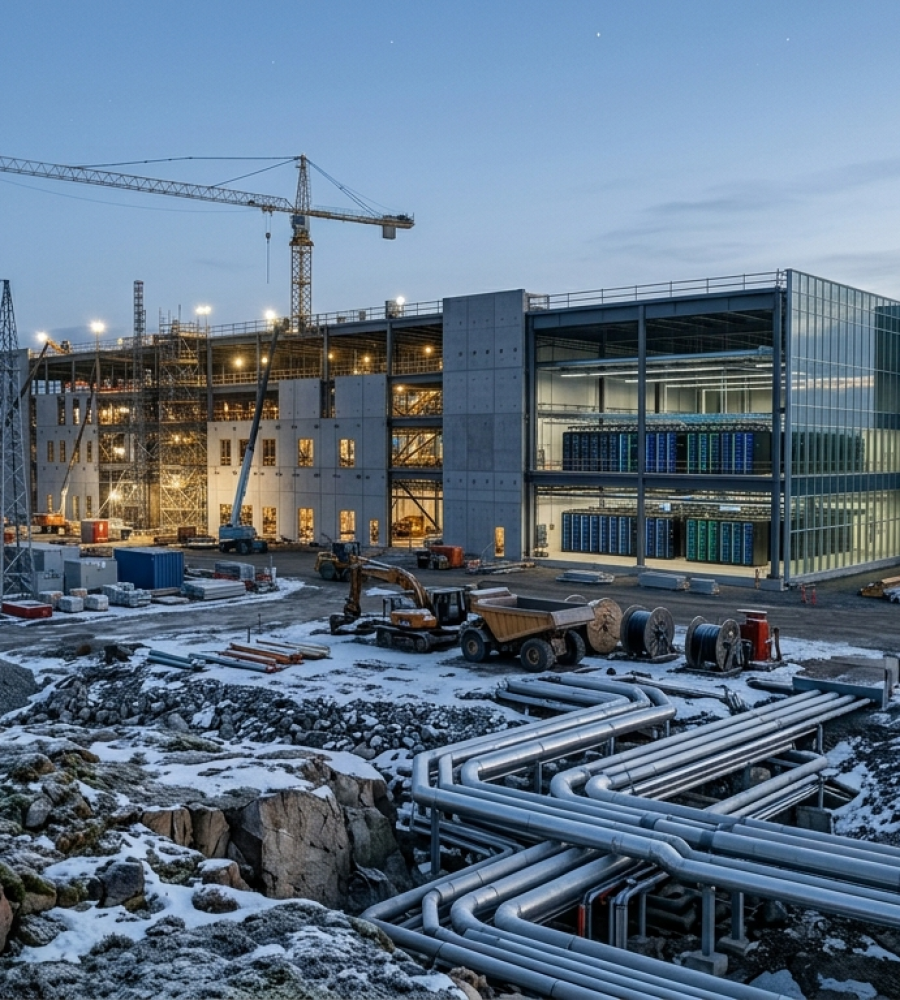
The next generation of facilities will look very different from traditional cloud data centers. Operators increasingly design facilities around accelerated computing. Rack densities continue rising. Liquid cooling adoption is accelerating. Networking architectures are becoming more specialized to support AI clusters.
Moreover, infrastructure strategies are shifting toward regional deployment models. Training workloads often concentrate in large campuses. Inference workloads, however, require lower latency and greater geographic distribution. This trend could create demand for new AI infrastructure locations beyond traditional hyperscale markets.
Investment Is Following The Workloads
Capital spending patterns already reflect this transition. Hyperscalers, cloud providers, governments, and enterprises are investing heavily in AI infrastructure. Industry forecasts suggest global data center capacity will continue expanding rapidly through 2030 as organizations compete for compute resources. Additionally, investors increasingly view power infrastructure, cooling technologies, networking systems, and AI-optimized facilities as critical components of the broader AI ecosystem. The opportunity extends far beyond GPUs alone.
The Future Belongs To AI-Centric Data Centers
The prediction that AI could represent half of all data center workloads by 2030 reflects a broader transformation taking place across the industry. Data centers are no longer simply digital storage facilities. They are becoming AI factories designed to support continuous training, inference, and intelligent applications. Every layer of infrastructure is adapting to this new reality. If current growth trends continue, AI will shape decisions around power procurement, cooling technologies, facility design, and geographic expansion throughout the remainder of the decade. The result will be a new generation of infrastructure built specifically for an AI-driven economy.